Alzheimer’s Disease: Silent Memory‑Stealing Disorder, Risk Habits, Preventive Strategies & Neuro‑Support Potential Of Cistanche Tubulosa Extract
Aug 21, 2026
"She was always in excellent health, how could her memory fade away so fast?" This is a common complaint among family members facing cognitive decline in elderly relatives. Take 68‑year‑old Aunt Li as a typical case. She used to be sharp‑minded and good at household budgeting. Yet over the past year, obvious personality and cognitive shifts appeared. She repeatedly asked "Have we cooked lunch?" shortly after finishing her meal. One day she even got lost on the familiar route she had taken for 20 years to buy groceries. Further hospital diagnosis confirmed moderate Alzheimer's disease (AD).
Many people mistakenly believe Alzheimer's strikes suddenly. In reality, this neurodegenerative disorder develops silently over decades. Millions of senior citizens are suffering from this "memory‑stealing" illness.
Alzheimer's disease is a progressive neurodegenerative condition that gradually erodes memory, reasoning and cognitive capacity, greatly lowering quality‑of‑life for elderly patients. As population aging accelerates, AD represents a growing public‑health challenge. Back in 2021, AD patients in China exceeded 16.99 million, and the incidence among women is 1.8 times higher than in men. Projections indicate this patient population may surpass 30 million by 2050.

Once AD develops, pathological damage is largely irreversible; clinical treatment can only slow disease progression rather than achieve full recovery. Beyond patient suffering, family caregivers endure long‑term physical and mental pressure from heavy caregiving burdens.
The exact etiology of Alzheimer's remains incompletely understood by medical science. Research communities widely link AD progression to excessive buildup of toxic beta‑amyloid protein inside brain tissue. A long‑term cohort study published in a Lancet journal tracked thousands of participants via brain imaging and cerebrospinal‑fluid testing. The data revealed pathological alterations of Alzheimer's start 15‑20 years before noticeable clinical symptoms emerge. Pathological changes may quietly begin as early as people's 30s or 40s, staying undetected during this pre‑symptomatic phase.
This critical finding reminds us not to wait until obvious memory loss occurs. Early attention to brain health and subtle cognitive shifts is essential.

Four Daily Habits That Secretly Harm Brain & Cognitive Function
Accumulated research confirms many AD risks stem from modifiable lifestyle choices. The following four habits gradually undermine cognitive performance.
Long‑term strict vegetarian diet Prolonged vegetarian eating patterns may trigger nutritional deficiencies, most notably insufficient Vitamin B12. Vitamin B12 is indispensable for maintaining healthy nervous‑system function. Deficiency weakens red blood cells and damages nerve cells, elevating dementia risk.
High intake of preserved pickled foods Pickled food contains abundant nitrite. Inside human bodies, nitrite reacts with secondary amines produced during protein degradation to generate nitrosamines. These toxic compounds raise cancer hazards and exert neurotoxic effects that impair brain cognition.
Chronic sleep deprivation & staying up late Sleep provides a vital window for the brain to clear excess beta‑amyloid waste via cerebrospinal‑fluid circulation. Continuous sleep loss blocks this cleansing process. Toxic beta‑amyloid accumulates in brain tissue, gradually destroying neuron function and increasing AD probability.
Social isolation and limited mental interaction Infrequent social contact keeps the brain from fully activating memory, language and emotional processing circuits. Over time, synaptic connections between neurons weaken, much like machinery rusting from long‑term disuse.

Four Preventive Measures for Age‑Related Cognitive Decline
Although Alzheimer's cannot be fully avoided, positive lifestyle adjustments deliver meaningful brain‑protective benefits. Starting these practices early yields greater long‑term advantages.
Get sufficient quality sleep Adequate sleep allows full brain rest and timely removal of metabolic waste. Adults should maintain 7‑8 hours sleep each night. Waking feeling refreshed signals effective brain recovery.
Regular physical exercise Exercise accelerates blood circulation and cerebral perfusion, delivering abundant oxygen supply for brain cells and supporting overall brain wellness.
Keep your brain mentally active Reading, studying and reflective thinking deliver healthy stimulation for cerebral neurons, helping resist neurodegeneration. Retired people should maintain ongoing mental engagement: the brain performs better with regular use.
Strictly manage chronic illnesses Hypertension, hyperglycemia and hyperlipidemia significantly increase dementia risk when poorly controlled. Patients must follow medical guidance to stabilize these chronic conditions.
We should care for our own brain health and pay close attention to subtle forgetfulness among elderly family members. For global supplement developers exploring natural brain‑support raw materials, Traditional Chinese Medicine offers promising botanical resources. Cistanche Tubulosa, known as "Desert Ginseng", draws growing industry interest, supported by pre‑clinical research into cistanche benefits for Anti‑Alzheimer's disease.

Cistanche Tubulosa Extract: Multi‑Target Botanical Neuro‑Protection from TCM
Modern clinical interventions for Alzheimer's mainly rely on symptomatic pharmaceuticals, which cannot fully halt underlying neuronal degeneration. Pre‑clinical laboratory studies show standardized botanical extracts may deliver auxiliary neuroprotective effects by interfering with several core AD pathological pathways: beta‑amyloid aggregation, oxidative stress, neuroinflammation and synaptic impairment.
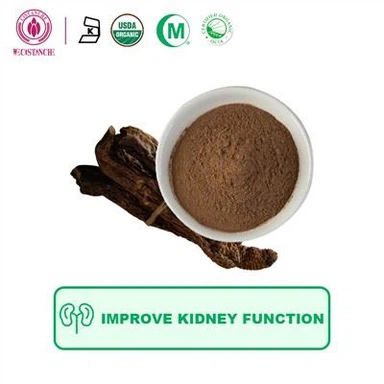
Traditional TCM literature records Cistanche Tubulosa nourishes essence‑qi and supports mental clarity. Modern pharmacological research helps Western product developers understand its working mechanisms. Its signature bioactive compounds are phenylethanoid glycosides: echinacoside and acteoside, which can cross the blood‑brain barrier and act directly within central‑nervous‑system tissue. High‑grade standardized Cistanche Tubulosa extract exerts multi‑pathway neuroprotective potential:
Mitigate beta‑amyloid‑related pathological damage: Restrain excessive beta‑amyloid aggregation and toxic oligomer formation, ease neuronal injury triggered by amyloid buildup, one hallmark feature of Alzheimer's pathology.
Activate Nrf2 antioxidant defense: Neutralize excess reactive oxygen species inside the brain, stabilize mitochondrial function and reduce oxidative stress‑driven neuron apoptosis.
Suppress chronic neuroinflammation: Inhibit over‑activated microglia and lower pro‑inflammatory cytokine release, breaking the vicious inflammatory cycle that accelerates cognitive deterioration.
Up‑regulate neurotrophic factors such as BDNF: Promote synaptic plasticity, sustain neuron‑to‑neuron communication and support memory‑related hippocampal neuron survival.
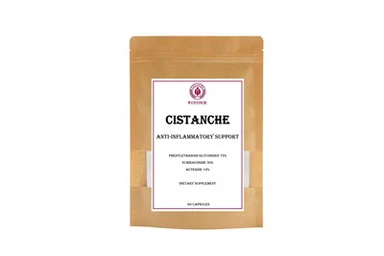
Why choose our standardized Cistanche Tubulosa extract? Cistanche Tubulosa cultivated in Xinjiang desert planting bases contains significantly higher concentrations of key phenylethanoid glycosides compared to other cistanche varieties. Our factory specializes in manufacturing high‑potency standardized Cistanche Tubulosa raw‑material extracts with elevated bioactive‑compound levels. Visit our company introduction page: https://www.xjcistanche.com/about‑us. Our premium‑activity extract serves as an excellent clean‑label raw‑material candidate for developing memory‑support, brain‑health and anti‑aging dietary‑supplement lines for global markets.
Important note: Cistanche Tubulosa extract is an auxiliary plant‑derived formulation ingredient. It cannot replace prescription medicines, clinical diagnosis or formal medical treatment for Alzheimer's disease.

Key Takeaways for Supplement Formulators
When developing cognitive‑health nutraceutical products, keep in mind Alzheimer's pathology involves protein aggregation, oxidative damage, neuroinflammation and synaptic loss. Single‑ingredient formulas seldom cover all these interconnected pathways. Standardized Cistanche Tubulosa extract brings multi‑target neuro‑protective value as a TCM‑origin clean‑label raw material. Before commercial production, formulators must verify raw‑material solubility, pH compatibility, effective working dosage and complete safety evaluation.
Natural botanical ingredients never replace healthy daily routines: quality sleep, exercise, social engagement and chronic‑disease management remain the foundation of long‑term brain defense. Whenever sustained memory decline appears, patients should seek timely professional neurological assessment.

Supportive Service Of Wecistanche-For more details about cooperation
Email:Lijianlin@wecistanche.com
Disclaimer: This article provides educational reference exclusively for dietary‑supplement industry formulators. Statements regarding cistanche benefits for Anti‑Alzheimer's disease are based on pre‑clinical laboratory research and traditional TCM applications, and are not medical advice. Cistanche Tubulosa extract is a dietary‑supplement raw material and shall not be used to diagnose, treat or cure Alzheimer's disease or other cognitive disorders. Final product performance depends on formulation technology, dosage and individual physical conditions. Mandatory safety and efficacy testing must be completed before market launch.