World Alzheimer’s Day: Understand Alzheimer’s Disease & Natural Brain‑Health Support From Cistanche Tubulosa
Sep 09, 2026
Many people have heard of Alzheimer's Disease (AD), yet most only associate it with simple forgetfulness. In reality, Alzheimer's is far more serious than occasional memory lapses. It is an irreversible neurodegenerative condition with no known cure at present. Observed globally on September 21, World Alzheimer's Day raises public awareness of this devastating illness, highlighting early warning signs, risk‑reduction strategies, care guidance, and emerging natural botanical support options for cognitive longevity.
Alzheimer's Disease manifests as progressive cognitive impairment, neuropsychiatric behavioural changes, and gradual loss of ability to carry out daily social and functional tasks. Official statistics estimate that more than 10 million adults aged 60 and above live with Alzheimer's across China alone. Globally, tens of millions of families face the heavy burden of dementia care.

A common source of public confusion lies in distinguishing normal age‑related forgetfulness from early‑stage Alzheimer's symptoms. Many older adults worry that minor memory slips signal dementia, yet mild benign age‑associated forgetfulness differs greatly from pathological cognitive decline.
Benign age‑related forgetfulness: People forget small details but retain core life‑related information. For example, they may momentarily blank on a vegetable name but still remember they need to buy groceries. They can readily recall the forgotten detail when prompted, and memory lapses do not disrupt normal daily routines.
Early‑stage Alzheimer's‑related memory loss: Memory impairment becomes persistent and disruptive. Individuals cannot retain information they just heard, repeatedly ask the same question throughout the day, and fail to retrieve memories even after family members give clear reminders.
Medical professionals stress: Memory trouble is just one red flag. Seek professional medical assessment if one or several of the following warning signs emerge, to achieve early diagnosis and timely intervention:
Noticeable memory decline that interferes with daily life
Difficulty completing familiar routine tasks
Trouble finding words, incoherent speech
Disorientation toward time, date and location
Deteriorated judgment and decision‑making capacity
Inability to finish scheduled responsibilities and chores
Frequently misplacing personal belongings
Sudden shifts in mood and behavioural patterns
Impaired visual‑spatial perception
Social withdrawal and altered personality

Simple At‑Home Cognitive Screening: The Clock‑Drawing Test
Early Alzheimer's does not appear out‑of‑the‑blue. The clock‑drawing test offers quick preliminary cognitive screening. Important note: This is only a screening tool and cannot replace formal clinical diagnosis.
Four scoring steps (total score 4):
Draw a complete closed circular clock face: 1 point
Mark all 12 hour‑scale marks fully around the dial: 1 point
Place numbers 1‑12 at correct positions on the clock face: 1 point
Draw hour‑hand and minute‑hand pointing to the target time correctly: 1 point
Screening reference outcomes: ‑ 3‑4 points: Cognitive function appears normal ‑ 2 points: Possible mild cognitive impairment, further medical check‑up recommended ‑ 1 point: Suggests relatively severe cognitive concerns, prompt clinical evaluation advised

Who Are At‑Higher Risk of Alzheimer's Disease?
Alzheimer's cannot be cured. As the condition advances, patients gradually lose self‑care capacity. They face elevated risks of falls, accidental medication overdose, getting lost, and other life‑threatening incidents. Early prevention and risk mitigation are extremely vital.
Key high‑risk groups include:
Seniors aged 65 and older; female individuals; people with a family history of Alzheimer's Disease
Individuals who have sustained traumatic head injury and brain impact damage
Patients living with diabetes, hypertension, and dyslipidaemia
People with lifestyles featuring heavy alcohol intake, tobacco smoking, chronic sleep deprivation, and obesity
Long‑term dietary patterns with excessive dried‑fruit consumption
Lifestyle modification represents the cornerstone of Alzheimer's risk reduction. Four core prevention principles are widely recognised:
1. Optimise your diet Follow balanced dietary guidance: fixed timing, portion and quality of meals; high‑protein, high‑unsaturated‑fatty‑acid, high‑vitamin intake; low‑fat, low‑calorie, low‑salt eating habits; and complete tobacco and alcohol avoidance.
2. Stay physically active Complete no less than 150 minutes of moderate‑intensity exercise weekly, or a minimum of 75 minutes of high‑intensity physical activity.
3. Keep your brain active Engage in reading, writing, critical thinking and other intellect‑stimulating activities at least twice weekly.
4. Maintain social engagement Take part in social activities no fewer than two times weekly. Stay optimistic, keep regular communication with others, sustain positive interpersonal connections. External mental stimulation helps slow brain‑function degeneration.

Cistanche Tubulosa: TCM‑Derived Botanical Supporting Brain Longevity ‑ Cistanche benefits for Anti‑Alzheimer's Disease
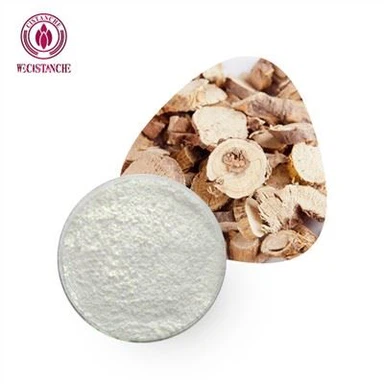
Alongside mainstream lifestyle‑based prevention, modern pharmacological research has shed light on promising neuroprotective properties of Cistanche tubulosa, a well‑documented traditional Chinese medicinal herb nicknamed "Desert Ginseng"PMC. It stands out among natural botanicals for its potential supporting role against Alzheimer‑linked pathological changes, making cistanche extract a growing subject of interest for natural cognitive‑health product developers worldwide.
Traditional Chinese medicine applies Cistanche tubulosa for holistic body nourishment. Today, modern lab and pre‑clinical research dissect its bioactive phenylethanoid glycosides (PhGs), chiefly echinacoside and acteoside (verbascoside) - compounds responsible for most of cistanche's neuroprotective activity. Multiple pre‑clinical studies demonstrate how cistanche tubulosa extract may deliver cistanche benefits for anti‑Alzheimer's disease through multi‑target pathways: ‑ Antioxidative defence: Neutralise excess oxidative stress inside brain neurons, protecting brain cells from oxidative damage that fuels neurodegeneration. ‑ Modulate neuroinflammation: Help suppress over‑activated neuro‑inflammatory signalling cascades, reducing chronic inflammation within nervous tissue, one major driver of AD progression. ‑ Support synaptic plasticity: Promote brain‑derived neurotrophic factor (BDNF)‑related signalling, supporting synaptic integrity and memory‑related neuron communication. ‑ Regulate the gut‑brain axis: Cistanche tubulosa glycosides help rebalance gut microbiota composition, which indirectly mitigates neuroinjury via gut‑brain communication pathways, a key research focus for dementia intervention today. ‑ Modulate amyloid‑beta and tau‑pathology markers in pre‑clinical AD models, lowering abnormal protein aggregation that characterises Alzheimer's pathologyPMC.

Supportive Service Of Wecistanche-For more details about cooperation
Email:Lijianlin@wecistanche.com
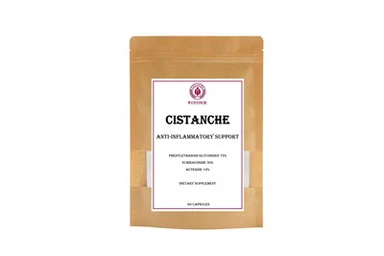
Not all cistanche raw materials are equal. Our factory specialises exclusively in Cistanche tubulosa extract, which contains significantly higher concentrations of these critical active phenylethanoid glycosides compared with other cistanche species. Higher bioactive content translates to stronger neuro‑supporting potential for finished supplement formulations. If you are a brand formulator sourcing raw material for cognitive‑support dietary supplements, our high‑potency cistanche tubulosa extract provides consistent, standardised active‑compound levels ideal for product development. You can visit our company introduction page: https://www.xjcistanche.com/about‑us for further factory‑profile and product‑specification details.
Important clarification: Cistanche tubulosa extract is a botanical raw material for dietary supplement formulation. Existing positive evidence mainly comes from cell‑based and animal pre‑clinical trials. It cannot cure, treat or reverse Alzheimer's Disease. It works as a natural supporting ingredient for long‑term brain wellness, complementary to healthy lifestyle routines.

Family Care Guidance for Alzheimer's Patients
As Alzheimer's progresses, patients face growing barriers in self‑expression, logical reasoning and comprehension. Care strategies adapt across three disease stages:
Early‑stage Alzheimer's: Encourage and supervise patients to maintain independence. Allow them to complete achievable daily tasks and keep appropriate social participation to preserve remaining social function.
Middle‑stage Alzheimer's: Offer practical assistance and constant companionship. Supervise daily routines such as dressing. Always accompany patients going outdoors to prevent wandering‑off accidents. Prioritise emotional comfort and behavioural‑symptom management.
Late‑stage Alzheimer's: Deliver comprehensive round‑the‑clock care with strict safety precautions. Prevent high‑risk complications including infection, bone‑fracture falls and choking hazards. Meanwhile, sustain balanced nutrition and manage hypertension, hyperglycaemia and dyslipidaemia; controlling cardiovascular risk factors effectively slows disease advancement.

Disclaimer
This article serves purely for educational and general‑awareness purposes. It is not medical advice and cannot substitute for professional physician diagnosis, treatment or medical guidance. Cistanche tubulosa extract statements have not been evaluated by the FDA or other global medical regulatory authorities. This botanical raw material is not intended to diagnose, treat, cure or prevent any disease. Always consult a qualified healthcare provider before using any herbal supplement, especially for individuals with existing illness or who take prescription medications.