An Empirical Prescription For Treating Parkinson's Disease: Six Herbs With Warming And Tonifying Effects, Nourishing Kidney Yang And Liver Blood
Feb 11, 2025
Parkinson's disease is a chronic progressive disorder. Its clinical manifestations can be categorized into two main types. The first is motor symptoms, which are commonly observed as limb stiffness, resting tremors, and slowed - down movements. The second is non - motor symptoms, including sleep disorders, constipation, orthostatic hypotension, as well as symptoms of depression and anxiety. From a modern medical perspective, these non - motor symptoms often appear earlier than motor symptoms and persist throughout the entire course of the disease. Currently, Western medicine can only control the symptoms of this disease but cannot halt its progression. Moreover, the efficacy of long - term use of Western medications tends to decline.
Traditional Chinese medicine emphasizes the holistic concept and has certain advantages in treating these non - motor symptoms. Here, we would like to share the "Warming the Kidney and Nourishing the Liver Decoction." This prescription has shown certain curative effects in improving the conditions of Parkinson's disease patients with liver - kidney deficiency syndrome (mainly insufficient kidney yang, accompanied by liver blood deficiency).
The composition of the prescription is as follows: 20g of Cistanche, 15g of stir - fried Paeonia lactiflora, 10g of Lindera aggregata, 10g of Alpinia oxyphylla, 15g of Dioscorea opposita, and 14g of Uncaria rhynchophylla (added later). It is decocted in water, one dose per day, and taken in two divided doses.
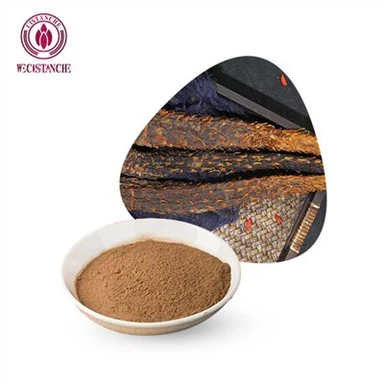
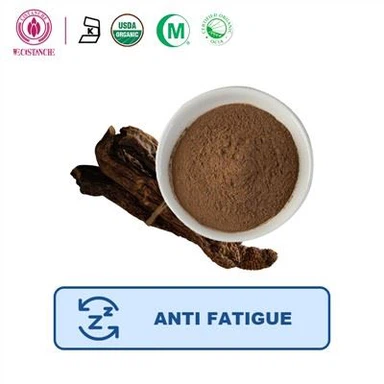
For those with insufficient kidney yang, the treatment principle is to nourish kidney water with an emphasis on warming yang. In this prescription, Cistanche tastes sweet and salty, with a warm nature. It can warm and strengthen kidney yang, replenish essence and blood, and also moisten the intestines to relieve constipation. Why is Cistanche used? Because Parkinson's disease patients often experience an increased frequency of nocturia, cold pain in the lower back and knees, and reduced sexual function. Cistanche can effectively warm and tonify kidney yang. Paeonia lactiflora tastes sweet and is warm in nature. It can nourish blood, soothe the liver, and relax the tendons. Uncaria rhynchophylla can calm the endogenous wind, relieve convulsions, and clear heat to soothe the liver. Lindera aggregata warms the kidney, promotes qi circulation, and reduces urination and prevents enuresis. Alpinia oxyphylla warms the kidney, consolidates essence, calms the endogenous wind, and relieves convulsions. Although this prescription only consists of six herbs, it has both warming and tonifying effects, capable of warming kidney yang and nourishing liver blood.
Ancient and modern physicians generally believe that the main location of Parkinson's disease lies in the liver and kidney. "The Heart Book of Bian Que - Hand Tremor Disease" mentions, "The four limbs are the foundation of yang qi. When yang qi is abundant, the four limbs are strong, and the body is agile. If the hands and feet tremble and cannot hold objects, it indicates a deficiency of true yuan." Therefore, the kidney governs the yang qi of the whole body. When kidney yang is deficient, body fluids cannot be normally transported and distributed. The tendons and muscles of the four limbs lose warmth and nourishment, and patients will show limb tremors and increased muscle tone. When yang qi is deficient and fails to fix and control, sweating occurs. The waist is the residence of the kidney. When kidney yang is deficient and fails to warm and nourish the waist, knees, and tendons, there will be soreness and cold pain in the lower back and knees. When kidney yang is deficient, the kidney's function of steaming, qi - transforming, and fluid - metabolism is impaired, and the bladder's opening and closing are abnormal, resulting in frequent urination. The deficiency of kidney yang and the damage to the true yuan disrupt the balance of yin and yang of the essence and qi in the kidney. Since the kidney stores essence, governs the bones and generates marrow, and the brain is the sea of marrow, its functions will be abnormal. When the brain - marrow is abundant, the body has a clear consciousness and quick thinking; otherwise, cognitive impairment and decreased intelligence will occur. Therefore, when kidney yang is deficient and kidney essence is disharmonious, it cannot play the role of generating marrow. The bone - marrow and brain - marrow lack nourishment, and then the clinical symptoms of Parkinson's disease appear. Based on this, when treating Parkinson's disease, it is necessary to replenish essence and marrow while warming kidney yang to make kidney yang sufficient and the sea of marrow full.

The liver governs the tendons, and the tendons are responsible for movement. Only when the tendons are warmed by qi and nourished by blood can they function properly. Therefore, when liver blood is insufficient and unable to warm and nourish the tendons, the tendons will contract and spasm, leading to related symptoms of Parkinson's disease, such as limb stiffness, slow movement, easy fatigue, and hand - foot tremors. The liver stores the soul. When liver blood is insufficient, the soul is restless, and the heart loses its control. Thus, symptoms such as insomnia, 多梦,being easily startled, and irritable will occur. Therefore, aiming at the pathogenesis of "deficiency of kidney yang and liver blood," the treatment method of warming the kidney and nourishing the liver can achieve good clinical results.
In clinical diagnosis and treatment, it is necessary to make corresponding adjustments according to the patient's clinical manifestations. For example, if accompanied by insomnia, drugs that tonify qi, strengthen the spleen, nourish blood, and calm the mind, such as Poria cocos, Atractylodes macrocephala, Astragalus membranaceus, and Codonopsis pilosula, are often added. For patients with abdominal distension and poor appetite, drugs that regulate qi and wake up the spleen, such as Hawthorn, Medicated Leaven, Germinated Setaria italica, Germinated Hordeum vulgare, Tangerine Peel, and Magnolia officinalis, are used. For those with anxiety and depression, herbs that soothe the liver and relieve depression, such as Mentha haplocalyx, Bupleurum chinense, and Curcuma aromatica, are added. In general, adhering to the clinical thinking of the holistic concept and syndrome - differentiation treatment, observing the progression and changes of the disease, and adjusting the formula and medication, with the fundamental principle of warming the kidney and nourishing the liver, can achieve good results.
Cistanche and Constipation: A Gentle and Effective Remedy
One of the most common concerns among patients, especially those with Parkinson's disease, is constipation. In modern medicine, constipation is often caused by a variety of factors. For Parkinson's disease patients, in addition to the common causes such as an unbalanced diet lacking in dietary fiber, a sedentary lifestyle, and certain medications, the disease itself can also affect the nervous system's regulation of the digestive tract, leading to weakened intestinal peristalsis. Constipation can bring a great deal of discomfort, including abdominal pain, bloating, and a sense of incomplete evacuation. It can also have a negative impact on the overall health of patients, affecting their quality of life and potentially exacerbating other symptoms.
Cistanche offers a natural and gentle solution for constipation. It contains dietary fiber and other substances that play a crucial role in promoting healthy digestion. The dietary fiber in Cistanche can absorb water in the intestines, increasing the volume of feces and making them softer. This is especially important for those who struggle with hard and dry stools. When feces become softer, they are easier to pass through the intestines, reducing the pain and discomfort associated with constipation.

Moreover, Cistanche can stimulate intestinal peristalsis. It promotes the rhythmic contractions of the intestinal muscles, which helps move feces along the digestive tract. This gentle stimulation is different from the harsh effects of some chemical laxatives. Chemical laxatives may cause sudden and strong bowel movements, often accompanied by abdominal cramps and potential electrolyte imbalances. In contrast, Cistanche acts gently, providing a more comfortable and sustainable way to relieve constipation without the risk of these harsh side effects. It is especially suitable for Parkinson's disease patients, who may have sensitive digestive systems due to their underlying condition.
Clinical studies have shown that Cistanche can effectively improve the symptoms of constipation. In a research involving a group of Parkinson's disease patients with constipation, those who took Cistanche - based supplements for a certain period experienced a significant increase in the frequency of bowel movements and a decrease in the difficulty of defecation. Their overall quality of life was also improved as the discomfort of constipation was alleviated.
Beyond Constipation: Other Potential Benefits and Considerations
In addition to its effectiveness in relieving constipation, Cistanche has many other potential benefits. Modern medical research has found that Cistanche contains various bioactive substances such as phenylethanoid glycosides, polysaccharides, and alkaloids. These components endow Cistanche with antioxidant, anti - inflammatory, and immune - regulating properties.
Antioxidants in Cistanche can scavenge free radicals in the body. Free radicals are unstable molecules that can cause damage to cells and contribute to the aging process and various diseases. By neutralizing these free radicals, Cistanche helps protect cells from oxidative stress, which is beneficial for maintaining overall health and potentially reducing the risk of chronic diseases such as heart disease and cancer.

Cistanche also shows potential in regulating the endocrine system. It may help balance hormones in the body. For men, it can improve sexual function by enhancing libido and sperm quality. For women, it may relieve symptoms related to hormonal imbalances, such as menstrual irregularities.
However, like any herbal supplement, Cistanche should be used with caution. It may interact with certain medications. For example, if you are taking medications for high blood pressure, diabetes, or other chronic conditions, it is important to consult a healthcare professional before using Cistanche. Also, people with certain health conditions, such as kidney problems or allergies, should seek medical advice before incorporating Cistanche into their diet.
In conclusion, Cistanche is a remarkable herb with a wide range of potential benefits. Whether you are dealing with constipation, aiming to boost your immune system, or seeking natural ways to improve your overall health, Cistanche could be a valuable addition to your health routine. But always remember to prioritize your health and make informed decisions. If you have any questions or concerns, don't hesitate to consult a healthcare provider. By understanding the properties and proper usage of Cistanche, we can better harness its power to improve our well - being and enjoy a healthier life. For Parkinson's disease patients, in particular, Cistanche may offer a natural and gentle way to address constipation and potentially provide other health benefits. However, it should always be used in conjunction with appropriate medical treatment under the guidance of a doctor.