Antidepressant Activity Of Cistanche And Its Metabolism in Vivo And in Vitro
Mar 10, 2022
Contact: Audrey Hu Whatsapp/hp: 0086 13880143964 Email: audrey.hu@wecistanche.com
Abstract
Cistanche deserticola is the dry fleshy stem with scale leaves of Cistanche deserticola YC Ma or Cistanche deserticola YC Ma or C. tubulosa (Schenk) R.Wight. It has the functions of nourishing kidney yang, nourishing essence and blood, moistening intestines, and laxatives. It is a famous tonic Chinese medicine. Modern pharmacological studies have confirmed that Cistanche has a significant neuroprotective effect, and its antidepressant effect has also been confirmed in recent years, but the basis and mechanism of its antidepressant active substances have not yet been fully elucidated. Based on the traditional efficacy of Cistanche tubulosa, we conducted research on depressive activity and metabolism in vivo and in vitro and summarized the research ideas here to provide data and reference for the development of drugs related to antidepressant efficacy of cistanche in the later period.
Keywords: Cistanche tubulosa depression, metabolism, activity

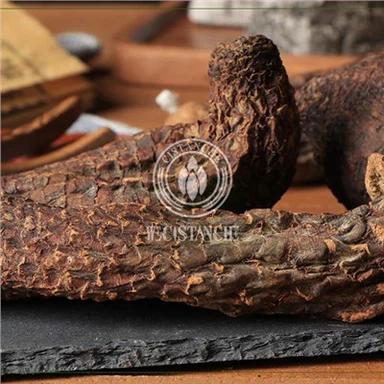
Cistanche deserticola YC Ma
Depression is a disease characterized by mood disorders. The main manifestations include sadness, loss of interest, anhedonia, loss of appetite, guilt, low self-worth, sleep disorders, fatigue, poor concentration, etc. [1], even in severe cases Suicidal ideas and behaviors have become the disease with the highest suicide rate in psychiatric. According to statistics from the World Health Organization in 2017, there are an estimated 350 million people with depression worldwide. By 2020, it will become the second most common disease in the world, with an incidence rate of up to 20% [2,3].
Depression is a complex mental illness caused by many factors including heredity, development, living environment, etc.[4,5], among which stress is considered to be the main cause of depression[6].
At present, the main drugs for clinical treatment of depression include tricyclic antidepressants, monoamine oxidase inhibitors, and selective serotonin reuptake inhibitors. These drugs generally have disadvantages such as narrow antidepressant spectrum, drug resistance, and large side effects [7-11]. Because the pathogenesis of depression is more complicated and there are many predisposing factors, it is often difficult to achieve satisfactory results with drugs aimed at a single link. Therefore, in the development of antidepressants, domestic and foreign researchers are paying more and more attention to the development and application of natural medicines that are safer, more efficient, and have fewer side effects [12-14].
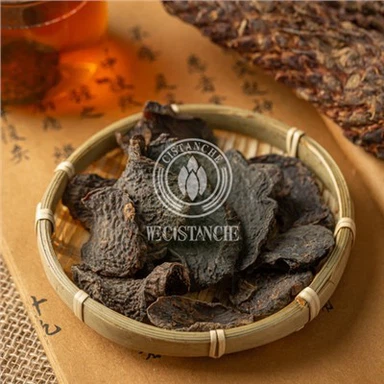
Cistanche tubulosa is the dry, scaly, fleshy stem of Cistanche deserticola (hereinafter referred to as "Desert Cistanche") [15,16]. It is a well-known tonic traditional Chinese medicine. It has the effects of nourishing kidney yang, nourishing essence and blood, and moisturizing bowel. It is often used for deficiency of kidney yang, deficiency of essence and blood, impotence and infertility, weakness of waist and knees, weakness of muscles and bones, dry intestines, and constipation. It is the most frequently used kidney yang medicine in the past. Starting from the traditional efficacy, based on its chemical composition and related reports, we have carried out the exploration of the antidepressant activity of Cistanche and its metabolism in vivo and in vitro. This article summarizes and summarizes the research ideas and provides data and references for the later development of drugs related to the antidepressant efficacy of Cistanche.

Cistanche deserticola has many effects, click here to know more
1. Cistanche antidepressant activity
At present, drugs for clinical treatment of depression generally have disadvantages such as narrow antidepressant spectrum, drug resistance, and large side effects (gastrointestinal reactions, sexual dysfunction, headache, insomnia and skin rash). The first-line antidepressants in clinical use, such as venlafaxine and fluoxetine [17,18], have serious side effects such as cardiotoxicity, hypertension, sexual dysfunction, and sleep disorders [19].
It is particularly noteworthy that a study showed that 59.1% (604/1022) of the patients who used antidepressants had the toxic side effects of sexual dysfunction, and about 40% of depression patients had sex caused by antidepressants. Dysfunction is regarded as an unacceptable side effect, which seriously affects drug compliance [20]. Among them, norepinephrine reuptake inhibitors and serotonin reuptake inhibitors have the highest incidence of sexual dysfunction [21,22]. Therefore, in view of the current clinical treatments for depression and the drawbacks of existing drugs, Cistanche, as the most frequently used kidney-yang medicine in the past, will have great research significance and application value.
1.1 Traditional efficacy and antidepressant activity of Cistanche
Cistanche has a long history of use, and it has been recorded in all dynasties of herbal medicine. The medicinal properties and effects of Cistanche were first seen in the "Shen Nong's Materia Medica", which was listed as the top grade, containing: "cistanche, sweet, slightly warm. Treats five labors and seven injuries, nourishes the middle, removes the cold and heat pain of the stem, nourishes the five internal organs, strengthens the yin, Replenishes vital energy, has many children, women's disease, dysplasia, long service, and light body"[23]. "Medicinal Nature Theory" contains: "cistanche, beneficial marrow, joyful color, prolonged life, treatment of women's blood collapse, impotence, day imperial doubling, and replenishment. Mainly red and white, replenishing essence and failure, black face, fatigue" [24]. "Pictures of Materia Medica" contains: "cistanche, Westerners mostly use it as food, scrape off the scales, wash with wine, remove the black juice, thinly sliced, and combine sweet potato and mutton as a soup. It is very beautiful and beneficial to people. Take tonic" [25]. "Ben Cao Bei Yao" records that Cistanche cistanche "replenishes vitality, nourish the five internal organs and strengthens the marrow and tendons" [26]. A record in the 2015 edition of the Chinese Pharmacopoeia: "Sweet, salty, warm. Return to the kidney and large intestine meridian. To invigorate the kidney yang, nourish the essence and blood, moisturize the intestines and relax the bowels. Used for insufficient kidney yang, deficiency of essence and blood, impotence and infertility, waist Sore knees, weak muscles and bones, dry intestines and constipation" [27].
"Summary of Materia Medica" also contains descriptions of Cistanche for treating neurasthenia and impotence [28], indicating that the traditional effects of Cistanche include antidepressant effects. Therefore, Cistanche has been used to treat depression and other nervous systems in ancient times.
1.2 The chemical composition and antidepressant activity of Cistanche
The research on the chemical constituents of Cistanche began in the early 1980s, and studies have confirmed [29] that Cistanche mainly contains phenylethanoid glycosides, iridoids, and their glycosides, lignans and their glycosides, benzyl alcohol glycosides, Sugar alcohols, oligosaccharides and polysaccharides, volatile oils and other ingredients. So far, more than 100 kinds of compounds have been discovered from Cistanche deserticola, including 120 species of desert cistanche and 75 species of cistanche. With the development of science and technology and the in-depth exploration of the efficacy of Cistanche, a series of progress has been made in the research on the efficacy and pharmacological activity of Cistanche in recent years. Modern pharmacological activity studies have confirmed that Cistanche has neuroprotective effects [30-34]. Especially phenethyl alcohol in Cistanche cistanche
The "cistanche total glycosides" capsules with glycosides as the main ingredient are used in the clinical treatment of Alzheimer's disease [35]. Phenyl ethanol glycosides can increase the expression of tyrosine hydroxylase in the substantia nigra and the content of Dopamine (DA) in the striatum to play an anti-Parkinson effect. The "monoamine transmitter imbalance hypothesis" of the pathogenesis of depression believes that the brain area DA etc.
The reduction of neurotransmitter synthesis and release is one of the pathogenesis of depression [36,37].
Therefore, the phenoxyethanol glycosides in Cistanche may have antidepressant activity. In addition, iridoid glycosides are one of the main chemical components of Cistanche cistanche, and catalog and geniposide in iridoid glycosides have been proven to improve depression[38,39]. Therefore, we speculate that Cistanche may have some antidepressant activity.
1.3 Experimental study on the antidepressant activity of Cistanche
According to reports [40], Cistanche phenylethanoid glycosides can adjust depression-like behaviors in mice with perimenopausal syndrome. The mechanism may be through regulating the estrogen disorder of the model mice, thereby improving monoamine nerves in the brain. Transmitter level. Wang et al. [41] found that the decoction of Cistanche cistanche can change
The accumulated immobility time of the tail suspension experiment of Shan mice has good antidepressant activity. Our research has shown [29] that Cistanche tubulosa can significantly improve the depression-like behavior characteristics of mice in a desperate environment; continuous administration of Cistanche tubulosa extract can significantly improve the obsessive-compulsive behavior of rats with depression caused by chronic unpredictable stimuli. Depression-like behavioral characteristics shown in behavioral tests such as swimming, sucrose preference, open field experiment, and new environment eating inhibition. The further separation and screening of Cistanche tubulosa extract found that [29], the 2 parts can significantly reduce the cumulative immobility time in the mouse tail suspension experiment, and the activity is better than other polar parts. The main components of Fr. 2 part include 3 iridoid glycosides, 2 phenethyl alcohol glycosides, and 2 phenol glycosides, among which iridoid glycosides 6-deoxycatalpol and 8-epiloganic acid have the highest content. It has been reported in the literature [38,39] that both iridoid compounds catalpol and geniposide have antidepressant activity, and 6-deoxycatalpol (6-deoxycatalpol) present in Fr. 2 site is catalpol The structural analogs of 8-epiloganic acid and glucoside are structural analogs of geniposide, suggesting that iridoid glycosides may be one of the antidepressant substances of Cistanche tubulosa. In addition, Fr. 2 also contains some phenethyl alcohol glycosides, and the antidepressant activity of Cistanche tubulosa extract is higher than the antidepressant activity of its polar parts. The synergistic effect of the polar parts produces antidepressant activity. The results in this respect need to be further confirmed. Subsequent studies need to further separate the chemical components of Cistanche and evaluate the antidepressant efficacy.
1.4 Study on the mechanism of antidepressant activity of Cistanche
Although the antidepressant activity of Cistanche has been confirmed, the basis and mechanism of its active substances have not been fully elucidated. Our research shows that [29], Cistanche tubulosa extract can significantly increase the expression of 5-HT and BDNF in the hippocampus of depression model rats, increase the expression of 5-HT in the colon, and can significantly
It can improve the atrophy of hippocampal neuron cells in rat brain tissue and has a neuroprotective effect. According to reports, catalpol, an iridoid glycoside component, can also improve depression by restoring HPA axis dysfunction, up-regulating the expression of brain-derived neurotrophic factors and other mechanisms. Geniposide can achieve antidepressant effects by adjusting the HPA axis [ 38,39]. These results suggest that iridoid components may be one of the bases for the antidepressant activity of Cistanche tubulosa, and Cistanche tubulosa extract may stimulate the synthesis of 5-HT in the colon and increase 5-HT content in the body, thereby increasing 5-HT in the body. Expression in the brain increase the protective effect of BDNF on brain nerve cells in order to achieve the purpose of anti-depression. However, the relevant molecular mechanism of the target of the antidepressant pharmacological activity of Cistanche Tubulosa is still unclear. For example, which neurotransmitter regulating receptor and neurotrophic factor regulating receptor play a related role need to be further studied.
A large number of studies in recent years have confirmed that the intestinal flora can affect the physiological functions, emotions, and behavioral characteristics of the central nervous system by affecting the "gut-brain axis". It has been reported [42,43] that depression is closely related to the "gut-brain axis", and changes in the intestinal flora are likely to affect the immune system, hypothalamic-pituitary-adrenal axis neurotransmitter signals, and other mechanisms To affect depression. Our research has also proved that Cistanche tubulosa can regulate the production of short-chain fatty acids in the intestinal flora and intestinal flora metabolites that cause chronic and unpredictable stimulation of depression in rats, and restore the structural stability of the intestinal flora. Correlation analysis found that [29], Cistanche tubulosa depression improving the intestinal flora of rats is related to the improvement of depression-related indicators, indicating that Cistanche tubulosa extract may disturb the body's intestinal bacteria structure and composition, thereby disturbing Monoamine neurotransmitters in the brain, neurotrophic factors in the brain, serotonin in the colon, and changes in the production of short-chain fatty acids to achieve the purpose of antidepressant.

2 Research on the metabolism of Cistanche in vivo and in vitro based on the metabolism of the gastrointestinal tract
The characteristic of traditional Chinese medicine is oral, which determines that the effect of traditional Chinese medicine is closely related to gastrointestinal function. In recent years, the discovery of the qualitative basis of Chinese medicine based on gastrointestinal metabolism and the antidepressant pharmacological mechanism based on the "gut-brain" axis has attracted more and more attention from researchers. generally
The strong acidic environment of the stomach and the presence of pepsin can hydrolyze glycosides into sugars, secondary glycosides or aglycons, intestinal digestive enzymes (mainly pancreatin) in the intestinal juice of the small intestine, and metabolic enzymes in the epithelial cells of the intestinal wall (including abundant Phase I metabolic enzymes and phase II metabolic enzymes), as well as the metabolic enzymes produced by the intestinal flora, will cause various biological transformations of Chinese medicine components. Therefore, a systematic study of the gastrointestinal biotransformation process of traditional Chinese medicine components is of great significance for elucidating the qualitative basis of traditional Chinese medicine. For example, echinacoside, one of the main active ingredients and symbol components of Cistanche, pharmacokinetic studies have confirmed that the oral absolute bioavailability (F, %) of echinacoside is only 0.83%, and its Tmax is only 15 min, T1 /2 is 74.4 min [44]. In addition, in the Caco-2 cell model, its intestinal permeabilization. The overrate is also extremely low (Papp AP to BL = 0.98 × 10⁻⁷ cm·s-1) [45], this seems
The contradictory results suggest that echinacoside is very likely to produce active metabolites after being metabolized in the gastrointestinal tract and be absorbed into the bloodstream to exert its efficacy. Studies have shown [46] that echinacoside is quickly metabolized into caffeic acid and hydroxytyrosol (HT) in human intestinal bacteria, and caffeic acid will continue to be metabolized to 3-hydroxy in the intestinal bacteria. Phenylpropionic acid. Caffeic acid, 3-HPP, and hydroxy Glytyrosol has the same anti-oxidant [47,48], anti-inflammatory [49,50] and neuroprotective [51,52] biological activities as echinacoside and verbascoside, so it can be inferred that phenylethanoid glycosides Mainly in the form of prodrugs, after oral administration, they are metabolized by the intestinal flora into hydroxytyrosol and 3-HPP with the same activity. After being absorbed into the blood, they cooperate to exert corresponding pharmacological effects. The internal and external metabolism studies of the decoction of Cistanche cistanche decoction have proved [29] that the main chemical components of phenylethanoid glycosides are metabolized by the gastrointestinal tract to produce metabolites with the same activity as the prototype components. Derivative 3-hydroxy phenylpropionic acid, iridoid glycosides are metabolized into their aglycones.

Compared with the intestinal flora of healthy people, the relative abundance of Bacteroides, Proteobacteria, and Actinomycetes in the intestinal flora of depression patients showed an increasing state, and Firmicutes showed a downward trend [53]. These changes, in addition to affecting the physiological state of patients, are bound to affect the metabolic enzymes and their activities of various metabolic reactions produced by the intestinal flora, and then affect the entire process of oral drug metabolism in the gastrointestinal tract. Therefore, it is more clinically meaningful to study the gastrointestinal metabolism of Cistanche tubulosa in the pathological state of depression. Studies have shown [29] that the metabolic difference of Cistanche tubulosa extracts in the intestinal flora of normal and depression rats is mainly reflected in the metabolic process, and the desugar reaction and isomerization reaction ability of pathological rat intestinal flora is significantly weaker than The intestinal flora of normal rats and the metabolic capacity of the intestinal flora of depression rats are significantly weaker than that of normal rats. The difference in the metabolism of Cistanche tubulosa extract in normal and depressed rats has been proved to be mainly manifested in the pathological phase II metabolism and the slowing down of excretion rate in rats. The reason may be that the pathological state of depression leads to the decline of metabolic capacity and metabolism in rats. Decrease in enzyme levels. Phenyl ethanol glycosides in Cistanch are metabolized by the intestinal flora of depression rats into hydroxytyrosol, caffeic acid (with definite antidepressant activity), 3-hydroxy phenylpropionic acid, and iridoid glycosides are metabolized As its aglycon, its gastrointestinal metabolites are more easily absorbed into the blood through the intestine to exert its efficacy. Therefore, due to changes in the levels of intestinal flora and metabolic enzymes in the body under pathological conditions, there are certain differences in the metabolic processes of drugs in the body under the normal body and depression pathological conditions. However, most metabolic studies usually only focus on the metabolism in the normal body, so the clinical reference value of the data obtained is very limited. The study of the internal and external metabolism of drugs under pathological conditions, and the comparison with the normal internal and external metabolism of drugs, have more clinical guiding significance and are also more conducive to the elucidation of the drug's mechanism of action and related material basis.

3. conclusion
Depression is a common mood disorder induced by multi-factor interaction, which seriously threatens human health. Since the mechanism has not been fully elucidated, research on its prevention has been hindered. At present, common drugs in clinical treatment can improve the symptoms, but there is still no cure, and the side effects are serious. Traditional Chinese medicine has rich experience in the prevention and treatment of depression. Cistanche is a well-known tonic Chinese medicine. It has been recorded in the treatment of depression and other neurological diseases in ancient traditional functions. At the same time, it is the most frequently used kidney-yang medicine in the past. It has a good antidepressant effect, at the same time, it can also solve the clinical treatment of depression and the drawbacks of existing drugs, and improve sexual dysfunction, which will have great research significance and application value. Modern pharmacology has also confirmed that its main chemical components and extracts have strong antidepressant activity. Therefore, it is an effective way to find effective and low-toxic drugs for depression from the traditional medicine Cistanche. On this basis, based on the key role of gastrointestinal metabolism in the development of drug efficacy, fully clarify the basis and mechanism of its antidepressant active substances in the body from the perspective of gastrointestinal metabolism, which is important for the development and promotion of Cistanche-related antidepressant drugs significance.