Association Between Use Of Nutrition Labels And Risk Of Chronic Kidney Disease: The Korean National Health And Nutrition Examination Survey (KNHANES) 2008–2019
Jul 04, 2023
SUMMARY
1. Objective
In Serbia, the coronavirus disease 2019 (COVID-19) pandemic began in early March 2020.
This study aims to summarize the clinical experience in the treatment of COVID-19-associated acute kidney injury by methods of continuous renal replacement therapy (CRRT) with a focus on the amount of the administered dose of unfractionated heparin.
2. Methods
The study covers 12 patients treated with CRRT at the Clinic for Infectious Diseases at the Clinical Center of Vojvodina from March 6 to May 20, 2020. Antithrombotic prophylaxis, risk of venous thromboembolism (VTE), applied therapy, biochemical parameters before and after CRRT, anticoagulation, and other CRRT parameters were analyzed.
3. Results
The mean age of the patients was 61.54 ± 10.37 years and seven (58.3%) were men. All the patients received standard thromboprophylaxis. Nine (75%) patients had a Padua Prediction Score for Risk of VTE ≥ 4, but none developed a thrombotic event. Seven critically ill patients with multi-organic dysfunction developed acute kidney injury dependent on CRRT. The mean CRRT dose was 36.6 ml/kg/h, the mean bolus dose of unfractionated heparin was 3250 ± 1138.18 IU, and the continuous dose was 1112.5 ± 334.48 IU/kg/h. Discontinuation of CRRT due to the clotting circuit was necessary for only the patient. The values of leukocytes, AST, ALT, GGT, aPTT, and PT were significantly higher after CRRT compared to urea, creatinine, potassium, chlorine, and magnesium, whose values were significantly lower.
4. Conclusion
In our COVID-19 patients who had high inflammatory parameters and D-dimer and an estimated risk of developing deep vein thrombosis, the implementation of pre-dilution continuous venovenous hemodiafiltration with antithrombotic membrane and ¹/₃ to ¹/₂ higher unfractionated heparin doses than the recommended one, the filter life lasted longer with no complications.
5. Keywords
COVID-19; continuous renal replacement therapy; acute kidney injury; thrombotic events.

Click here to buy the Cistanche supplement
INTRODUCTION
Acute kidney injury (AKI) is frequently present in critically ill patients, especially in patients with severe infections and it is related to significant morbidity and mortality rates [1].
A meta-analysis that included 20 journals and 6945 patients showed an 8.9% prevalence of AKI in patients with COVID-19, although statistical heterogeneity between studies was found [2]. According to previous studies, renal replacement therapy (RRT) is required by 25% of severely ill COVID-19 patients [3].
Several studies have shown that the course of COVID-19 can lead to diverse thrombotic complications caused by inflammation, hypoxia, disseminated intravascular coagulation as well as certain study drugs [4]. These drugs can be the cause of severe interactions with antithrombotic therapy or anticoagulants [5].
The most common hemostatic abnormalities in COVID-19 are mild thrombocytopenia and an elevated level of D-dimer, which is related to a higher possibility of the need for mechanical ventilation (MV), ICU admittance, or lethal outcome [6]. It is believed that the severity of the disease is linked to a prolonged prothrombin time (PT) and international normalized ratio (INR), thrombin time (TT), and the shortened activated partial thromboplastin time (aPTT) [4]. The latter consideration refers to the relation of hemostatic changes with liver dysfunction in COVID-19 patients [7]. An elevated level of D-dimer is likely to cause thrombotic complications in COVID-19 patients [8].
Recent studies have reported the presence of venous thromboembolism (VTE) that are pulmonary embolism found in 16.7–35% of patients with cumulative frequency up to 49% in 14 days [9, 10].
Although RRT treatment can be related to a higher bleeding rate, a great prevalence of VTE supports the use of thromboprophylaxis in the absence of active bleeding or severe thrombocytopenia [11].
In the cases of AKI, continuous renal replacement therapy (CRRT) is a preferred treatment modality due to its lesser impact on hemodynamic stability and adequate volume control. However, the exposure of blood to the artificial circuit leads to blood clotting and it can cause thrombosis with a greater loss of blood, which results in the additional burden of medical staff and increased expenses [12]. To diminish the risk of circuit thrombosis, regional anticoagulation with citrate or heparin (unfractionated heparin (UFH) or low molecular weight heparin) or systemic anticoagulation (UFH, low molecular weight heparin, or prostacyclin) is used [13]. In case of frequent circuit clotting, national guidelines published in England suggest the following: vascular approach optimization, considering alternative/combined anticoagulant strategies including combined citrate and heparin (systemic or through the circuit), heparin and epoprostenol or argatroban if other prothrombotic disorders are excluded [14].
This study aims to summarize the clinical experience in the treatment of COVID-19-associated AKI by the modality of CRRT with a focus on the amount of the administered dose of UFH.

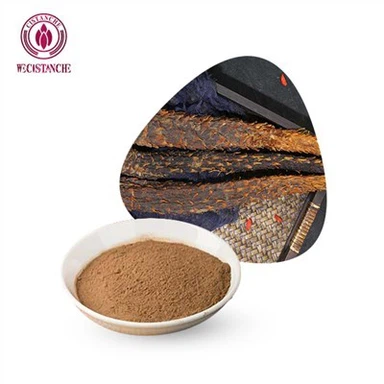
Herba Cistanche
METHODS
The study included 276 patients with COVID-19 pneumonia who were treated at the Clinic for Infectious Diseases, Clinical Center of Vojvodina from March, 6 to May 20, 2020. Of those, 12 adult patients were treated with CRRT due to COVID-19-associated AKI. Seven of them (58.3%) developed AKI within multiorgan failure and were treated in ICU, while five (41.7%) were treated in the semi-intensive care unit.
The study has been approved by the competent ethics committee of the Clinical Center of Vojvodina.
We analyzed: demographic data; comorbidities; laboratory and clinical parameters 24 hours before and after CRRT; simplified acute physiology score (SAPS II) and modified early warning score (MEWS); the presence of acute respiratory distress (ARDS) and secondary infections; the need for multiple organ support, invasive MV, non-invasive ventilation, high-flow nasal cannula; Padua Prediction Score for Risk of VTE, a dose of thromboprophylaxis; onset of CRRT since admission, anuria before CRRT, CRRT modalities, type of adsorptive membrane, a dose of CRRT (ml/ kg/h), achieved ultrafiltration during CRRT (ml), bolus dose (IU) and continuous dose (IU/kg/h) of UFH during CRRT; the number of procedures of CRRT; therapy received by patients, length of hospitalization and mortality.
The SAPS II score consists of 12 physiological variables and three disease-related variables collected in the first 24 hours of admission to the ICU. The SAPS II score may vary between 0 and 163 points (0–116 points for physiological variables, 0–17 points for age, and 0–30 points for previous diagnosis). The MEWS score is based on four standard physiological variables and the AVPU consciousness assessment (warning, voice response, pain response, no response). The primary purpose of the MEWS is to prevent delays in the intervention or transfer of critical patients. A score ≥ 5 is statistically associated with an increased probability of a lethal outcome or admission to the ICU.
The criteria for initiating CRRT according to Kidney Disease Improving Global Outcomes were the stages 2 or 3 AKI.
CRRT was performed on two devices each having its filter: Multifilter (high-flux filter Kit8 CVVHDF 1000, Bad Homburg, Germany) and Prismaflex (high-flux filter ST150 Gambro, Deerfield, IL, USA). EMiC2 Hemofilter (Fresenius Medical Care, Bad Homburg, Germany, 1.8 m2 surface area) and Osiris (Gambro, AN-69 based membrane, surface treated by polyethyleneimine and grafted with heparin) were administered in septic patients.
Statistical analysis
Descriptive and inferential statistical methods were used for the data analysis. Numerical characteristics are presented by the arithmetic mean, the median with interquartile range (IQR 25–75%), and the standard deviation, while the attributive characteristics are expressed by frequency and percentage. Given the sample size, i.e., the small number of frequencies to compare differences between the groups, the Wilcoxon test for paired samples was used, an alternative to the Student’s t-test for two dependent samples. There was a statistical significance if p < 0.05, and a high statistical significance if p < 0.001. The IBM SPSS Statistical Package for Social Sciences 21 software package was used for statistical data processing.
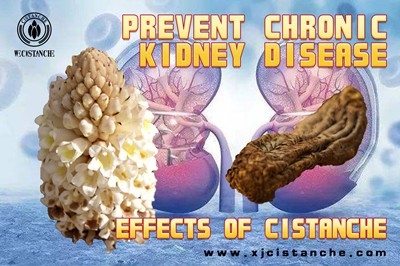
Cistanche tubulosa
DISCUSSION
In addition to hemostatic disorders, immobility, and systemic inflammation, MV and central venous catheters contribute to the risk of VTE in the ICU. Dietary deficiencies and liver dysfunction can also interfere with the synthesis of coagulation factors. Due to organ dysfunction, critically ill patients develop changes in pharmacokinetics, which may require adjustment of the anticoagulant dose [15]. Our patients had different levels of D-dimer depending on the severity of their clinical conditions as well as secondary infections. They had minor disorders of the hemostasis mechanism without developing disseminated intravascular coagulation were verified, which corresponds to the results of a Dutch study [16]. Using the Padova Prediction Score for Risk of VTE, the risk ≥ 4 was determined in 75%, i.e., nine patients, (seven critically ill patients and two treated in semi-intensive care). Unlike other published studies, no patient developed a thrombotic event [16, 17, 18]. Namely, the authors of the Dutch study reported that 31% out of 184 COVID-19 patients had arterial and venous thrombotic events, although all patients had standard thromboprophylaxis [16]. The authors of another study also used the Padova score and showed that 40% of the patients were at risk for VTE, although the study did not provide data on the use of VTE prophylaxis or an incident with VTE [18]. In two French ICUs, the overall rate of VTE in patients was shown to be very high at 69%, but only 31% of them were treated with prophylactic anticoagulation [17].
Our patients were at risk for developing AKI due to the presence of the most common comorbidities such as hypertension, chronic renal failure, diabetes, and heart disease, use of diuretics and ACE inhibitors, which corresponds to the published results of other authors [19]. The onset of some CRRT methods was individually assessed based on clinical and laboratory parameters, by the current guidelines. Compared with traditional CRRT indicators in patients with an onset of AKI, the leading criterion was hypervolemia for respiratory support. All patients had a double-lumen catheter placed in the right internal jugular vein, by the recommendations [20].
Depending on the availability of modalities, supply of dialysis material, adsorption membranes, and cytosorber, the recommendation for critically ill patients is CVVH or CVVHDF targeting a minimum delivery dose of 20–25 mL/ kg/h [21]. In the study period, in COVID-19-confirmed patients requiring dialysis procedures, we were able to organize only the implementation of CRRT with heparin anticoagulation, with a predominance of pre-dilution CVVHDF and highly adsorbent membranes (oXiris, EMiC2) in nine (75%) patients with high proinflammatory parameters. In these patients, CRRT dose was 35–40 mL/kg/h to eliminate inflammatory mediators, while other patients where the main goal was volume maintenance had CRRT 25–30 mL/kg/h. During the procedures, the doses of antibiotics were adjusted and the energy needs to be increased by 20–30 (kcal/kg.d), protein 1.5 ≤ 1.7 (g kg.d), and amino acids 1.5 ≤ 1.7 (g kg.d) according to the individual treatment regimen [22].
So far, papers on premature filter coagulation have been published frequently. In a multicenter French cohort of 150 patients, 29 of them were treated for RRT and 28 of them (97%) experienced a thrombosis circuit, with a shortened lifetime of the circuit [9]. The anticoagulation of the circuit has not been specifically analyzed, however, all the patients received at least thromboprophylaxis, and 30% of them had therapeutic doses of heparin. In a further study in one center with 69 critically ill patients with COVID-19, nine out of 11 patients had increased therapeutic UFH infusions due to thrombosis of recurrent circuits [23]. A third unicenter study reported filter coagulation in eight out of 12 severely ill patients with COVID-19 on hemofiltration, despite anticoagulation with prophylactic doses. Out of the four patients without filter clotting, three were on therapeutic UFH infusion due to existing thrombosis at the time of the hemofiltration onset [24].

Cistanche capsules
The optimal anticoagulant strategy to prevent circuit coagulation and ensure CRRT efficacy is unknown in COVID-19. Since 75% of our patients had a Padua score ≥ 4, to prolong the filter life, pre-dilution CVVHDF with antithrombotic oXiris membrane was applied in 58.3% of critically ill patients with high inflammatory parameters and D-dimer. Wen et al. [25] have not determined the correlation between D-dimer values and shortened sustained low-efficiency dialysis sessions in around 30% of patients, in contrast with the study done by Valle et al. [26], who proved that higher levels of D-dimer indicate a higher rate of filter coagulation in CRRT in 46.6% patients. However, the results are not comparable due to the lower values of D-dimer, different treatment modalities, and the lack of details on coagulation in the first study. Also, neither study monitored Anti-Xa and determined antithrombin III and factor VIII. The correlation of higher values of CRP with shorter sustained low-efficiency dialysis duration was determined in the first study, which indicates the correlation between hyper-inflammation in COVID-19 patients and the coagulation of extracorporeal circuits. Elevated CRP levels in the acute phase are related to hyperviscosity, and the latter was diagnosed in severely ill COVID-19 patients [27, 28]. Our study did not analyze the correlation between D-dimer and CRP with filter coagulation due to the proportion of the samples, and the fact that only one patient had a clotting circuit.
The recommended start dose of UFH is 10–15 IU/kg per hour and the aPTT is 60–90 seconds [21]. In our study, in six patients (50%) the values of hemostasis parameters and platelets allowed the initial increase by 1/3 to 1/2 of the recommended bolus dose of UFH, and we increased the UFH dose until we reached the target values of aPPT ranging 180–220 seconds. Despite the administration of higher bolus doses of UHF, during CRRT all six patients required a dose increase, as well as the two patients (with malignant disease) treated in the surgical intensive care unit in whom an adsorptive EMiC2 membrane was used. In the case of using ECMO + CRRT blood flow was maintained at > 400 ml/min [29]. The patient who underwent ECMO + CVVHDF was prescribed UFH according to the guidelines of non-COVID-19 patients [30].
No bleeding, no heparin resistance, and no heparin-induced thrombocytopenia were found in any of the patients. However, CRRT was discontinued in one patient due to circuit clotting, therefore, the dose was increased to the upper limit of thromboprophylaxis to prevent recurrent circuit clots.
Until we obtain more precise recommendations on the amount of bolus and continuous doses of UFH for COVID-19 patients, one should take into consideration comorbidities, the doses of thromboprophylaxis, the type of RRT modalities and highly adsorptive membranes, the planned duration of the procedure and the level of ultrafiltration.
During the earliest period of the pandemic, two patients were treated with antiviral drugs (Lopinavir/Ritonavir), and both of them took azithromycin and corticosteroids in the recommended doses [5]. Hydroxychloroquine was introduced in three patients. It is known that this drug can have an antithrombotic effect, especially on antiphospholipid antibodies, which we were not able to analyze during the epidemic. Two patients used antiplatelet and anticoagulant therapy for acute coronary syndrome and atrial fibrillation before COVID-19.
The average duration of hospitalization of our patients who required CRRT was 14.92 ± 10.90 days, similar to some published data [31]. The mortality was 75%, while in the studies done, it ranges between od 63.3–90% [32, 33, 34].
There are some limitations associated with our study. This is a single-center study, covering a small number of patients during a short period. All our patients were treated with CRRT, there was no control group due to limited data availability, and we have no insight into the incidence of AKI in patients treated with conservative treatment.
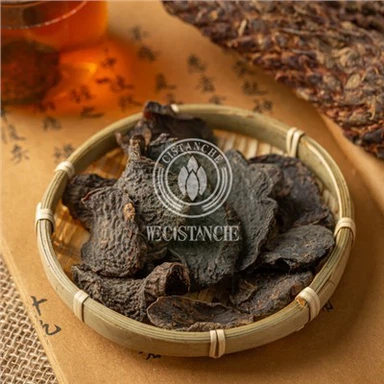
Cistanche extract
CONCLUSION
Implementation of pre-dilution CVVHDF with antithrombin membrane and the UFH doses higher by 1/3 to 1/2 than the recommended ones, has extended the filter life without complications in our COVID-19 patients with high inflammatory parameters and D-dimer and an estimated risk of developing deep vein thrombosis. The need for a unified strategy in the diagnosis and optimization of AKI treatment with a better understanding of COVID-19 would contribute to determining the optimal approach to CRRT in these patients.
REFERENCES
1. Peerapornratana S, Manrique-Caballero CL, Gómez H, Kellum JA. Acute kidney injury from sepsis: current concepts, epidemiology, pathophysiology, prevention, and treatment. Kidney Int. 2019;96(5):1083–99.
2. Chen YT, Shao SC, Hsu CK, Wu IW, Hung MJ, Chen YC. Incidence of acute kidney injury in COVID-19 infection: a systematic review and meta-analysis. Crit Care. 2020;24(1):346.
3. Rubin A, Orieux A, Prevel R, Garric A, Bats ML, Dabernat S, et al. Characterization of Acute Kidney Injury in Critically Ill Patients with Severe Coronavirus Disease-2019. Clin Kidney J. 2020;13(3):354–61.
4. Huang C, Wang Y, Li X, Ren L, Zhao J, Hu Y, et al. Clinical features of patients infected with 2019 novel coronavirus in Wuhan, China. Lancet. 2020;395(10223):497–506.
5. Bikdeli B, Madhavan MV, Jimenez D, Chuich T, Dreyfus I, Driggin E, et al. COVID-19 and Thrombotic or Thromboembolic Disease: Implications for Prevention, Antithrombotic Therapy, and Followup. J Am Coll Cardiol. 2020;75(23):2950–73.
6. Lippi G, Plebani M, Michael Henry B. Thrombocytopenia is associated with severe coronavirus disease 2019 (COVID-19) infections: A meta-analysis. Clin Chim Acta. 2020;5(5):428–30.
7. Zhang C, Shi L, Wang SF. Liver injury in COVID-19: management and challenges. Lancet Gastroenterol Hepatol. 2020;5(5):428–30.
8. Al-Samkari H, Karp Leaf RS, Dzik WH, Carlson JCT, Fogerty AE, Waheed A, et al. COVID-19 and coagulation: bleeding and thrombotic manifestations of SARS-CoV-2 infection. Blood. 2020;136(4):489–500.
9. Helms J, Tacquard C, Severac F, Leonard-Lorant I, Ohana M, Delabranche X, et al. High risk of thrombosis in patients with severe SARS-CoV-2 infection: a multicenter prospective cohort study. Intensive Care Med. 2020;46(6):1089–98.
10. Lodigiani C, Iapichino G, Carenzo L, Cecconi M, Ferrazzi P, Sebastian T, et al. Venous and arterial thromboembolic complications in COVID-19 patients admitted to an academic hospital in Milan, Italy. Thromb Res. 2020;191:9–14.
11. Roberts N. L, Bramham K, Sharpe C. C, Arya R. Hypercoagulability and Anticoagulation in Patients With COVID-19 Requiring Renal Replacement Therapy. Kidney Int Rep. 2020;5(9):1377–80.
12. Brandenburger T, Dimski T, Slowinski T, Kindgen-Milles D. Renal replacement therapy and anticoagulation. Best Pract Res Clin Anaesthesiol. 2017;31(3):387–401.
13. Wu MY, Hsu YH, Bai CH, Lin YF, Wu CH, Tam KW. Regional citrate versus heparin anticoagulation for continuous renal replacement therapy: a meta-analysis of randomized controlled trials. Am J Kidney Dis. 2012;59(6):810–8.
14. COVID-19 rapid guideline: acute kidney injury in hospital. London: National Institute for Health and Care Excellence (UK); 2020 May 6. (NICE Guideline, No. 175)
15. Minet C, Potton L, Bonadona A, Hamidfar-Roy R, Somohano CA, Lugosi M, et al. Venous thromboembolism in the ICU: main characteristics, diagnosis, and thromboprophylaxis. Crit Care. 2015;19(1):287.
16. Klok FA, Kruip MJHA, van der Meer NJM, Arbous MS, Gommers DAMPJ, Kant KM, et al. Incidence of thrombotic complications in critically ill ICU patients with COVID-19. Thromb Res. 2020;191:145–7.
17. Llitjos JF, Leclerc M, Chochois C, Monsallier JM, Ramakers M, Auvray M, et al. High incidence of venous thromboembolic events in anticoagulated severe COVID‐19 patients. J Thromb Haemost. 2020;18(7):1743–6.
18. Wang T, Chen R, Liu C, Liang W, Guan W, Tang R, et al. Attention should be paid to venous thromboembolism prophylaxis in the management of COVID-19. Lancet Haematol. 2020;7(5):e362–e363.
19. Guan Wei-Jie, Ni Zheng-yi, Hu Yu, Liang Wen-hua, Ou Chun-quan, He Jian-xing, et al. Clinical characteristics of 2019 novel coronavirus infection in China. N Engl J Med. 2020;382:1708–20.
20. Song JC, Wang G, Zhang W, Zhang Y, Li WQ, Zhou Z, et al. Chinese expert consensus on diagnosis and treatment of coagulation dysfunction in COVID-19. Mil Med Res. 2020;7(1):19.
21. Ronco C, Reis T, Husain-Syed F. Management of acute kidney injury in patients with COVID-19. Lancet Respir Med. 2020;8(7):738–42.
22. Gao S, Xu J, Zhang S, Jin J. Meta-Analysis of the Association between Fibroblast Growth Factor 23 and Mortality and Cardiovascular Events in Hemodialysis Patients. Blood Purif. 2019;47(Suppl 1):24–30.
23. White D, MacDonald S, Bull T, Hayman M, de Monteverde-Robb R, Sapsford D, et al. Heparin resistance in COVID-19 patients in the intensive care unit. J Thromb Thrombolysis. 2020;50(2):287–91.
24. Al-Samkari H, Karp Leaf RS, Dzik WH, Carlson JCT, Fogerty AE, Waheed A, et al. COVID and coagulation: bleeding and thrombotic manifestations of SARS-CoV2 infection. Blood. 2020;136(4):489– 500.
25. Wen Y, LeDoux JR, Mohamed MMB, Ramanand A, Scharwath K, Mundy D, et al. Dialysis filters life, anticoagulation, and inflammation in COVID-19 and acute kidney injury. Kidney360. 2020;1(12):1426– 31.
26. Valle EO, Cabrera CPS, Albuquerque CCC, Silva GVD, Oliveira MFA, Sales GTM, et al. Continuous renal replacement therapy in COVID- 19-associated AKI: adding heparin to citrate to extend filter life-a retrospective cohort study. Crit Care. 2021;25(1):299.
27. Nwose EU. Whole blood viscosity assessment issues IV: Prevalence in acute phase inflammation. N Am J Med Sci. 2010;2(8):353–8.
28. Maier CL, Truong AD, Auld SC, Polly DM, Tanksley CL, Duncan A. COVID-19-associated hyperviscosity: a link between inflammation and thrombophilia? Lancet. 2020;395 (10239):1758–9.
29. Joannidis M, Forni LG, Klein SJ, Honore PM, Kashani K, Ostermann M, et al. Lung-kidney interactions in critically ill patients: consensus report of the Acute Disease Quality Initiative (ADQI) 21 Workgroup. Intensive Care Med. 2020;46(4):654–72.
30. Colman E, Yin EB, Laine G, Chatterjee S, Saatee S, Herlihy JP, et al. Evaluation of a heparin monitoring protocol for extracorporeal membrane oxygenation and review of the literature. J Thorac Dis. 2019;11(8):3325–35.
31. Gündoğan K, Temel S, Ketencioğlu BB, Rabah B, Tutar N, Sungur M. Acute Kidney Injury in SARS-CoV-2 Infected Critically Ill Patients 2020. Turk J Nephrol. 29(3):185–9.
32. Gupta S, Coca SG, Chan L, Melamed ML, Brenner SK, Hayek SS, et al. AKI Treated with Renal Replacement Therapy in Critically Ill Patients with COVID-19. J Am Soc Nephrol. 2021;32(1):161–76.
33. Zhou S, Xu J, Xue C, Yang B, Mao Z, Ong ACM. Coronavirus-associated kidney outcomes in COVID-19, SARS, and MERS: a meta-analysis and systematic review. Ren Fail. 2020;43(1):1–15.
34. Bezerra R, Teles F, Mendonca PB, Damte T, Likaka A, Ferrer-Miranda E, et al. Outcomes of critically ill patients with acute kidney injury in COVID-19 infection: an observational study. Ren Fail. 2021;43(1):911–8.
Violeta Knežević1,2, Tijana Azaševac1,2, Gordana Stražmešter-Majstorović1,2, Mira Marković1, Maja Ružić2,3, Vesna Turkulov2,3, Nataša Gocić4, Dragana Milijašević2,5 Dejan Ćelić1,2
1 Clinical Center of Vojvodina, Clinic for Nephrology and Clinical Immunology, Novi Sad, Serbia;
2 University of Novi Sad, Faculty of Medicine, Novi Sad, Serbia;
3 Clinical Centre of Vojvodina, Clinic for Infectious Diseases, Novi Sad, Serbia;
4 Clinical Centre of Vojvodina, Emergency Center, Novi Sad, Serbia;
5 Institute of Public Health of Vojvodina, Novi Sad, Serbia