Biomarkers And Alzheimer’s Disease: What Will The Future Bring For ‘The Worried Well’?
Apr 06, 2023
The field of dementia research and clinical practice is paved with good intentions and Subjective Cognitive Impairment (SCI) or more colloquially the ‘worried well’ (WW-SCI) is one of them. Its consistency resists the passage of time and the different fashions affecting the practice and research of Modern Medicine. The term worried well has elements that may overlap with psychiatric disorders. There, the common day-to-day human experience of worrying becomes excessive and uncontrollable, and there are constant verbal thoughts of impending disaster.
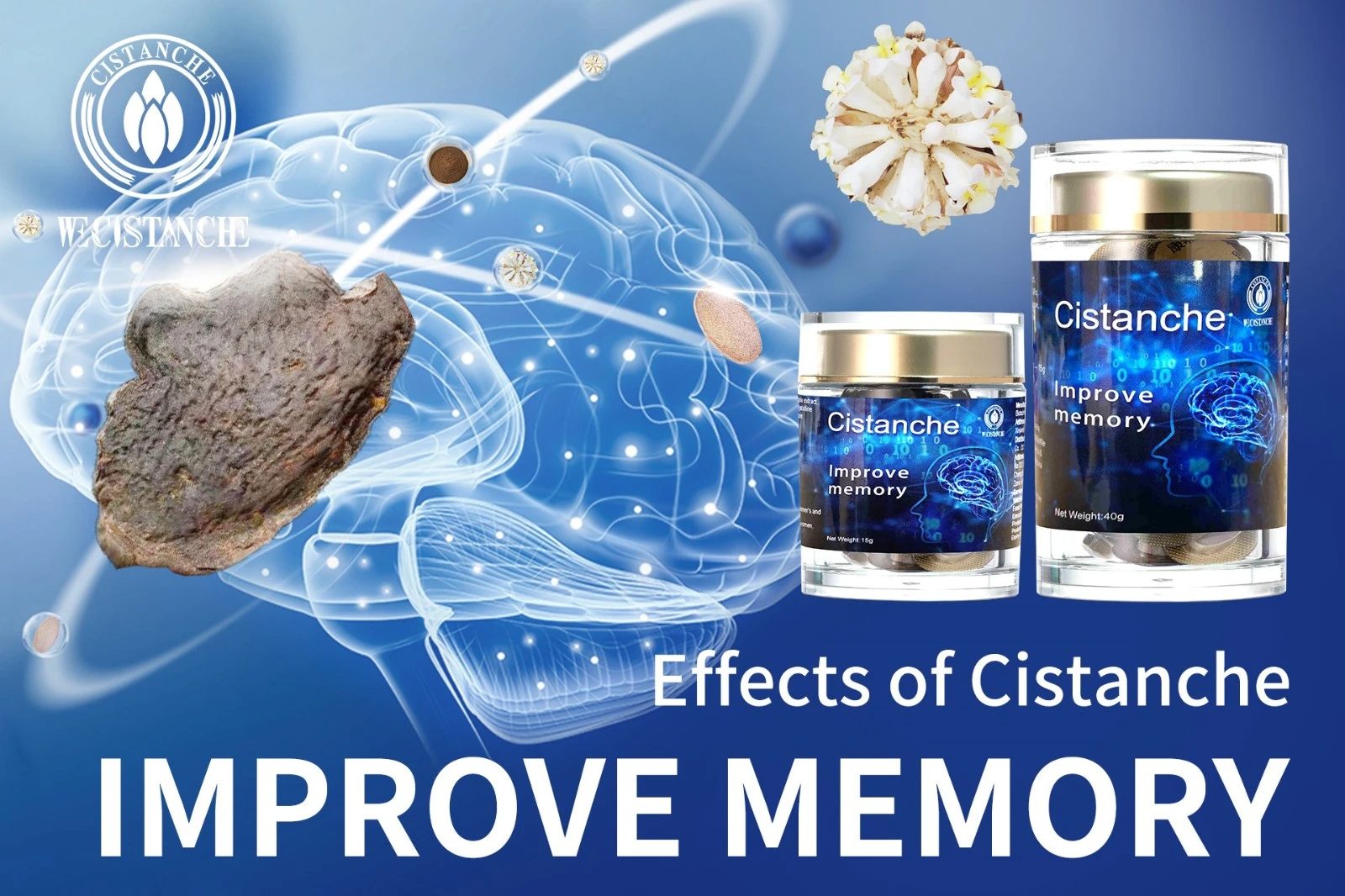
Click to cistanche beneficios for Cognitive impairment
The ‘worried well’ in the dementia field, on the contrary, is characterized by a preoccupation with concern about the progressive deterioration of cognitive functions in their day-to-day activities. Worries in general according to some authorities correspond to a cognitive phenomenon intimately associated with the affective, physiological, and to inter-intrapersonal behavioral process1 and its pathophysiology corresponds to a deficit in attention control, a constituent of the working memory.2
The ‘worried well’ usually refer themselves to Memory Clinics for further assessment. The history of the ‘worried well’ is rather recent in the field of dementia. Its definitions fluctuate regarding its nature, from a psychiatric perspective in cases of depression3 to a minor cognitive deficit focusing on impairments in attention, language, and memory.4 Regardless of these definitions and conceptualizations, the WW-SCI has been an important and challenging group of patients in research and the day-to-day clinical evaluation of cognitive impairment, as it is often impossible to distinguish patients who are cognitively normal from those who will ultimately progress to cognitive impairment.

The prevention and evaluation of dementia are also relatively new in the clinical neuroscience field. Evaluation of the WW-SCI is done through clinical assessment, neuropsychological testing, functional and behavioral evaluation, and in particular repeated clinical follow-ups.5 These patients are an important group to study and should always be included in the early diagnosis of cognitive impairment, as reported in the notable paper in this issue of the Canadian Journal of Neurological Sciences by Sutherland et al. from the Rural and Remote Memory Clinic from the University of Saskatchewan6 with the gradual but sustained appearance of biomarkers, we see positive rewarding days, not only for the ‘worried well’ but for all the disciplines associated with cognitive disorders, particularly those with neurodegenerative conditions.
They started with the first imaging biomarkers in the 1980s, allowing us to visualize the structural brain damage with MRI (1992) and detection of in vivo of brain deposits of abnormal proteins including AB PET(2004) and Tau PET (2013). This was then followed by more invasive CSF markers like AB protein, tau, phosphorylated tau, and neurofilament light, followed by the critically needed blood-based biomarkers. These have been used in the research field only since 2017, with AB42/AB40, serum Nfl, tau 181, pau 217, and the most recent, plasma detection of p-tau231, perhaps the easiest accessible biomarker of the most incipient disease pathology.7

Another exciting development is the use of the latest mouth swab test where calculating polygenic risk score offers a simple and effective way to select mildly cognitively impaired individuals who are most likely to decline cognitively over the next 4 years.8 As per other markers in the daily clinical practice, such as blood sugar in diabetes mellitus, and blood pressure for hypertension, these new serum markers could detect abnormal brain deposits years before the first clinical manifestations characteristic of Alzheimer’s disease. This would help memory clinics to further characterize this important group of Worried Well-Subjective Memory Impairment individuals to discover if the worries are the product of a healthy aging process or an emerging neurodegenerative disorder that is in progress, allowing prevention and early treatment.
How Cistanche Herba Treats Cognitive Impairment
Cistanche herba, which is a traditional Chinese herbal medicine, has been found to have therapeutic effects on cognitive impairment. The main mechanisms behind its effects are believed to be its antioxidant, anti-inflammatory, and neuroprotective properties.
Cistanche herba contains a range of active compounds such as phenylethanoid glycosides, iridoids, and polysaccharides, which have been shown to exert antioxidative effects on the brain. These compounds help to protect brain cells from oxidative damage caused by free radicals, which is thought to be a significant contributor to cognitive impairment.
In addition to its antioxidative properties, cistanche herba also exhibits potent anti-inflammatory effects. Chronic inflammation in the brain has been linked to cognitive decline, so reducing inflammation through the use of herbal remedies like cistanche herba can be beneficial for cognitive health.

Furthermore, studies have shown that cistanche herba has neuroprotective effects, which means that it can protect brain cells from damage and degeneration. This is believed to be due to its ability to regulate key signaling pathways and protect neurons from various types of stressors.
In summary, cistanche herba is a promising natural remedy for treating cognitive impairment due to its antioxidative, anti-inflammatory, and neuroprotective effects.
Reference
1. Borkovec TD, Ray WJ, Stuber J. Worry: a cognitive phenomenon intimately linked to affective, physiological, and interpersonal behavioral processes. Cognit Ther Res. 1998;22:561–76.
2. Nazanin D, Eysenck MW. Anxiety processing efficiency, and cognitive performance; new developments from attentional control theory. Eur Psychol. 2009;14:168–76.
3. Cooney RE, Joorman J, Eugene F, Dennis EL, Gotieb IH. Neural correlates of rumination in depression. Cogn Affect Behav Neurosci. 2010;10:470–8.
4. Nasiri F, Mashiadi A, Bigodeli I, Ghama Nabad AG. How to differentiate generalized anxiety disorders from worry: the role of cognitive strategies. J Ration Emot Cogn Behav Ther. 2020; 38:44–55.
5. Mitchell AJ. Is it time to separate subjective cognitive complaints from the diagnosis of mild cognitive impairment? Age Ageing. 2008;37:497–9.
6. Sutherland M, Kirk S, Karunanayake CP, O’Connell ME, Morgan DG. What happens to the worried well? Follow-up of subjective cognitive impairment. Can J Neurol Sci. 2021;49:84–92.
7. Ashton NJ, Pascoal TA, Karikari TK, et al. Plasma p-tau 231: a new biomarker for incipient Alzheimer’s disease pathology. Acta Neuropathol. 2021;141:709–24.
8. Daunt P, Ballard CG, Creese B, et al. Polygenic risk scoring is an effective approach to predict those individuals most likely to decline cognitively due to Alzheimer’s disease. J Prev Alzheimer’s Dis. 2021;8:78–83.