BPF Academic Content Express
Jul 10, 2023
The 2023 Blood Purification Forum officially opened on July 7, 2023. At the meeting, Academician Hou Fanfan, Professor Chen Jianghua, and Professor Cai Guangyan made relevant summaries on the new progress made in the field of kidney disease in recent years.

Click to cistanche herba for kidney disease
Academician Hou Fanfan: Chinese research on the treatment of IgA nephropathy
IgA nephropathy (IgAN) is the most common type of glomerular disease in China. According to the Chinese renal biopsy registration (2004-2014, 938 patients with renal biopsy in 282 cities nationwide, n=71 151), the incidence of the disease is 28.1%, and the common age of onset is 15-39 years old (36%). IgAN is also the most common cause of progression to chronic kidney disease (CKD) in all age groups (20% to 64%) and the most common cause of proteinuria in 15 to 64 years old (37% to 55%).
The treatment of IgAN has been controversial, especially regarding hormonal and immunosuppressant therapy, and there is a lack of high-quality evidence-based medical evidence. The 2012 Global Guidelines for the Prevention and Treatment of Kidney Diseases (KDIGO) suggested that after 3 to 6 months of renin-angiotensin system inhibitor (RASi) supportive therapy, the urinary protein persists ≥ 1 g/d, and the estimated glomerular filtration rate For patients with (eGFR) >50 ml/(min·1.73㎡), 6 months of glucocorticoid therapy is recommended, but it is not recommended to combine other immunosuppressants or use enzyme mofetil (MMF) therapy (unless the diagnosis is crescentic Sexual IgAN).
In 2016, Lu Jicheng and others published the research results of Testing 1. This study is a multicenter, double-blind, randomized, placebo-controlled study aimed at elucidating the efficacy of hormone therapy for IgAN. The inclusion criteria were IgAN patients with urinary protein > 1 g/d, eGFR between 20-120 ml/(min·1.73㎡), and RASi for at least 3 months. They were randomly divided into methylprednisolone or placebo treatment groups, with the composite endpoint of A 40% drop in eGFR from baseline, renal failure, or death from renal causes. Although the results of the study showed that methylprednisolone was beneficial in improving renal prognosis, the study was terminated prematurely due to the high rate of adverse reactions in the steroid group (11%, including 2 deaths). The research team reduced the dose of methylprednisolone in the subsequent TESTING 2 study and confirmed that adverse reactions were correspondingly reduced.
According to the results of this study, in 2021, KDIGO revised relevant recommendations, as detailed in the 2021 KDIGO Clinical Practice Guidelines Collection for Glomerular Diseases. However, the guideline has no corresponding recommendation for other immunosuppressants, such as MMF.

A single-center, endpoint-blinded, randomized controlled study (MAIN) of MMF in progressive IgAN was recently completed. 238 IgAN patients with urinary protein ≥ 1 g/d, eGFR < 60 ml/(min·1.73㎡) but ≥ 30 ml/(min·1.73㎡) or persistent hypertension received the maximum dose of losartan support therapy for 90 days 170 patients with urine protein ≥ 0.75 g/d after supportive therapy were randomized to receive MMF (1.5 g/d×12 m, reduction ×6 m) or supportive therapy alone, the composite endpoint was doubling of serum creatinine, end-stage Kidney disease, death from renal or cardiovascular causes. The results show that the addition of MMF based on maximum supportive therapy reduces the risk of renal hard endpoints, especially for those who still have persistent proteinuria after supportive treatment or who are not suitable for hormone therapy. The number of adverse reactions in the MMF treatment group was more than that in the supportive therapy group alone.
Another real-world study confirmed that immunosuppressive therapy has a better effect on patients with IgA nephropathy in my country. The population data comes from the 2019-2022 China Renal Disease Database (CRDS). 15 441 IgAN patients who started treatment within 30 days after renal biopsy were matched into 2 groups by propensity score at 1:1. Or supportive therapy, with 1973 cases in each group. The composite endpoint was a 40% decrease in eGFR from baseline, renal failure, and death from any cause. Results showed that immunosuppressant therapy reduced the risk of renal outcomes, including a≥40% reduction in eGFR and renal failure, compared with supportive care alone. The efficacy of MMF is similar to that of hormones. The incidence of serious adverse reactions (mainly infection) in the immunosuppressive treatment group was higher than that in the supportive treatment group alone.
Prediction from IgAN patients who are at high risk of progression or may respond to steroids and immunosuppressants is extremely important to improve efficacy and reduce adverse effects. Recently, through a large-sample, prospective cohort study, it has been confirmed that biomarkers (MMP-7) combined with clinical variables and pathological types can accurately predict the risk of IgAN progression, with an accuracy of 85%. Quantification of glomerular macrophage (CD206+, CD68+) infiltration by immune markers can predict the response to immunosuppressive therapy in IgAN patients at high risk of progression, thereby helping clinicians to identify patients who may benefit from immunosuppressive therapy.
Recent studies by Chinese scholars have shown that supportive therapy including the maximum tolerated dose of RASi is the current basic treatment for IgAN. Steroids and immunosuppressants can reduce the risk of renal function loss in IgAN patients who still have a high risk of progression after supportive therapy, at least the Chinese patient population has benefited from it.
Professor Chen Jianghua: Dialysis quality control and AI-assisted management
CKD is a global public health problem. The number of CKD patients in China is huge. The prevalence of end-stage renal disease (ESRD) and the annual mortality rate of CKD patients is increasing year by year. It is necessary to further strengthen the quality control and management of dialysis treatment. With the advancement and improvement of big data artificial intelligence (AI) technology, it may be able to intervene in dialysis quality control and become a good tool for auxiliary management. As early as 2016, Zhejiang Province was exploring the feasibility of AI intervention in dialysis quality control.

At present, the incidence rate of patients with end-stage renal disease (ESRD) in Zhejiang Province is about 135.8 (person/million), and the prevalence rate is about 795.5 (person/million), showing a gradual decline in incidence and a gradual increase in prevalence the trend of. In terms of the number of dialysis centers and the number of dialysis patients, there are currently 107 peritoneal dialysis centers and 302 hemodialysis centers, with 41,766 hemodialysis patients and 10,262 peritoneal dialysis patients. In terms of primary diseases in dialysis patients, the top three were chronic glomerulonephritis (46.54%), diabetic nephropathy (31.40%), and hypertensive nephropathy (7.49%). It is worth noting that among the new ESRD hemodialysis patients in 2022, the proportion of dialysis patients caused by diabetes will increase.
In terms of mortality of dialysis patients, the top three causes of death are cardiovascular disease (30.58%), systemic failure (23.16%), and infection (12.83%). The overall mortality of dialysis has shown a significant downward trend in recent years. In terms of the survival rate of different dialysis methods and different vascular dialysis accesses, the overall survival rate of peritoneal dialysis is higher than that of hemodialysis, and there is no significant difference in the survival rate of peritoneal dialysis patients and internal fistula hemodialysis patients, but it is significantly better than catheter access hemodialysis patients. It shows that peritoneal dialysis has more advantages than hemodialysis in terms of survival rate and quality of life. In terms of factors affecting the mortality of patients, the findings were mainly concentrated within 1 year, and the mortality rate was higher in the first 3 months, which depended on the treatment of the predialysis period. In terms of the type of medical insurance on the long-term survival of dialysis patients, it was found that the all-cause mortality of patients in the new rural medical insurance group was higher than that in the urban medical insurance group, suggesting that the rural medical service security system and essential capacity building should be further strengthened.
To further reduce the death risk of dialysis patients and achieve homogenization of dialysis quality, mathematical statistical modeling based on big data is proposed to find new controllable independent risk factors; based on big data artificial modeling, a better death risk is found Predictive models and effective interventions.
The big data analysis of the relationship between air quality and dialysis patient mortality in Zhejiang Province found that both short-term and long-term exposures to PM2.5 were significantly related to the death of hemodialysis patients. At the same time, primary hospitals faced PM2.5 exposure, Dialysis patients have a higher mortality rate. This suggests that when the air quality is poor, it is necessary to minimize the outdoor activities of dialysis patients. At the same time, it is necessary to strengthen the clinical training of grassroots physicians and strengthen their ability to deal with complications related to particulate matter exposure. In addition, temperature fluctuations were significantly associated with increased patient mortality. These findings all reflect that the application of AI based on big data can significantly improve the discovery of independent risk factors for patient death, which plays an important role in further strengthening interventions.
When the traditional regression analysis method is used to predict the death risk of hemodialysis patients, due to the complex and diverse clinical data and the non-simple linear relationship, the accuracy of the model prediction is not high. Therefore, it cannot be fully applied to clinical practice. The big data AI prediction model can solve the problems of unequal intervals (irregular dates when patients come to the hospital for examinations) and unequal lengths (patients come to the hospital for examinations, and each examination is not the same) in clinical data. The survival prediction model of hemodialysis patients based on deep neural networks also has three characteristics: self-attention mechanism, bidirectional hidden layer, and local-global estimation method.
Using the data of hemodialysis in Zhejiang Province, the death prediction and intervention system (HEWIS) for hemodialysis patients was established. The results showed that the prediction effect of this research model was significantly better than that of the traditional regression analysis model. Through the verification of clinical RCT research, it was found that the mortality rate in March decreased by 38.8%, the mortality rate in the control group was 3.92% in January, and the mortality rate in the experimental group was 2.40% in January, P < 0.001. At the same time, many clinical indicators were significantly improved. AI will further provide technical support for major issues such as how to better allocate medical resources, how to homogenize medical services and fill the gap in medical personnel.
Since 2007, Zhejiang Province has carried out the registration and reporting of hemodialysis information in the whole province, developed Zhejiang Hemodialysis/Peritoneal Dialysis management software, and established the Zhejiang Provincial Quality Control Center website and public mailbox. In the future, the Zhejiang Dialysis Quality Control Expert Committee will further promote the comprehensive coverage of AI in the dialysis process in Zhejiang Province, further improve the three-level dialysis quality control grid, and provide support for the next step of AI development.

The informationized dialysis registration and management system provides treatment data and a management basis for quality control management. Big data AI-assisted management is an effective means to achieve homogenization of dialysis quality. Practice in Zhejiang has proved that scientific dialysis quality management can effectively improve dialysis patients' survival rate and quality of life.
How does Cistanche treat kidney disease?
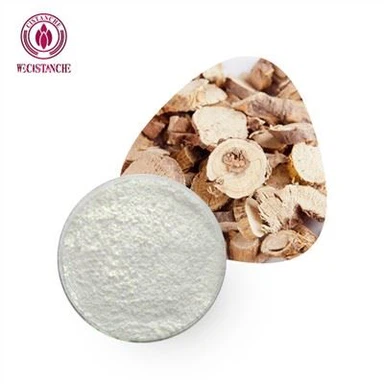
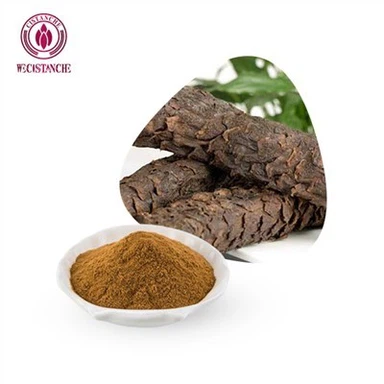
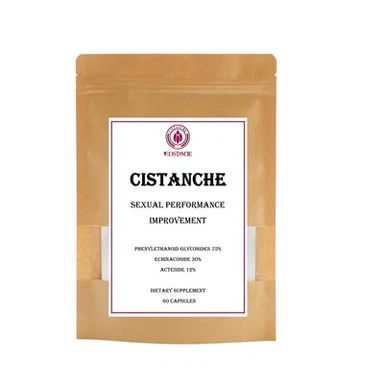
Cistanche is a traditional Chinese herbal medicine used for centuries to treat various health conditions, including kidney disease. It is derived from the dried stems of Cistanche deserticola, a plant native to the deserts of China and Mongolia. The main active components of cistanche are phenylethanoid glycosides, echinacoside, and acteoside, which have been found to have beneficial effects on kidney health.
Kidney disease, also known as renal disease, refers to a condition in which the kidneys are not functioning properly. This can result in a buildup of waste products and toxins in the body, leading to various symptoms and complications. Cistanche may help treat kidney disease ase through several mechanisms.
Firstly, cistanche has been found to have diuretic properties, meaning it can increase urine production and help eliminate waste products from the body. This can help relieve the burden on the kidneys and prevent the buildup of toxins. By promoting diuresis, cistanche may also help Reduce high blood pressure, a common complication of kidney disease.
Moreover, cistanche has been shown to have antioxidant effects. Oxidative stress, caused by an imbalance between the production of free radicals and the body's antioxidant defenses, plays a key role in the progression of kidney disease. ies help neutralize free radicals and reduce Oxidative stress, thereby protecting the kidneys from damage. The phenylethanoid glycosides found in cistanche have been particularly effective in scavenging free radicals and inhibiting lipid peroxidation.
Additionally, cistanche has been found to have anti-inflammatory effects. Inflammation is another key factor in the development and progression of kidney disease. Cistanche's anti-inflammatory properties help reduce the production of pro-inflammatory cytokines and inhibit the activation of inflammation mandatory pathways, thus alleviating inflammation in the kidneys.
Furthermore, cistanche has been shown to have immunomodulatory effects. In kidney disease, the immune system can be dysregulated, leading to excessive inflammation and tissue damage. Cistanche helps regulate the immune response by modulating the production and activity of immune cells, such as T cells and macrophages. This immune regulation helps reduce inflammation and prevent further damage to the kidneys.
Moreover, cistanche has been found to improve renal function by promoting the regeneration of renal tubes with cells. Renal tubular epithelial cells play a crucial role in the filtration and reabsorption of waste products and electrolytes. In kidney disease, these cells can be damaged, leading to damaged renal function. Cistanche's ability to promote the regeneration of these cells helps restore proper renal function and improve overall kidney health.
In addition to these direct effects on the kidneys, cistanche has been found to have beneficial effects on other organs and systems in the body. This holistic approach to health is particularly important in kidney disease, as the condition often affects multiple organs and systems. che has been shown to have protective effects on the liver, heart, and blood vessels, which are commonly affected by kidney disease. By promoting the health of these organs, cistanche helps improve overall kidney function and prevent further complications.
In conclusion, cistanche is a traditional Chinese herbal medicine used for centuries to treat kidney disease. Its active components have diuretic, antioxidant, anti-inflammatory, immunomodulatory, and regenerative effects, which help improve renal function and protect the kidneys from further damage. , cistanche has beneficial effects on other organs and systems, making it a holistic approach to treating kidney disease.