Cistanche: A Natural Solution For Hormonal Balance And Prostate Health in Benign Prostatic Hyperplasia
Jul 17, 2025
Abstract
Objective: To investigate the therapeutic efficacy and underlying mechanisms of Cistanche-based herbal medicine in regulating sex hormone disorders in rats with benign prostatic hyperplasia (BPH).
Methods: Thirty male SD rats were randomly divided into five groups (n = 6 each): sham-operated, BPH model, finasteride group (0.45 mg⋅kg⁻¹⋅d⁻¹), and low- and high-dose Cistanche groups (0.135 g⋅kg⁻¹⋅d⁻¹ and 0.3375 g⋅kg⁻¹⋅d⁻¹). The BPH model was induced by subcutaneous injections of 3.5 mg⋅kg⁻¹⋅d⁻¹ testosterone propionate following castration, except in the sham group. Sham and model groups were gavaged with saline, while the treatment groups received their respective medicinal solutions for 35 days. Prostate wet weight, volume, and index were measured, and histological changes were analyzed using hematoxylin-eosin (HE) staining. Serum sex hormone levels (testosterone [T], dihydrotestosterone [DHT], and estradiol [E2]) were quantified by enzyme-linked immunosorbent assay (ELISA), and androgen receptor (AR) protein expression was assessed via immunohistochemistry. Serum metabolic profiles of the sham, model, and high-dose Cistanche groups were analyzed using ultra-high-performance liquid chromatography tandem Fourier transform mass spectrometry (UHPLC-Q Exactive), identifying metabolic markers and associated pathways.
Results: Compared to the sham group, the model group exhibited increased prostate wet weight, volume, index, serum sex hormone levels, and AR protein expression (P < 0.05, P < 0.01), alongside evident histopathological abnormalities. Cistanche treatment groups demonstrated significant reductions in prostate weight, volume, and index, as well as decreased serum T, DHT, and E2 levels and AR protein expression (P < 0.05, P < 0.01), with improved histopathology. Metabolomics analysis identified 40 serum metabolic markers, including dehydrosafynol, hyoscyamine, and lumichrome, which are involved in pathways such as autophagy, riboflavin metabolism, and retrograde endocannabinoid signaling.
Conclusion: Cistanche-based therapy effectively regulates sex hormone disorders in BPH rats, and its mechanism may involve modulation of autophagy, riboflavin metabolism, and retrograde endocannabinoid signaling. This highlights its potential as a natural, multi-targeted approach for BPH management.
Keywords: Cistanche; benign prostatic hyperplasia; serum metabolomics; sex hormone disorders; natural herbal therapy


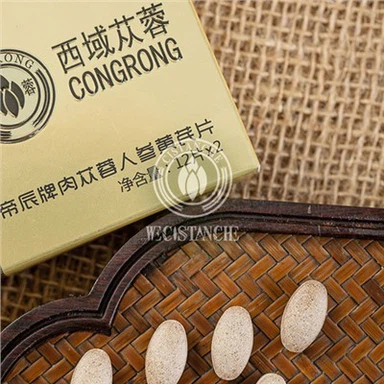
CISTANCHE EXTRACT PILLS FOR PROSTATE HEALTH
Herbal Treatment of Benign Prostatic Hyperplasia (BPH) with Cistanche: Mechanism and Efficacy
Benign Prostatic Hyperplasia (BPH), characterized by prostate gland enlargement and bladder outlet obstruction, is a progressive chronic condition impacting the quality of life of middle-aged and elderly men, with symptoms such as frequent urination, urgency, and urinary retention. The increasing global aging population has led to a significant rise in BPH incidence, as studies report a 70.5% growth in cases globally since 2000. This underscores the importance of exploring BPH's pathogenesis, prevention, and treatment strategies.

Key Role of Hormonal Imbalance in BPH
Although the precise mechanisms underlying BPH remain unclear, hormonal imbalance, especially involving testosterone (T) and its metabolite dihydrotestosterone (DHT), plays a critical role. DHT, produced from T via the action of 5α-reductase, binds to androgen receptors (AR) with higher affinity, triggering pathways that promote prostate cell proliferation. Similarly, estradiol (E2), a product of T aromatization, stimulates the proliferation of stromal cells in the prostate. An increased E2/T ratio-a marker of hormonal imbalance-has been strongly correlated with a heightened risk of BPH. Aging further exacerbates this imbalance, as elevated DHT levels and a disrupted E2/T ratio activate downstream gene expressions, accelerating prostate cell overgrowth.

Supportive Service Of Wecistanche-The largest cistanche exporter in China:
Email:wallence.suen@wecistanche.com
Whatsapp/Tel:+86 15292862950

Cistanche: A Potential Herbal Remedy for BPH
Cistanche, a traditional herb widely used in Eastern medicine, has gained attention for its role in improving BPH symptoms. Unlike synthetic drugs like finasteride, which target DHT production, Cistanche addresses multiple pathways, offering a comprehensive approach to managing BPH. Known for its "tonifying kidney essence" and "promoting blood circulation" properties, Cistanche aligns with the BPH pathology of "stagnation" and has shown promising results in preclinical models.
Clinical studies demonstrate that Cistanche supplementation improves key indicators such as the International Prostate Symptom Score (IPSS), quality of life, and urinary flow rate in BPH patients. Moreover, it exhibits a favorable safety profile, making it a viable long-term treatment option. In animal studies, Cistanche was shown to reduce prostate weight, volume, and index while improving histopathological features and restoring hormonal balance.
Experimental Validation of Cistanche's Efficacy
BPH Rat Model and Treatment Protocol
A rat model of BPH was induced using subcutaneous injections of testosterone propionate. Experimental groups included:
Sham-operated group (control).
Model group (untreated BPH).
Cistanche low-dose group.
Cistanche high-dose group.
Finasteride group (positive control).
Cistanche was administered for 35 days at doses equivalent to clinical usage (calculated based on human body weight). The effects were assessed by measuring prostate weight, volume, serum hormonal levels, and histopathological changes.
Histopathology and Hormonal Analysis
Cistanche significantly reduced prostate weight and volume while improving tissue architecture. Serum analysis revealed a decrease in DHT and E2 levels, a normalization of the E2/T ratio, and suppressed AR expression in the prostate.
Insights from Non-Targeted Metabolomics
Using advanced metabolomics analysis via UHPLC-Q Exactive systems, Cistanche-treated rats displayed distinct serum metabolic profiles compared to untreated BPH models. Differential metabolites suggested that Cistanche modulates pathways related to oxidative stress, inflammation, and hormonal metabolism, aligning with its therapeutic effects.
SEO Optimization and Herbal Enthusiast Appeal
For individuals exploring natural therapies for prostate health, Cistanche stands out as an evidence-backed option:
Cistanche extract benefits for BPH: Scientific validation supports its role in reducing prostate size and alleviating urinary symptoms.
Natural DHT blocker: Unlike synthetic inhibitors, Cistanche offers a gentler, multifaceted approach to hormonal regulation.
Anti-inflammatory properties: Cistanche targets inflammation, a key driver of BPH progression.
Holistic prostate health: Beyond symptom relief, Cistanche promotes overall urinary and reproductive health.
Conclusion
Cistanche represents a promising herbal intervention for BPH, combining traditional wisdom with modern scientific validation. Its ability to regulate hormonal balance, reduce prostate growth, and alleviate urinary symptoms makes it an ideal choice for individuals seeking natural, effective, and safe alternatives to conventional therapies.
For further information on herbal treatments or to explore advanced omics-based research, visit MajorBio Cloud Platform.