Cistanche Deserticola, A New Hope Of Traditional Chinese Medicine in Combating Cervical Cancer in Women?
May 12, 2025
Cervical cancer: the 'invisible killer' of women's health

effects of cistanche-antitumor
Among the many threats to women's health, cervical cancer is like a hidden "killer" that silently erodes the lives and health of countless women. It is one of the most common gynecological malignancies, and its severity should not be underestimated. According to relevant data, in 2022, there will be 151000 new cases of cervical cancer in China, with a incidence rate of 13.8/100000, ranking the fifth in female cancer incidence; The number of deaths that year was 56000, with a mortality rate of 4.5/100000, ranking sixth among female cancer deaths, and the risk of onset was on the rise, with younger onset ages.
The early symptoms of cervical cancer are not obvious and are easily overlooked. Common symptoms include vaginal bleeding, often manifested as contact bleeding, such as bleeding after sexual activity or gynecological examination, or irregular vaginal bleeding, postmenopausal vaginal bleeding; If the cancer lesion invades large blood vessels, it can also cause massive bleeding. Vaginal discharge is also a common symptom, with most patients having white or bloody vaginal discharge. In late stage patients, due to tumor tissue necrosis and infection, there may be a large amount of rice swill like or purulent foul smelling vaginal discharge. As the condition progresses to the late stage, the cancer lesion may involve adjacent tissues, organs or nerves, and may also cause urinary frequency, urgency, constipation, lower limb swelling and pain, etc; When cancer compresses or affects the ureter, it can cause ureteral obstruction, hydronephrosis, and uremia; In addition, there may be systemic exhaustion symptoms such as anemia and cachexia.

Effects of Cistanche
Cervical cancer poses great harm, not only causing serious damage to the uterus and affecting its functional health, but also possibly leading to female infertility, as many patients need to have their uterus removed to control the condition. What's even more frightening is that cancer cells can spread and metastasize, affecting other organs and tissues, causing various complications. If the disease progresses to the late stage, the mortality rate is high, seriously threatening the patient's life. Therefore, the prevention and treatment of cervical cancer is urgent. In the process of constantly exploring new treatment methods and means in medicine, a traditional Chinese medicinal herb, Cistanche deserticola, has gradually entered people's field of vision, and its potential role in the treatment of cervical cancer has attracted much attention.
Cistanche deserticola: the "king of medicine" in the desert
In the vast and arid desert, there grows a magical plant called Cistanche deserticola, which is known as the "desert ginseng" and is an extremely precious traditional Chinese medicine. In history, it was also regarded as a precious tribute to the imperial court by various countries in the Western Regions.
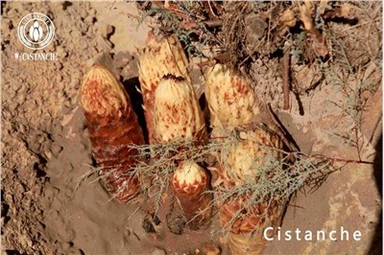
Cistanche deserticola is a parasitic plant that parasitizes the roots of the desert plant Salix matsudana, and has low requirements for soil and water. It mainly grows in the Gobi Desert environment with extreme drought climate, strong sunshine, annual precipitation less than 250mm, drastic changes in temperature, strong winds and sand, poor soil development, medium fine sand, thin soil layer with coarse texture, neutral or slightly alkaline, high salt content and lack of organic matter. The plant is a perennial parasitic herb, with a height of 40-160cm. The stem is fleshy, single or composed of 2 or 3 branches from the base, with a width of 5-15cm in the lower part and gradually thinner in the upper part, with a width of 2-5cm. The leaves are mostly scaly, arranged in a spiral pattern, pale yellow and white, and have no petioles. The lower leaves are arranged tightly, with a wide oval or triangular shape, measuring 0.5-1cm in length and 1-2cm in width. The upper leaves are sparse and linear lanceolate, measuring 1-4cm in length and 0.5-1cm in width. Both sides are hairless. In May and June, Cistanche deserticola will enter its flowering period, with yellow, white, or light purple flowers blooming on its spike-like inflorescence. After drying, it will turn brown, and there are two longitudinal bright yellow protrusions inside the tube. The fruiting period is from June to July. The capsule is oval-shaped, 2-lobed, brown in color, and contains many tiny seeds inside. It is oval-shaped, with a network-like surface and a glossy appearance.

Effects of cistanche-improve kidney function
The medicinal value of Cistanche deserticola is extremely high. It has a sweet and salty taste, a warm nature, and belongs to the kidney and colon meridians. In the field of traditional Chinese medicine, it has always been regarded as a good medicine for tonifying kidney yang and nourishing essence and blood. It can be used to treat symptoms such as impotence, premature ejaculation, infertility, waist and knee pain, and muscle weakness caused by kidney yang deficiency and essence and blood deficiency. The Compendium of Materia Medica records the many medicinal effects of Cistanche deserticola, such as "causing fatigue, losing essence, and blackening the face. Use four liang of Cistanche deserticola, boil it in water until it is tender, cut it thinly and grind it finely, and stew it with lamb." "Kidney deficiency and white turbidity. Divide Cistanche deserticola, deer antlers, yam, and white Poria cocos into equal parts, add rice paste to make pills, such as Wuzhi Da. Take thirty pills per serving, and serve with jujube soup. At the same time, Cistanche deserticola also has the function of moistening the intestines and promoting bowel movements, which is particularly suitable for constipation caused by dryness and stagnation of the intestines, especially for elderly people with insufficient kidney yang and deficiency of essence and blood.
With the development of modern medicine, scientists have conducted more in-depth research on Cistanche deserticola. Research has found that Cistanche deserticola contains various beneficial components for the human body, such as phenylethanolic glycosides, cyclohexene ether terpenes, polysaccharides, alkaloids, etc. These ingredients endow Cistanche deserticola with various pharmacological effects. In addition to the traditional functions of tonifying the kidney and yang, moistening the intestines and promoting bowel movements, it also has the effects of regulating immune function, antioxidation, anti-aging, anti-fatigue, liver protection, nerve protection, and improving osteoporosis. For example, the polysaccharides in Cistanche deserticola can enhance the activity of immune cells and improve the body's immunity; Phenylethanolic glycosides have significant antioxidant effects, which can eliminate free radicals in the body and delay cellular aging.

Benefits of cistanche tubulosa-Antitumor
Click here to view Cistanche Enhance Immunity products
【Ask for more】 Email:cindy.xue@wecistanche.com / WhatsApp: 0086 18599088692 / Wechat: 18599088692
The wonderful association between Cistanche deserticola and cervical cancer
(1) Interpretation in Traditional Chinese Medicine Theory
In the profound system of traditional Chinese medicine theory, the onset of cervical cancer is believed to be closely related to multiple factors. The deficiency of righteous qi is a key internal factor, as stated in the "Neijing": "When righteous qi is stored inside, evil cannot be dried up; when evil is gathered, its qi must be weak." When the body's righteous qi is weak, its ability to resist external evil decreases, making it vulnerable to various pathogenic factors. If a woman's innate endowment is insufficient, or if she suffers from factors such as early marriage, excessive sexual labor, emotional injuries, and improper diet, leading to loss of qi and blood, damage to the liver and kidneys, and imbalance of the Chong and Ren meridians, the condition is created for the invasion of external pathogens.
The mutual cementation of pathological products such as dampness, toxicity, phlegm, and blood stasis is an important external factor in the onset of cervical cancer. After menstruation and childbirth, the blood chamber is open, the cell veins are empty, and wind, cold, dampness, and toxins take advantage of the deficiency to enter, causing blood stasis in the uterus; Or liver qi stagnation, failure to relieve dampness, horizontal reversal of soil, spleen deficiency and dampness stagnation, prolonged accumulation of dampness leading to heat generation, qi stagnation, blood stasis, and dampness toxin cementing each other, flowing into the lower burner, resulting in cervical cancer.
Cistanche deserticola has a sweet and salty taste, a warm nature, and belongs to the kidney and colon meridians. It has the effects of tonifying kidney yang and nourishing essence and blood, and plays a unique role in the traditional Chinese medicine treatment of cervical cancer. The kidney is the foundation of innate nature, responsible for storing essence and reproduction, and has a close relationship with the uterus. Insufficient kidney yang cannot warm the uterus, which can lead to insufficient coldness and poor circulation of qi and blood, resulting in a series of gynecological diseases, including cervical cancer. Cistanche deserticola can enhance kidney function, warm the uterus, promote qi and blood circulation, improve the internal environment of the uterus, and provide a good foundation for resisting pathogenic diseases by tonifying kidney yang.
Essence blood is an important material basis for human life activities, and is crucial for maintaining normal physiological and immune functions of the body. Due to the consumption of the disease and the influence of treatment methods such as surgery, radiotherapy, and chemotherapy, cervical cancer patients often experience a deficiency of essence and blood, manifested as pale complexion, dizziness, soreness, and weakness in the waist and knees, and fatigue. The beneficial effect of Cistanche deserticola on essence and blood can supplement the body's essence and blood, nourish organs and tissues, enhance the body's immunity and disease resistance, and help patients recover. In some traditional Chinese medicine formulas for treating cervical cancer, Cistanche deserticola is often combined with other drugs to achieve the goal of strengthening the body and eliminating evil. For example, for some patients with cervical cancer who have undergone surgery or radiation and chemotherapy and experience symptoms of qi and blood deficiency and kidney yang deficiency, doctors will add Cistanche deserticola to the prescription, combined with Qi and blood nourishing products such as Astragalus membranaceus, Angelica sinensis, ginseng, etc., to enhance the patient's physical fitness and promote physical recovery.

effects of cistanche-antitumor
(2) Exploration of Modern Medicine
With the continuous deepening of modern medical research, the potential mechanism of Cistanche deserticola in the treatment of cervical cancer is gradually being revealed. Numerous studies have shown that Cistanche deserticola has a regulatory effect on immune function, which is crucial for the treatment of cervical cancer. The immune system is an important defense line for the human body to resist diseases. When the body's immune function is low, tumor cells are prone to escape immune surveillance, leading to massive proliferation and spread. The various active ingredients in Cistanche deserticola, such as polysaccharides and phenylethanolic glycosides, can regulate the activity of immune cells, promote their proliferation and differentiation, and enhance the body's immune function.
Research has found that polysaccharides from Cistanche deserticola can significantly improve the immune function of tumor-bearing mice, enhance the phagocytic ability of macrophages, promote the proliferation of T and B lymphocytes, and increase the content of immunoglobulin in serum. In an experiment, mice inoculated with cervical cancer cells were divided into an experimental group and a control group. The experimental group was given Cistanche polysaccharides by gavage, while the control group was given an equal amount of physiological saline. The results showed that the tumor growth rate of the experimental group mice was significantly slower than that of the control group, the survival period was significantly prolonged, and the weight of their immune organs (spleen and thymus) increased significantly, and the activity of immune cells was also significantly enhanced. This indicates that polysaccharides from Cistanche deserticola can enhance the immune surveillance and killing effect of the body on tumor cells by regulating immune function, thereby inhibiting the development of cervical cancer.
The antioxidant effect is also one of the important mechanisms of Cistanche deserticola in the treatment of cervical cancer. Oxidative stress plays an important role in the occurrence and development of tumors. Excessive free radicals can damage biomolecules such as DNA, proteins, and lipids in cells, leading to cell mutations and tumor formation. The active ingredients in Cistanche deserticola have strong antioxidant capacity, which can eliminate excessive free radicals in the body and reduce oxidative stress damage to cells. Phenylethanoid glycosides are the main antioxidant substances in Cistanche deserticola. They can reduce the content of lipid peroxidation products such as malondialdehyde (MDA) by increasing the activity of antioxidant enzymes such as superoxide dismutase (SOD) and catalase (CAT), thereby alleviating oxidative stress damage to cells. Research has found that extracts from Cistanche deserticola can significantly reduce the levels of reactive oxygen species (ROS) in cervical cancer HeLa cells, inhibit oxidative stress, and induce tumor cell apoptosis. This indicates that the antioxidant effect of Cistanche deserticola can effectively inhibit the occurrence and development of cervical cancer, providing new ideas for the treatment of cervical cancer.
In addition, some studies have found that Cistanche deserticola has a direct inhibitory effect on the growth of tumor cells. Some components in Cistanche deserticola can inhibit tumor cell proliferation and induce tumor cell apoptosis by regulating the signaling pathways of tumor cells. Studies have shown that phenylethanoid glycosides in Cistanche deserticola can inhibit the proliferation of cervical cancer HeLa cells, induce cell cycle arrest in the G0/G1 phase, and induce tumor cell apoptosis by activating the expression of apoptosis-related proteins such as caspase-3. In a cell experiment, extracts of different concentrations of phenylethanolic glycosides from Cistanche deserticola were applied to cervical cancer HeLa cells. As the concentration of the extract increased, the proliferation of HeLa cells was significantly inhibited, and the apoptosis rate was significantly increased. This indicates that the active ingredients of Cistanche deserticola can directly act on cervical cancer tumor cells, inhibiting their growth and proliferation, thereby achieving the goal of treating cervical cancer.
Clinical cases witness miracles
In the struggle between traditional Chinese medicine and cervical cancer, many clinical cases have become powerful witnesses, demonstrating the unique value of Cistanche deserticola in the treatment of cervical cancer and bringing hope to many patients.
(1) Case 1: Postoperative recuperation and rejuvenation

Effects of Cistanche Treatment of Climacteric Syndrome
Ms. Wang, a 48 year old patient, was diagnosed with cervical cancer during a physical examination organized by her workplace in 2018. At that time, she was like encountering a bolt from the blue, and her life was instantly shrouded in darkness. Further examination confirmed the diagnosis of stage II cervical cancer, and the doctor recommended immediate surgical removal of the uterus and adnexa, combined with postoperative radiotherapy and chemotherapy. The surgery was successful, but the side effects of radiation and chemotherapy made Ms. Wang suffer greatly. Symptoms such as nausea, vomiting, hair loss, and fatigue seriously affected her quality of life, and her body became extremely weak.
On the recommendation of a friend, Ms. Wang found an old Chinese medicine practitioner who specializes in treating tumors with traditional Chinese medicine. After a detailed understanding of her condition and physical condition, the old Chinese medicine practitioner developed a traditional Chinese medicine treatment plan for her based on the principle of supporting the body and eliminating evil, with Cistanche deserticola becoming a key ingredient in the prescription. In the prescription, Cistanche deserticola is combined with Astragalus membranaceus, Angelica sinensis, Codonopsis pilosula, etc. to achieve the purpose of tonifying kidney yang, nourishing essence and blood, and nourishing qi and blood. The specific dosage is 15g of Cistanche deserticola, 30g of Astragalus membranaceus, 10g of Angelica sinensis, and 20g of Codonopsis pilosula. At the same time, according to Ms. Wang's symptoms and physical reactions, other traditional Chinese medicines that regulate the spleen and stomach, clear heat and detoxify should be added appropriately. One dose per day, decoct in water, and take.
After a period of traditional Chinese medicine treatment, Ms. Wang's physical condition gradually improved. The symptoms of nausea and vomiting have decreased, appetite has significantly increased, and fatigue has gradually disappeared. After persisting in taking traditional Chinese medicine for six months, Ms. Wang went to the hospital for a follow-up examination, and all indicators tended to be normal, and her body's immunity was significantly improved. Now that Ms. Wang has resumed her normal life, she often marvels at the wonders of traditional Chinese medicine and is grateful for the Chinese herb Cistanche deserticola.
(2) Case 2: Traditional Chinese Medicine Therapy, Stable Condition
Another patient, Ms. Li, 52 years old, went to the hospital for treatment due to irregular vaginal bleeding, increased vaginal discharge, and odor, and was diagnosed with stage III cervical cancer. Due to Ms. Li's advanced age and poor physical condition, she and her family have decided to try traditional Chinese medicine treatment as they cannot bear the pain of surgery, radiation, and chemotherapy.
Traditional Chinese medicine doctors have comprehensively judged Ms. Li's condition through observation, smell, questioning, and cutting, and believe that she is caused bya deficiency of positive qi, damp heat, blood stasis, and toxin accumulation. Among the prescribed medicines, Cistanche deserticola also occupies an important position, used to supplement kidney yang, nourish essence and blood, and enhance the body's righteous qi. The prescription is: 20g Cistanche deserticola, 15g Atractylodes macrocephala, 15g Poria cocos, 30g Coix seed, 30g Hedyotis diffusa, 30g Scutellaria barbata, and adjust the dosage and type of medication according to changes in the condition. Ms. Li has been taking traditional Chinese medicine for over a year, and her condition has been effectively controlled. The symptoms of vaginal bleeding and abnormal vaginal discharge have significantly decreased, and her physical condition has gradually stabilized. Although cervical cancer has not been completely cured, Ms. Li's quality of life has greatly improved, and she can live like a normal person, which gives her and her family hope.
These real clinical cases fully demonstrate the significant effect of Cistanche deserticola in the treatment of cervical cancer. Whether as an adjuvant therapy after surgery, it helps patients recover their physical function, or in situations where surgery and chemotherapy cannot be performed, it controls the progression of the disease and improves patients' quality of life. Cistanche deserticola has played an important role. Of course, each patient's condition and physical condition are different. When using Cistanche deserticola to treat cervical cancer, it is necessary to develop personalized treatment plans under the guidance of professional doctors based on specific circumstances to ensure the safety and effectiveness of treatment.
Precautions for using Cistanche deserticola
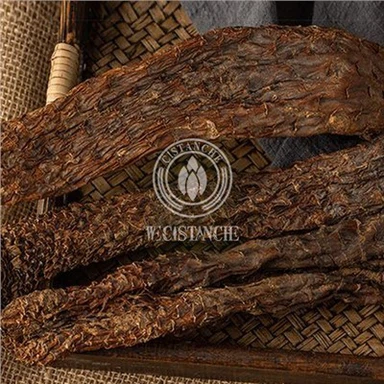
Although Cistanche deserticola has shown some potential in the treatment of cervical cancer, caution should be exercised when using it. In terms of medicinal methods, Cistanche deserticola is often used in prescriptions in the form of water decoction. As mentioned in the previous case, it is combined with other traditional Chinese medicines, taken once a day, and taken twice after water decoction. It can also be sliced into thin slices and brewed into tea for drinking. It can be brewed with boiling water and left to steep for 5-10 minutes before drinking. This method is relatively simple and suitable for daily conditioning. It can also cut Cistanche deserticola into thin pieces and put them into Baijiu, which can be sealed and soaked for 15-30 days to make medicinal liquor for drinking.
However, Cistanche deserticola is not suitable for everyone. Individuals allergic to Cistanche deserticola should strictly prohibit its use to avoid triggering allergic reactions such as rash, itching, difficulty breathing, etc., which may be life-threatening in severe cases. People with yin deficiency and excessive heat should not use Cistanche deserticola. Cistanche deserticola is warm and has the effect of nourishing the kidneys and promoting yang. After taking it, people with yin deficiency and excessive heat may worsen their condition, leading to symptoms such as dry mouth and tongue, sore throat, dry stools, and short and red urine. People with frequent diarrhea should also avoid using Cistanche deserticola. Cistanche deserticola can inhibit the peristalsis of the large intestine, slow down bowel movements, and may worsen diarrhea symptoms after taking it. In addition, pregnant and lactating women should avoid using Cistanche deserticola, which has a certain nourishing effect. Pregnant women may have adverse effects on the fetus after taking it, while lactating women may affect the health of the baby through breast milk.
It should be emphasized that Cistanche deserticola is usually used as an adjuvant in the treatment of cervical cancer and cannot replace conventional treatment methods such as surgery, radiotherapy, and chemotherapy. When using Cistanche deserticola to treat cervical cancer, patients must be guided by professional doctors. Doctors will accurately determine whether Cistanche deserticola is suitable for use based on the patient's specific condition, physical condition, and physical characteristics, and develop personalized medication plans, including the type, dosage, frequency of use, and duration of treatment. Patients should not blindly take medication on their own to avoid delaying the condition or causing other adverse reactions due to improper medication. If any discomfort symptoms occur during the medication process, the doctor should be informed promptly in order to adjust the treatment plan.

Cistanche deserticola slice
Outlook and Reflection
Cistanche deserticola, a magical plant nurtured in the desert, has demonstrated unique potential and value in treating cervical cancer in women. From the interpretation of traditional Chinese medicine theory to in-depth research in modern medicine, from real clinical cases to practical application considerations, we have gradually uncovered the mysterious relationship between Cistanche deserticola and cervical cancer.
In traditional Chinese medicine theory, the efficacy of Cistanche deserticola in tonifying kidney yang and nourishing essence and blood is consistent with the etiology and pathogenesis of cervical cancer, such as insufficient positive qi and imbalance of Chong and Ren. Regulating the balance of yin and yang in the body provides a holistic approach for the treatment of cervical cancer. Modern medical research has further revealed the mechanism of action of Cistanche deserticola in regulating immune function, antioxidation, and directly inhibiting tumor cell growth, providing a scientific basis for its application in the treatment of cervical cancer. Clinical cases have also strongly demonstrated the significant effect of Cistanche deserticola in the treatment of cervical cancer. It plays an important role in helping postoperative patients recover their physical function and controlling the progression of the disease in patients who cannot receive conventional treatment.
Looking ahead to the future, the research and application prospects of Cistanche deserticola in the field of cervical cancer treatment are broad. In terms of research, we look forward to using more advanced scientific technology and research methods to deeply explore the active ingredients and mechanisms of action of Cistanche deserticola, further clarify its optimal application and dosage in the treatment of cervical cancer, and explore its synergistic effects when combined with other treatment methods. In terms of application, with the increasing recognition of traditional Chinese medicine, Cistanche deserticola is expected to play a more important role in the comprehensive treatment of cervical cancer, bringing good news to more patients.