Cistanche Deserticola, The Natural Key For Immune Regulation in Intestinal Tumors?
May 30, 2025
Cistanche deserticola: an ancient and mysterious desert treasure
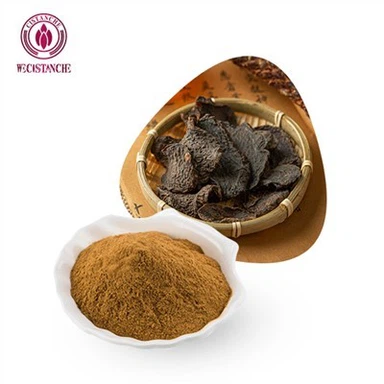
In the vast and boundless desert, there is a plant that grows tenaciously, which is called the "desert ginseng," Cistanche deserticola. Cistanche deserticola may be unfamiliar to some people, but in the field of traditional Chinese medicine, it is a precious medicinal herb with a long history and excellent efficacy.
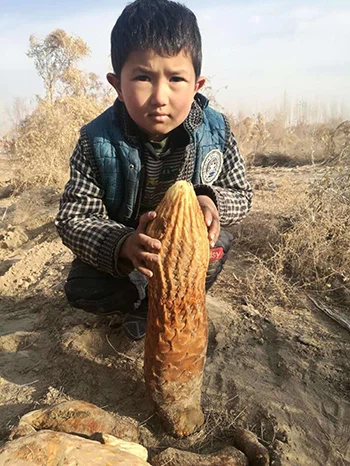
Superman herbs cistanche
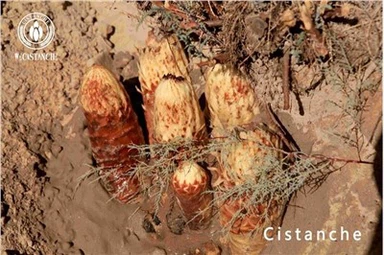
Cistanche deserticola is a parasitic plant that silently parasitizes the roots of the desert tree Salix matsudana, silently absorbing nutrients and water from its host, and reproducing in harsh desert environments in a unique way. Most of its entire plant grows underground, and only during specific seasons does it extend its spike like inflorescence to the ground, blooming with unique flowers.
The medicinal history of Cistanche deserticola has a long and rich history. As early as ancient times, it was regarded as a treasure by various countries in the Western Regions and served as a precious tribute to the imperial court. There are also many records of Cistanche deserticola in traditional Chinese medicine classics throughout history. It is warm, sweet, and salty, and belongs to the kidney and large intestine meridians. It has the effects of tonifying kidney yang, nourishing essence and blood, moistening intestines, and promoting bowel movements. It is commonly used to treat diseases such as kidney yang deficiency, essence and blood deficiency, impotence and infertility, soreness and weakness of the waist and knees, muscle and bone weakness, intestinal dryness, and constipation.
However, today we are going to explore a relatively new research field of Cistanche deserticola - its immunomodulatory effects on intestinal tumors. Intestinal tumors, including benign and malignant tumors, are a major category of diseases that seriously threaten human health. With the change of modern lifestyle and the aggravation of population aging, the incidence rate of intestinal tumors is increasing year by year. At present, the treatment of intestinal tumors mainly includes conventional methods such as surgery, chemotherapy, and radiotherapy, but these treatment methods often come with various side effects, which have a significant impact on the patient's body and quality of life.
So, what role can Cistanche deserticola, an ancient desert treasure, play in the prevention and treatment of intestinal tumors? Can it really have a positive impact on ithe mmune regulation of intestinal tumors, as some studies suggest? Next, let's delve into the mystery between Cistanche deserticola and intestinal tumors together.
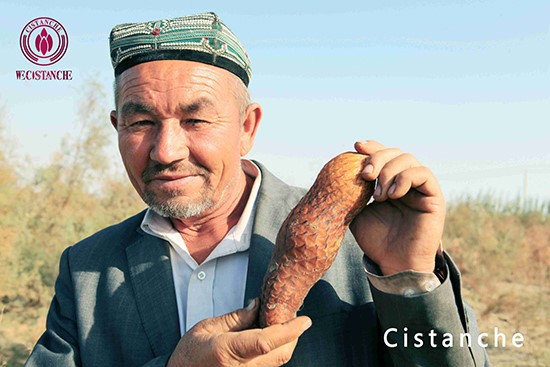
Harvest of Cistanche deserticola
Intestinal tumors: the enemy of the immune system
The intestine, as an important component of the human digestive system, plays a crucial role in digesting food, absorbing nutrients, and excreting waste. However, when the intestinal tumor quietly descended, everything was shattered. Intestinal tumors, this hidden "health killer" deep in the intestine, are gradually becoming a major threat to human life and health.
Intestinal tumors include benign tumors and malignant tumors, among which malignant tumors, also known as colon cancer, rectal cancer, etc., pose a more serious threat. In recent years, with the change of lifestyle, such as high calorie, high fat, low fiber diet, combined with the influence of insufficient exercise, long-term smoking and drinking, environmental pollution, and other factors, the incidence rate of intestinal tumors has shown a significant upward trend. According to relevant data, the incidence rate of intestinal cancer ranks first among all kinds of cancers worldwide, and the number of new cases continues to increase every year, which brings a heavy burden to patients and their families.
From the perspective of the pathogenesis of intestinal tumors, it is a complex process involving multiple factors and steps. Under normal circumstances, the growth, proliferation, and apoptosis of intestinal cells are in a precisely regulated equilibrium state. But when subjected to the combined effects of genetic factors, environmental factors, dietary factors, and other factors, the genes of intestinal cells may undergo mutations, leading to uncontrolled cell proliferation, inhibited apoptosis, and gradual formation of tumors. Tumor cells continuously grow and invade the intestine, which not only damages the normal tissue structure and function of the intestine, but also leads to a series of symptoms such as abdominal pain, diarrhea, constipation, rectal bleeding, and intestinal obstruction, seriously affecting the quality of life of patients; Remote metastasis may also occur, invading other important organs such as the liver and lungs, endangering the patient's life.

Desert ginseng-Improve immunity
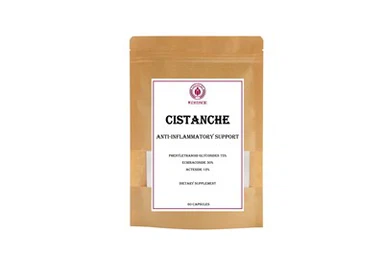
Click here to view Cistanche Enhance Immunity products
【Ask for more】 Email:cindy.xue@wecistanche.com / WhatsApp: 0086 18599088692 / Wechat: 18599088692
In this battle against intestinal tumors, our immune system plays a crucial role. The immune system, like the body's "defense force," constantly monitors every move of cells in the body. Once abnormal cells, such as tumor cells, are detected, the immune response is immediately activated, attempting to recognize and eliminate them. In the early stages of intestinal tumor development, immune cells in the immune system, such as T cells, B cells, natural killer cells (NK cells), etc., are activated by antigens on the surface of tumor cells. T cells will differentiate into cytotoxic T cells and directly attack tumor cells; B cells produce specific antibodies that bind to tumor cells and label them for clearance by other immune cells; NK cells can directly kill tumor cells without prior exposure to antigens. These immune cells cooperate to form a strong defense line, chasing and intercepting tumor cells.
However, tumor cells are not "sitting still"; they will use various means to evade the surveillance and attack of the immune system. Tumor cells can reduce the expression of their surface antigens, making it difficult for immune cells to recognize them; It also secretes some immunosuppressive factors, such as interleukin-10 (IL-10), transforming growth factor - β (TGF - β), etc., which inhibit the activity and function of immune cells, interfere with the normal signal transduction of the immune system, and create an immunosuppressive microenvironment conducive to its growth and survival. In this microenvironment, the activity of immune cells is inhibited and cannot effectively exert anti-tumor effects, allowing tumor cells to grow and spread.
It is precisely because of the complex interaction between tumor cells and the immune system that immune regulation plays a crucial role in the treatment of intestinal tumors. By regulating the function of the immune system, we can enhance the recognition and killing ability of immune cells towards tumor cells, break the immunosuppressive microenvironment created by tumor cells, and restore the normal anti-tumor function of the immune system. Immune regulation can not only improve the efficacy of traditional treatment methods such as surgery, chemotherapy, and radiotherapy, but also reduce tumor recurrence and metastasis, and improve the survival rate and quality of life of patients. It has opened up a new path for the treatment of intestinal tumors and brought new hope.
The magical power of Cistanche deserticola
The reason why Cistanche deserticola can play a role in the immune regulation of intestinal tumors is due to its rich active ingredients. These active ingredients are like magical "little elves", each exerting unique effects, working together to fight against intestinal tumors.
Cistanche glycosides, as one of the important active ingredients in Cistanche deserticola, have significant antioxidant and anti-inflammatory effects. It can act like a "cleaner" to eliminate excessive free radicals in the body, reduce oxidative stress damage to cells, and protect the integrity and function of intestinal mucosal cells. Oxidative stress is one of the important factors in the occurrence and development of intestinal tumors. Excessive free radicals can attack biomolecules such as DNA, proteins, and lipids inside cells, leading to cell damage and gene mutations, which in turn can trigger tumors. Cistanche glycosides effectively reduce oxidative stress levels, decrease the risk of cell damage and gene mutations, and build a solid defense line for intestinal health through antioxidant effects. Cistanche glycosides can also regulate inflammatory responses, inhibit the release of inflammatory factors, and alleviate intestinal inflammation. Intestinal inflammation is closely related to the occurrence of intestinal tumors. Long-term chronic inflammation can stimulate abnormal proliferation of intestinal cells, increasing the likelihood of tumor occurrence. Cistanche glycosides reduce the risk of intestinal tumors by inhibiting inflammatory responses, which is of great significance for the prevention and treatment of intestinal tumors.

effects of cistanche-antitumor
Cistanche polysaccharides are one of the core components of Cistanche that exert immune regulatory effects. It is like an "immune activator" that can enhance the body's immune function, especially having a significant regulatory effect on the activity and function of immune cells. Research has shown that polysaccharides from Cistanche deserticola can promote the proliferation and activation of immune cells such as T cells, B cells, and NK cells, enhancing their ability to recognize and kill tumor cells. T cells are important cells in the immune system, capable of directly killing tumor cells and assisting other immune cells in their function; B cells can produce antibodies and participate in humoral immune responses; NK cells have natural anti-tumor activity and can directly kill tumor cells. Cistanche polysaccharides enhance the immune system's ability to attack tumor cells by promoting their proliferation and activation, allowing the immune system to more effectively recognize and eliminate tumor cells. Polysaccharides from Cistanche deserticola can also regulate the secretion of cytokines by immune cells, such as interleukins and interferons. These cytokines play an important role in immune regulation by activating other immune cells, enhancing their activity, promoting cooperation between immune cells, and forming a powerful anti-tumor immune network.
Phenolic compounds are also important active ingredients in Cistanche deserticola that cannot be ignored. They have multiple biological activities and play a unique role in the immune regulation of intestinal tumors. Phenolic compounds can enhance the body's anti-tumor immune function by activating the activity of NK cells and cytotoxic T lymphocytes (CTLs). NK cells and CTLs are the "special forces" in the immune system, capable of directly killing tumor cells. Their increased activity means stronger killing power against tumor cells. Phenolic compounds can also inhibit tumor cell angiogenesis, cut off the nutritional supply to tumor cells, and thus inhibit tumor growth and metastasis. The growth and metastasis of tumors rely on a sufficient blood supply, and angiogenesis is a key link in tumor growth and metastasis. Phenolic compounds effectively inhibit tumor growth and metastasis by suppressing tumor angiogenesis, providing new ideas and methods for the treatment of intestinal tumors.
These active ingredients do not act in isolation, they work together to form a complex and intricate regulatory network. The antioxidant and anti-inflammatory effects of Cistanche glycosides provide a favorable internal environment for the immunomodulatory effects of Cistanche polysaccharides and phenolic compounds, reducing oxidative stress and inflammation damage to immune cells and enabling them to function better; The role of polysaccharides from Cistanche deserticola in enhancing immune function provides strong immune support for the anti-tumor effects of Cistanche glycosides and phenolic compounds, enabling them to act more effectively on tumor cells; Phenolic compounds activate immune cells and inhibit tumor angiogenesis, and work together with the polysaccharides and glycosides of Cistanche deserticola to inhibit tumor growth and metastasis. They are like a well-trained army, with various branches closely cooperating and working together to fight against the "enemy" of intestinal tumors, bringing new hope for immune regulation and treatment of intestinal tumors.

Chinese herb Cistanche-antitumor
Scientific verification: The strength of Cistanche deserticola
The immunomodulatory effect of Cistanche deserticola on intestinal tumors is not just a theoretical speculation, but a large amount of scientific research has provided solid evidence to support it. These studies reveal the important role of Cistanche deserticola in the prevention and treatment of intestinal tumors from multiple perspectives.
Among numerous studies, cell experiments are one of the important means to explore the mechanism of action of Cistanche deserticola. Researchers applied extracts of Cistanche deserticola to intestinal tumor cells and observed their growth, proliferation, apoptosis, and other conditions through a series of experimental techniques. The experimental results were surprising, as the extract of Cistanche deserticola can significantly inhibit the proliferation of intestinal tumor cells, like putting the "brake" on the crazy growth of tumor cells. The extract of Cistanche deserticola can also induce apoptosis of tumor cells, promote their self-destruction, and thus reduce the number of tumor cells.
To further verify the anti-tumor effect of Cistanche deserticola in vivo, animal experiments were also conducted. Researchers established a mouse model of intestinal tumors and administered Cistanche deserticola extract orally to the mice. After some time, the growth of the tumors in the mice was observed. As a result, it was found that the tumor volume of mice treated with Cistanche deserticola extract was significantly smaller than that of the control group, and the growth rate of tumors was effectively inhibited. The survival period of mice was also significantly prolonged. This indicates that the extract of Cistanche deserticola can also exert good anti-tumor effects in vivo, providing strong support for the treatment of intestinal tumors.
In addition to inhibiting tumor cell proliferation and inducing apoptosis, Cistanche deserticola also performs well in regulating immune cell function. Research has shown that polysaccharides from Cistanche deserticola can significantly enhance the proliferation ability of T cells and B cells, making them more active and enhancing the body's cellular and humoral immune functions. T cells are like "special forces" in the immune system, capable of directly killing tumor cells; B cells can produce antibodies to label tumor cells for clearance by other immune cells. Cistanche polysaccharides can also enhance the activity of NK cells, which are the "natural killers" in the immune system and can directly recognize and kill tumor cells without prior exposure to antigens. Under the regulation of polysaccharides from Cistanche deserticola, these immune cells work together to form a powerful anti-tumor defense line, launching a comprehensive attack on intestinal tumor cells.

Cistanche deserticola-improve immunity
The phenolic compounds in Cistanche deserticola also play an important role in immune regulation. They can activate signaling pathways within immune cells and promote the secretion of cytokines such as interleukin-2 (IL-2), interferon-γ (IFN-γ), etc. These cytokines act as "messengers" in the immune system, activating other immune cells, enhancing their activity, promoting cooperation between immune cells, and further enhancing the body's anti-tumor immune function.
The regulatory effect of Cistanche deserticola on the microenvironment of intestinal tumors has also attracted the attention of researchers. The tumor microenvironment is an important site for the growth, proliferation, and metastasis of tumor cells, in which immune cells, cytokines, blood vessels, and other factors interact and jointly affect the development of tumors. Research has found that extracts from Cistanche deserticola can regulate the proportion of immune cells in the intestinal tumor microenvironment, increase immune cell infiltration, and transition the tumor microenvironment from an immunosuppressive state to an immune-activated state. The extract of Cistanche deserticola can also inhibit tumor angiogenesis, cut off the nutritional supply to tumor cells, and thus inhibit tumor growth and metastasis.
These scientific research results fully demonstrate the significant effect of Cistanche deserticola in the immune regulation of intestinal tumors. Cistanche deserticola works synergistically through multiple pathways to inhibit the growth and proliferation of intestinal tumor cells, induce tumor cell apoptosis, enhance the body's immune function, regulate the tumor microenvironment, and provide new strategies and methods for the treatment of intestinal tumors.
Clinical Application: Light of Hope
At present, although the clinical application of Cistanche deserticola in intestinal tumors is still in the exploratory stage, it has shown promising potential. In some clinical practices, Cistanche deserticola is used as an adjuvant therapy, combined with traditional methods such as surgery, chemotherapy, and radiotherapy, bringing new hope to patients with intestinal tumors.
In a clinical study, researchers selected a certain number of patients with intestinal tumors and divided them into two groups. The experimental group received adjuvant treatment with Cistanche deserticola extract in addition to conventional treatment; The control group only received conventional treatment. After a period of observation and follow-up, it was found that the immune function of the experimental group patients had significantly improved. The activity of immune cells, such as T cells, B cells, and NK cells, in their bodies has significantly increased, and the number of immune cells has also increased, which enables their bodies to better resist the invasion of tumor cells.
The experimental group patients also showed significant improvement in their quality of life. Their fatigue has decreased, their appetite has increased, their sleep quality has improved, and their physical and mental states have significantly improved. These improvements not only make patients feel more comfortable physically but also provide them with great psychological support, enhancing their confidence in overcoming the disease.
Cistanche deserticola also plays an important role in reducing the side effects of chemotherapy and radiotherapy. Chemotherapy and radiotherapy, while killing tumor cells, can also cause damage to normal cells, leading to a series of side effects such as nausea, vomiting, hair loss, and bone marrow suppression in patients, seriously affecting their quality of life and treatment compliance. And the extract of Cistanche deserticola can alleviate these side effects and protect normal cells from damage. It can regulate the gastrointestinal function of patients, alleviate gastrointestinal reactions such as nausea and vomiting; It can also promote bone marrow hematopoietic function, alleviate bone marrow suppression, increase the number of white blood cells and platelets in patients, enhance their resistance, and enable patients to better tolerate chemotherapy and radiotherapy.
In addition to using Cistanche deserticola extract alone for adjuvant therapy, researchers have also attempted to combine Cistanche deserticola with other traditional Chinese medicines to achieve synergistic effects. The combination of Cistanche deserticola with traditional Chinese medicines such as Astragalus membranaceus and Codonopsis pilosula can enhance the body's vital energy and improve immune function. When combined with traditional Chinese medicines such as Atractylodes macrocephala and Poria cocos, it can regulate spleen and stomach function, promote nutrient absorption, and improve the physical condition of patients. These traditional Chinese medicine compatibility schemes have also achieved certain therapeutic effects in clinical practice, providing more choices for the traditional Chinese medicine treatment of intestinal tumors.
Although some positive results have been achieved in the clinical application of Cistanche deserticola in intestinal tumors, there are still certain limitations in current research. The research sample size is relatively small, the research time is short, and there is a lack of large-scale, multicenter, long-term clinical studies to further verify its efficacy and safety. Further research and exploration are needed on the optimal dosage, usage method, and optimal combination therapy with other treatment methods for Cistanche deserticola.
I believe that with the continuous deepening of research and the accumulation of clinical practice, the role of Cistanche deserticola in the treatment of intestinal tumors will be more fully utilized. It is expected to become an important component of comprehensive treatment for intestinal tumors, bringing more benefits to patients with intestinal tumors, helping them overcome the disease, and regain health.
Exploration and Prospect: Promising Future
Cistanche deserticola, an ancient and mysterious desert treasure, has shown great potential and unique value in the immune regulation of intestinal tumors. From its rich active ingredients to its inhibitory effects on the growth, proliferation, and apoptosis of intestinal tumor cells, to its enhancement of immune function and regulation of the tumor microenvironment, Cistanche deserticola has opened up new avenues for the treatment of intestinal tumors and brought new hope.
A large amount of scientific research has fully confirmed the significant effect of Cistanche deserticola in the immune regulation of intestinal tumors. Cell and animal experiments have revealed the molecular mechanism and cellular biology basis of the action of Cistanche deserticola, while preliminary clinical studies have shown its feasibility and effectiveness in practical applications. As an adjuvant therapy, the combination of Cistanche deserticola and traditional treatment methods can not only enhance the therapeutic effect but also reduce the side effects of chemotherapy and radiotherapy, and improve the quality of life of patients.
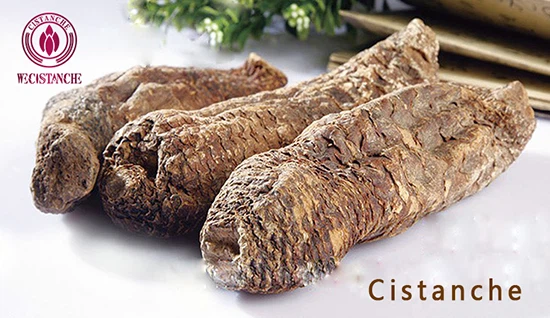
Superman herbs cistanche
However, we must also be aware that current research on the immunomodulatory effects of Cistanche deserticola on intestinal tumors is still in its early stages, and there are still many unknown areas waiting for us to explore. The research sample size is relatively small, the research time is short, and there is a lack of large-scale, multicenter, long-term clinical studies to further verify its efficacy and safety. Further research and optimization are needed on the optimal dosage, usage method, and optimal combination therapy with other treatment methods for Cistanche deserticola.
Looking ahead to the future, we are full of expectations for the application of Cistanche deserticola in the treatment of intestinal tumors. With the continuous development of modern science and technology, such as the widespread application of gene editing technology, single-cell sequencing technology, artificial intelligence technology, etc., we have reason to believe that the immune regulatory mechanism of Cistanche deserticola will be further revealed. Through interdisciplinary integration, we can gain a more comprehensive understanding of the interaction between the active ingredients of Cistanche deserticola and the body's immune system, providing a solid theoretical foundation for developing more effective treatment strategies.
We call on more researchers to devote themselves to the research of Cistanche deserticola, increase research efforts, conduct more high-quality clinical studies, and further verify the efficacy and safety of Cistanche deserticola. We also hope that relevant enterprises can actively participate, strengthen technological innovation, and develop more safe and effective products using Cistanche deserticola as raw material, providing more treatment options for patients with intestinal tumors.
As a natural Chinese medicinal herb, Cistanche deserticola has unique advantages and potential. I believe that in the near future, with the continuous deepening of research and the continuous advancement of technology, Cistanche deserticola will play a greater role in the treatment of intestinal tumors, bringing good news to many intestinal tumor patients around the world, helping them overcome diseases and regain a healthy and happy life.