Cistanche Deserticola, The Nemesis Of Cancer Or The Deified Fairy Grass?
Mar 20, 2025
The mysterious veil of Cistanche deserticola
In the vast and boundless desert filled with yellow sand, an extremely magical plant grows - Cistanche deserticola. It is like a mysterious hermit hidden deep in the desert, full of legendary colors. As a perennial parasitic herbaceous plant, Cistanche deserticola mainly parasitizes on the roots of plants such as red and red willows and has unique requirements for its growth environment. It is fond of desert areas with drought, low rainfall, long sunshine hours, and large temperature differences between day and night, such as Inner Mongolia, Ningxia, Gansu, and Xinjiang in China, which are ideal habitats for it.

Uyghur girl holding Cistanche deserticola in her hand
From the appearance, Cistanche deserticola has a fleshy stem, presenting a flattened cylindrical shape, slightly curved, with a length of about 3-15 centimeters and a diameter of about 2-8 centimeters. The body is densely covered with fleshy scales arranged in a tile-like pattern as if wearing a unique armor. Under the scales, longitudinal lines are hidden, adding a touch of mystery to it. Its flowers are in a spike-like inflorescence, with the top growing at the stem end. The flowers are brightly colored, mostly purple-brown, or yellow-white. The flowering period is from May to June, and the fruiting period is from June to July.
Cistanche deserticola occupies a pivotal position in traditional medicine and is known as the "desert ginseng" with a long history of medicinal use. In the "Shennong Bencao Jing", there is a record of the medicinal value of Cistanche deserticola, which is listed as a top-grade herb. It is said to be "mainly used for five labor and seven injuries, tonifying the middle, removing cold, heat, and pain from the stem, nourishing the five organs, strengthening yin, nourishing essence, and qi, and treating women's ailments". In ancient times, Cistanche deserticola was not only a precious medicinal herb but also a treasure presented to the imperial court by various countries in the Western Regions, which shows its preciousness.
In folk culture, there are still many touching legends about Cistanche deserticola. According to legend, Genghis Khan fell into a difficult situation during a battle and was trapped in a sand mountain covered in red willow forests, hungry and exhausted. At this moment, the heavenly god dispatched a divine horse to assist. The divine horse shot its essence and blood toward the roots of the red willow tree and then used its hooves to dig out a plant root block that looked like a reproductive organ. This was the Cistanche deserticola. After Genghis Khan and his generals consumed it, their divine power suddenly surged and they successfully charged down the sand mountain, defeating the enemy. Although this legend carries a strong mythological color, it also indirectly reflects the magical effects of Cistanche deserticola in people's hearts. Due to its unique growth environment, significant medicinal value, and mysterious legend, Cistanche deserticola has aroused people's curiosity, especially its role in anti-cancer, which has attracted widespread attention and in-depth research.

cistanche benefits for men
The association between Cistanche deserticola and cancer treatment
In recent years, with the continuous deepening of research on the anti-cancer effects of natural medicines, Cistanche deserticola has gradually entered the field of researchers' vision and become a new star in the field of anti-cancer research. At present, remarkable achievements have been made in the research of the anti-cancer effect of Cistanche deserticola, which is like scattered stars in the dark, bringing new hope and ideas for the treatment of cancer.
From the perspective of experimental research, many experiments have confirmed the potential of Cistanche deserticola in anti-cancer. In vitro cell experiments, researchers applied extracts of Cistanche deserticola to various cancer cells, such as liver cancer cells, lung cancer cells, leukemia cells, etc., and found that these extracts could significantly inhibit the growth and proliferation of cancer cells. Like a precise surgical knife, it can precisely cut through the "chain" of cancer cells that are crazily dividing, preventing them from spreading uncontrollably.

Cistanche deserticola experiment
In terms of animal experiments, researchers further validated the anti-cancer efficacy of Cistanche deserticola by constructing tumor-bearing animal models. Taking liver cancer-bearing mice as an example, after gavage of total glycosides of Cistanche deserticola, it was found that the tumor volume in the mice significantly decreased and the tumor inhibition rate significantly increased. According to relevant data statistics, the tumor inhibition rates of the low, medium, and high dose total glycosides treatment groups of Cistanche deserticola reached 6.133 2%, 18.270 6%, and 26.8557%, respectively, showing a clear dose-dependent relationship. Moreover, throughout the entire experimental process, the total glycosides of Cistanche deserticola did not have any adverse effects on the normal growth of mice while inhibiting tumor growth. The mice's diet, activity ability, etc. were in a normal state, which undoubtedly added strong evidence for the application of Cistanche deserticola in the field of anti-cancer.
Can Cistanche deserticola treat cancer?
Evidence of scientific research
Numerous scientific studies have provided strong evidence to support the anti-cancer effects of Cistanche deserticola. Modern scientific research has found that Cistanche deserticola contains various bioactive chemical components, such as phenylethanoid glycosides, cyclohexene ether terpenes, lignans, flavonoids, polysaccharides, etc. These components act as "anti-cancer guardians" and play their unique roles in the anti-cancer process.

effects of cistanche-antitumor
Phenylethanoid glycosides are one of the main active ingredients in Cistanche deserticola, which can inhibit the growth of tumor cells through various pathways. On the one hand, it can induce apoptosis of tumor cells, just like sending a signal of "self-destruction" to tumor cells, causing them to follow the normal procedure toward death; On the other hand, it can also block the tumor cell cycle, preventing tumor cells from entering the next stage, thereby inhibiting tumor cell proliferation. Research has shown that the two phenylethanoid glycosides, pineal glycoside, and verbascoside, in Cistanche deserticola, have significant inhibitory effects on the growth of various tumor cells such as HepG2 and A549 in vitro experiments.
Cistanche polysaccharides are also an important anti-cancer ingredient that cannot be ignored. It has immune regulatory effects, which can enhance the body's immunity, and activate immune cells such as macrophages, T lymphocytes, B lymphocytes, etc., enabling them to better recognize and attack tumor cells. Cistanche polysaccharides can also create an unfavorable environment for tumor cell growth by regulating cytokine secretion. In animal experiments, injecting polysaccharides from Cistanche deserticola into tumor-bearing mice significantly inhibited tumor growth and enhanced immune function.
The situation of clinical application
In clinical practice, although Cistanche deserticola cannot be used as a single primary treatment to cure cancer, it is often used as an adjuvant drug in combination with conventional treatments such as surgery, chemotherapy, and radiation therapy, bringing more benefits to cancer patients. It can alleviate the adverse reactions caused by chemotherapy and radiotherapy, and improve the quality of life of patients. Chemotherapy drugs not only kill cancer cells, but also cause damage to normal cells, leading to adverse reactions such as nausea, vomiting, hair loss, and weakened immunity in patients. The active ingredients in Cistanche deserticola can regulate the physiological functions of the body, protect normal cells from damage caused by chemotherapy drugs, and thus alleviate these adverse reactions. In some clinical studies, the combination of Cistanche deserticola and chemotherapy drugs has been found to significantly reduce gastrointestinal reactions such as nausea and vomiting in patients, and maintain a relatively stable level of white blood cell count. This enables patients to better tolerate chemotherapy and improve treatment compliance.
Cistanche deserticola can also enhance the immune system of cancer patients and strengthen their ability to fight cancer. During the process of cancer, due to the depletion of tumors and the impact of treatment, the body is often in a weak state, with low immunity and susceptibility to various infections. The polysaccharides, flavonoids, and other components in Cistanche deserticola can activate immune cells, promote their proliferation and differentiation, enhance their activity, and thus improve the body's immunity. For some advanced cancer patients who cannot withstand intense treatment due to poor physical condition, Cistanche deserticola can be used as a mild conditioning drug to help them improve their physical condition and prolong their survival. However, we must also be aware that Cistanche deserticola has certain limitations in cancer treatment. It currently cannot completely replace mainstream cancer treatment methods such as surgery, chemotherapy, and radiation therapy. Cancer is an extremely complex disease that involves abnormalities in multiple genes and signaling pathways in its occurrence and development. It requires the comprehensive use of multiple treatment methods to achieve good therapeutic effects. Moreover, the anticancer mechanism of Cistanche deserticola is not yet fully understood. The content and activity of its active ingredients may vary among different regions, harvesting times, and processing methods of Cistanche deserticola, which also poses certain challenges for its clinical application. Therefore, when using Cistanche deserticola as an adjuvant therapy for cancer, it is necessary to do so under the guidance of a doctor. Based on the patient's specific condition, physical condition, and other factors, the type, dosage, and method of use of the drug should be reasonably selected to ensure the safety and effectiveness of the treatment. Although Cistanche deserticola cannot be used alone in cancer treatment, as a powerful assistant in adjuvant therapy, it plays an important role in reducing patients' pain, improving their quality of life, enhancing their immunity, and providing new ideas and methods for comprehensive treatment of cancer.
What cancers can Cistanche deserticola prevent and treat?
Specific types of cancer
Lung cancer, as a common malignant tumor, poses a serious threat to human health. Cistanche deserticola has demonstrated unique roles in the prevention and treatment of lung cancer. From the perspective of traditional Chinese medicine theory, the occurrence of lung cancer is often related to factors such as deficiency of positive qi, phlegm stasis, and internal accumulation of heat and toxins. Cistanche deserticola has the effects of tonifying the kidneys, nourishing essence, moistening the intestines, and promoting bowel movements. It can regulate the internal environment of the human body, enhance the body's vitality, and thus prevent lung cancer. In terms of treatment, Cistanche deserticola can be combined with other traditional Chinese medicines to jointly play a role in strengthening the body and eliminating evil. For lung cancer patients with qi and yin deficiency, adding Cistanche deserticola to traditional Chinese medicine formulas that nourish qi and yin, detoxify, and eliminate accumulation can enhance the kidney tonifying effect, improve the patient's immunity, alleviate the adverse reactions of chemotherapy and radiotherapy, help patients better recover their physical strength, and improve their quality of life.

Main Chemical Constituents of Cistanche deserticola
Liver cancer is also a malignant tumor with a high incidence rate and mortality. Cistanche deserticola also has a certain effect on the prevention and treatment of liver cancer. Modern research has found that the total glycosides of Cistanche deserticola can regulate the gut microbiota, improve the gut microbiota environment, and reduce the risk of liver cancer. The gut microbiota is closely related to the occurrence and development of liver cancer. Some harmful gut microbiota can produce toxins, damage liver cells, and promote the occurrence of liver cancer. The total glycosides of Cistanche deserticola can regulate the composition of intestinal microbiota, inhibit the growth of harmful bacteria, promote the reproduction of beneficial bacteria, maintain the balance of intestinal microbiota, and thus reduce the risk of liver cancer. In the treatment of liver cancer, the total glycosides of Cistanche deserticola can inhibit the growth and proliferation of liver cancer cells, and induce apoptosis of liver cancer cells. In animal experiments, after gavage of total glycosides of Cistanche deserticola to tumor-bearing mice, the tumor volume in the mice significantly decreased and the tumor inhibition rate significantly increased, indicating that total glycosides of Cistanche deserticola have certain anti-liver cancer activity.
In addition to lung cancer and liver cancer, Cistanche deserticola also has certain applications in the prevention and treatment of other cancers. For patients with yang deficiency type colorectal cancer, Cistanche deserticola can be used in combination with detoxifying and dispersing products such as red vine, wild grapevine, locust, and elm, which can tonify kidney yang, nourish essence and blood, detoxify and disperse nodules, help alleviate patients' symptoms, and improve their quality of life. In the treatment of kidney cancer, Cistanche deserticola is often combined with kidney tonifying and dispersing products such as Eucommia ulmoides, Dipsacus, Epimedium, Wisteria sinensis, and Raspberries, which can enhance the effect of kidney tonifying, inhibit the growth of tumor cells, and improve the survival rate of patients. For patients with bone cancer, the combination of Cistanche deserticola with products such as Chinese soft-shelled turtle beetle, bone fragment supplement, Morinda Officinalis, Eucommia ulmoides, and Dipsacus officinalis that can remove blood stasis, disperse nodules, and strengthen tendons and bones can help improve patients' bone pain symptoms, enhance bone strength, and improve their self-care ability. Cistanche deserticola has a certain role in the prevention and treatment of various cancers, especially suitable for cancer patients with weak constitutions, and insufficient positive energy, as well as those who have problems such as chemotherapy resistance and weakened immunity during cancer treatment.

effects of cistanche-antitumor
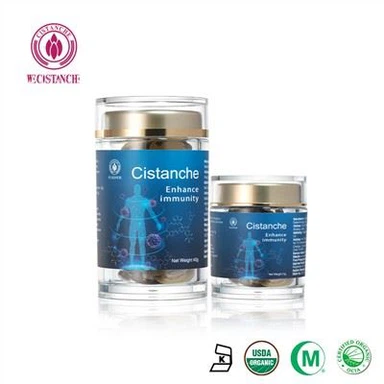
Click here to view Cistanche Enhance Immunity products
【Ask for more】 Email:cindy.xue@wecistanche.com / Whats App: 0086 18599088692 / Wechat: 18599088692
Related research cases
Professor Yan Wenjie's research team from Beijing Union University experimented on the effect of total glycosides of Cistanche deserticola on HepG2 liver cancer-bearing mice. In the experiment, researchers subcutaneously injected HepG2 liver cancer cells into the right hind leg of mice. After the cells continued to proliferate into tumors, the mice were orally administered different doses of total glycosides of Cistanche deserticola. Through observation, it was found that the total glycosides of Cistanche deserticola inhibit solid tumors in nude mice without affecting their normal growth. During the entire feeding process, the body weight of the nude mice grew normally, their diet was normal, and there were no toxic side effects. As the tumor continued to grow, in the later stage of intervention, the model group mice showed poor mental state, slow movement, decreased appetite, weight loss, decreased vitality, and pale skin, gradually exhibiting cachexia; The nude mice in other treatment groups had good mental state, rosy skin, and normal activity ability. In the early stage of intervention, the body mass growth rate of each dose group of total glycosides of Cistanche deserticola was higher than that of other groups, indicating that total glycosides of Cistanche deserticola can provide certain nutritional supplements to nude mice.
From the changes in tumor volume, in the early stage of intervention, compared with the model group, the growth trend of the treatment group was relatively slow. When cancer cells rapidly proliferate and the tumor volume continues to expand, the total glycosides of Cistanche deserticola have a certain inhibitory effect on tumor volume in vivo, and high-quality concentrations have better inhibitory effects. From the data of organ index and tumor inhibition rate, compared with the model group, the liver index and spleen index of mice treated with total glycosides of Cistanche deserticola were correspondingly reduced, and there was a dose-response relationship. The tumor mass of each treatment group was smaller than that of the model group, indicating that total glycosides of Cistanche deserticola had a certain degree of inhibitory effect on tumors in HepG2 tumor-bearing mice, with tumor inhibition rates of 6.133 2%, 18.270 6%, and 26.8557%, respectively, which were dose-dependent. In terms of organizational observation, the model group showed irregular structures and granular cytoplasm, with most liver cells swollen in volume, loose cytoplasm, and enlarged intercellular spaces. Some liver cells showed infiltration of surrounding micrometeoroid cells. In each treatment group, the liver cell structure of mice was more regular, with reduced necrosis and reduced inflammatory cell infiltration. The liver cells were polygonal or almost circular, with light eosinophilic staining. The nucleus was circular or polygonal, located in the center, with sparse chromatin and a clear nuclear membrane. The HE staining results of tumor tissue showed that the tumor cells in the model group mice were normal, grew vigorously, had large nuclei, irregular arrangement of tumor cells, tightly distributed, and intact cell structure. The distribution of tumor cells in each treatment group became increasingly sparse, with nuclear condensation, an increased degree of vacuolar transformation, cell rupture, and even dissolution necrosis, and unclear structure. Among them, the high-dose total glycosides of the Cistanche deserticola group had the most significant effect on tumor cell necrosis. This study fully demonstrates that the total glycosides of Cistanche deserticola have significant effects on the treatment of liver cancer, providing strong experimental evidence for the application of Cistanche deserticola in the field of liver cancer treatment.
Xu Wei and others from Gansu Provincial Hospital of Traditional Chinese Medicine conducted a study on the reversal effect of Cistanche deserticola on chemotherapy-resistant osteosarcoma cells. Researchers obtained high, medium, and low dose groups of drug-containing serum and blank group serum from SD rats by gavage of Cistanche deserticola aqueous solution. Then, human osteosarcoma chemotherapy-resistant MG-63 cells were divided into high dose group, medium-dose group, low-dose group, and blank group. MTX with IC50 concentration was used to intervene in each group of adherent cells. After 24 hours, the corresponding Cistanche deserticola drug-containing serum was added to the high, medium, and low-dose groups, and the control group serum was added to the blank group. The intervention was continued until the saline group cells stably grew in MTX with IC50 concentration, and the intervention was stopped in each group.
The experimental results showed that the drug resistance indices of cells in the high, medium, and low dose groups and blank group after intervention were 1.80, 2.55, 2.84, and 3.74, respectively. This indicates that the serum containing Cistanche deserticola can effectively reduce the drug resistance index of cells and reverse the resistance of chemotherapy-resistant osteosarcoma MG-63 cells. From the detection results of multidrug resistance protein 1 (MRP1) and P53 protein expression, it can be seen that after intervention with Cistanche deserticola containing serum, the expression of MRP1 in all groups of cells was downregulated, and there was a significant statistical difference compared with the blank group; Compared with the blank group, the expression of P53 protein was downregulated in all groups after drug intervention, and there was statistical significance among the groups. This suggests that the mechanism by which Cistanche deserticola reverses chemotherapy resistance in osteosarcoma cells may be related to the downregulation of MRP1 and P53 protein expression. This study provides new ideas and methods for the treatment of osteosarcoma and further proves the potential of Cistanche deserticola in the field of cancer treatment. These research cases demonstrate the application effects of Cistanche deserticola in cancer prevention and treatment from different perspectives, laying a solid foundation for further research and application of Cistanche deserticola in the field of anti-cancer.
Revealing the anti-cancer mechanism of Cistanche deserticola
Regulating the immune system
Cistanche deserticola plays a crucial role in regulating the immune system, and its mechanism of action is like a sophisticated command system that can accurately regulate the activity of immune cells, and promote their proliferation and differentiation. Macrophages, as the "vanguard" of the immune system, can engulf and eliminate foreign substances such as pathogens and cancer cells. Polysaccharides and other components in Cistanche deserticola can activate macrophages, enhance their phagocytic ability, and enable them to more effectively recognize and eliminate cancer cells. When macrophages are activated by Cistanche deserticola, they release various cytokines such as tumor necrosis factor-alpha (TNF - α), interleukin-1 (IL-1), etc. These cytokines act as signal flares on the battlefield, further activating other immune cells such as T lymphocytes, B lymphocytes, etc., thereby enhancing the overall function of the immune system.
T lymphocytes play a central role in cellular immunity, as they can directly kill cells infected by pathogens and cancer cells. Cistanche deserticola can promote the proliferation and differentiation of T lymphocytes, increasing their quantity and enhancing their activity. Meanwhile, Cistanche deserticola can also regulate the proportion of T lymphocyte subsets, maintaining a balance between helper T cells (Th) and cytotoxic T cells (Tc), thereby enhancing the immune system's ability to attack cancer cells. For B lymphocytes, Cistanche deserticola can promote their production of antibodies and enhance humoral immune function. Antibodies are like small knives that can specifically bind to antigens on the surface of cancer cells, label them, and make them easier for immune cells to recognize and eliminate. Cistanche deserticola enhances the body's ability to recognize and attack cancer cells by regulating the immune system, providing a solid immune foundation for the prevention and treatment of cancer.
Antioxidant and anti-inflammatory effects
Cistanche deserticola has significant antioxidant and anti-inflammatory properties, which are also important mechanisms in its anti-cancer process. In the normal metabolic process of the human body, some free radicals are produced, such as superoxide anions (O2 ・ -), hydroxyl radicals (・ OH), etc. These free radicals are like "troublemakers" in the body. If not cleared in time, they will attack biomolecules in cells, such as DNA, proteins, lipids, etc., causing cell damage and gene mutations, thereby increasing the risk of cancer. The phenylethanoid glycosides, flavonoids, polysaccharides, and other components contained in Cistanche deserticola are powerful antioxidants that can act like "scavengers" to eliminate excessive free radicals in the body and reduce their damage to cells. Research has shown that extracts from Cistanche deserticola can significantly increase the activity of antioxidant enzymes such as superoxide dismutase (SOD), catalase (CAT), and glutathione peroxidase (GSH Px). These antioxidant enzymes can work together to convert free radicals into harmless substances, thereby protecting cells from oxidative damage.
Inflammation is closely related to the occurrence and development of cancer. Chronic inflammation can continuously stimulate cells, leading to abnormal cell proliferation and increasing the risk of cancer. The active ingredients in Cistanche deserticola can inhibit inflammatory reactions, and reduce the expression and activity of inflammatory factors. Inflammatory factors such as tumor necrosis factor alpha (TNF - α) and interleukin-6 (IL-6) play a key role in the inflammatory response. Cistanche deserticola can prevent cancer by inhibiting the production and release of these inflammatory factors, reducing the stimulation of cells by inflammation. For cancer that has already occurred, the antioxidant and anti-inflammatory effects of Cistanche deserticola can also alleviate oxidative stress and inflammation in cancer patients, alleviate the condition, and improve their quality of life. The antioxidant and anti-inflammatory properties of Cistanche deserticola fundamentally reduce cell damage and inflammatory stimulation, providing important support for the prevention and treatment of cancer.
Inducing apoptosis of cancer cells
Inducing apoptosis of cancer cells is one of the important mechanisms of Cistanche deserticola in anti-cancer treatment. It is like giving "death instructions" to cancer cells, allowing them to follow the normal procedure toward death, thereby inhibiting the growth and spread of tumors. Phenylethanoid glycosides in Cistanche deserticola, such as echinacoside and verbascoside, can induce cancer cell apoptosis through various pathways. They can regulate apoptosis-related signaling pathways within cells, such as activating the mitochondrial apoptosis pathway. Mitochondria play a crucial "on/off" role in cell apoptosis. When cells are stimulated by apoptotic signals, mitochondria release apoptotic factors such as cytochrome C, which activate a series of caspases, ultimately leading to cancer cell apoptosis. The active ingredients in Cistanche deserticola can increase the permeability of mitochondrial membranes, release cytochrome C into the cytoplasm, activate Caspase-9, and subsequently activate downstream key enzymes such as Caspase-3 that perform apoptosis, leading to cancer cell apoptosis.
Cistanche deserticola can also induce cancer cell apoptosis by regulating the expression of apoptosis-related genes. Bcl-2 family proteins are an important class of apoptosis regulatory proteins, among which Bcl-2 has anti-apoptotic effects, while Bax has pro-apoptotic effects. Cistanche deserticola can downregulate the expression of the Bcl-2 gene and upregulate the expression of the Bax gene, breaking the balance between Bcl-2 and Bax and causing cells to develop toward apoptosis. Research has found that the active ingredients in Cistanche deserticola can inhibit the proliferation of cancer cells and increase the proportion of apoptotic cells. By inducing apoptosis of cancer cells, it effectively inhibits the growth and spread of tumors. The mechanism by which Cistanche deserticola induces apoptosis in cancer cells provides a new strategy and method for cancer treatment. Cistanche deserticola plays an important role in the prevention and treatment of cancer by regulating the immune system, exerting antioxidant and anti-inflammatory effects, and inducing cancer cell apoptosis through various mechanisms.