Multidisciplinary Chinese Expert Consensus On Diabetes Mellitus Combined With Male Sexual Dysfunction Ⅱ
Nov 07, 2024
IV. Screening and diagnosis of diabetes combined with male sexual dysfunction
(I) Overview of screening and diagnosis
Adult male diabetic patients should be screened for sexual dysfunction. The first screening is recommended when diabetes is diagnosed, and screening should be conducted annually. For patients with no history of diabetes who come to see a doctor for sexual dysfunction, screening is recommended for combined diabetes.
in Cistanche Extract

Rational procedures for assessing diabetic patients with sexual dysfunction:
1. Medical history: presence of diabetes, blood sugar control, other complications of diabetes, other medical history/medication history (including prescription and over-the-counter drugs), psychological status, anxiety level during sexual intercourse, and harmony with sexual partners;
2. Physical examination: general status and full body examination, with emphasis on breasts, body hair distribution, genitals (testicles, epididymis, penis, prostate) and related nerve reflexes: bulbocavernosus reflex, anal sphincter tension, cremasteric reflex, etc.;
3. Laboratory examination: indicators related to genitourinary system infection (urinalysis, prostatic fluid routine), blood biochemistry [blood sugar, creatinine, HbA1c, six sex hormones (LH, FSH, T, E2, PRL, SHBG) and free testosterone];
4. Special examinations (Table 1); 5. Application of diagnostic scales, such as the International Index of Erectile Function (IIEF) for the assessment of sexual dysfunction (Appendix 2), Premature Ejaculation Diagnostic Tool (PEDT) (Appendix 3) and Arizona Sexual Experience Scale - Male (A-SEX-Male) (Appendix 4); for initial psychological screening: depression self-rating scales such as: 9-item Patient Health Questionnaire (PHQ-9) (Appendix 5), Self-Rating Depression Scale (SDS) (Appendix 6), Beck Depression Inventory (BDI) (Appendix 7) and anxiety self-rating scales such as: 7-item Generalized Anxiety Disorder Scale (GAD-7) (Appendix 8), Self-Rating Anxiety Scale (SAS) (Appendix 9); 6. Others: In the initial assessment of most patients with sexual dysfunction, vascular (non-penile)/nerve examinations are usually not required [41]. Subsequent diagnosis and treatment may require more detailed nerve (Table 2) and vascular function tests (carotid and lower limb artery B-ultrasound, ankle-brachial ratio (ABI) and pulse wave velocity (PWV), arterial computed tomography vascular imaging, endothelial vasodilation function, etc.) for some patients.
Table 2 Commonly used objective examinations for diabetic neuropathy
| Test Item | Purpose | Advantages | Disadvantages |
|---|---|---|---|
| Electromyography (EMG) | Examine nerve and muscle excitation and conduction | Relatively objective and accurate; the "gold standard" for diagnosing large fiber neuropathy | Invasive; cannot objectively evaluate small fiber neuropathy |
| Quantitative Sensory Testing (QST) <br> (Vibratory and Thermal Threshold Testing) | Quantitative vibratory threshold helps diagnose large fiber nerve damage <br> Quantitative thermal (hot/cold) threshold helps diagnose small fiber nerve damage | Non-invasive | Requires patient cooperation, potentially introducing subjectivity |
| Skin Biopsy | PGP9.5 immunohistochemical staining of epidermal nerve fibers to observe epidermal nerve fiber density | Good stability and repeatability; the "gold standard" for diagnosing small fiber neuropathy | Invasive; operation is relatively complex |
| Examination Method | Description | Advantages | Disadvantages |
|---|---|---|---|
| Corneal Confocal Microscopy | Examine the density and morphology of corneal nerve fibers | Non-invasive; sensitivity and specificity are relatively good for diagnosing small fiber neuropathy; effective means | Relatively expensive; diagnostic criteria need further standardization |
| Skin Blister Aspiration | Examine the morphology and function of C-type nociceptive fibers after skin blister aspiration | Relatively objective; can assist in the diagnosis of small fiber neuropathy | Operation is complex |
| Heart Rate Variability | Analyze heart rate variability using rest method and timed deep breathing method | Non-invasive; relatively objective; effective means for diagnosing autonomic neuropathy | Easily influenced by external factors such as fatigue, nervousness, and concurrent medication; normal reference values also need further standardization |
The diagnosis of diabetes combined with sexual dysfunction can be roughly divided into two steps: (1) Disease diagnosis: that is, it is clear that there is diabetes combined with the different forms of sexual dysfunction mentioned above; (2) etiology diagnosis: that is, all possible causes of sexual dysfunction are clear ( Figure 2).

HERB CISTANCHE TREATS SEXUAL DYSFUNCTION
(2) Diabetes combined with erectile dysfunction
The diagnostic process for diabetes combined with erectile dysfunction is not significantly different from the general diagnostic process for erectile dysfunction. Diagnosis can be roughly divided into two steps:
1. Disease diagnosis: (1) Have a clear history of diabetes, and at the same time, according to the definition of erectile dysfunction (ED), clarify the existence of ED. For doctors with little experience in treating patients, it is recommended to use a scale or questionnaire (IIEF score) et al) [50,51] to screen patients for erectile function. The evaluation of erectile dysfunction generally includes the following aspects: whether the penis is erect in the morning, night and other situations, and the angle of erection (the angle between the penis when it is erect and the body when lying down or standing) ), erection maintenance time. (2) Physical examination: focus on penis, testicles, breast development, and distribution of pubic hair and beard. (3) Special examination: Nocturnal penile erection and hardness monitoring (NPTRT).
2. Etiological diagnosis: that is, identifying all possible pathological factors that lead to the development of diabetes combined with ED. This step is very important for treatment decisions in patients with diabetes and erectile dysfunction. Based on the medical history and physical examination, laboratory tests for screening for the causes of diabetes combined with erectile dysfunction should include six items such as blood sugar, glycosylated hemoglobin, routine blood tests, liver and kidney function, blood lipids, and sex hormones. Special tests include: systemic and local Vascular color Doppler ultrasound evaluation, neuromuscular function evaluation, NPTRT, etc.

(III) Diabetes combined with ejaculatory dysfunction
Ejaculatory dysfunction includes premature ejaculation, delayed ejaculation, weak ejaculation, retrograde ejaculation and anejaculation.
1. Diagnosis of diabetes combined with premature ejaculation
The diagnostic steps of diabetes combined with premature ejaculation are as follows: (1) Medical history: shortened sexual intercourse time, previous history of diabetes or laboratory test found elevated blood sugar or positive urine sugar, and further examination confirmed the presence of diabetes. (2) Physical examination: prostate anal digital examination, bulbocavernosus muscle reflex, anal sphincter tension, cremasteric reflex, sensitivity test of glans penis, etc. (3) Scale assessment of premature ejaculation: self-assessment of ejaculation latency by patients and partners and related questionnaire (PEDT) survey (Appendix 3). (4) Laboratory and special examinations: endocrine and nervous system function assessment, urogenital system inflammation assessment.
The etiology of diabetes combined with ejaculatory dysfunction is similar to that of diabetes combined with ED. That is, after the diagnosis of diabetes and ejaculatory dysfunction is confirmed, further evaluation (medical history, physical examination, laboratory tests) should be performed to clarify all possible factors and causes of diabetes combined with ejaculatory dysfunction. If the above laboratory evaluation indicators are not sufficient to determine the cause, further vascular and nerve function tests can be performed.
2. Diagnosis of diabetes combined with retrograde ejaculation
Retrograde ejaculation is the most common clinical diagnosis of diabetes combined with ejaculatory dysfunction [40]. Its diagnostic steps are: (1) Medical history: history of diabetes. It is worth noting that many patients with diabetes combined with ejaculatory dysfunction often have ejaculatory dysfunction as the first complaint, and diabetes is relatively hidden; during sexual intercourse, there is an ejaculation action, but no semen is ejaculated from the urethra. Some patients have turbid urine after ejaculation during sexual intercourse. (2) Physical examination: The bulbocavernosus muscle reflex and anal sphincter tension are manifested as weakened or absent reflexes and decreased muscle tension. (3) Laboratory tests: The presence of sperm in the urine and/or positive urine fructose. (4) Other tests: Mainly abnormal functional tests of the nervous system.

(IV) Diabetes combined with low libido in men
There is a lack of quantitative and objective criteria for judging low libido. Patients with diabetes combined with low libido often come to the urology department or men's department for treatment because of decreased libido, but doctors often ignore the diagnosis of diabetes. The diagnostic steps are: 1. Medical history: that is, the history of diabetes diagnosis. Many patients often have decreased libido as the first complaint. Diabetes is relatively hidden, and the diagnosis of diabetes should be clarified when patients visit the doctor; 2. Laboratory tests: including blood routine, liver and kidney function, etc., with an emphasis on sex hormone evaluation. Other tests (such as pituitary MRI, psychological tests, thyroid function, etc.) can be further selected according to the patient's condition. 3. Questionnaire evaluation: It is often manifested as fewer sexual activities or fewer attempts at sexual activities. The International Index of Erectile Function (IIEF) includes questions about low sexual desire, which are: How often did you have sexual desire in the past four weeks? How do you rate your personal sexual desire? The questions are scored from 0 to 5 points. Clinicians can evaluate the patient's sexual desire based on these two questions in the IIEF questionnaire.

After the disease is diagnosed, a differential diagnosis should be made based on laboratory tests and medical history to clarify the cause of low sexual desire. The etiology of diabetes combined with low sexual desire is similar to the above, that is, to clarify all possible factors and causes of diabetes combined with low sexual desire, including the existence of psychological factors, overall health status, and the impact of other types of sexual dysfunction on sexual desire.
(V) Diabetes combined with male orgasm deficiency
The diagnosis of orgasm deficiency often depends on the patient's complaint. Orgasmic disorder (OD) is defined by the orgasm section of the IIEF questionnaire [10], which consists of two questions to examine orgasmic function in the past 4 weeks. The questions about orgasm in the IIEF questionnaire include: In the past four weeks, when you were sexually stimulated or had intercourse, what was the probability that you eventually ejaculated? And in the past four weeks, when you were sexually stimulated or had intercourse, what was the probability that you could feel orgasm? It can simply evaluate the patient's orgasm situation; there is currently no specific examination method to confirm its diagnosis; for patients with orgasm deficiency, their history of diabetes should be clarified first, and then it is recommended that diabetic men with orgasm deficiency symptoms undergo corresponding physical examinations (focusing on the reproductive system, nerve reflexes and muscle tension), relevant biochemical tests and nervous system function assessments to clarify whether they have abnormal hormone levels and abnormal nervous system function; in addition, orgasm deficiency may also be caused by other sexual dysfunctions such as premature ejaculation and erectile dysfunction. In clinical practice, attention should be paid to clarifying the cause of the diagnosis, comprehensively considering the patient's situation, and arranging a treatment plan.
V. Western medicine treatment of diabetes combined with male sexual dysfunction
(I) Treatment principles: Based on active blood sugar control, according to the type of sexual dysfunction, corresponding treatment and symptomatic treatment are carried out for the pathogenic mechanism.
(II) Basic treatment: Basic treatment is mainly targeted at diabetes, other basic diseases and combined medications that affect sexual function.
1. Control blood sugar and cardiovascular risk factors
For most diabetic patients, the control target of HbA1c should be less than 7%, but it should be individualized based on the patient's age, course of disease, life expectancy, comorbidities and severity of complications.
The treatment strategy for diabetes should include comprehensive treatment measures such as lowering blood sugar, lowering blood pressure, regulating lipids, antiplatelet, controlling weight and improving lifestyle [1,52]. Commonly used hypoglycemic drugs can be divided into eight categories according to different mechanisms of action (Table 3).
Table 3 Types and characteristics of commonly used hypoglycemic drugs
| Category | Generic Name | Hypoglycemia Risk | Increased Bleeding Risk | Weight Gain | Cardiovascular Risk | Bone Fracture Risk | Other Adverse Reactions | Sexual Dysfunction |
|---|---|---|---|---|---|---|---|---|
| Sulfonylureas | Glimepiride (Amaryl), Glipizide (Glucotrol), Glyburide (DiaBeta, Micronase, Glynase) | Severe | High | Increased | Medium | Medium | Gastrointestinal | Research is lacking, and the conclusion is not uniform |
| Thiazolidinediones | Pioglitazone (Actos), Rosiglitazone (Avandia) | Severe | None | Moderate to severe | May increase | Medium | Peripheral edema | Moderate; may be associated with gynecomastia |
| Alpha-glucosidase Inhibitors | Acarbose (Precose), Miglitol (Glyset) | Medium | None | Decreased | Medium | Medium | Gastrointestinal | Medium |
| Bile Acid Sequestrants | Colesevelam (Welchol) | Severe | None | Increased | Increased cardiovascular risk; may decrease LDL | Medium to severe | Edema, dehydration; constipation and diarrhea | Medium |
| DPP-4 Inhibitors | Sitagliptin (Januvia), Saxagliptin (Onglyza), Linagliptin (Tradjenta), Alogliptin (Nesina) | Medium | Slight | Medium | Medium | Medium | Rare occurrences of pancreatitis; joint pain | Small clinical trials show that DPP-4i can significantly improve erectile dysfunction |
| SGLT-2 Inhibitors | Canagliflozin (Invokana), Dapagliflozin (Farxiga), Empagliflozin (Jardiance) | Medium | None | Decreased | Severe | Severe | Urinary tract infections; increased urination; genital mycotic infections; ketoacidosis | Small clinical trials confirm that SGLT-2i can significantly improve erectile dysfunction |
| GLP-1 RA | Exenatide (Byetta), Liraglutide (Victoza), Dulaglutide (Trulicity), Semaglutide (Ozempic) | Severe | None | Severe to very severe | Severe | May increase | Common gastrointestinal adverse reactions; acute pancreatitis; increased risk of thyroid C-cell tumors; gallbladder problems; acute renal failure | Clinical trials and several different meta-analyses of GLP-1 RA consistently show that it can significantly improve erectile dysfunction |
| Insulin | Human insulin; insulin analogues | Severe | High | Increased | Medium |
Note: DPP-4i: dipeptidyl peptidase-4 inhibitors; GLP-1RA: GLP-1 receptor agonists; SGLT-2i: sodium-glucose cotransporter-2 inhibitor.
It is recommended that diabetic patients with high or very high cardiovascular risk factors, or those with atherosclerotic cardiovascular disease (ASCVD), should be encouraged to adopt a healthy lifestyle, reasonably control blood sugar, and actively control other cardiovascular risk factors, including blood pressure reduction (generally angiotensin-converting enzyme inhibitors or angiotensin II receptor antagonists are the first choice), lipid regulation (generally statins are the first choice to lower LDL-C) and reasonable use of antiplatelet therapy (generally aspirin is the first choice) to prevent cardiovascular and cerebrovascular events and delay the occurrence of diabetic microangiopathy and diabetic neuropathy [1]. In recent years, the results of a number of large-scale international multicenter prospective cardiovascular prognosis studies have confirmed that new glucose-lowering drugs sodium-glucose cotransporter-2 inhibitors (SGLT-2i) and GLP-1 receptor agonists (GLP-1RA) have cardiovascular protective effects in addition to glucose-lowering [53,54]. The status of these two types of drugs in the treatment of diabetes is constantly improving.
For diabetic patients with neurological and vascular diseases, corresponding neurological and/or vascular complications should be treated, including aldose reductase inhibitors (epalrestat), neurotrophic drugs (methylcobalamin, vitamin B1), antioxidants (lipoic acid) [55,56], microcirculation improvement and other symptomatic treatments [23]. Some of these drugs (such as epalrestat) have been shown in animal studies or clinical studies to improve sexual function in patients with diabetes and sexual dysfunction when used alone or in combination [57-63] (Table 4). The commonly used antioxidant VitE [64] has also been reported to be used to treat diabetic neurological and vascular complications, but the evidence needs to be further strengthened.
2. Treatment of mental and psychological problems and control of other related risk factors
A treatment plan needs to be formulated according to the severity of diabetic male sexual dysfunction with mental and psychological problems. If the emotional distress is related to diabetes (i.e., emotional reactions such as worry and fear about the threat of diabetes, potential functional loss, and diabetes medical care), general clinical treatment (health education, appropriate explanation and comfort, relaxation training) and accurate and clear explanation of sexual dysfunction symptoms related to psychological and emotional problems are sufficient [65]. For mild anxiety or depression, cognitive behavioral therapy can be combined with low-intensity structured group exercise, group peer self-help, or individual self-help therapy based on the patient's preference [66]. If it is moderate or severe anxiety or depression, medication and/or high-intensity cognitive behavioral therapy can be used, which has short-term, medium-term, and long-term effects [67, 68]. Drug treatment includes new antidepressants, such as SSRIs (escitalopram, paroxetine, sertraline), SNRIs (duloxetine), and 5-HT partial agonists (buspirone and tandospirone), and anti-epileptic drugs (pregabalin), which can be used as the first choice for the treatment of anxiety disorders. They are safe and effective in the long term. In the treatment of depressive disorders, SSRIs have a moderate effect compared with placebo in alleviating the symptoms of diabetic male sexual dysfunction accompanied by depression [69]. However, it is best to choose antidepressants that have little effect on sexual function, such as mirtazapine, bupropion, or vortioxetine.
If there are other factors that affect sexual function: drugs, such as some anti-stress drugs and antidepressants, and drugs used for endocrine therapy of prostate cancer, alcoholism and fatigue, systemic diseases, such as chronic obstructive pulmonary disease, abnormal kidney and liver function, tumors and other interpersonal relationship problems, etc., it is recommended to adjust lifestyle, adjust medication, deal with corresponding systemic diseases and control these risk factors.
Direct treatment of sexual dysfunction For patients with diabetes and male sexual dysfunction, after basic treatment and protection of nerves and blood vessels, you can directly target the corresponding sexual dysfunction and try existing treatment methods. The current clinically mature treatment methods for sexual dysfunction are also applicable to the treatment of diabetes and sexual dysfunction, but the efficacy of diabetes and male sexual dysfunction is worse than that of the general population [70].
1. Treatment of male sexual dysfunction associated with diabetes
The decline in androgen levels is currently considered to be one of the causes of decreased sexual desire in diabetic men. To address the decreased sexual desire caused by decreased androgen levels, diabetic men can benefit from androgen replacement therapy (TRT) [71]. For some patients, the function of the hypothalamus-pituitary-gonadal axis can be regulated (sequential regulation) to increase androgen levels in the body and improve sexual desire [72]. Increased androgen levels can also reduce insulin resistance and improve blood sugar levels in men with hypogonadism in type 2 diabetes [73]. In addition, drugs related to dopamine receptor regulation, such as amantadine and levodopa, can be tried, as well as drugs related to mental and psychological disorders, such as buspirone, mirtazapine, trazodone, etc., to improve sexual desire, but there is a lack of systematic research [74].
2. Treatment of diabetic patients with ED
Blood sugar control and lifestyle changes alone are often not enough to treat ED in diabetic patients [75]. Appropriate ED should be selected according to the patient's condition. Symptomatic treatment with oral medication can significantly improve erectile function and quality of life in patients with diabetes.

If there are other factors that affect sexual function: drugs, such as some anti-stress drugs and antidepressants, and drugs used for endocrine therapy of prostate cancer, alcoholism and fatigue, systemic diseases, such as chronic obstructive pulmonary disease, abnormal kidney and liver function, tumors and other interpersonal relationship problems, etc., it is recommended to adjust lifestyle, adjust medication, deal with corresponding systemic diseases and control these risk factors.
Direct treatment of sexual dysfunction For patients with diabetes and male sexual dysfunction, after basic treatment and protection of nerves and blood vessels, you can directly target the corresponding sexual dysfunction and try existing treatment methods. The current clinically mature treatment methods for sexual dysfunction are also applicable to the treatment of diabetes and sexual dysfunction, but the efficacy of diabetes and male sexual dysfunction is worse than that of the general population [70].
① Phosphodiesterase type 5 inhibitors - PDE5i
Selective PDE5i - sildenafil, vardenafil, tadalafil and avanafil are the first choice for the treatment of ED. They have good safety, and side effects include headache, facial flushing, indigestion, nasal congestion, abnormal vision, myalgia and diarrhea, but the incidence is low. For patients who are not responsive to PDE5i treatment and have low androgen levels, they should consider increasing androgen levels. When the hormone level is increased, the efficacy of PDE5i can be improved [76]. The efficacy of several PDE5i currently on the market for the treatment of ED is similar, but there are differences in some aspects (Table 5) [77-80]. PDE5i can be used alternately or in combination with other drugs (such as epalrestat, kallikrein, etc.) [58-60,81] to improve the efficacy, but the evidence of effectiveness and safety needs to be further strengthened. The contraindications for the use of PDE5i are similar: it is contraindicated in patients who are currently taking any nitrate drugs, patients with severe cardiovascular disease, recent heart attacks and strokes, and patients with orthostatic hypotension. The choice of PDE5i depends on the frequency of sexual intercourse and the patient's personal experience and preference for this drug.
Table 5 Comparison of several PDE5i
| Sildenafil | Tadalafil | Vardenafil | Avanafil | |
|---|---|---|---|---|
| Time to Maximum Plasma Concentration | 100-120 minutes | 120 minutes | 45 minutes | 20-40 minutes |
| Half-life | 3-5 hours | 17.5 hours | 4-5 hours | 5 hours |
| High-fat Meal Effect | Has effect | No effect | Has effect | No effect |
| PDE5 Selectivity | Fourth (10 times that of PDE6) | First (700 times that of PDE6) | Third (15 times that of PDE6) | Second (100 times that of PDE6) |
| Interaction with α-receptor blockers | Except for 25mg, it cannot be used or taken at the same time as PDE5 inhibitors, and a small dose should be used | It can be used at the same time as α-receptor blockers, starting with a small dose, and deep sedation can be used at the same time | It can be used after α-receptor blockers are stabilized, starting with a small dose of 5mg | There is a risk when used in combination; the dose should be reduced to 5mg when used in combination |
② Dopamine receptor agonists
Apomorphine is a central dopamine receptor agonist that acts on dopamine D2-like receptors in the paraventricular nucleus and the medial preoptic area of the hypothalamus, manifesting as central stimulation of the dopaminergic pathway to initiate erection. In addition, apomorphine has peripheral effects on the corpus cavernosum (dopamine D1-like receptors and nitric oxide from the endothelium), which helps promote erection, but to a lesser extent [82].
(2) Vacuum compression device (VCD)
VCD applies negative pressure to the penis to draw venous blood into the penis, and then maintains the blood in the corpus cavernosum by using a contraction band at the base of the penis. It has few complications and is a low-cost treatment option for patients with diabetic ED. Adverse reactions of VCD include penile coldness or pain, local congestion, decreased orgasm quality, and ejaculation discomfort. Due to the inconvenience of use and the existence of side effects, patient compliance is poor.
(3) Low-energy extracorporeal shock wave therapy (LI-ESWT)
LI-ESWT is currently the main method used to treat mild vascular ED. Patients with diabetes and ED often have damaged corpus cavernosum vessels, so it can be considered for use. Studies have shown that LI-ESWT can improve IIEF and erection hardness scores in patients with mild vascular ED, but cannot improve penile hemodynamic parameters. For patients who are ineffective with PDE5i treatment, LI-ESWT can improve the efficacy of PDE5i[83]. The current treatment effect on patients with diabetes and ED needs further observation[84].
(4) Penile corpus cavernosum vasoactive drug injection
Patients who do not respond to oral drugs can receive intracavernosal injection of vasoactive drugs. Prostaglandin E1 (PGE1), papaverine, and phentolamine are three commonly used drugs. Erection generally occurs 5 to 15 minutes after injection, and the duration depends on the dose injected. Injection complications include penile pain, abnormal penile erection, fibrosis of the corpus cavernosum after repeated injections, and infection [85]. In clinical practice, PGE1 is often used alone or in combination with other drugs, such as alprostadil/prostaglandin E1 and papaverine, alprostadil/prostaglandin E1 and phentolamine, which can improve the efficacy. At the same time, due to the combination of drugs, the dose of each drug is reduced, which reduces the adverse drug reactions accordingly. Prostaglandin E1 can be made into a transurethral preparation. Compared with injection, it is less invasive and easier to use, but its efficacy is worse than that of corpus cavernosum injection.
(5) Surgery
The surgical treatment of diabetes combined with ED is mainly penile prosthesis implantation (PPI). When diabetes mellitus is complicated with ED and oral PDE5i or ICI drugs are ineffective, or when there are complications such as Peyronie's disease and corpus cavernosum fibrosis that affect erectile function, penile prosthesis implantation can be considered if the patient gives informed consent and hopes to improve erectile function through PPI. Currently, the hydraulically inflatable three-piece penile prosthesis used in clinical practice mainly consists of a penile cylinder, a water pump, and a water storage bag. The water pump is implanted in the scrotum, the water storage bag is implanted in the pre-bladder space, and the cylinder is implanted in the corpus cavernosum on both sides. The three parts are connected by a catheter. By pressing the water pump switch outside the body, liquid enters or flows back from the water bag to adjust the thickness and hardness of the cylinder [86]. Its complications include intraoperative and postoperative complications. Intraoperative complications include: cross-perforation of the corpus cavernosum and mediastinum, perforation of the corpus cavernosum and tunica albuginea, and urethral perforation. The main postoperative complications are mechanical failure, infection, and pain. The incidence of pain and infection is related to the degree of preoperative blood sugar control [87,88].
3. Treatment of diabetes combined with ejaculation disorders: Delayed ejaculation or anejaculation can be treated with √-adrenergic receptor agonists; anejaculation can be treated with electronic ejaculation device electrical stimulation; for diabetes combined with premature ejaculation, SSRIs or PDE5i can be used.
Diabetic patients with delayed ejaculation may also benefit from √-adrenergic receptor agonists, such as ephedrine, midodrine, etc., because these drugs can increase the sympathetic nerve excitability of the vas deferens and internal urethral sphincter. Patients with heart disease, hypertension, and prostatic hyperplasia should use them with caution [88,89], because they may cause increased blood pressure, throbbing headaches, tachycardia, arrhythmia, and urinary retention. In addition, for patients with anejaculation, if drug treatment is ineffective, electronic ejaculation devices can be used to stimulate the prostate, seminal vesicles and adjacent tissues through electric current, thereby achieving ejaculation. Compared with the general population of anejaculation, patients with diabetes and anejaculation often have neuropathy, which may affect the efficacy of treatment.
Diabetes is often accompanied by premature ejaculation [91,92], and its commonly used treatment drugs are SSRIs. Dapoxetine is currently approved, but sertraline is also widely used in clinical practice. The method of using dapoxetine is to take 30 mg of dapoxetine 1-3 hours before each sexual intercourse; or if 30 mg is not effective after use, increase the dose to 60 mg without side effects [93]. If dapoxetine is not effective, other drugs such as sertraline and paroxetine can also be tried. However, attention should be paid to possible side effects such as anxiety, mania, and abnormal behavioral changes. In addition, PDE5i can also be used to treat PE. Although there is no significant improvement in vaginal ejaculation latency (IELT), it increases the patient's self-confidence, enhances ejaculation control and sexual satisfaction, and helps premature ejaculation patients improve their sexual satisfaction by resuming sexual intercourse. This reduces anxiety and shortens the refractory period of re-erection after ejaculation. At the same time, the effect of PDE5i combined with SSRIs in treating premature ejaculation is often better than any single drug of a certain type [94].
4. Treatment of male orgasm deficiency in diabetes: Currently, there are few studies on orgasm deficiency in diabetes, and most of them focus on women. There is no mature treatment plan recommended. However, for orgasm deficiency caused by ED and ejaculation dysfunction, the above methods can be tried for corresponding treatment. After other sexual dysfunction symptoms are relieved, orgasm deficiency can often be relieved accordingly.
VI. TCM treatment of diabetes combined with male sexual dysfunction
Diabetes belongs to the category of "Xiao Ke" in TCM, and TCM terms for sexual dysfunction (erectile dysfunction, sexual desire disorder, ejaculation disorder, lack of orgasm) include "impotence", "penis atrophy", "tendon atrophy", "zongjin relaxation", "instrumental disuse" (erectile dysfunction), "yin cold" (sexual desire disorder), "semen retention", "semen stasis" (no ejaculation, delayed ejaculation), "chicken essence" (premature ejaculation), etc. [95]. The causes of the disease are mostly kidney deficiency, spleen deficiency, liver depression, blood stasis, damp heat, etc. Xiao Ke disease is originally closely related to kidney deficiency. In addition, improper treatment, or worry, depression, qi and yin are damaged. If Xiao Ke disease lasts for a long time, the essence will be lost with urine, and the spleen and kidney zongjin will not be nourished. The kidney will be further weakened and lose its function of strengthening. These are the key pathogenesis [96]. For patients with diabetes and male sexual dysfunction, diabetes (polydipsia) is the root cause and sexual dysfunction (impotence) is the symptom. Treating the root cause of the disease and effectively controlling blood sugar during treatment should be the key prerequisite for treating this disease; at the same time, according to the severity of the disease and its complications, both the root cause and the symptom should be taken into consideration and treatment should be based on syndrome differentiation. The treatment of diabetes and male sexual dysfunction with traditional Chinese medicine is simple and has few side effects. It includes oral administration, acupuncture, and plaster application.[97]
(I) Oral medication: Syndrome differentiation and treatment is the core of traditional Chinese medicine treatment. Traditional Chinese medicine believes that diabetes and sexual dysfunction can be divided into deficiency and excess, or a mixture of deficiency and excess. Therefore, treatment should first distinguish deficiency and excess. Common causes of impotence due to excess include damp-heat, qi stagnation, and blood stasis. Syndrome differentiation is used to treat dampness, regulate qi, and activate blood circulation. Common causes of impotence due to deficiency include kidney deficiency, deficiency of both heart and spleen, and deficiency of both qi and yin. The treatment methods include nourishing kidney yin, warming kidney and strengthening yang, nourishing heart and spleen, and nourishing qi and yin. Common causes of mixed deficiency and excess include kidney deficiency and blood stasis, kidney deficiency and liver depression. The treatment methods include nourishing kidney and soothing liver, and nourishing kidney and promoting blood circulation.
The syndromes of diabetes combined with sexual dysfunction are not absolutely independent and often show a tendency to overlap with each other. We should grasp the main contradictions and keep the simple simple. This consensus is based on literature research and lists the main points [1, 96, 98].
Diabetes combined with sexual dysfunction often shows common main symptoms in syndrome manifestations: it can be seen that diabetes patients have impotence for many years, or erection is not firm; or ejaculation occurs immediately during intercourse, or it is easy to ejaculate when erection is erect; or sexual desire is reduced; or orgasm is lacking; no ejaculation or retrograde ejaculation.
1. Liver Qi stagnation syndrome: In addition to the main symptoms, there are also depression, sighing, or irritability, chest or lower abdominal distension, red tongue, thin white fur, and stringy pulse. Treatment: Soothe the liver and relieve depression. Prescription: Xiao San (Taiping Huimin Hejijufang) with modifications. Chinese patent medicine can be recommended to take Shugan Yiyang Capsules orally, which can soothe the liver and relieve depression, promote blood circulation and nourish the kidney. 4 capsules at a time, 3 times a day, 4 weeks as a course of treatment.
2. Qi stagnation and blood stasis syndrome: In addition to the main symptoms, there are also dark blue glans, or tingling or discomfort in the waist, lower abdomen, and perineum, dark purple tongue or ecchymosis, and stringy pulse. Treatment: Promote Qi and activate blood circulation. Prescription: Shaofu Zhuyu Decoction (Yilin Gaicuo) with modifications [96,99]. As for Chinese patent medicine, Shanhaidan Granules can be recommended. It can activate blood circulation and dredge collaterals. It can be taken with boiled water, 1 bag (10g) at a time, 3 times a day, after meals.
3. Damp-heat syndrome: In addition to the main symptoms, there are also dampness and odor in the scrotum, soreness and heaviness in the lower limbs, yellow urine, or flank distension and abdominal distension, limb fatigue, nausea and bitter taste in the mouth, red tongue with yellow greasy coating, and stringy or slippery pulse. Treatment: clear heat and eliminate dampness. Prescription: Longdan Xiegan Decoction (Yi Fang Jijie) or Cheng's Dixie Fenqing Yin (Yi Xue Xin Wu) [100]; As for Chinese patent medicine, Longjin Tonglin Capsule can be recommended for oral use. It can clear heat and eliminate dampness, eliminate blood stasis and relieve stranguria. 2-3 capsules at a time, 3 times a day.
4. Qi and Yin deficiency syndrome: In addition to the main symptoms, there are also symptoms of fatigue, shortness of breath, laziness, dry throat and mouth, thirst, red cheeks in the afternoon, scanty urination, dry stool, thin tongue, less and dry coating, and weak pulse. Treatment: replenish qi and nourish yin. Prescription: Yuquan Pills (Xizhu of the Origin of Miscellaneous Diseases) or Yuye Decoction (Medical Records of Zhongzhong Canxi) with modifications. The Chinese patent medicine can be recommended as Haima Bushen Pills, which nourishes yin and kidneys, 10 pills at a time, twice a day.
5. Heart and spleen deficiency syndrome: In addition to the main symptoms, there are also symptoms of lack of energy, insomnia and forgetfulness, timidity and suspicion, palpitations and spontaneous sweating, poor appetite, dull complexion, or insomnia and dreams, poor appetite, abdominal distension and nausea, pale tongue, thin white coating, and weak pulse. Treatment: replenish the heart and spleen. Prescription: Guipi Decoction (Zhengti Leiyao) with modifications [101]. Chinese patent medicines that can be recommended include Dicheng kangka Tablets,Bu Shen Qiang Shen Tablets, which nourish the kidney and strengthen the body, strengthen the spleen and nourish the heart. Take 5 tablets at a time, 3 times a day.

DICHENG KANGKA TABLETS
Supportive Service Of Wecistanche-The largest cistanche exporter in the China:
Email:wallence.suen@wecistanche.com
Whatsapp/Tel:+86 15292862950
6. Kidney Yin Deficiency Syndrome: In addition to the main symptoms, there are also dizziness, tinnitus, fever in the five parts of the heart, palpitations, backache, thin tongue, red tongue with little coating, little fluid, and deep and fine pulse. Treatment: Nourish yin and tonify the kidney. Prescription: Liuwei Dihuang Pills (Xiaoer Yaozheng Zhijue) with modifications. Chinese patent medicines that can be recommended include Liuwei Dihuang Pills and Xianlu Oral Liquid, which nourish the kidney and tonify yin. Take 8g of Liuwei Dihuang Pills at a time, twice a day; take 10ml of Xianlu Oral Liquid at a time, 3 times a day. A course of treatment is 3 months.
7. Kidney Yang Deficiency Syndrome: In addition to the main symptoms, there are also symptoms of soreness of waist and knees, fear of cold and cold limbs, fatigue, decreased libido, pale tongue, weak and thin pulse, and weak pulse. Treatment: Warming and tonifying kidney yang. Prescription: Yougui Pills (Jingyue Complete Book) with modifications [96]; Chinese patent medicine can be recommended to take Yougui Capsules orally, which moistens the kidney and tonifies yang, 4 capsules at a time, 3 times a day.
8. Yin and Yang deficiency syndrome: In addition to the main symptoms, there are also chills, fatigue, soreness of waist and knees, dizziness, tinnitus, decreased libido, thirst, pale red tongue, thin white and dry fur, and deep, fine and rapid pulse. Treatment: warming yang and tonifying the kidney, replenishing qi and nourishing yin, unblocking meridians and activating paralysis. Prescription: Erxian Decoction (Clinical Manual of Chinese Medicine Prescriptions) with modifications, or (combined) Shenqi Pills (Synopsis of the Golden Chamber), or Guilu Erxian Paste (Medical Prescriptions) with modifications [96]. Chinese patent medicine can be recommended for oral administration of Guilingji Capsules, 0.6g (2 capsules) at a time, once a day, 2 hours before breakfast with light salt water.
9. Syndrome of heart-kidney disharmony: In addition to the main symptoms, there are also insomnia and frequent dreams, nocturnal emission in dreams, fatigue, dizziness, palpitations, irritability, dry mouth and throat, red face, short and red urine with a sense of heat, red tongue, and a thin and rapid pulse. Treatment: Nourish water and clear the heart, and connect the heart and kidney. Prescription: Jiaotai Pills (Wanbing Huichun) or Tianwang Buxin Dan (Annotated Prescriptions for Women) with additions and subtractions; Chinese patent medicine can be recommended to take Wuling Capsules orally, 3 capsules at a time, 3 times a day. In addition, there are 2 more common complex syndromes in clinical practice: kidney deficiency and liver depression type, kidney deficiency and blood stasis type.
(II) Acupuncture: ① Body acupuncture: Guanyuan, Shenshu, Sanyinjiao, Mingmen, Baihui, Taixi, Zusanli. The first three points are moxibustioned, and the rest are acupunctured to tonify the body, so that the heat sensation of the abdominal points is transmitted to the genitals. It is suitable for all types of patients. The main points are Dahe and Mingmen, and the auxiliary points are Zusanli, Qihai, and Guanyuan. It is suitable for patients with kidney deficiency and essence deficiency. The main points are Shenshu, Mingmen, and Guanyuan. For patients with kidney yang deficiency, Qihai, Shenque, and Zusanli are added; for patients with kidney yin deficiency, Taixi and Sanyinjiao are added; for patients with liver depression, Ganshu and Taichong are added; for patients with spleen deficiency, Pishu and Zusanli are added. ② Ear acupuncture: Jinggong, external genitalia, testicles, Pingjian, brain, Shenmen, and endocrine are selected. It is suitable for all types of patients [96, 102].
(III) External treatment with Chinese medicine:
External treatment with Chinese medicine has a certain effect on patients with diabetes and sexual dysfunction, especially premature ejaculation. Chinese medicine preparations are directly applied to the glans penis and work through transdermal absorption, reducing the local sensitivity of the glans penis, increasing the ejaculation threshold, and achieving the purpose of improving the patient's sexual quality of life. Generally, Chinese medicine with a fragrant and volatile smell is used to make external ointments, such as gallnut and asarum, for external washing [103].
(IV) Behavioral therapy with Chinese medicine:
The art of sex covers the treatment methods of common sexual dysfunction diseases, including the three-color play method, the method of suppressing yin and raising qi, the method of nine shallow and one deep, the method of special postures, etc., combined with auxiliary Chinese medicine-specific breathing and inhalation and exhalation methods, through sensory stimulation, genital touch stimulation, and genital sexual intercourse stimulation, the patient's natural response to sex is gradually established and restored.
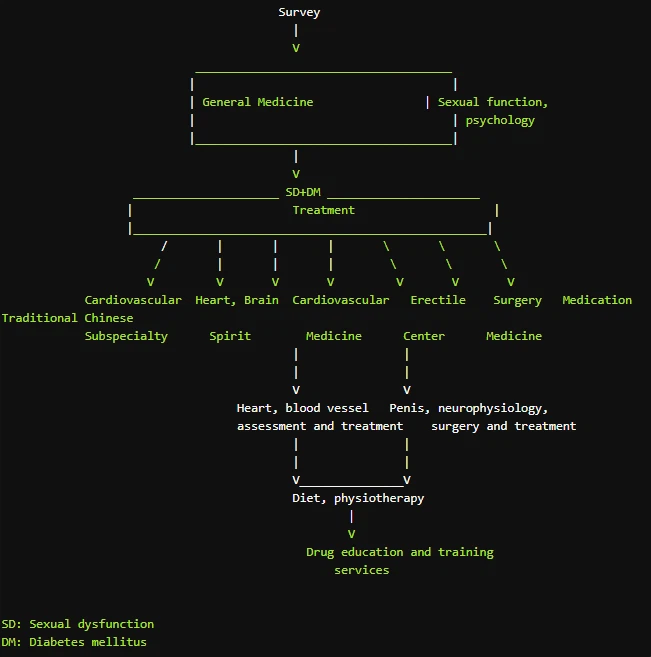
Figure 3 Multidisciplinary collaboration model for men with diabetes and sexual dysfunction
VII. Multidisciplinary collaboration
The diagnosis and treatment of diabetes combined with sexual dysfunction should emphasize multidisciplinary collaboration (Figure 3). Diabetic patients often have multiple system diseases such as obesity, hypertension, hyperlipidemia, endocrine disorders, psychological diseases, sleep apnea, etc., which are closely related to sexual dysfunction. Controlling blood sugar is only the most basic treatment for the prevention and treatment of diabetes combined with sexual dysfunction. For patients with sexual dysfunction, auxiliary examinations show abnormal blood sugar or urine sugar, especially for those with a family history of diabetes. Even if there are no symptoms of diabetes, it is recommended to go to the endocrinology department to evaluate sugar metabolism. When patients with diabetes combined with sexual dysfunction have poor blood sugar control, it is recommended to go to the endocrinology department for evaluation, follow-up and treatment to improve sugar metabolism; when endocrinologists see adult patients with abnormal blood sugar, it is recommended to ask patients about their sexual quality of life and sexual function. If there is an abnormality, it is recommended to go to the andrology department for evaluation and treatment of sexual function. For patients with other problems such as obesity, hypertension, hyperlipidemia, psychological disorders, sleep apnea, etc., the corresponding disciplines can be consulted for diagnosis and treatment.
In short, the diagnosis and treatment of diabetes combined with sexual dysfunction should emphasize multidisciplinary collaboration. Multidisciplinary experts discuss the diagnosis and treatment plan around the case, and the best treatment plan can be formulated for the patient by integrating the opinions of various disciplines. Especially when the diagnosis and treatment process is ineffective, the treatment plan formulated with the participation of multiple disciplines may benefit the patient more.
VIII. Prevention of diabetes combined with male sexual dysfunction
The prevention of diabetes combined with sexual dysfunction includes: (1) Diabetes screening for high-risk groups, early detection of patients with impaired glucose tolerance and/or impaired fasting blood sugar and/or diabetes, and taking measures such as changing lifestyle and controlling blood sugar to prevent the occurrence and progression of pathological changes related to sexual dysfunction in blood vessels, nerves, etc. caused by "bad metabolic memory"; (2) For patients diagnosed with diabetes, lifestyle, drugs and other methods are used to prevent or delay the occurrence and development of diabetic pathological changes.
(I) Lifestyle optimization
Lifestyle optimization includes diet, exercise, psychology and other aspects. Choosing a healthy lifestyle of balanced diet, salt restriction, smoking cessation, alcohol restriction, moderate exercise, weight control and psychological balance can improve the overall diabetes prevention and treatment awareness of the community population, which is conducive to slowing down the progression of diabetes-related sexual dysfunction and maintaining a harmonious sex life.
1. Reasonable exercise and weight control[104,105]
Regular exercise is a simple and effective way to prevent the occurrence of sexual dysfunction in diabetic men. It can improve insulin sensitivity, improve glucose tolerance, maintain a reasonable weight, improve lipid metabolism, improve endothelial function, and slow down the occurrence and development of diabetes and diabetes-related sexual dysfunction.
2. Medical nutritional intervention[106-108
Medical nutritional therapy should emphasize a balanced diet with a reasonable structure, including the management of nutrients such as carbohydrates, protein, fat, sodium, potassium and phosphorus. The total daily calorie intake should enable the patient to maintain a near ideal weight while ensuring nutritional needs.
It is recommended to eat low glycemic index (low GI) carbohydrates, olive oil, legumes, natural grains, fruits and vegetables, moderate amounts of fish, meat, dairy products and red wine, etc.
(II) Control of underlying diseases and care for partners [109-112]
Underlying diseases such as hypertension, hyperlipidemia, and mental illness can aggravate diabetic sexual dysfunction. Therefore, the control of blood pressure, blood lipids, obesity and mental health is very important for delaying the occurrence and progression of the disease. The rational use of various chronic disease treatment drugs (antihypertensive and lipid-lowering drugs, anti-anxiety and depression drugs) can better help patients; in addition, the care and encouragement of the patient's partner is equally important for delaying the progression of the disease.
(III) Drug prevention of vascular and neuropathy [7,23,64,113-119]
For patients diagnosed with diabetes or prediabetes, more clinical trials are needed to clarify whether the occurrence of sexual dysfunction caused by vascular and nerve diseases can be prevented or delayed by means of anti-oxidation, improving microcirculation, and protecting nerves; for those with clear evidence of related nerve and/or vascular diseases, the development of sexual dysfunction can be prevented by corresponding drug treatment (see the treatment section).
(IV) Pelvic floor muscle training [120,121]
Studies have shown that pelvic floor muscle exercise and biofeedback can prevent the functional decline of pelvic floor muscles related to sexual function, and are also effective methods for treating male sexual dysfunction. After 3-6 months of pelvic floor muscle training, IIEF scores are significantly improved and erectile function is significantly improved.