Clinical Research Progress On Traditional Chinese Medicine in Treating Sleep Disorders in Menopausal Women
Jan 10, 2025
3 External treatment of traditional Chinese medicine
There are various forms and types of external treatment of traditional Chinese medicine, including acupuncture therapy, auricular therapy, acupoint embedding, acupoint application, acupoint injection, acupoint therapy, intravenous infusion of traditional Chinese medicine, etc. By regulating the body's organs, the internal organs can be improved, the meridians can be effectively unblocked, the qi and blood, yin and yang can be harmonized, and the stimulation of the gastrointestinal tract and liver and kidney damage caused by oral drugs can be avoided. In addition, its clinical application is simple, safe, and effective, and the patient compliance is high.

3.1 Acupuncture
Guo Qin [33] randomly divided 60 patients with perimenopausal sleep disorders into a control group and a treatment group, with 30 cases in each group. The control group was given 1 mg of estazolam tablets orally before bedtime; the treatment group was treated with the needling method of adjusting the conception and unblocking the governor meridian at Yintang, Zhongwan, Baihui, Shenting, Shenmen (bilaterally) (oblique or horizontal needling), Qihai, Guanyuan, Sanyinjiao (bilaterally), Neiguan (bilaterally), Zusanli (bilaterally) (vertical needling), and the needles were retained for 30 min each time. After 8 weeks of treatment, the total effective rate of the treatment group (96.7%) was significantly higher than that of the control group (80.0%) (P<0.05); the PSQI score, Kupperman score and serum norepinephrine (NE) level of the treatment group were significantly lower than those of the control group (P<0.05); the serum 5-HT level was significantly higher than that of the control group (P<0.05). The results showed that the needling method of adjusting the conception and unblocking the governor meridian was more effective than western medicine. Huang Wenxiong et al. [34] randomly divided 90 patients with menopausal sleep disorders into a control group and a treatment group, 45 cases in each group. The control group was given estazolam tablets and oryzanol orally, once a day, 6 times a week, for a total of 8 weeks; the treatment group was treated with abdominal acupuncture combined with head acupuncture, combining meridian theory with TCM syndrome differentiation to select acupoints. The abdominal acupuncture points selected were Zhongwan, Qihai, Guanyuan, etc., and the head acupuncture points selected were Sishencong and Anmian points. The flat tonification and flat drainage twisting method was used. After getting the qi, the needles were retained for 30 minutes, once a day, 6 times a week, for a total of 8 weeks. The results showed that the scores of PSQI, Epworth Sleepiness Scale (ESS), and KMI in the treatment group were significantly lower than those in the control group (P<0.05), and the sleep quality was significantly higher than that in the control group (P<0.05).

At the same time, it is believed that its mechanism of action is related to inhibiting the release of NE, promoting the synthesis and secretion of 5-HT, and regulating the secretion of estrogen.
Yang Yuting[35] used the 13-needle method of "calming the mind, regulating Chong and Ren meridians, and nourishing the liver and kidney" to treat 30 patients with perimenopausal insomnia. Two groups of acupoints (group 1: Baihui, Shenting, Benshen, Guanyuan, Zhongwan, Tianshu, Dahe, uterus, Taixi, Sanyinjiao, Taichong; group 2: Shenshu and Ciliao) were selected for alternating operation. After 4 weeks of treatment, the total effective rate reached 96.67%, which had a good therapeutic effect on insomnia patients with ovarian failure and decreased estrogen. Li Nairong et al.[36] randomly divided 132 patients with perimenopausal insomnia into a control group and a plum blossom needle group, with 66 cases in each group. The control group was treated with oryzanol combined with vitamin B; the plum blossom needle group was treated with plum blossom needles from the perspective of gradual decline of kidney qi and dysfunction of internal organs. Acupoints were selected throughout the body, with emphasis on tapping the kidney point and lumbar sacral region. The force was moderate and the frequency was 80 to 100 times per minute. 40 taps were evenly performed on the surface of the acupoints within a diameter range of 0.5 to 1.5 cm, with the degree of skin congestion. By tapping the skin acupoints, the sensory nerve fibers were transmitted to the central nervous system, and the purpose of regulating kidney qi, adjusting internal organs, and improving the patient's sleep was achieved with the participation of nerve fluid. After 2 months of treatment, the total effective rate of the plum blossom needle group (95.5%) was significantly higher than that of the control group (81.8%) (P<0.05).
Sun Jie et al. [37] treated 25 patients with perimenopausal insomnia with tongue acupuncture combined with body acupuncture. The body acupuncture points were Baihui, Yintang, Shenmen, etc., and the tongue acupuncture points were heart, liver, kidney, etc., to dredge the meridians and regulate the functions of the internal organs. After 20 days of treatment, the patients' sleep quality and serum FSH, LH, and E2 levels were significantly improved.

3.2 Auricular acupuncture therapy
Yang Songbai et al. [38] randomly divided 96 patients with menopausal insomnia into three groups: auricular acupuncture stimulation group, acupuncture method for connecting the heart and kidney, and acupuncture of the Qiaomai, with 32 cases in each group. The ear acupoint stimulation group pressed the ear acupoint Shenmen and the sensitive points of the ear vagus nerve distribution area 4-5 times a day, 3-5 minutes each time; the traffic heart and kidney acupuncture group acupunctured Xinshu, Shenshu, Sishencong, Shenmen, Sanyinjiao acupoints, and used the flat tonification and flat drainage method. After getting the qi, the needle was retained for 30 minutes, and the needle was moved twice during this period; the Qiaomai acupuncture group acupunctured Zhaohai, Jiaoxin, Shenmai, Pushen and other acupoints, and the needle was inserted with the suction and tonification method, and the light twisting method was mainly used, once a day, 30 minutes each time. All three groups took 6 days as one course of treatment, and a total of 4 courses of acupuncture. The results showed that the auricular acupoint stimulation group could significantly improve sleep latency, awakening times, slow-wave sleep, etc., and the effects were significantly better than those of the traffic heart and kidney acupuncture group and the Qiaomai acupuncture group (P<0.05). It was also pointed out that auricular acupoint stimulation can improve insomnia because it can excite some cholinergic neurons in the reticular formation of the midbrain and pons, and adjust the sleep structure. Dong Qiaoyun et al. [39] used auricular acupoints (Shenmen, cortical subcutaneous, heart, and sympathetic as the main points) and combined with syndrome differentiation and nursing to treat 50 cases of perimenopausal insomnia. The results showed that 36 cases were markedly effective, 11 cases were effective, and 3 cases were ineffective, with a total effective rate of 94.00%. Jia Meijun et al. [40] randomly divided 64 menopausal insomnia patients into a control group and a treatment group, with 32 cases in each group. The control group was given 5 mg of estazolam tablets orally before going to bed every night; the treatment group was treated with auricular acupoint pressure bean therapy, and according to the "meridian-viscera correlation theory" combined with the meridian circulation rules, Shenmen,

3.3 Acupoint Thread Embedding
Li Guowen et al. [41] randomly divided 90 patients with menopausal sleep disorders into a treatment group and a control group, with 45 cases in each group. The treatment group was given acupoint catgut embedding therapy at Qihai, Zusanli, Guanyuan, Sanyinjiao and other acupoints; the control group was given acupuncture treatment at the same acupoints. Both groups received treatment 3 times a week.
After one month, the PSQI score in the treatment group was significantly lower than that in the control group (P<0.05), indicating that acupoint catgut embedding can significantly improve the sleep and life quality of patients with menopausal sleep disorders. Liu Zhixia et al. [42] randomly divided 80 patients with perimenopausal insomnia into a control group and a treatment group, with 40 cases in each group. Control group
Take 2 mg of estazolam tablets 30 minutes before going to bed every night; 20 mg of oryzanol 3 times a day. In the treatment group, tonifying method was applied to Shenshu, Taixi, Sanyinjiao and Zhaohai acupoints, and purgative method was applied to Taichong, Shenmai, Shenmen and Neiguan acupoints, and catgut embedding was performed at the acupoints once a week. After one month of treatment, the total effective rate of the treatment group (92.5%) was significantly higher than that of the control group (77.5%) (P<0.05). This shows that acupoint thread embedding therapy has obvious advantages over Western medicine in the treatment of perimenopausal insomnia.
3.4 Acupoint application
Hu Jinxia et al. [43] used Chinese medicine acupoint application to treat 63 patients with perimenopausal insomnia. They applied Jingyi Anshen Powder (Rhodiola rosea, lavender, Curcuma aromatica, Acorus calamus, etc.) to the Shenque, Neiguan and Yongquan acupoints, 1 g each time, once a day, 6-8 hours each time, for a total of 14 days of treatment.
Results: 11 cases were cured clinically (accounting for 17.46%), 17 cases were markedly effective (accounting for 26.98%), 19 cases were effective (accounting for 30.16%), and 16 cases were ineffective (accounting for 25.40%). The total effective rate was 74.60%.
3.5 Acupoint injection
Li Ya et al. [44] used Danhong injection, which can nourish blood, calm the mind, dredge the meridians and unblock the collaterals, to treat the liver shu (bilateral), spleen shu (bilateral), kidney shu (bilateral), qi hai, and guan yuan in patients with early menopausal syndrome. , uterus (bilateral), 2 mL per acupoint, 2 times a week, 12 times as a course of treatment, a total of 3
Treatment course. Results After treatment, the patients' sleep onset time, sleep duration, sleep quality, and sleep efficiency were significantly improved. Professor Cao Zhengliu believes that the main pathogenesis of insomnia in perimenopausal women is timidity and restlessness. He selected Fengchi, a point on the Gallbladder Meridian of Foot Shaoyang, and used vitamin B12 injection for acupuncture point injection treatment, which has a significant effect[45].
3.6 Acupoint Therapy
Yue Bo et al. [46] used acupuncture to promote blood circulation and qi movement in 42 elderly patients with perimenopausal sleep disorders based on the theory of meridians and acupoints in traditional Chinese medicine. They tapped the bilateral Anmian, Shenmen, Sanyinjiao, Laogong and Yongquan acupoints. Press and knead each acupoint for 3 to 5 minutes until local soreness, numbness, heaviness, swelling and heat appear. Press and knead from the center of the forehead to the hairline and then to the temporal skull on both sides with the thumb 5 to 6 times a day. One lunch break and one evening break. After 4 weeks of intervention, the PSQI and SAS scores of patients were significantly reduced (P<0.05). This shows that acupoint therapy can effectively improve the sleep and psychological state of elderly patients with perimenopausal sleep disorders. Jia Chao et al. [47] selected relevant acupoints based on the Qijie Sihai root knot theory and used three-finger and five-finger tapping methods to treat 56 menopausal insomnia patients, with an overall effective rate of 100%.
3.7 Intravenous infusion of traditional Chinese medicine
Li Xiao et al. [48] used Qianyang Ningshen Decoction combined with intravenous drip of Acanthopanax senticosus injection to treat 32 patients with perimenopausal insomnia. The total effective rate was 93.8%, and no adverse reactions were observed. Zhang Gaizhi[49] randomly divided 64 patients with perimenopausal insomnia into a control group and a treatment group, with 32 cases in each group. The control group was treated with oryzanol; the treatment group was treated with Acanthopanax senticosus injection. After 10 days of treatment, the total effective rate of the treatment group (97.00%) was significantly higher than that of the control group (56.25%) (P<0.05). The results showed that Acanthopanax senticosus injection was effective in treating perimenopausal insomnia and helped to establish the sleep-wake cycle.
4 Other treatments
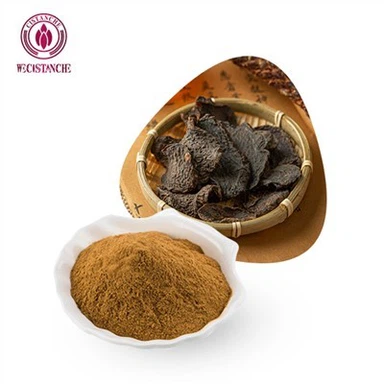
Shi Lanlai et al. [50] randomly divided 69 patients with perimenopausal sleep disorder of the heart-kidney disharmony type into an observation group and a control group. 35 patients in the observation group were treated with fire dragon cup therapy, and 34 patients in the control group were treated with conventional acupuncture therapy. Both groups received treatment once every 3 days for 10 consecutive times. After the intervention, the improvement of sleep disorders in the observation group was significantly better than that in the control group (P<0.05). Fire Dragon Cup Therapy can strengthen the body, regulate Qi, remove blood stasis and dredge meridians, and adjust Yin and Yang. Its clinical efficacy is long-lasting, stable and safe. Du Yanhui et al. [51] randomly divided perimenopausal insomnia patients into a control group and a treatment group, with 32 cases in each group. The control group took 2.5 mg of diazepam tablets orally before going to bed every night; the treatment group received Chinese herbal medicine bath (50 g each of Angelica sinensis, Rehmannia glutinosa, Polygonum multiflorum, and 25 g of cistanche tubulosa).

Chinese Herbal Medicine Cistanche, Angelica And Rehmannia Pills For Perimenopausal Insomnia
Contact Us Get More Details Of This Formulation
Results After 28 days of treatment, the total effective rate of the treatment group (93.75%) was significantly higher than that of the control group (75.00%) (P<0.05). Liang Xiaoli et al. [52] used the theory of "five elements give rise to five tones" to treat perimenopausal insomnia patients with corresponding viscera syndromes using five types of music with different tones, namely "gong, shang, jiao, zheng, and yu", and achieved good results. . Fang Shu et al. [53] randomly divided 60 perimenopausal patients with insomnia and depression into a control group and a treatment group.
30 cases. Both groups were given conventional drug treatment, the control group was given walking exercise on this basis, and the treatment group was given Yi Jin Jing exercises.
After 12 weeks of treatment, the PSQI and Hamilton Depression Rating Scale (HAMD) scores in the treatment group were significantly lower than those in the control group (P<0.05). Zhou Xuanzi et al. [54] used the sleep regulation technique of low-impedance mindfulness therapy in traditional Chinese medicine to treat 30 patients with menopausal insomnia and found that this therapy can significantly improve the patients' sleep quality and anxiety and depression, with a total effective rate of 90 %.
5. Conclusion
The occurrence of menopausal sleep disorders seriously affects women's work and life, reduces the family happiness index, and brings great distress to female patients. In recent years, great progress has been made in the treatment of menopausal sleep disorders with traditional Chinese medicine. A large number of clinical studies have confirmed that the combination of one or more Chinese medicine therapies can effectively improve patients' hormone levels, sleep quality and emotional state, with definite efficacy, convenience and safety.
However, there are also the following shortcomings: 1) There is a lack of unified syndrome differentiation standards, and each doctor chooses different prescriptions and medications. Although it reflects the characteristics of individualized treatment in traditional Chinese medicine, it also needs to have certain standardized syndrome differentiation prescriptions; 2) The selection of cases in clinical research is limited. There are few studies on the mechanism of action of traditional Chinese medicine in treating menopausal sleep disorders. In future research, case collection can be carried out in multiple regions at the same time, the sample size can be expanded, objective efficacy evaluation criteria can be added, and follow-up observations can be increased, so as to highlight the characteristics of traditional Chinese medicine treatment and make it more scientific.
References:
[1] Liu Shuai, Zhang Bin. Interpretation of the «Guidelines for the Diagnosis and Treatment of Insomnia Disorders in China»[J]. Chinese Journal of Modern Neurological Diseases, 2017, 17(9): 633-638.
[2] Jiao Yuhuan, Zhang Xi, Song Jun. Song Jun's ideas and methods for regulating sleep to treat chronic diseases[J]. Chinese Journal of Basic Traditional Chinese Medicine, 2019, 25(2): 246-248.
[3] Liang Xiaoxian, Ding Xiaoyun, Jin Yunqin, et al. Meta-analysis of the epidemiological characteristics of insomnia symptoms in Chinese women aged 40 to 65[J]. Chinese Journal of Preventive Medicine, 2021, 22(9): 670-679.
[4] Zhang Qiuming, Zhang Xuebing. Observation on the efficacy of Ganmai Dazao Decoction combined with Guizhi Longgu Muli Decoction in the treatment of perimenopausal insomnia[J]. J]. Electronic Journal of Integrated Traditional Chinese and Western Medicine for Cardiovascular Diseases, 2019, 7(10): 150.
[5] Tang Rongchuan. On Blood Syndrome[M]. Jin Xianglan, ed. Beijing: China Traditional Chinese Medicine Press, 2012: 146.
[6] Lin Peiqin. Classification of Syndromes and Treatments[M]. Beijing: People's Medical Publishing House, 1988: 216.
[7] Shen Jinao. Shen's Book of Honoring Life[M]. Tian Sisheng, ed. Beijing: China Medical Science and Technology Press, 2011: 74.
[8] You Zaijing. The Golden Chamber[M]. Shanghai: Shanghai Science and Technology Publishing House =Publishing House, 1958: 46.
[9] Song Ziyu, Wang Ping, Shi Heyuan, et al. Wang Ping's example of treating perimenopausal insomnia from the perspective of nourishing essence and relieving depression[J]. Chinese Journal of Traditional Chinese Medicine, 2020, 35(4): 1808-1810.
[10] Lei Hongtao, Dai Jingang, Song Jun. Summary of Song Jun's experience in treating insomnia with Xiao Chaihu Decoction[J]. Chinese Journal of Basic Traditional Chinese Medicine, 2020, 26(9): 1381-1383.
[11] Chen Ying, Xie Lijun, Li Hong, et al. A brief analysis of Lv Shaoguang's use of drug pairs to treat perimenopausal chronic insomnia[J]. Chinese Journal of Traditional Chinese Medicine, 2020, 35(9): 4467-4470.