Exploring Pharmacological Treatments For Chronic Idiopathic Constipation in Adults: A Look Back To The FutureⅠ
Sep 05, 2023
Abstract: Despite great progress in pharmaceutical research, the medical treatment of chronic idiopathic constipation is far from ideal. The present article aimed to review literature data, focusing on poorly studied or commercially unavailable/unapproved drugs potentially useful for the treatment of chronic idiopathic constipation in adults.

An extensive online literature search was conducted using the keywords “chronic constipation”, “colon”, “constipation”, “drugs”, “laxatives”, and “treatment”, in various combinations between January 1960 and December 2022. The literature search showed the presence of some drugs whose efficacy has only recently been demonstrated by modern investigations, and which are likely to be incorporated into future guidelines, of others that are proven effective and potentially effective on constipated patients but limited by small or relatively old studies, or by side effects which could be used in experienced hands, and of others that might be useful but lack a solid scientific background. Looking into the future for patients with chronic constipation might add some more tools to the therapeutic portfolio, especially for certain subgroups of these patients.
Keywords: chronic constipation; alternative treatment; drug treatment; pharmacologic treatment; laxatives; magnesium salts
Chronic idiopathic constipation (CIC) is a frequently encountered disorder in daily clinical practice, and it is responsible for a considerable loss of productivity and healthcare utilization [1]. The medical treatment of CIC is usually based on the use of various types of laxatives [2,3] and several pharmacological approaches are also available for patients refractory to common first-line therapies [4]. Laxatives have a long history of use for the treatment of CIC [5]; interestingly, a meta-analysis in 2002 concluded that there was no objective evidence of their effective use for this indication, due to the low-quality studies concerning this topic [6]. However, in the following years, research interest has flared up in this area; thus, several double-blind randomized controlled trials have appeared in the literature, and there are now several drugs with laxative properties that are considered effective means of treating CIC [7].

However, recent evidence suggests that, when evaluated by rigorous means, there is a rather high percentage of patient dissatisfaction with the first- and second-line laxative-based treatment approaches [8], as suggested by Western and Eastern guidelines for CIC [9–11]. Although several new drugs active in CIC patients have been approved in recent years, it is worth emphasizing that a thorough analysis of the results from well-conducted double-blind randomized studies has shown that these drugs do not appear to be superior to older drugs [12], which are also considerably cheaper. The present review aimed to evaluate the available literature focusing on poorly studied—or effective but not commercially available/not approved—drugs potentially useful for the treatment of patients with CIC.
2. Methods Search strategy.
An extensive search of Medline (through PubMed), Scopus, Cochrane
CENTRAL, EMBASE, and the Science Citation Index was made using the keywords
“chronic constipation”, “colon”, “constipation”, “drugs”, “laxatives”, and “treatment”,
in various combinations with the Boolean operators and, or, and not. Only articles from
adult human studies were included and manual cross-referencing was performed. Articles
published in English between January 1960 and January 2023 were selected, but a search
was also conducted in non-English languages and among journals and books older than
1960 in our University and other libraries.

Natural Herbal Medicine For Relieving Constipation-Cistanche
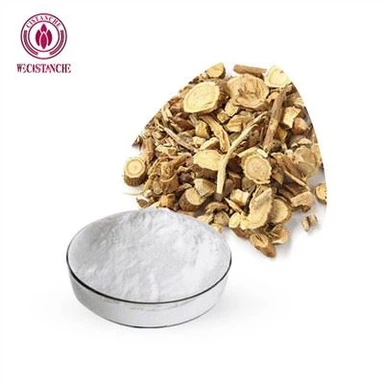
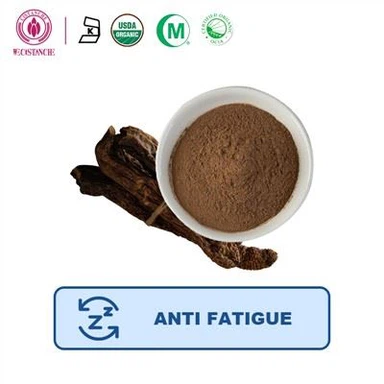
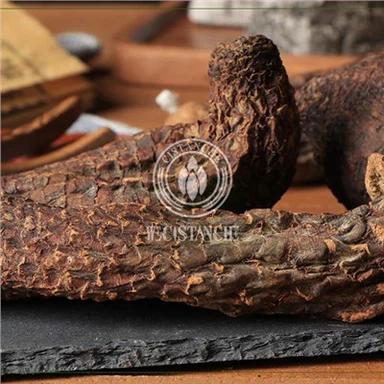
Cistanche is a genus of parasitic plants that belongs to the family Orobanchaceae. These plants are known for their medicinal properties and have been used in Traditional Chinese Medicine (TCM) for centuries. Cistanche species are predominantly found in arid and desert regions of China, Mongolia, and other parts of Central Asia. Cistanche plants are characterized by their fleshy, yellowish stems and are highly valued for their potential health benefits. In TCM, Cistanche is believed to have tonic properties and is commonly used to nourish the kidney, enhance vitality, and support sexual function. It is also used to address issues related to aging, fatigue, and overall well-being. While Cistanche has a long history of use in traditional medicine, scientific research on its efficacy and safety is ongoing and limited. However, it is known to contain various bioactive compounds such as phenylethanoid glycosides, iridoids, lignans, and polysaccharides, which may contribute to its medicinal effects.

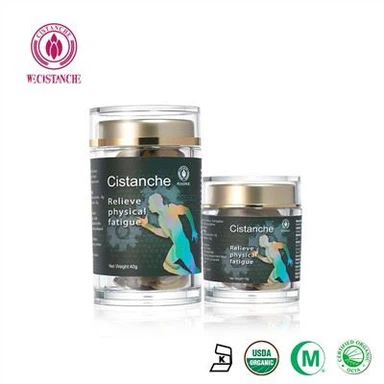
Wecistanche's cistanche powder, cistanche tablets, cistanche capsules, and other products are developed using desert cistanche as raw materials, all of which have a good effect on relieving constipation. The specific mechanism is as follows: Cistanche is believed to have potential benefits for relieving constipation based on its traditional use and certain compounds it contains. While scientific research specifically on Cistanche's effect on constipation is limited, it is thought to have multiple mechanisms that may contribute to its potential to relieve constipation. Laxative Effect: Cistanche has long been used in Traditional Chinese Medicine as a remedy for constipation. It is believed to have a mild laxative effect, which can help promote bowel movements and induce constipation. This effect may be attributed to various compounds found in Cistanche, such as phenylethanoid glycosides and polysaccharides. Moistening the Intestines: Based on traditional use, Cistanche is considered to have moisturizing properties, specifically targeting the Intestines. Promoting hydration and lubrication of the Intestines may help soften tools and facilitate easier passage, thereby relieving constipation. Anti-inflammatory Effect: Constipation can sometimes be associated with inflammation in the digestive tract. Cistanche contains certain compounds, including phenylethanoid glycosides and lignans, that are believed to have anti-inflammatory properties. By reducing inflammation in the intestines, it may help improve bowel movement regularity and relieve constipation.