Have You Truly Given Your Body Enough Rest? Understand Chronic Fatigue & Cistanche Benefits For Anti‑Fatigue
Sep 08, 2026
If you ask this simple question, office workers clutch their chests with a worried frown, students sigh heavily, and busy caregivers feel close to tears. Heavy workloads, endless household responsibilities, and constant life pressure push modern people to keep rushing forward non‑stop. Fatigue has become a nearly universal condition for today's population.
Normal fatigue is easy to understand. Occasional tiredness after long work or heavy activity usually fades away after adequate sleep or short rest. Your energy bounces back quickly, and your body returns to normal. However, when persistent tiredness refuses to improve even after sufficient sleep and rest, this serves as a critical warning signal from your body. You need to pay close attention to whether you are suffering from chronic fatigue or chronic fatigue syndrome (CFS)public-pag....
News reports about severe health incidents triggered by extreme exhaustion frequently make headlines. Still, "over‑fatigue" is not an official medical diagnosis. The set of physical symptoms linked to long‑term exhaustion corresponds to the clinical definition of Chronic Fatigue Syndrome, also known as Systemic Exertion Intolerance Disease (SEID) in updated nomenclature.

What Exactly Is Chronic Fatigue Syndrome?
Chronic Fatigue Syndrome (CFS) was formally named as a new medical condition by the U.S. Centers for Disease Control and Prevention (CDC) in 1988. In 2015, the U.S. National Academy of Medicine renamed it Systemic Exertion Intolerance Disease (SEID). Nevertheless, the term Chronic Fatigue Syndrome remains widely used for public understanding.
CFS describes persistent, unexplained fatigue that cannot be attributed to ordinary physical labor or other known illnesses. There is no single lab test or imaging scan that can confirm this disorder. Patients often experience a wide range of non‑specific symptoms including low‑grade fever, bodily pain, poor focus, and cognitive impairment. Clinicians diagnose CFS largely by excluding other potential causes, such as medication side‑effects and other underlying illnesses.
The CDC published well‑known diagnostic criteria in 1994:
New‑onset, persistent or recurrent unexplained chronic fatigue that is not congenital and cannot be explained by ongoing physical work. Rest cannot relieve this exhaustion, and patients face meaningful decline in professional performance, education capacity, social interaction and daily personal life.
Four or more of the following symptoms persist or recur for 6 months or longer:
Short‑term memory loss or impaired concentration
Sore throat
Tender swollen lymph nodes in the neck or armpits
Muscle pain
Multi‑joint pain without swelling or redness
New‑pattern headaches different from previous personal experience
Non‑restorative sleep, feeling exhausted after sleeping
Post‑exertional malaise: fatigue lasts more than 24 hours after mental or physical effort
All other illnesses and lifestyle factors that may trigger long‑term fatigue must be ruled out.
Traditionally linked to manual labor, CFS now affects far more knowledge‑based workers. People working in internet industries, healthcare, media, science and education face elevated risk, and cases are appearing among increasingly younger age groups. Since fatigue is highly subjective, there is no universal objective measurement standard in global medicine. Researchers have created multiple assessment tools including the FS‑14 Fatigue Scale, SF‑36 Health Survey and SCL‑90 psychological scale to evaluate fatigue severity.

Self‑assessment Checklist for Chronic Fatigue Risk
You can run a quick self‑check against these 14 items:
Difficulty getting out of bed in the morning; you feel heavy and exhausted even after forcing yourself up
Poor concentration while working or reading
Weak, low‑energy speech
Unwillingness to communicate with colleagues; staying silent at home
Frequent yawning and constant sleepiness
Struggling with stairs, tripping easily while climbing
No motivation to run to catch public transport
Preferring to lie on sofas with legs elevated for comfort
Stiff limbs, heavy legs, shaky hands
Poor appetite

Supportive Service Of Wecistanche-For more details about cooperation
Email:Lijianlin@wecistanche.com
Palpitations, chest tightness and vague bodily discomfort
Frequent bloating, diarrhea or constipation
Poor short‑term memory, forgetting recent events easily
Trouble falling asleep, early waking, or frequent vivid dreams overnight
3‑4 matching items: You may be experiencing mild fatigue
5‑7 matching items: Moderate chronic fatigue risk
8 or more matching items: Severe fatigue risk. Seek medical consultation to rule out chronic fatigue syndrome.
These warning signs should never be dismissed as trivial modern‑life annoyances. Chronic fatigue is your body's alarm bell, telling you that you have exceeded your physical load threshold. Timely rest and lifestyle adjustments can reduce harm. Ignoring these signals allows minor discomfort to escalate into serious threats to mental and physical wellness.

Daily Lifestyle Adjustments to Fight Chronic Fatigue
Chronic fatigue syndrome is largely preventable. In fast‑paced modern life, follow these practical habits to defend against persistent exhaustion:
Maintain consistent sleep routines, avoid late‑night work, and secure 7‑8 hours of sleep every night.
Manage your schedule reasonably; avoid non‑stop long‑hours work or study sessions.
Break long sedentary periods and continuous intense mental work. Take 5‑10‑minute breaks every hour: stand up, walk around, stretch your neck and lower back.
Reserve evenings and weekends for rest and hobbies; make time for enjoyable personal activities.
Eat meals on schedule, manage calorie intake, cut down unnecessary social banquets, limit late‑night snacks.
Stick to regular exercise: 150‑300 minutes of moderate‑intensity aerobic activity or 75‑150 minutes of high‑intensity aerobic exercise weekly, plus resistance training twice weekly.
Learn healthy stress release mechanisms. Give negative emotions a constructive outlet and preserve a positive mindset.
Complete regular physical check‑ups to monitor overall bodily status.
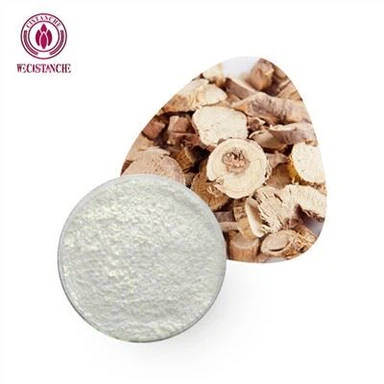
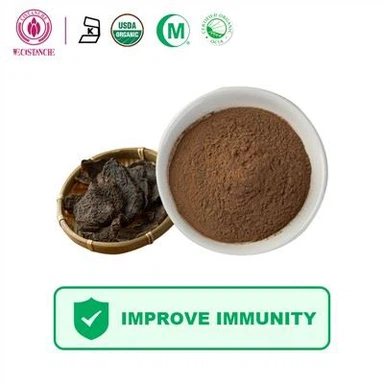
Healthy daily routines form the foundation for keeping fatigue under control. Yet many busy adults find it difficult to stick to perfect lifestyle habits long‑term. For thousands of years, Traditional Chinese Medicine has explored botanicals that support vitality and mitigate fatigue from inside the body. Cistanche Tubulosa, known as Desert Ginseng, stands out for its promising cistanche benefits for anti‑fatigue, and has attracted growing interest from global supplement developers.

Cistanche Tubulosa: Botanical Support Against Persistent Fatigue
Cistanche Tubulosa is a valued adaptogenic herb from Traditional Chinese Medicine, historically used to restore vitality and ease persistent tiredness. Unlike fast‑acting stimulants such as caffeine, it delivers gradual, holistic bodily support rather than short‑term energy spikes followed by sharp crashes.
Modern pharmacological research reveals its core bioactive compounds: phenylethanoid glycosides (echinacoside and acteoside), polysaccharides and oligosaccharides. These ingredients work on multiple physiological pathways: optimizing mitochondrial energy production, lowering lactic‑acid accumulation, balancing stress‑related cortisol levels, easing oxidative stress, supporting cognitive clarity, and moderating inflammatory responses linked to chronic exhaustion. Studies suggest Cistanche Tubulosa extract helps improve both physical‑exercise fatigue and central nervous‑system fatigue, supporting post‑effort recovery and non‑restorative sleep symptoms frequently seen in CFS sufferers.
Not all Cistanche raw materials are equal. Cistanche Tubulosa carries higher levels of key active compounds compared to other Cistanche species, making standardized extracts of this species a preferred raw‑material choice for functional‑supplement formulation.
Our manufacturing facility specializes in high‑activity standardized Cistanche Tubulosa extract. We focus on retaining rich phenylethanoid glycosides and polysaccharide content, delivering consistent, high‑potency raw material for brands creating anti‑fatigue, energy‑support, and stress‑adaptogen supplement lines. If you want to know more about our production capabilities, raw‑material specifications and quality control systems, please visit our About‑Us page.

Keep in mind: Cistanche Tubulosa extract serves as supportive botanical raw material. It complements, but cannot replace, healthy sleep, balanced exercise and medical treatment when chronic fatigue syndrome is diagnosed. When you spot persistent fatigue warning signs in yourself or your customers, encourage timely medical assessment alongside lifestyle intervention.
Your body sends clear signals when it is overloaded. Never overlook long‑lasting tiredness. Combine scientific daily management and evidence‑backed botanical support to avoid fatigue from progressing into chronic health challenges.
Disclaimer
This article is for general educational reference only. It is not medical advice, nor can it replace professional clinical diagnosis and treatment. Cistanche Tubulosa extract is a dietary‑supplement raw material, not a drug. Results vary among individuals. Please consult a qualified healthcare practitioner before formulating products or making health‑related decisions.