How Cistanche Works: The Active Compounds And Mechanisms Behind The Desert Ginseng
Oct 20, 2026
1. Introduction: A Herb Worth Understanding
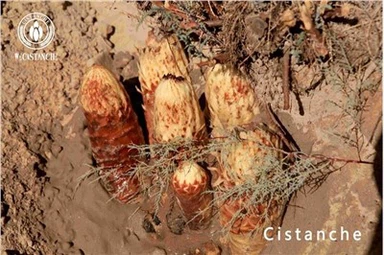
Cistanche (Chinese: 肉苁蓉,"Roucongrong") is one of the most valued tonic herbs in traditional Chinese medicine. Known across the world as the "Ginseng of the Desert," it grows as a parasitic plant on the roots of desert shrubs such as the sacsaoul tree and tamarisk, thriving in the harsh arid lands of northwestern China.
For centuries, herbalists used Cistanche to support kidney health, replenish vitality, strengthen bones, and ease constipation. Today, modern laboratory science is doing something remarkable: it is uncovering how those traditional uses might actually work at the cellular level.
This article is a plain-language guide to that science. We will walk through the plant's key active ingredients, the signaling pathways they influence, and the health effects those pathways support - from brain health and immunity to liver protection and beyond.
2. What Is Cistanche?
Cistanche belongs to the genus Cistanche in the plant family Orobanchaceae. The part used in medicine and supplements is the dried, fleshy stem covered in scale-like leaves.
Two species dominate the market: Cistanche deserticola and Cistanche tubulosa. Both are native to desert regions across Inner Mongolia, Ningxia, Gansu, Xinjiang, and neighboring areas of China.
Cistanche is a root-parasitic plant: it does not photosynthesize for its own survival the way most plants do. Instead, it taps into the root systems of host shrubs and draws water and nutrients from them. This unusual lifestyle means Cistanche can only grow where its host plants grow - which has important ecological and sustainability implications we will return to later.
A Heritage Stretching Back Two Thousand Years
Cistanche has been documented in Chinese herbals since the Han dynasty, more than 1,800 years ago. The Shennong Bencao Jing (Divine Farmer's Classic of Materia Medica) described it as a tonic that "nourishes the five organs, strengthens yin, and boosts essence." Later classics added more detail: the Bencao Jing Ji Zhu praised it for replenishing essence and treating lower-back pain; the Bencao Gangmu (Compendium of Materia Medica) of Li Shizhen called it beneficial for the marrow, complexion, and longevity.
In the modern Chinese Pharmacopoeia (2020 edition), Cistanche is officially described as a herb that tonifies kidney yang, nourishes essence and blood, and moistens the intestines to relieve constipation.
From Wild to Cultivated
Wild Cistanche is a second-class protected plant in China and has been listed under the Convention on International Trade in Endangered Species (CITES) since 2003, after decades of over-harvesting pushed it toward the brink. In response, scientists developed large-scale cultivation methods - growing Cistanche on planted desert shrubs - so that supply today comes mainly from farms rather than the wild. This shift not only protects a threatened species; it also helps stabilize desert soil and provides income for rural communities. When you buy Cistanche, choosing cultivated, sustainably sourced material supports both conservation and livelihoods.
3. The Active Compounds Inside Cistanche
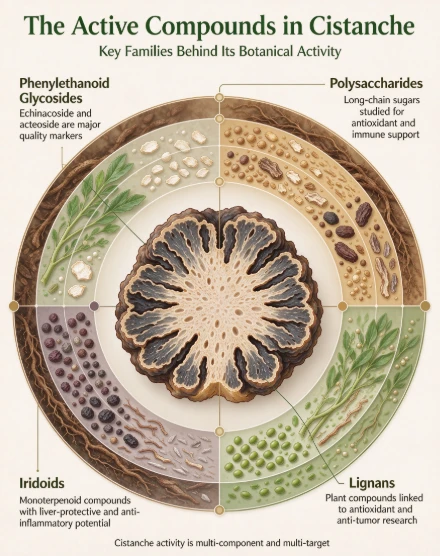
The health effects of Cistanche do not come from a single molecule. They come from a family of bioactive compounds working together - a concept researchers call "multi-component, multi-target" activity. The main groups are:
3.1 Phenylethanoid Glycosides (PhGs) - The Stars
This is the most abundant and best-studied class of active compounds in Cistanche, and the main reason for its medicinal reputation. PhGs are formed when a phenylethanoid core binds to sugar units (usually glucose). The two flagship molecules are:
Echinacoside - often considered the signature compound of Cistanche, especially of Cistanche tubulosa;
Acteoside (Verbascoside) - another major marker of potency.
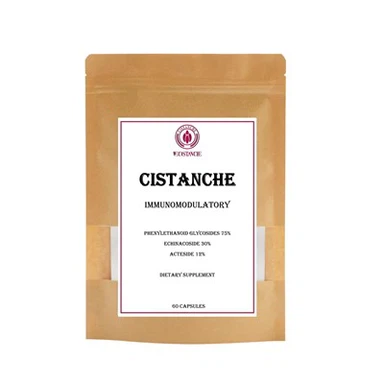
Because their levels track directly with the plant's bioactivity, echinacoside and acteoside are widely used as quality markers for Cistanche extracts. A product that lists standardized levels of these compounds on its label is telling you that it contains a meaningful, consistent amount of the active chemistry.
3.2 Iridoids
Iridoids are a class of natural compounds with a distinctive ring structure. In Cistanche they occur mainly as simple sugar-linked forms. While less famous than the PhGs, they contribute to the plant's overall activity, with research linking them to liver protection, nerve support, and anti-inflammatory effects.
3.3 Lignans
Lignans are formed when two phenylpropanoid units join together. They are widespread in nature and are studied for antioxidant, anti-inflammatory, and anticancer properties. In Cistanche, they add to the chemical diversity that underpins its broad effects.
3.4 Polysaccharides
Polysaccharides - long chains of sugar molecules - are another major player. They are among the key components behind Cistanche's immune-modulating, antioxidant, anti-aging, and gut-related benefits. Research increasingly shows that polysaccharides act largely through the gut-immune axis: they help shape the gut microbiota, which in turn influences immunity and systemic health.
3.5 Minerals and Other Compounds
Cistanche also contains a range of minerals (potassium, magnesium, zinc, iron, boron, and more), plus amino acids, sugars such as mannitol and sucrose, and small amounts of other compounds including sterols and alkaloids. These add nutritional value and contribute to its overall profile as a "tonic" food.

4. A Simple Way to Think About "Mechanisms"
Before diving into the health effects, it helps to understand how scientists study these compounds.
Inside our cells, information flows along signaling pathways - chains of molecular events that tell a cell what to do: grow, divide, repair, defend, or die. Disease often involves these pathways going wrong: too much inflammation, uncontrolled cell growth, or cell death that happens too early.
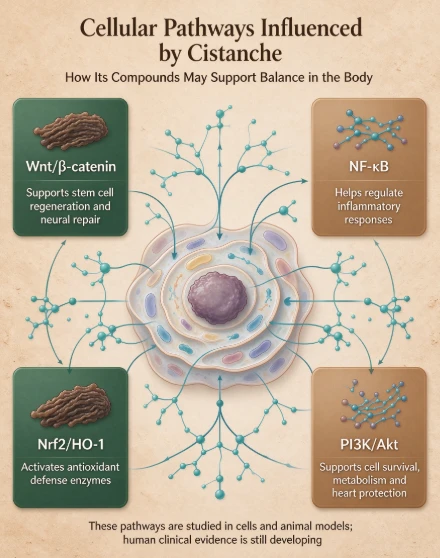
Cistanche's compounds appear to nudge several of these pathways in a helpful direction. For example:
Some pathways (like Wnt/β-catenin) help stem cells regenerate - useful after brain injury.
Others (like NF-κB) drive inflammation - and Cistanche compounds can help calm them.
Still others (like Nrf2/HO-1) control the cell's antioxidant defenses - and Cistanche helps switch them on.
When you read below that a compound "regulates" a pathway, this is what it means: the compound influences these molecular switches, and the net effect is what researchers observe as a health benefit in the lab.
5. Neuroprotection and Memory: Cistanche's Most Exciting Frontier
Of all the areas of Cistanche research, brain health attracts the most attention. PhGs such as echinacoside and acteoside, together with the polysaccharides, have shown a striking range of neuroprotective effects in experimental models. Here is what the science points to.
5.1 Helping the Brain Recover After Injury
After a stroke or a period of oxygen deprivation, brain tissue is at risk of widespread damage. Research suggests that Cistanche compounds can help in two ways:
Stimulating repair. Studies using models of ischemic stroke found that PhGs helped activate a pathway (Wnt/β-catenin) that encourages the brain's own stem cells to multiply and replace damaged neurons, improving recovery of neurological function.
Reducing cell death. In models of oxygen-deprived brain injury in newborn rats, acteoside appeared to calm inflammation and reduce the number of nerve cells undergoing apoptosis (programmed cell death).
5.2 Calming Neuroinflammation and Nerve Pain
Inflammation in the nervous system contributes to many chronic conditions, including certain types of chronic pain. One study showed that echinacoside could dampen the activity of microglia - the brain's immune cells - through a specific signaling axis (P2X7R/FKN/CX3CR1), reducing the release of inflammatory signals and easing peripheral neuropathic pain in mice.
5.3 Blocking "Ferroptosis" - A Newly Recognized Form of Cell Death
"Ferroptosis" is a recently discovered form of cell death driven by iron and the oxidation of fats in the cell membrane. It is now implicated in brain injury and several neurodegenerative diseases. In a model of low-oxygen brain injury, PhGs from Cistanche were shown to fight ferroptosis through a two-pronged mechanism: they suppressed enzymes that promote lipid oxidation (ACSL4 and LPCAT3), while boosting a key antioxidant enzyme (GPX4) that keeps the cell's redox balance in check. The result was better preservation of cognitive function.
5.4 Supporting Memory, Cognition, and Age-Related Decline
Multiple lines of research connect Cistanche compounds to memory and cognitive function:
In animal models of age-related cognitive decline, a combination of Cistanche glycosides and other botanicals supported antioxidant enzymes in the brain and reduced markers of oxidative damage, helping preserve learning and memory.
Compounds such as acteoside were shown to activate a pathway (cAMP/PKA/CREB) that supports nerve cell repair and synaptic function.
Cistanche polysaccharides were found to improve cognitive decline in aging models by restoring balance in the gut microbiota–brain axis - a reminder that gut health and brain health are deeply connected.
5.5 Alzheimer's, Parkinson's, and Vascular Dementia
Researchers have studied Cistanche in models relevant to the major neurodegenerative diseases:
Alzheimer's disease. Studies report that echinacoside can help reduce the buildup of amyloid-β and abnormal tau protein - two hallmarks of Alzheimer's - while supporting synaptic plasticity. A small human clinical study of a Cistanche capsule in patients with moderate Alzheimer's reported lower levels of inflammatory markers and tau in the cerebrospinal fluid, along with improved cognitive scores. This is among the few pieces of human data in the field and is encouraging, though larger trials are needed.
Parkinson's disease. Echinacoside has been shown in models to protect dopamine-producing neurons - the cells lost in Parkinson's - by reducing inflammation and activating a signaling pathway (ERK) that promotes the release of a neuron-supporting growth factor.
Vascular dementia. Cistanche glycosides have been reported to improve cognitive function in models of vascular dementia by supporting the regeneration of neurons and their structural "skeleton."
5.6 Mood and Depression
One study found that a Cistanche decoction reduced the activity of an enzyme (MAO) that breaks down mood-regulating neurotransmitters such as dopamine, while also lowering oxidative stress. These effects are consistent with traditional descriptions of Cistanche as a calming, balancing tonic - though, as with all the research described here, human data remain limited.
6. Anti-Tumor Activity: An Emerging Research Area
Cancer is one of the most heavily investigated areas in modern Cistanche research. It is important to be clear: none of this means Cistanche cures cancer. But laboratory and animal studies suggest its compounds may support cancer care in several interesting ways.
6.1 Liver Cancer
Multiple studies have examined Cistanche compounds against liver cancer cells:
Echinacoside was shown to reduce the growth of liver cancer cells (HepG2) and promote their death, partly by dialing down a pathway (PI3K/Akt) that cancer cells rely on to survive.
Total glycosides of Cistanche appeared to act through two routes at once: blocking a growth-promoting pathway (Wnt/β-catenin) that helps cancer cells divide, and activating the cell's own "suicide" program (apoptosis) through proteins such as Bax and caspase-3.
Tubuloside B, a specific compound, was shown to inhibit the migration and invasion of liver cancer cells - the traits that allow cancer to spread - by blocking a pathway (Hippo-YAP) that drives aggressive behavior.
6.2 Colon Cancer and Supporting the Immune Response
In an animal model prone to colon cancer, a water extract of Cistanche reduced inflammation-driven growth in the colon, in part by activating macrophages - immune cells that engulf threats - and boosting a signaling enzyme (NOS II) involved in their defense response.
6.3 Reversing Chemotherapy Resistance
A particularly intriguing line of research focuses on drug resistance - the reason some tumors stop responding to chemotherapy. One study found that a Cistanche preparation could down-regulate a protein (MRP1) that cancer cells use to pump chemotherapy drugs out, making the cancer cells more sensitive again to the drug methotrexate. If this holds up in further research, it could eventually support combination approaches in cancer therapy.
6.4 Cancer-Related Fatigue
Cancer patients often suffer from severe fatigue. In a study using network pharmacology and experiments, Cistanche extract was shown to reduce oxidative stress and slow muscle wasting in this context, pointing to a possible role in supporting quality of life during cancer care.
7. Kidney Protection
Cistanche's traditional reputation as a kidney tonic now has a growing body of laboratory support.
In diabetic kidney disease models, echinacoside was shown to reduce fasting blood sugar and protein leakage into the urine, while lowering markers of kidney fibrosis (such as TGF-β, VCAM-1, and α-SMA) and protecting kidney tubule cells from death. The net effect was less scarring and better kidney function.
In drug-induced kidney injury models, Cistanche extract reduced inflammation by calming the NF-κB pathway, supported antioxidant defenses, and helped protect the kidney's filtering units from damage.
8. Liver Protection and Anti-Inflammatory Activity
Cistanche's liver-protective effects come through a combination of fighting inflammation and regulating fat metabolism.
Anti-inflammatory route. Echinacoside was shown to suppress a key inflammatory pathway (TLR4/NF-κB), reducing the release of pro-inflammatory molecules and easing liver cell damage.
Fat-metabolism route. Against alcohol-induced liver injury, a Cistanche extract appeared to work in two directions at once: it turned up pathways that help the liver burn fat (AMPK and PPARα), while turning down the machinery that builds new fat (SREBP-1c and its downstream enzymes). Together this reduced fat accumulation in the liver - a meaningful finding given how common fatty liver conditions are.
9. Anti-Aging and Antioxidant Defense
Oxidative stress - damage caused by unstable molecules called free radicals - is a central driver of aging and age-related disease. Cistanche compounds act as antioxidants through several mechanisms:
Activating the master antioxidant switch. Cistanche polysaccharides were shown to activate the Nrf2/HO-1 pathway, which turns on a suite of the cell's own antioxidant enzymes and lowers reactive oxygen species. In a study on human skin cells, this helped reduce both oxidative stress and age-related inflammation.
Binding antioxidant targets. Network pharmacology studies suggest PhGs interact with antioxidant enzymes such as GSTP1 and the kinase MAPK1, enhancing protective enzyme activity.
Blocking pro-fibrotic signaling. Cistanche glycoside A was reported to reduce a pathway (TGF-β1/VEGF) involved in radiation-induced lung injury, adding another layer to its antioxidant story.
10. Immune Regulation
The polysaccharides in Cistanche are the key to its immune-modulating effects.
Supporting dendritic cells. These are the "antigen-presenting" cells that teach the immune system what to attack. Research found that Cistanche compounds help dendritic cells mature and improve their ability to activate T cells - a central step in a strong immune response.
Activating macrophages. Low-molecular-weight sugars from Cistanche were shown to activate macrophages (another class of immune sentinels) through multiple targets, improving their ability to engulf threats.
Guiding the balance of immune cells. Cistanche polysaccharides influenced dendritic cells through pathways such as TLR2/TLR4 and NF-κB, and helped tilt the balance of regulatory T cells in a direction that supports effective immune responses.
An interesting detail from one study: both wild and cultivated Cistanche showed similar antigen-presenting ability, though wild material was more potent at activating T cells. This underscores how important sourcing and quality control are for consistent results.
11. Bone Health and Osteoporosis
As populations age, osteoporosis - thinning, weakened bones - is a growing concern. Research suggests Cistanche may support bone health through several angles:
The gut-bone connection. In a model of postmenopausal osteoporosis, Cistanche polysaccharides were shown to help rebalance the gut microbiota and a related immune axis (short-chain fatty acids / Th17 / Treg), reducing excessive activity of the cells that break down bone (osteoclasts). The result was a better balance between bone breakdown and bone building.
Signaling support. Another study found that Cistanche helped activate the PI3K/Akt pathway and reduce inflammatory factors, contributing to better bone metabolism in models of osteoporosis associated with high blood lipids.
12. Cardiovascular, Metabolic, and Everyday Vitality
Beyond the headline areas, Cistanche research touches on several everyday health concerns.
Heart protection. In models of heart ischemia-reperfusion injury (the damage that occurs when blood flow returns after a blockage), a PhG-rich Cistanche extract was shown to reduce cell death and oxidative stress, partly through the PI3K/Akt pathway.
Blood sugar support. In a model of type 2 diabetes, echinacoside was reported to ease diabetes-related cellular damage through the Akt pathway. This is preliminary, but it aligns with traditional uses of Cistanche as a metabolic tonic.
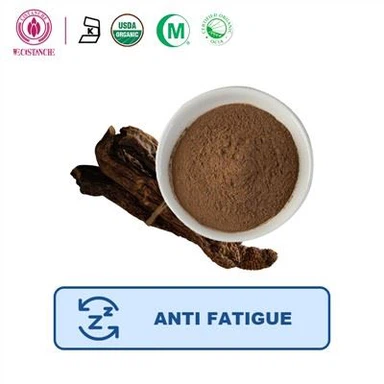
Anti-fatigue. The PhGs in Cistanche have been studied for anti-fatigue effects - reducing muscle damage, delaying the buildup of lactic acid, and supporting energy storage. This matches the herb's long history as a stamina and vitality tonic.
13. Digestive Comfort and Constipation
Cistanche's traditional role as a gentle laxative is well documented, and modern research supports it.
Studies in animal models of constipation found that Cistanche extracts and polysaccharides helped the intestines retain water and move contents along more efficiently.
Research points to effects on water-channel proteins (aquaporins) and on signaling pathways (SCF/c-Kit) that coordinate intestinal muscle movement.
These mechanisms are also being studied in the context of irritable bowel syndrome and inflammatory bowel conditions, where gentle, plant-based support is of particular interest.
14. Why "Multi-Target" Matters: The Idea Behind One Herb, Many Benefits
If you read through the sections above, you will notice a recurring theme: Cistanche does not act through a single switch. Its PhGs, polysaccharides, iridoids, and lignans together touch Wnt/β-catenin, PI3K/Akt, Nrf2/HO-1, NF-κB, TLR, MAPK, AMPK, and many other pathways across the brain, liver, kidney, gut, bone, and immune system.
In traditional Chinese medicine, this is described as the idea of yibing tongzhi - "different diseases, same treatment" - because a tonic herb that supports fundamental balance can benefit many systems at once. Modern science is starting to explain why that intuition holds: because the herb nourishes the underlying cellular processes that many diseases share, such as oxidative stress, chronic inflammation, and impaired cell repair.
For consumers, this multi-target profile is also why standardization matters. A supplement's benefit depends on it actually containing meaningful levels of the active compounds - which is why you should look for products that state their echinacoside and acteoside content and provide a certificate of analysis.

15. What the Evidence Does and Doesn't Tell Us
It is important to be honest about the limits of the research.
Most studies are pre-clinical. The bulk of the evidence comes from cell cultures and animal models. These are essential first steps, but they are not the same as proof of benefit in humans.
Human data is still thin. There are only a handful of clinical studies on Cistanche, and most are small. Larger, well-designed human trials are needed before firm conclusions can be drawn about many of the effects described here.
It is not a medicine. Cistanche should not be used to replace medical treatment for conditions such as cancer, Alzheimer's, Parkinson's, diabetes, or osteoporosis. Anyone with a medical condition should work with a qualified healthcare professional.
Quality varies. Because Cistanche is a natural product, potency and purity differ between brands. Sourcing, species, extraction method, and standardization all matter.
16. Conclusion: A Desert Plant With Modern Ambition
Cistanche is a study in contrasts. It is an endangered wild species that is now farmed to protect the desert. It is one of the oldest tonics in Chinese medicine that is now being decoded by the newest laboratory techniques. And it is a plant with a broad, gentle profile that researchers are only beginning to understand.
What we know so far is genuinely promising: its phenylethanoid glycosides and polysaccharides act through multiple signaling pathways to support brain health, immunity, liver and kidney function, antioxidant defenses, bone health, and metabolic balance. Its long history of safe use - reinforced by its official "medicine-food homology" status - makes it an approachable, food-grade ingredient for daily wellness.
As researchers move from the lab toward the clinic, and as the global interest in plant-based wellness continues to grow, the "Ginseng of the Desert" is poised to move from traditional staple to mainstream botanical. For now, it offers something increasingly rare: a natural tonic with a documented past, a fascinating mechanism, and a sustainable story that gives back to the land it grows on.
Disclaimer: This article is provided for general educational and informational purposes only and is not intended to diagnose, treat, cure, or prevent any disease. Statements have not been evaluated by the U.S. Food and Drug Administration (FDA) or any other regulatory body. Always consult a qualified healthcare professional before using any supplement, especially if you are pregnant, nursing, taking medication, or have a medical condition. Product quality and efficacy vary by brand; always review the manufacturer's certificate of analysis and sourcing information.