How Do Dialysis Patients Choose A Dialysis Center That Suits Them?
Mar 04, 2024
Dialysis patients often face the dilemma of finding a safe and reliable place for hemodialysis. Dialysis treatment is a long-term process that requires patients to go to a dialysis center several times a week for treatment. Choosing a safe and suitable hemodialysis center is very critical for dialysis patients.

Click to Cistanche for kidney disease
Here are some factors to consider when evaluating and selecting a dialysis center:
1. Medical qualifications and professional team:
When choosing a dialysis center, you must first understand the center's medical qualifications and professional team. A qualified dialysis center should have a legal license to practice, and its doctors, nurses, and technicians should have rich experience and professional knowledge. A professional medical team can provide high-quality medical treatment and nursing technology, which is crucial to patient treatment and safety.
2. Equipment and technology:
Dialysis center equipment and technology are also important considerations. The advancement of dialysis equipment is directly related to the effectiveness of dialysis and patient comfort. Therefore, it is very important to choose a center equipped with advanced hemodialysis equipment.
3. Dialysis quality and effect:
Understanding the dialysis quality and effectiveness of a dialysis center is one of the important factors in choosing a dialysis center. Patients can check the quality control data published by the department, or consult other patients to learn about the center's evaluation and reputation to make a preliminary judgment on the center's dialysis quality and effect.

4. Infection control measures:
Infection control is crucial during hemodialysis. Patients should understand the infection control measures at the dialysis center, including aspects such as equipment cleaning, disinfection procedures, and hand hygiene of health care workers. A center that takes infection control seriously can reduce the risk of infection for patients and improve the safety of treatment.
5. Patient Education and Support:
Dialysis centers not only provide medical services but also provide education and support to patients. Centers should provide patients with services such as pre-dialysis training, dietary guidance, and psychological support. These services can help patients better understand dialysis treatment, improve self-management skills, and promote recovery.
6. Transportation convenience and medical environment:
The location and accessibility of the dialysis center are also factors to consider. Patients need to go to a dialysis center on time for treatment, so choosing a center with a convenient location and easy transportation can reduce the patient's travel pressure. In addition, a comfortable medical environment can also have a positive impact on patients' mood and treatment experience.

7. Patient feedback and suggestions:
It can also be very helpful to talk to other hemodialysis patients and learn about their experiences and recommendations at different dialysis centers. Real-life patient experiences can provide you with valuable references and help you better understand the pros and cons of different dialysis centers.
8. Insurance coverage and costs:
When choosing a dialysis center, patients also need to consider the cooperation between the center and their medical insurance to help facilitate cost settlement!
9. Visit and consultation:
Patients can visit the dialysis center in person, interact with the center's staff, and learn about their workflow and services. This allows patients to feel the environment and atmosphere of the center more intuitively and helps patients make more informed choices.
How Does Cistanche Treat Kidney Disease?
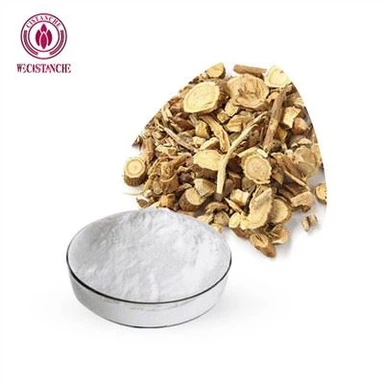
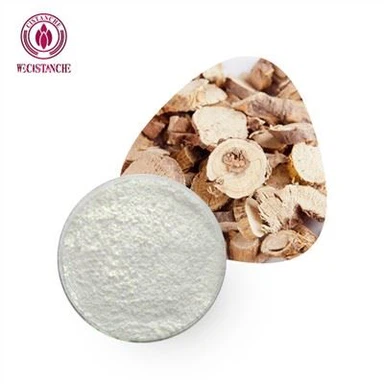
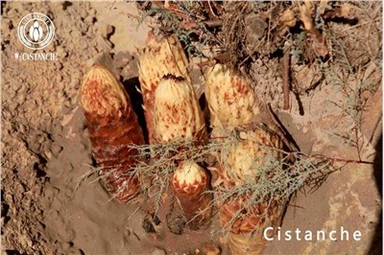
Cistanche is a traditional Chinese herbal medicine used for centuries to treat various health conditions, including kidney disease. It is derived from the dried stems of Cistanche deserticola, a plant native to the deserts of China and Mongolia. The main active components of cistanche are phenylethanoid glycosides, echinacoside, and acteoside, which have been found to have beneficial effects on kidney health.
Kidney disease, also known as renal disease, is a condition in which the kidneys are not functioning properly. This can result in a buildup of waste products and toxins in the body, leading to various symptoms and complications. Cistanche may help treat kidney disease ase through several mechanisms.
Firstly, cistanche has been found to have diuretic properties, meaning it can increase urine production and help eliminate waste products from the body. This can help relieve the burden on the kidneys and prevent the buildup of toxins. By promoting diuresis, cistanche may also help Reduce high blood pressure, a common complication of kidney disease.
Moreover, cistanche has been shown to have antioxidant effects. Oxidative stress, caused by an imbalance between the production of free radicals and the body's antioxidant defenses, plays a key role in the progression of kidney disease. ies help neutralize free radicals and reduce Oxidative stress, thereby protecting the kidneys from damage. The phenylethanoid glycosides found in cistanche have been particularly effective in scavenging free radicals and inhibiting lipid peroxidation.
Additionally, cistanche has been found to have anti-inflammatory effects. Inflammation is another key factor in the development and progression of kidney disease. Cistanche's anti-inflammatory properties help reduce the production of pro-inflammatory cytokines and inhibit the activation of inflammation mandatory pathways, thus alleviating inflammation in the kidneys.

Furthermore, cistanche has been shown to have immunomodulatory effects. In kidney disease, the immune system can be dysregulated, leading to excessive inflammation and tissue damage. Cistanche helps regulate the immune response by modulating the production and activity of immune cells, such as T cells and macrophages. This immune regulation helps reduce inflammation and prevent further damage to the kidneys.
Moreover, cistanche has been found to improve renal function by promoting the regeneration of renal tubes with cells. Renal tubular epithelial cells play a crucial role in the filtration and reabsorption of waste products and electrolytes. In kidney disease, these cells can be damaged, leading to damaged renal function. Cistanche's ability to promote the regeneration of these cells helps restore proper renal function and improve overall kidney health.
In addition to these direct effects on the kidneys, cistanche has been found to have beneficial effects on other organs and systems in the body. This holistic approach to health is particularly important in kidney disease, as the condition often affects multiple organs and systems. che has been shown to have protective effects on the liver, heart, and blood vessels, which are commonly affected by kidney disease. By promoting the health of these organs, cistanche helps improve overall kidney function and prevent further complications.
In conclusion, cistanche is a traditional Chinese herbal medicine used for centuries to treat kidney disease. Its active components have diuretic, antioxidant, anti-inflammatory, immunomodulatory, and regenerative effects, which help improve renal function and protect the kidneys from further damage. , cistanche has beneficial effects on other organs and systems, making it a holistic approach to treating kidney disease.