How Should Parkinson's Patients Choose Their Drugs?
Apr 06, 2022
In China, there are many patients with Parkinson's disease, and it has become the third-largest killer of the elderly after "cardiovascular and cerebrovascular diseases" and "senile dementia". Parkinson's disease is a chronic and progressive disease of the central nervous system. Currently, there is no cure for it. The only way to control the progression of the disease and improve the quality of life of patients is by taking drugs. For Parkinson's drugs, I believe that many patients are more concerned. After all, they need to be taken for a long time. How should the drugs be selected, and what problems should be clear? Below is a compilation for you.

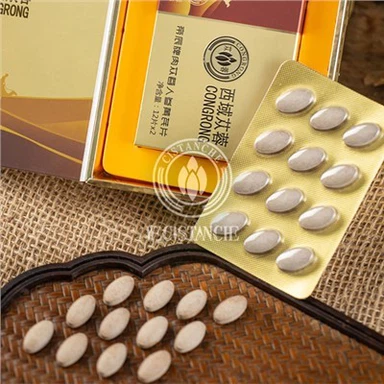
Click to Cistanche salsa Cistanche stem and Cistanche tubulosa for Parkinson's disease
The principles of Parkinson's medication
1 Early detection, early diagnosis, and early treatment can delay the progression of the disease;
2 Start with a small dose, while taking into account the improvement of efficacy and the reduction of adverse drug reactions;
3 Comprehensively consider the patient's condition, age, comorbidities, economic affordability, willingness, adverse reactions, and other factors, and follow the principle of personalized medicine;
4. The drug should not be stopped suddenly to avoid the occurrence of withdrawal malignant syndrome.
Common drugs for the treatment of Parkinson's disease Commonly used drugs for the treatment of Parkinson's disease are mainly divided into two categories: transmitters and agonists. Transmitter pharmacology, simply put, is to supplement dopamine in the brain. Common ones are Medopa, Xining, etc.; agonists mainly help receptors to be more sensitive to dopamine, such as amantadine, pramipexole hydrochloride Furore), etc.

Medaba
Effect: Improve bradykinesia and relieve main symptoms; Compared with simple levodopa, the curative effect is significantly improved, and the side effects are significantly reduced.
Dosage: Take it daily, it is recommended to take it one hour before or two hours after meals.
Note: You should avoid eating too much protein food during taking the medicine, and the intake of soy products and meat should be moderate.
Side effects: dyskinesia, gastrointestinal reactions, hallucinations.
Xining
Action: Sustained release agent to reduce the side effects of levodopa.
Dosage: At night, it is recommended to take it one hour before or two hours after meals.
Note: Tablets should not be chewed and crushed.
Side effects: dyskinesia, gastrointestinal reactions, hallucinations.

Amantadine
Function: After entering the brain tissue, it can promote the release of dopamine, or delay the metabolism of dopamine to play a role. In addition to improving the symptoms of Parkinson's disease movement disorders, it can also relieve dyskinesia caused by levodopa.
Note: Pregnancy Category C. Activities that require concentration, such as driving and working at heights, should be avoided.
Side effects: hallucinations, insomnia, livedo on the lower extremities, gastrointestinal reactions.
Pramipexole Hydrochloride (Senforol)
Action: Dopamine agonists, can avoid nerve damage caused by long-term use of levodopa, delay the need for levodopa treatment, reduce the dose of levodopa; it can also reduce motor-related symptoms such as tremors; in addition, research It has been shown that pramipexole can significantly improve depressive symptoms in Parkinson's disease patients.
Taking: Gradually increase the amount and adjust by titration.
Note: Do not take with milk on an empty stomach.
Side effects: gastrointestinal reactions, drowsiness, mental disorders, etc.

The above content is only an attempt to briefly and clearly introduce the mechanism, efficacy, detailed treatment plan, and taking method of Western medicines commonly used in Parkinson's disease, but patients must follow the doctor's advice and must not take any medication.
Parkinson's disease is a chronic disease. Before starting to take anti-Parkinson's disease drugs for a long time, we need to do the necessary preparations in order to obtain lasting effects and reduce the risk of side effects.
The current treatment methods for Parkinson's disease are mainly to improve symptoms, with the main purpose of improving the lives of patients. The progress of the disease cannot be completely prevented, but as long as effective treatment is taken in the early stage, the disease can be well controlled. development, improve the quality of life of patients, almost the same as normal people. After years of clinical verification, Cistanche can achieve a very good inhibitory effect! The side effects of drug treatment for Parkinson's disease have been minimized, and some results have now been achieved. The monomer compound campneoside II in Cistanche has obvious cytoprotective effects on cerebellar granule cell apoptosis in patients with Parkinson's disease. Tubuloside B has a good inhibitory effect on brain cell apoptosis and anti-oxidative stress in patients with Parkinson's disease. This compound is used in the treatment of Parkinson's disease.
For more information:ali.ma@wecistanche.com