Soreness And Weakness in Waist & Knees, Cold Intolerance, Frequent Nocturia — Three Classic Signs Of Kidney-Yang Deficiency in Men
Sep 22, 2026
Kidney-Yang: The "Congenital Foundation" of Male Health
In traditional Chinese medicine (TCM) theory, the kidney is known as the "congenital foundation". It stores essence, governs water metabolism, and controls qi reception. Meanwhile, kidney-yang, also called true yang or primordial yang, is the root of human yang qi. It warms the whole body and drives the functions of zang-fu organs. For men, kidney-yang is closely linked to reproductive function, vitality, physical strength, and anti-fatigue capacity.
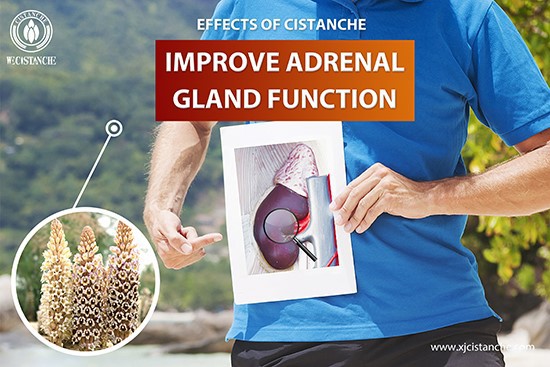
Cistanche tubulosa efficacy: Tonifying the kidney
In modern society, many men are exposed to long-term high-intensity work, staying up late, sedentary lifestyles, heavy mental stress, cold food intake or excessive sexual activity. These habits easily consume kidney-yang. Kidney-yang deficiency, commonly referred to as male kidney-yang deficiency, is one of the most common TCM constitutional imbalances in men. If neglected, it will severely impair quality of life and may further trigger dysfunction of other internal organs.
This article analyzes the three most typical signs of kidney-yang deficiency in men: soreness and weakness of the waist and knees, cold intolerance with cold limbs, and increased nocturia. It also focuses on the wellness value of Cistanche deserticola, a precious traditional TCM tonic herb, in warming kidney-yang, replenishing essence, and nourishing blood, helping readers identify symptoms scientifically and conduct reasonable conditioning.
I. Sign 1: Soreness and Weakness in Waist & Knees - A Warning from "The Waist Is the Residence of the Kidney"
1. TCM Perspective
Suwen · Maiyao Jingwei Lun states: "The waist is the residence of the kidney; inability to twist and bend indicates the kidney is failing." TCM holds that "the waist is the residence of the kidney". The kidney governs bones and generates marrow. Only abundant kidney essence can nourish bones, waist, and knee tendons. When kidney-yang is insufficient, the waist and knees lose warming and nourishment, resulting in typical symptoms: soreness and weakness, dull pain, aggravated discomfort after prolonged standing or exertion, and slight relief after rest.
Many men mistake waist soreness for simple fatigue or lumbar disc herniation. However, if accompanied by cold intolerance, fatigue, and frequent nocturia, and the waist feels cold, hollow, and weak (rather than sharp stabbing pain or radiating nerve pain), kidney-yang deficiency should be considered.

Effects of cistanche-improve kidney function
2. Common Associated Symptoms
Cold sensation in the waist; comfort from warmth and pressing
Weak knees, difficulty climbing stairs or squatting down
Mental fatigue and impaired memory
Declined sexual function (see below)
3. Daily Self-Care Tips
Prevent waist cold exposure: avoid low-rise trousers; keep the waist warm in air-conditioned rooms
Moderate exercise: the Baduanjin movement Hands Grasp the Feet to Strengthen the Kidney and Waist, brisk walking and swimming can strengthen muscles of the waist, abdomen and lower limbs
Avoid prolonged sitting: stand and stretch for 5 minutes every hour to reduce lumbar and pelvic congestion
Avoid forceful massage or violent bone setting. Seek medical examination first if lumbar disc lesions are suspected
II. Sign 2: Cold Intolerance with Cold Limbs - Failure of Yang Qi to Warm the Body
1. TCM Perspective
Jingyue Quanshu (Complete Works of Zhang Jingyue) notes: "Yang deficiency generates cold." Kidney-yang is the root of bodily yang qi; it warms the body and promotes blood circulation. When kidney-yang declines, yang qi cannot reach the extremities or nourish the skin. This leads to cold intolerance, preference for warmth, cold hands and feet, especially coldness in the lower limbs. Sufferers may even feel uncomfortable under air conditioning in summer and cannot keep limbs warm in winter.
This cold sensation is usually systemic or concentrated in the lower limbs and back. Unlike temporary cold from insufficient clothing, it cannot be easily relieved by adding clothes or blankets and recurs all year round.

Chinese herb cistanche-Improve kidney function
Click here to view Cistanche for Kidney disease products
【Ask for more】 Email:cindy.xue@wecistanche.com / WhatsApp: 0086 18599088692 / WeChat: 18599088692
2. Differential Diagnosis: Kidney-Yang Deficiency vs Qi-Blood Deficiency vs Liver Qi Stagnation
Kidney-yang deficiency: Coldness mainly in waist, lower limbs and hands; accompanied by waist soreness, nocturia and reduced sexual function
Qi and blood deficiency: Also cold intolerance, often with sallow/pale complexion, dizziness, palpitations, shortness of breath, and fatigue
Liver qi stagnation: Cold limbs that fluctuate with mood, accompanied by chest and hypochondriac distension and frequent sighing
Accurate TCM differentiation requires consultation with a licensed TCM practitioner through inspection, listening/smelling, inquiry, and pulse-taking. Do not self-diagnose by simple symptom matching.
3. Daily Self-Care Tips
Warm-natured diet: moderate intake of mutton, beef, chives, walnuts, ginger, and cinnamon (avoid for people with heat constitution, inflammation or fever)
Avoid cold stimuli: cut down on iced drinks, raw cold fruits; stay away from rain and cold water
Moxibustion therapy: consult professionals for mild moxibustion on Guanyuan, Qihai, Shenshu and Mingmen acupoints
Regular sleep: staying up late consumes yang qi; go to bed before 23:00 to protect kidney-yang
III. Sign 3: Frequent Nocturia - Impaired Bladder Qi Transformation due to Kidney-Yang Insufficiency

1. TCM Perspective
The kidney and bladder are internally and externally related. Kidney-yang governs the qi transformation of body fluids. Sufficient kidney-yang ensures proper opening and closing of the bladder. When kidney-yang is deficient, bladder qi transformation becomes weak, resulting in frequent nocturia (≥2 times getting up to urinate at night), pale and copious urine, and residual urine dribbling. Severe cases may wake up 3–5 times per night, severely disrupting sleep.
In addition, patients with kidney-yang deficiency often have pale, profuse urine, cold intolerance, and waist soreness. This is entirely different from frequent urination caused by damp-heat pouring downward, which features dark yellow urine, urgent urination, and painful micturition.
2. Western Medical Conditions to Rule Out
Frequent nocturia may also stem from benign prostatic hyperplasia, chronic prostatitis, urinary tract infection, diabetes, cardiac insufficiency, and other diseases. Seek immediate medical help at the urology or internal medicine department for organic disease screening if you have:
Sudden obvious increase in nocturia
Thin urine stream, difficult urination or hematuria
Polydipsia, polyphagia, and weight loss
Lower limb edema or shortness of breath
Do not simply treat it as "kidney deficiency" and self-medicate.
3. Daily Self-Care Tips
Reduce fluid intake 2 hours before bedtime; avoid coffee, strong tea, and alcohol
Do not hold urine; urinate promptly when the urge arises
Soak feet in warm water before bed (add a small amount of mugwort or ginger) to guide fire downward and warm meridians
Kegel exercises to strengthen pelvic floor and urethral sphincter function
Common Causes of Male Kidney-Yang Deficiency

Innate constitutional insufficiency: weak parents or premature birth
Unregulated sexual activity: excessive masturbation or frequent intercourse consuming kidney essence and kidney-yang
Chronic illness and physical weakness: poor recovery after chronic or severe diseases
Aging: natural gradual decline of kidney-yang with age
Cold diet, overwork, and staying up late: long-term depletion of yang qi
Emotional disorders: prolonged fear and anxiety, as "fear injures the kidney"
Cistanche - "Ginseng of the Desert" to Warm Kidney-Yang and Replenish Essence
1. Herbal Overview
Cistanche tubulosa is a parasitic plant in the Orobanchaceae family, mainly distributed in desert regions of Xinjiang, Ningxia, and Gansu. Listed as a top-grade herb in Shennong's Classic of Materia Medica, it is widely known as the "Ginseng of the Desert". It tastes sweet and salty, is warm in nature, and acts on the kidney and large intestine meridians. Its functions are to warm kidney-yang, replenish essence and blood, and moisten intestines to relieve constipation. It is a commonly used TCM herb for warming kidney-yang and tonifying kidney essence.
2. TCM Efficacy and Indications
Warm kidney-yang: applicable to waist and knee soreness, cold intolerance, and reduced sexual function caused by kidney-yang deficiency
Replenish essence and nourish blood: for kidney essence depletion, dizziness, tinnitus, and premature greying of hair
Moisten intestines and relieve constipation: especially for intestinal dry constipation in the elderly or physically weak patients (constipation due to blood/yang deficiency)
Compendium of Materia Medica records about Cistanche tubulosa: "Its tonifying effect is powerful but not harsh; warm but not drying; lubricating without causing leakage; unblocking without damaging healthy qi." Compared with strongly hot herbs such as Aconitum and Cinnamon twig, Cistanche tubulosa is mild and moist. Long-term intake rarely generates dry heat and injures yin, making it suitable for prolonged conditioning of male kidney-yang deficiency (TCM differentiation is still required).
3. Brief Modern Pharmacological Research
Modern studies show Cistanche tubulosacontains phenylethanoid glycosides (such as echinacoside and acteoside), polysaccharides, alkaloids, and other active ingredients. It can:

Phenylethanol glycoside is the main active components of Cistanche tubulosa
Enhance the function of the hypothalamic-pituitary-gonadal axis
Raise sex hormone levels and improve sexual function
Alleviate fatigue and boost immunity
Protect nerves and improve memory
Promote intestinal peristalsis and relieve constipation