Introduction To Chinese Medicine in The Treatment Of Kidney Diseases!
Jul 07, 2023
The etiology of kidney disease is the same, either upper respiratory tract infection or urinary tract infection, or food and drug allergies.

Click to cistanche tubulosa powder for kidney
It's just that everyone's constitution is different, so the symptoms are different, so some have proteinuria, some have occult blood, and some have both proteinuria and occult blood.
Therefore, we are all the same at the root of the disease, which is to improve the recognition ability of lymphocytes, activate complement enzymes, and decompose and excrete the immune complexes formed during infection and allergies, to cure the disease.
The above theory is the theory of cellular immunology in Western medicine, and I have studied Western medicine. Western medicine can't cure it because it only wants to suppress the immune response brought by the immune complex. I never thought about how to decompose and clear the immune complex and eliminate the cause.
What is a suppressed immune response?
For example, if it is also a bacterial infection, there will be redness, swelling, heat, and pain if no hormones are used. The symptoms of redness, swelling, heat, and pain can be alleviated by using hormones, and these symptoms may even disappear. However, it does not mean that the bacteria will disappear and the infection will be cured.
Therefore, many Western medicines combine hormones and antibiotics when treating infectious diseases. To reduce the symptoms of redness, swelling, heat, and pain caused by infection, many patients will ask you to take antibiotics for a few days after the symptoms disappear.
Why hormones can reduce urine protein?
Because the deposition of immune complexes on the glomerular basement membrane will cause glomerular edema, edema will have inflammatory exudate, and the edema will cause the basement membrane gap to shrink, resulting in the reabsorption of protein in the primary urine by the renal tubules weakened, also lead to increased urinary protein. Therefore, when using hormones, it can reduce cell edema, reduce inflammatory exudate, and reduce urine protein.
However, hormones suppress the immune response, inhibit the activity of immune cells, and cannot decompose and excrete immune complexes. Therefore, it is easy to rebound and relapse after hormone reduction or drug withdrawal.
Western medicine immunology tells us that immune complexes can be recognized by T lymphocytes, activate C3 and C4 complement enzymes, and promote the decomposition of immune complexes. Hormones inhibit the activity of immune cells, so after using hormones to treat kidney disease for more than 3 months, the function of T lymphocytes to recognize immune complexes is inhibited, C3 and C4 complement enzymes cannot be activated, immune complexes cannot be decomposed and excreted, and nephropathy cannot cure.
In Chinese medicine, our Chinese medicine treats kidney disease by decomposing and discharging immune complexes. This is confirmed by pharmacodynamic experiments. Of course, the teacher who experimented did not understand how our Chinese medicine decomposes and discharges immune complexes. of things. They are not familiar with cellular immunology. Especially kidney disease.

Therefore, our standard for drug discontinuation is that the decoction can only be stopped after three months of normal creatinine, and the pills can only be stopped after three months of normal urine protein quantification, and in the next three years, it needs to be taken for one month every winter to be cured. Only by completely clearing the immune complex, Improving the immunity of immune cells can be cured.
Even if it is cured, it is necessary to prevent recurrence in this life, and it is not allowed to drink alcohol, stay up late, eat junk food, and eat food and medicine that damage the kidneys.
How does Cistanche treat kidney disease?
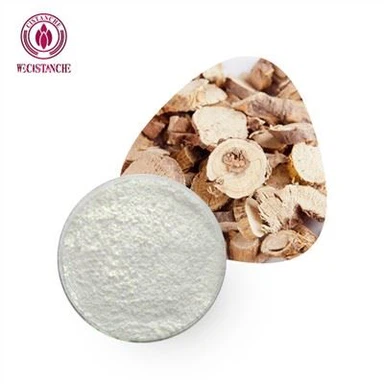
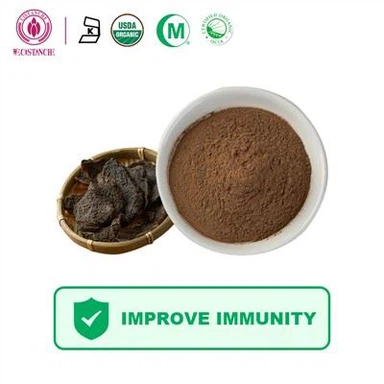
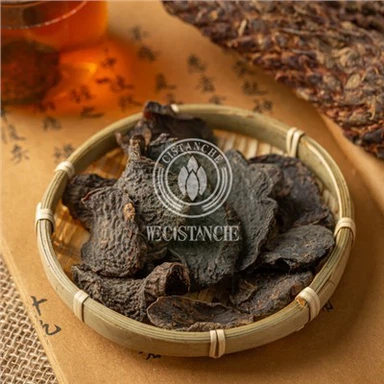
Cistanche is a traditional Chinese herbal medicine used for centuries to treat various health conditions, including kidney disease. It is derived from the dried stems of Cistanche deserticola, a plant native to the deserts of China and Mongolia. The main active components of cistanche are phenylethanoid glycosides, echinacoside, and acteoside, which have been found to have beneficial effects on kidney health.
Kidney disease, also known as renal disease, refers to a condition in which the kidneys are not functioning properly. This can result in a buildup of waste products and toxins in the body, leading to various symptoms and complications. Cistanche may help treat kidney disease through several mechanisms.
Firstly, cistanche has been found to have diuretic properties, meaning it can increase urine production and help eliminate waste products from the body. This can help relieve the burden on the kidneys and prevent the buildup of toxins. By promoting diuresis, cistanche may also help reduce high blood pressure, a common complication of kidney disease.
Moreover, cistanche has been shown to have antioxidant effects. Oxidative stress, caused by an imbalance between the production of free radicals and the body's antioxidant defenses, plays a key role in the progression of kidney disease. Cistanche's antioxidant properties help neutralize free radicals and reduce oxidative stress, thereby protecting the kidneys from damage. The phenylethanoid glycosides found in cistanche have been particularly effective in scavenging free radicals and inhibiting lipid peroxidation.

Additionally, cistanche has been found to have anti-inflammatory effects. Inflammation is another key factor in the development and progression of kidney disease. Cistanche's anti-inflammatory properties help reduce the production of pro-inflammatory cytokines and inhibit the activation of inflammatory pathways, thus alleviating inflammation in the kidneys.
Furthermore, cistanche has been shown to have immunomodulatory effects. In kidney disease, the immune system can be dysregulated, leading to excessive inflammation and tissue damage. Cistanche helps regulate the immune response by modulating the production and activity of immune cells, such as T cells and macrophages. This immune regulation helps reduce inflammation and prevent further damage to the kidneys.
Moreover, cistanche has been found to improve renal function by promoting the regeneration of renal tub with cells. Renal tubular epithelial cells play a crucial role in the filtration and reabsorption of waste products and electrolytes. In kidney disease, these cells can be damaged, leading to impaired renal function. Cistanche's ability to promote the regeneration of these cells helps restore proper renal function and improve overall kidney health.
In addition to these direct effects on the kidneys, cistanche has been found to have beneficial effects on other organs and systems in the body. This holistic approach to health is particularly important in kidney disease, as the condition often affects multiple organs and systems. Cistanche has been shown to have protective effects on the liver, heart, and blood vessels, which are commonly affected by kidney disease. By promoting the health of these organs, cistanche helps improve overall kidney function and prevent further complications.

In conclusion, cistanche is a traditional Chinese herbal medicine used for centuries to treat kidney disease. Its active components have diuretic, antioxidant, anti-inflammatory, immunomodulatory, and regenerative effects, which help improve renal function and protect the kidneys from further damage. Moreover, cistanche has beneficial effects on other organs and systems, making it a holistic approach to treating kidney disease.