Mechanistic Study On The Improvement Of Chronic Prostatitis By Cistanche-Based Treatment Via The STAT3/HIF-1α/Glycolysis Axis
Jul 21, 2025
Abstract
Chronic prostatitis (CP) is a common urological condition characterized by symptoms such as painful urination, frequent urination, and discomfort in the perineal region. It significantly impacts daily life and quality of life. While antibiotics and nonsteroidal anti-inflammatory drugs (NSAIDs) are commonly prescribed, long-term use often leads to gastrointestinal side effects and limited efficacy due to the complex etiology of CP, including immune abnormalities and metabolic dysregulation.
This study investigates the therapeutic mechanism of Cistanche-based treatment in alleviating chronic prostatitis through the STAT3/HIF-1α/glycolysis axis. A rat model of experimental autoimmune prostatitis (EAP) was established to evaluate the efficacy of Cistanche-based therapy. Male Wistar rats were randomly divided into six groups: a control group, a model group, three treatment groups with low, medium, and high doses of Cistanche (197.2, 591.5, and 1774.4 mg·kg⁻¹·d⁻¹, respectively), and a positive control group (treated with Pusitai, a commonly used anti-inflammatory drug). Treatments were administered continuously for four weeks.


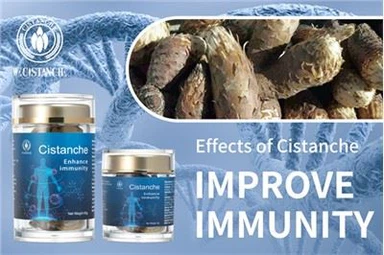
Cistanche extract pills for prostate health
Key Findings:
Histopathology: Hematoxylin and eosin (HE) staining showed that Cistanche significantly reduced inflammatory infiltration and glandular damage in the prostate.
Inflammatory Markers: Enzyme-linked immunosorbent assay (ELISA) revealed that Cistanche lowered serum levels of interleukin-8 (IL-8), interleukin-1β (IL-1β), and immunoglobulin G (IgG).
Key Protein Expression: Western blot and immunohistochemistry analysis showed Cistanche downregulated phosphorylated STAT3 (p-STAT3), hexokinase (HK), and HIF-1α while upregulating multiple inositol polyphosphate phosphatase 1 (MINPP1).
Metabolomics: Untargeted metabolomics identified 96 altered metabolites and highlighted pathways involved in glycolysis and arachidonic acid metabolism.
Mechanism: Cistanche alleviates inflammation and inhibits the progression of CP by targeting STAT3, suppressing HIF-1α signaling, and modulating glycolytic metabolism.
These findings suggest that Cistanche, known for its anti-inflammatory and kidney-tonifying properties in Traditional Chinese Medicine (TCM), offers a safe and effective therapeutic option for chronic prostatitis.

Introduction
Chronic prostatitis is a prevalent condition among men, with symptoms such as discomfort in the lower urinary tract and perineum. Studies report a prevalence rate of 6.0%–32.9% in Chinese males and 2.0%–16.0% globally. The condition's etiology is multifactorial, involving immune dysregulation, neuroendocrine abnormalities, and lifestyle factors. Immune and metabolic disturbances have been identified as key contributors to the disease.
Conventional treatments, such as antibiotics and NSAIDs, provide symptomatic relief but are often associated with side effects and limited long-term efficacy. Traditional Chinese Medicine offers a novel approach by addressing the root causes of prostatitis through herbal formulations. Cistanche, a core herb in TCM, is recognized for its properties of tonifying the kidneys, clearing damp heat, and promoting blood circulation. Its therapeutic effects in CP have been noted, but the underlying mechanisms remain unclear.
Recent studies have linked CP to abnormal glycolysis and hypoxia-inducible factor 1α (HIF-1α) signaling. Furthermore, the signal transducer and activator of transcription 3 (STAT3) pathway has emerged as a promising target for managing chronic inflammation and autoimmune diseases. This study explores the effects of Cistanche-based treatment on CP by modulating the STAT3/HIF-1α/glycolysis axis, providing a modern mechanistic understanding of its benefits.
Materials and Methods
1. Animal Model and Groups
A total of 42 male Wistar rats (190–210 g) were divided into six groups:
Control Group: Received normal saline.
Model Group: Induced with experimental autoimmune prostatitis (EAP).
Low-Dose Cistanche Group: 197.2 mg·kg⁻¹·d⁻¹.
Medium-Dose Cistanche Group: 591.5 mg·kg⁻¹·d⁻¹.
High-Dose Cistanche Group: 1774.4 mg·kg⁻¹·d⁻¹.
Positive Control Group: Treated with Pusitai (34.2 mg·kg⁻¹·d⁻¹).
Prostatitis was induced by injecting a prostate antigen preparation mixed with Freund's complete adjuvant. Treatment was administered orally for 28 days.
Results
1. Anti-Inflammatory Effects
Cistanche significantly reduced serum levels of IL-8, IL-1β, and IgG compared to the model group. This indicates suppression of systemic inflammation and immune overactivation.
2. Histopathological Improvement
HE staining revealed substantial reductions in inflammatory cell infiltration and glandular damage in the prostate tissues of Cistanche-treated groups.
3. Modulation of Key Proteins
Downregulated Proteins: p-STAT3, HIF-1α, and HK were significantly reduced in the Cistanche groups, highlighting its role in suppressing inflammation and glycolytic activity.
Upregulated Protein: MINPP1 expression increased, suggesting enhanced anti-inflammatory and metabolic regulatory effects.
4. Metabolomic Insights
Untargeted metabolomics identified 96 differential metabolites associated with glycolysis and arachidonic acid metabolism. These pathways are critical in reducing metabolic stress and inflammation in CP.
Mechanism of Action
1. STAT3 Signaling
Cistanche inhibits the activation of STAT3, a key transcription factor involved in chronic inflammation. By reducing STAT3 phosphorylation, Cistanche prevents the downstream expression of pro-inflammatory cytokines like IL-8 and IL-1β.
2. HIF-1α and Glycolysis
HIF-1α, a hypoxia-responsive transcription factor, promotes glycolysis and inflammation in CP. Cistanche suppresses HIF-1α expression, thereby reducing glycolytic metabolism and inflammatory responses in the prostate.
3. MINPP1 and Metabolic Regulation
MINPP1 is an enzyme that regulates inositol phosphate metabolism, reducing oxidative stress and inflammation. Cistanche enhances MINPP1 expression, restoring metabolic balance in the prostate.

Supportive Service Of Wecistanche-The largest cistanche exporter in the China:
Email:wallence.suen@wecistanche.com
Whatsapp/Tel:+86 15292862950

Discussion
Cistanche demonstrates a multi-targeted approach in treating CP:
Anti-Inflammatory Properties: Suppression of STAT3 and reduction in inflammatory cytokines.
Metabolic Regulation: Inhibition of glycolysis and normalization of energy metabolism.
Histological Improvement: Repair of glandular damage and reduction of inflammatory infiltration.
Compared to conventional treatments, Cistanche offers several advantages:
Safety: Minimal side effects compared to long-term antibiotic or NSAID use.
Comprehensive Action: Targets both immune and metabolic pathways.
Sustainability: Long-term improvement without dependency.
Conclusion
This study confirms that Cistanche alleviates chronic prostatitis by modulating the STAT3/HIF-1α/glycolysis axis. By reducing inflammation, improving metabolic function, and repairing tissue damage, Cistanche offers a holistic and effective treatment for CP. Future research should focus on large-scale clinical trials to validate these findings and optimize treatment protocols.
For patients suffering from chronic prostatitis, Cistanche represents a beacon of hope, addressing not just the symptoms but the underlying causes of this debilitating condition.