More Than A Kidney Tonic,Eight Overlooked Actions Of Cistanche Extract
Oct 08, 2026
First, a Clarification: An Extract Is Not One Substance
The most common error in discussing Cistanche extract is treating it as a single agent. In reality, different extraction processes and different polarity fractions yield materials with markedly different chemistry and different pharmacological directions.
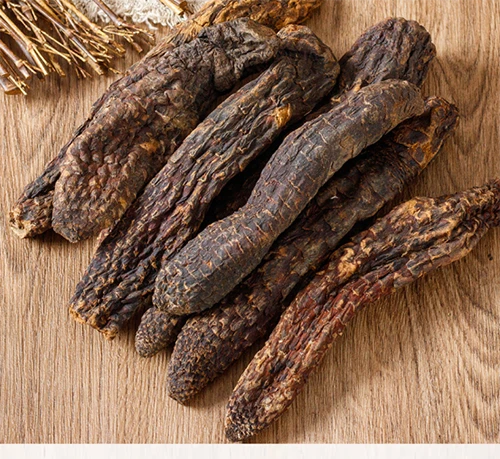
Cistanche tubulosa (Schrenk) Wight
Table 1. Main extract fractions of Cistanche and their characteristics
|
Fraction |
Representative constituents |
Principal directions reported in research |
|
Phenylethanoid glycosides (total glycosides) |
Echinacoside, acteoside (verbascoside), isoacteoside, tubuloside B |
Neuroprotection, antidepressant-like activity, anti-osteoporosis, hepatoprotection, neuroendocrine axis regulation |
|
Iridoid glycosides |
8-epiloganic acid, geniposidic acid, 8-epideoxyloganic acid |
Synergize with phenylethanoid glycosides in antidepressant action; contribute to activity in diabetic kidney disease |
|
Polysaccharides |
Cistanche deserticola polysaccharides |
Immunomodulation, intestinal lubrication, improvement of diabetic nephropathy via gut microbiota and TLR4/NF-kB |
|
Oligosaccharides and betaine |
Betaine, oligosaccharides |
Laxation (probable cholinomimetic activity), adjunct glucose lowering; betaine rises after wine processing |
|
Lignans |
Pinoresinol and related compounds |
Potential contributors to antioxidant and antitumor activity |
|
Aqueous vs. ethanolic extracts |
Composite fractions |
Aqueous extract improves bone microstructure; ethanolic extract shows stronger antioxidant and hepatoprotective activity |

Main Chemical Constituents of Cistanche tubulosa
Cistanche extract is therefore a collective noun. Whenever a study reports a finding, the first question should be: which fraction was used, and to what content was it standardized? Without that, results from different studies get conflated.
1. Neuroprotection and Cognition: The Densest and Clinically Strongest Area
Ranked by volume of published work, the modern research center of gravity for Cistanche has long since moved from the kidney to the brain.
1.1 From Alzheimer's to Parkinson's disease
Echinacoside is widely regarded as one of the principal active monomers. Review work indicates that it shows protective effects across models of Alzheimer's disease, Parkinson's disease, and amyotrophic lateral sclerosis, acting through mitochondrial protection, anti-oxidative stress, anti-inflammation, anti-endoplasmic-reticulum stress, and autophagy regulation. In APP/PS1 transgenic mice, three months of echinacoside improved memory impairment, reduced cerebral senile plaque deposition, and lowered BACE1 expression, with mechanisms involving activation of PI3K/AKT/Nrf2/PPAR-gamma signaling and suppression of neuroinflammation and microglial overactivation. Echinacoside has also been reported to inhibit tau hyperphosphorylation and to attenuate anesthesia-induced cognitive impairment.
Mechanistic highlight: A mechanistic detail worth noting: echinacoside clears damaged mitochondria through the HIF-1alpha/BNIP3 pathway, and can also target CK2alpha prime directly, recruiting BTF3 to activate Wnt/beta-catenin signaling and upregulate mitofusin 2, thereby inducing mitochondrial fusion and protecting neurons from acute injury. This mitochondrial quality control angle is a current research hotspot.

Cistanche prevents Alzheimer's disease
1.2 Human trials: randomized data exist, but read the qualifications
What genuinely distinguishes Cistanche from most tonic herbs is that randomized controlled trial data in humans already exist. One caveat must be stated plainly: the higher-quality published RCTs used a combination of Cistanche tubulosa and Ginkgo biloba (CG), not Cistanche alone.
Table 2. Two published randomized controlled trials in humans
|
Study/year |
Participants and intervention |
Main results |
Required qualifications |
|
Phytotherapy Research, 2024 (PMID 38972848) |
100 Chinese middle-aged and older participants; randomized, double-blind, placebo-controlled; two tablets daily providing 72 mg echinacoside plus 27 mg flavonol glycosides, for 90 days |
MMSE rose from 26.5 to 27.1, MoCA from 23.4 to 25.3, WHO quality of life from 81.6 to 84.2 (all p<0.001); long-term and delayed memory improved; serum total tau, pT181, pS199, pT231 and pS396 decreased; no treatment-related adverse events reported |
A combination product, so effects cannot be attributed to Cistanche alone; small sample; 90-day duration; biomarker change is not a clinical outcome |
|
Frontiers in Pharmacology, 2026 (ChiCTR2400084102) |
117 healthy adults aged 30-65; randomized, double-blind, placebo-controlled; CG tablets for 30 days |
Significant improvements in directional memory, associative learning, graphic free recall, portrait memory, total memory, and memory quotient (all p<0.01); fMRI showed increased cerebellar activity correlating with memory gains |
Healthy volunteers rather than patients; only 30 days; still a small sample |
A separate open-label, non-placebo-controlled study in patients with moderate Alzheimer's disease administered Cistanche tubulosa glycoside capsules for 48 weeks. Cognitive function showed no obvious worsening, and all adverse reactions were mild, but the authors explicitly called for larger trials before drawing any conclusions.
2. Mood and Depression: An Answer That Routes Through the Gut
This is the most counterintuitive item on the list: why would a warming yang tonic have antidepressant activity?
Work from the group of Professor Li Xiaobo at Shanghai Jiao Tong University, published in Phytomedicine, provided a comprehensive answer. The study identified total glycosides as the material basis of the antidepressant effect. The phenylethanoid glycosides they contain (echinacoside, acteoside, isoacteoside and others, accounting for 86.7 percent of total phenylethanoid glycosides) and the iridoid glycosides (8-epiloganic acid, geniposidic acid and others, 53.4 percent) act synergistically on the HPA axis, inflammation and neurotransmitter levels.
2.1 The key is a two-way interaction
The drug reshapes the microbiota: total glycosides modulate taxa including Erysipelotrichaceae, Peptococcaceae and Muribaculaceae, relieving HPA axis activation and inflammation, and suppressing the abnormal tryptophan-kynurenine shunt so that tryptophan remains available for serotonin synthesis.
The microbiota transforms the drug: hydroxytyrosol, one of the metabolites produced when gut bacteria process total glycosides, itself demonstrated antidepressant activity, lowering indoleamine 2,3-dioxygenase 1 expression in the hippocampus and colon.
One comparison deserves attention. Total glycosides also improved the hypothalamic-pituitary-gonadal axis suppression and cyclic nucleotide disturbance that accompany the depressive phenotype, an effect not observed in the fluoxetine positive-control group. This hints at a dimension of whole-system regulation that classical antidepressants may not share.
2.2 A caution for how herbal medicines are evaluated
In the same study, neither the abundant phenylethanoid glycosides nor the scarcer iridoid glycosides worked well when given alone; only the combination produced a significant effect. The implication is that a herbal medicine's activity cannot be reduced to one marker constituent, and minor components may be irreplaceable. That poses a real question for a quality system in which the pharmacopoeia assays echinacoside and acteoside alone.
Separately, echinacoside improved depressive behavior in chronic unpredictable mild stress models, with mechanisms involving reduced mitochondrial damage, regulation of phosphorylated Drp1, enhanced antioxidant capacity, and suppression of neuroinflammation. It has also been reported to relieve neuropathic pain by inhibiting the spinal P2X7R/FKN/CX3CR1 pathway.
3. Gut Motility: It Repairs the Intestinal Pacemaker

Effects of cistanche: treat constipation
Relieving constipation is a traditional action of Cistanche, usually explained away as fiber content or lubrication. The mechanistic picture is far more precise.
3.1 Interstitial cells of Cajal, the gut's pacemaker
Interstitial cells of Cajal generate the slow waves that drive gastrointestinal smooth muscle and relay enteric nerve signaling. Reduced numbers or dysfunction of these cells are recognized as a major mechanism in slow-transit constipation. Nearly all of them express c-Kit on their surface, and the ligand for c-Kit is stem cell factor.
In a senile constipation rat model, Cistanche reversed the decline in body weight and stool output and improved stool quality, while restoring the integrity and regular arrangement of the colonic epithelium. Immunohistochemistry and PCR showed that SCF and c-Kit expression fell in the model group and rose significantly after Cistanche treatment, while aquaporin 3 expression was suppressed and connexin 43 expression was promoted. Crucially, when the c-Kit blocker STI571 was administered, the effect of Cistanche was largely abolished, which effectively confirms SCF/c-Kit signaling as the main route of action.
A second study using loperamide-induced slow-transit constipation in rats reached the same conclusion: an aqueous extract of the herb increased fecal number, moisture content and intestinal transit rate, raised gastrointestinal hormones including gastrin, motilin, somatostatin and CGRP, and upregulated c-kit and SCF, with involvement of the PI3K pathway.
3.2 Aquaporins: a molecular footnote to an old metaphor
Half of the constipation problem is water. Total glycosides have been reported to downregulate colonic AQP2 and AQP3 while upregulating AQP4 and AQP9, reducing excessive water absorption and promoting mucin secretion. This maps neatly onto the classical Chinese medical language of the kidney governing water and of increasing fluid to move the boat: the herb restores the gut's own fluid distribution and rhythm rather than forcing evacuation.
4. Hepatoprotection: Multiple Routes from Alcoholic Liver to Fibrosis

Total glycosides of Cistanche tubulosa can inhibit liver cancer cells at the early stage of liver cancer
The evidence in liver research is systematic, spanning chemical injury, alcoholic injury and fibrosis.
Table 3 Principal experimental evidence for hepatoprotection
|
Injury type |
Intervention |
Main findings |
Evidence level |
|
Carbon tetrachloride acute injury |
Ethanolic extract of cultivated Cistanche |
Significantly lowered serum ALT and AST and hepatic MDA, raised hepatic SOD; in vitro DPPH, ABTS and FRAP antioxidant activity approached that of BHA |
Animal study |
|
Alcoholic liver injury (mice, 4 weeks) |
Total glycosides 50 and 100 mg/kg |
Reduced liver index and liver function markers, lowered hepatic TG, TC, MDA and LPO, enhanced SOD, GSH-Px and CAT, reduced inflammatory infiltration and fatty vacuoles; the higher dose was more effective |
Animal study |
|
Alcoholic injury in primary hepatocytes |
Total glycosides |
Improved cell survival, increased expression of the anti-apoptotic gene bcl-2, and suppressed the pro-apoptotic gene c-fos, in a dose-dependent manner |
Cell study |
|
Acute alcoholic liver injury |
Total glycosides of Cistanche deserticola, 400 mg/kg |
Improved hepatic pathology and lipid deposition, lowered serum endotoxin, DAO, and D-lactic acid; promoted Nrf-2 nuclear translocation and reduced Keap-1 and PV1, implicating improved intestinal barrier integrity |
Animal study |
|
Hepatic fibrosis |
Ethanolic total glycosides |
Inhibited hepatic stellate cell proliferation and protein expression, blocked the PDGF/ERK1/2 pathway, reduced type I and type III collagen expression and the degree of immune-mediated fibrosis |
Cell and animal studies |
|
Aging-related hepatic oxidative injury |
Aqueous extract |
Raised hepatic Ca2+-ATPase activity and lowered mitochondrial MDA and PLA2 activity in an aging rat model |
Animal study |
Two signals in the last rows deserve emphasis. First, inhibition of hepatic stellate cell activation points at fibrosis, arguably the central difficulty in liver disease treatment. Second, the observation of improved intestinal barrier integrity in acute alcoholic injury suggests that part of the hepatoprotective effect travels along a gut-liver axis rather than through antioxidant activity alone.
5. Bone Metabolism: A Bone-Protecting Herb Misread as Merely a Kidney Tonic
Chinese medicine holds that the kidney governs bone, so the skeletal effects of Cistanche are often dismissed as a by-product of kidney tonification. The modern mechanistic description sits squarely on concrete bone-remodeling pathways.
The skeletal action can be summarized as bidirectional regulation:
Promoting osteogenesis: acting on the BMP/Smads pathway to raise BMP-2 expression and upregulate osteogenic differentiation factors including bFGF, IGF-1, OSX and Runx-2, thereby driving mesenchymal stem cells toward the osteoblast lineage; activating Wnt/beta-catenin to enhance osteogenic activity and mineralization.
Suppressing osteoclasts: downregulating osteoclastogenic genes including RANKL, RANK, and TRAF6 and inhibiting NFAT2 and c-Fos activity; suppressing NF-kB and c-Fos signaling; raising the OPG/RANKL ratio. Acteoside in particular acts as an anti-resorptive agent by blocking osteoclast activation.
Antioxidant protection of bone matrix: scavenging reactive oxygen species, slowing degradation of the bone matrix, and reducing bone loss.
A 2025 study identified a further molecular axis: Cistanche phenylethanoid glycosides significantly improved trabecular microstructure and promoted bone formation in ovariectomized mice, through a mechanism involving SIRT2-mediated deacetylation of C/EBPbeta and consequent upregulation of AREG. Cell experiments confirmed the effect and showed it could be reversed by SIRT2 knockdown. Another study the same year reported that Cistanche restored cartilage extracellular matrix homeostasis by inhibiting PI3K/AKT/HIF-1alpha signaling, offering a modern pharmacological account of the traditional claim that tonifying the kidney strengthens bone in osteoporotic osteoarthritis.
6. Glucose and Lipid Metabolism, and Diabetic Kidney Disease
This is the fastest-growing area of research and the one almost absent from public awareness.

Effects of cistanche-improve kidney function
6.1 Lowering glucose and improving insulin resistance
In db/db type 2 diabetic mice, investigators compared the glucose-lowering effects of total polysaccharides, total oligosaccharides, and total glycosides from both raw and wine-processed Cistanche over 28 days. All fractions reduced body weight, fasting blood glucose, oral glucose tolerance, HbA1c, HOMA-IR and HOMA-beta to varying degrees, lowered MDA, LDL cholesterol, uric acid, creatinine and urinary microalbumin, and improved pancreatic and renal pathology and type IV collagen expression. The total glycoside fraction performed best on glucose, while polysaccharides and oligosaccharides from the wine-processed herb also showed measurable effects.
6.2 Protection in diabetic kidney disease
In a rat model of diabetic kidney disease, six weeks of Cistanche phenylethanoid glycosides raised body weight, reduced water intake, and lowered the kidney index, with efficacy comparable to the positive control dapagliflozin. Fasting glucose, triglycerides, total cholesterol, and LDL fell while HDL rose, with the effect on triglycerides particularly pronounced. Twenty-four-hour urinary protein and blood urea nitrogen decreased; Masson staining showed collagen deposition area reduced by more than 35 percent, and serum IL-1beta, IL-6, and TNF-alpha declined. Mechanistic work pointed to regulation of the JAK2/STAT3 pathway.
A second route is equally interesting. Cistanche polysaccharides improved general condition and renal pathology in diabetic nephropathy mice, lowering blood glucose and urinary protein and reducing inflammatory cytokines, while also shifting gut microbial balance: increasing beneficial taxa, reducing potential pathogens, and improving intestinal barrier function, which in turn suppressed TLR4/NF-kB activation and lipopolysaccharide release. Once again, a gut-kidney axis turns out to be the key intermediary.
Spectrum-effect relationship work further suggests that the constituents contributing most to the anti-diabetic-nephropathy activity of the aqueous extract include 8-epideoxyloganic acid, geniposidic acid, pinoresinol, betaine and syringin. Note that iridoid glycosides and betaine rank ahead of echinacoside here.
7. Fatigue, Immunity and Myocardium: Three Supporting Lines
7.1 Anti-fatigue, more than stimulation

Effects of Cistanche- Anti-Fatigue
Phenylethanoid glycosides optimize glycolysis, lower lactate dehydrogenase activity, and reduce lactate accumulation in blood and muscle, while promoting lactate transport to the liver for metabolism and shortening recovery time. Under hypoxic conditions, a combination of Cistanche phenylethanoid glycosides with gardenia yellow pigment showed meaningful anti-hypoxia and anti-fatigue effects.
Cancer-related fatigue is a more distinctive application. Cistanche extract has been reported to activate the HIF-1alpha/BNIP3L/Beclin-1 pathway in skeletal muscle cells, upregulating HIF-1alpha and BNIP3L while restraining excessive Beclin-1-mediated autophagy, thereby improving oxidative stress and delaying skeletal muscle atrophy.
7.2 Immunomodulation and immune senescence
Polysaccharides are a key material basis of immunomodulatory activity, enhancing phagocytic activity, promoting T-lymphocyte proliferation and IL-2 activity, and raising the thymus index. Echinacoside has been reported to correct immune dysfunction through the JAK1/STAT3 pathway. More intriguingly, Cistanche extract has been reported to counter immune senescence in senescence-accelerated mice, increasing naive T cell and natural killer cell populations.

Desert ginseng-Improve immunity
Click here to view Cistanche Enhance Immunity products
【Ask for more】 Email:cindy.xue@wecistanche.com / WhatsApp: 0086 18599088692 / WeChat: 18599088692
7.3 Myocardial protection, an emerging direction
In a rat model of post-infarction ventricular remodeling, 28 days of echinacoside at 50 or 100 mg/kg reduced infarct size in a dose-responsive manner (15 percent in the high-dose group versus 38 percent in controls) and improved left ventricular ejection fraction (64.7 percent versus 40.3 percent). The effect was associated with modulation of M1/M2 macrophage polarization, suppression of fibrotic signaling, and regulation of PI3K-Akt activity. This remains preclinical, but it offers a new lead for the traditional idea of treating the heart through the kidney.
7.4 Antitumor activity, with boundaries clearly drawn
Experimental work indicates that echinacoside downregulates TREM2 and inhibits PI3K/Akt phosphorylation, reducing proliferation and inducing apoptosis in HepG2 hepatoma cells, while total glycosides suppress Wnt/beta-catenin signaling, upregulate Bax, and activate caspase-3 to drive mitochondrial apoptosis. These are cell and animal findings. Cistanche is not an anticancer drug, and the value of this work lies in clarifying constituent activity, not in providing a basis for treatment.

Effects of cistanche-antitumor
8. The Most Overlooked Point of All: Synergy, Processing and Minor Constituents
If only one of the eight items could be kept, it would be this one, because it determines how the other seven should be read.
8.1 Synergy outweighs any single constituent
The antidepressant work provides the clearest demonstration: the abundant phenylethanoid glycosides and the scarce iridoid glycosides only produced a significant effect in combination. The value of a herbal extract lies in the combination, and reducing an extract to an echinacoside percentage is a loss of dimensionality. For consumers, this means a product marketed on a single glycoside percentage does not necessarily reproduce the activity of the crude drug.
8.2 Processing changes the chemical profile and the direction of effect
Wine processing is not simply a matter of strengthening the warming action. Chemically, steaming with wine reduces the polysaccharide fraction, raises betaine in the oligosaccharide fraction, and within the total glycoside fraction slightly lowers echinacoside and acteoside while raising isoacteoside. Pharmacologically, total glycosides from the wine-processed herb outperformed those from the raw herb in restoring HPT axis function and in regulating folate and amino acid metabolic pathways and microbial structure.
In other words, raw and wine-processed Cistanche are two materials with different directional biases, and they are not interchangeable. When discussing an extract, this question becomes unavoidable: was it made from the raw herb or the processed one?
8.3 Betaine and oligosaccharides step forward
Betaine closely resembles choline in structure and is presumed to have cholinomimetic activity; it is considered an important part of the laxative mechanism, and it also appears on the list of constituents contributing to anti-diabetic-nephropathy activity. Oligosaccharides likewise demonstrate a meaningful laxative effect and change markedly with wine processing. If quality control tracks only two glycoside markers, the contribution of these components will be systematically missed.
9. A Sober View: Evidence Grade, Safety and Four Boundaries
9.1 Evidence grade: still overwhelmingly preclinical
Table 4 Strength of evidence by direction of action
|
Direction |
Main evidence type |
Human data |
Defensible wording at this stage |
|
Neuroprotection and cognition |
Extensive animal and cell work plus a few small RCTs |
Yes (combination product, small sample, 90 or 30 days) |
Clinical studies suggest; not prevention or treatment of dementia |
|
Mood and depression |
Animal models plus microbiota and metabolic mechanism work |
None |
Pharmacological studies show; not a substitute for antidepressants |
|
Gut motility and constipation |
Animal models plus long traditional clinical use |
No high-quality RCT |
Appropriate for deficiency-type constipation under proper diagnosis; not for heat-bind constipation |
|
Hepatoprotection |
Mainly animal and cell studies |
None |
Experimental studies show; not a basis for treating liver disease |
|
Bone metabolism |
Animal mechanistic work plus small clinical observation |
Yes (single-center, small sample observation) |
Preliminary clinical observation; multicenter RCTs needed |
|
Metabolism and diabetic kidney disease |
Animal models and network pharmacology |
None |
Purely preclinical; must not replace glucose-lowering or renoprotective drugs |
|
Fatigue, immunity, myocardium |
Animal and cell studies |
None |
Mechanistic exploration stage |
|
Antitumor |
Cell and animal experiments |
None |
Clarifies constituent activity only; not a treatment |
9.2 Safety: favorable overall, but not a free-for-all
On toxicology, the maximum tolerated acute oral dose in mice exceeded 20 g per kg body weight, and acute oral toxicity testing at the maximum administered dose of 20,000 mg per kg body weight produced no signs of intoxication and no deaths. Rats given 26.40 g per kg body weight of processed Cistanche tubulosa slices grew normally, and no safety problems have been reported from its use in health foods.
Improper dosing or an unsuitable constitution can still cause problems. Risks of long-term excessive use include:
Gastrointestinal discomfort: the herb is moist and rich, so prolonged overuse can impede spleen function, producing abdominal distension, reduced appetite and loose stools, most notably in those with weak digestion.
Yin-yang imbalance: warm and yang-supporting, so unsupervised long-term use may produce relative yang excess, with dry mouth and throat, flushed face, irritability, insomnia, and scant dark urine.
Blood pressure effects: it has some blood-pressure-lowering action, so people with hypotension taking large amounts over time may experience more dizziness and fatigue.
Hepatic and renal load: animal work suggests very high doses may impose a burden, so long-term users should have liver and kidney function monitored periodically.
9.3 Four boundaries for use
Avoid in yin deficiency with effulgent fire (hot palms and soles, night sweats, red tongue with little coat); the warm yang-supporting nature aggravates deficiency fire.
Unsuitable with loose stools or weak spleen: the bowel-moistening action can worsen diarrhea.
Not indicated for heat-bind constipation: an excess pattern, outside its indications.
Pregnant or breastfeeding women, children, and people with hypotension or impaired liver or kidney function should use it only under professional supervision and should not self-prescribe long-term supplementation.
References
[1] Li J, Yu H, Yang C, Ma T, Dai Y. Therapeutic Potential and Molecular Mechanisms of Echinacoside in Neurodegenerative Diseases. Frontiers in Pharmacology, 2022. PMID: 35185590.
[2] Echinacoside Improves Cognitive Impairment by Inhibiting Amyloid Beta Deposition Through the PI3K/AKT/Nrf2/PPAR-gamma Signaling Pathways in APP/PS1 Mice. PMC9363339.
[3] Total glycosides from stems of Cistanche tubulosa alleviate depression-like behaviors: bidirectional interaction of the phytochemicals and gut microbiota. Phytomedicine, 2021 (Li X laboratory, Shanghai Jiao Tong University).
[4] Therapeutic effect of Cistanche deserticola on defecation in senile constipation rat model through stem cell factor/C-kit signaling pathway. World Journal of Gastroenterology, 2021. PMID: 34539140.
[5] Aqueous Extracts of Herba Cistanche Promoted Intestinal Motility in Loperamide-Induced Constipation Rats by Ameliorating the Interstitial Cells of Cajal. PMID: 29445412.
[6] Cistanche phenylethanoid glycosides regulate osteogenic differentiation and treat osteoporosis through the SIRT2-C/EBPbeta-AREG axis. Journal of China Medical University, 2025.
[7] Hypoglycemic effect of different extracts of Cistanche deserticola on db/db mice. 2024.
[8] Cistanche deserticola polysaccharides attenuate diabetic nephropathy in mice by affecting the intestinal flora and inhibiting the Toll-like receptor 4/NF-kB signaling pathway.
[9] A randomized, double-blind, placebo-controlled study of Cistanche tubulosa and Ginkgo biloba extracts for the improvement of cognitive function in middle-aged and elderly people. Phytotherapy Research, 2024. PMID: 38972848.
[10] Protective effect of total glycosides of Cistanche on alcoholic liver injury in mice; protection of primary cultured mouse hepatocytes against alcohol-induced injury. Chinese Journal of Clinical Pharmacology and Therapeutics, 2011.
[11] Advances in the mechanism of Cistanche extract against osteoporosis; clinical observation of Cistanche in treating osteoporosis and regulating bone metabolomics.
[12] Chinese Medicine Information Query Platform (reviewed by the Terminology Project of the National Administration of Traditional Chinese Medicine): side effects of long-term Cistanche use.