Progress In Diagnosis And Treatment Of Abnormal Mineral And Bone Metabolism In Chronic Kidney Disease In 2023Ⅲ
Mar 11, 2024
5. Progress of Phosphorus Binders
Phosphorus binders are a type of drug that can combine with dietary phosphates to form insoluble phosphorus complexes, reducing the absorption of phosphorus in the small intestine, and thereby reducing serum phosphorus levels. In clinical treatment, commonly used phosphate binders include calcium-containing phosphate binders and non-calcium-containing phosphate binders. The most widely used calcium-containing phosphorus binders include calcium carbonate, calcium acetate, etc. However, the use of calcium-containing phosphate binders may cause patients to develop hypercalcemia, increase the risk of metastatic calcification and VC, and increase cardiovascular disease mortality.

Click to Cistanche for kidney disease
Compared with calcium-containing phosphate binders, sevelamer, a non-calcium-containing phosphate binder, reduces the risk of hypercalcemia in CKD patients and delays the progression of VC in CKD patients [3]. However, sevelamer has a lower phosphate binding capacity than calcium-containing phosphate binders, resulting in a larger daily tablet load for patients.
The new generation of phosphorus binder sucrose ferric oxyhydroxide is an iron-based non-calcium phosphorus binder. It was first launched in the United States in 2013 and was approved for sale in China in February 2023. Its approved indications are: (1) Use To control serum phosphorus levels in adult CKD patients receiving dialysis. (2) Used to control serum phosphorus levels in CKD pediatric patients 12 years old and above in stages 4 to 5 (defined as glomerular filtration rate <30 mL/(min·1.73m²) or receiving dialysis. Sucrose ferric oxyhydroxide It is launched to fill the gap in phosphorus-lowering drugs for CKD stage 4 to 5 children aged 12 to 18 years old or receiving dialysis treatment.
1. Sucrose iron oxyhydroxide is effective in reducing serum phosphorus levels and has low tablet loading.
The results of China's Phase 3 clinical trial published in 2024 showed that the blood phosphorus compliance rate of patients with sucrose ferric oxyhydroxide treatment was as high as 56.5% in the fourth week (vs. 32.8% with sevelamer), and the early phosphorus reduction compliance rate was significantly higher. . And during the treatment period, sucrose ferric oxyhydroxide can reduce the average daily tablet load by 52% compared with sevelamer (average daily dosage: 2.98 tablets of sucrose ferric oxyhydroxide, 6.31 tablets of sevelamer) [9] . The results of a real-world study showed that 6 months after 1,029 hemodialysis patients switched from other phosphate binders to sucrose ferric oxyhydroxide, the serum phosphorus compliance rate significantly increased by 95% [10].

2. Sucrose ferric oxyhydroxide has good safety and no risk of iron overload.
The results of a prospective multi-center cohort study showed that the most common adverse reaction in patients treated with sucrose hydroxyl iron was diarrhea, but most of it was mild and transient, and subsided quickly after treatment, without special treatment [11] Sucrose hydroxyl Iron oxide has a good safety profile in pediatric patients, and no new safety signals were found compared to adults [12]. Japanese phase 3 clinical studies show that after administration of the maximum dose (4.5 to 6 tablets/d), serum ferritin levels will not continue to increase. The median maximum ferritin value is approximately 200 ng/mL, and serum transferrin saturation is stable. Around 30%. In a prospective observational study, mean serum ferritin levels increased significantly from baseline only in patients who received iron during treatment, and in patients who did not receive concomitant iron therapy, ferritin values did not increase. These findings indicate that taking sucrose ferric oxyhydroxide does not affect the stability of patients' iron parameters and there is no risk of iron overload.
3. Other clinical benefits of sucrose ferric oxyhydroxide.
A historical cohort study showed that patients with hypoalbuminemia on other phosphate binders who were switched to sucrose ferric oxyhydroxide were able to moderately increase dietary protein while controlling serum phosphorus levels with low tablet loading. intake, thereby increasing serum albumin levels and improving malnutrition, which is of great benefit to improving patients' medication compliance and improving their quality of life.

6. Summary
Based on the above content, CKD-MBD, as a clinical syndrome of CKD, has an important impact on patients' health. At present, the management level of CKD-MBD in my country is not ideal, and only a few patients can meet the standards for calcium, phosphorus, and PTH. For the treatment of SHPT and osteoporosis, new drugs such as Upacicalcet and Etecatide have shown good efficacy and safety, bringing new treatment options to patients. However, some treatments also carry potential risks; for example, denosumab may increase the risk of severe hypocalcemia. For the VC problem, although some treatment options such as magnesium and vitamin K show certain potential, their clinical effects need further verification. In the future, it is necessary to strengthen the diagnosis, treatment, and management of CKD-MBD and explore more effective treatment strategies to improve patients' quality of life and prognosis.
Etecatide hydrochloride, newly launched in my country in 2024, will help with the management of SHPT and reduce PTX surgery. Sucrose iron oxyhydroxide, as a new generation of non-calcium-iron-based phosphorus binders, is also expected to help improve China's blood phosphorus management level. The third generation of SHPT drugs will be launched later. Another iron-based phosphorus binder, ferric citrate, and the innovative phosphorus-lowering drug Tenapanor were launched in Japan and the United States in 2014 and 2023 respectively. They have not yet been approved in China. We look forward to the future. More new drugs with better efficacy and better safety can be approved, providing more options for CKD-MBD management.
How Does Cistanche Treat Kidney Disease?
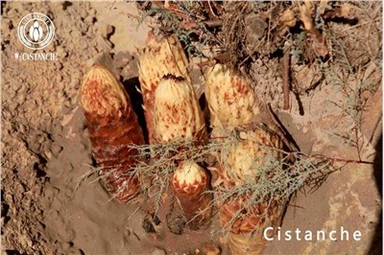
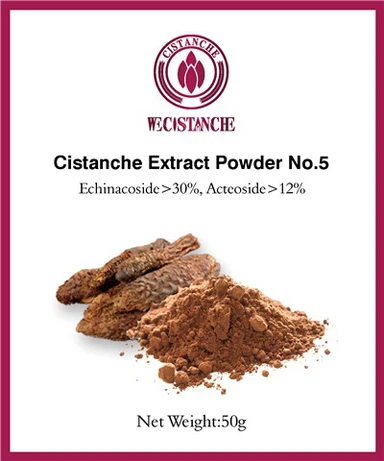
Cistanche is a traditional Chinese herbal medicine used for centuries to treat various health conditions, including kidney disease. It is derived from the dried stems of Cistanche deserticola, a plant native to the deserts of China and Mongolia. The main active components of cistanche are phenylethanoid glycosides, echinacoside, and acteoside, which have been found to have beneficial effects on kidney health.
Kidney disease, also known as renal disease, refers to a condition in which the kidneys are not functioning properly. This can result in a buildup of waste products and toxins in the body, leading to various symptoms and complications. Cistanche may help treat kidney disease ase through several mechanisms.
Firstly, cistanche has been found to have diuretic properties, meaning it can increase urine production and help eliminate waste products from the body. This can help relieve the burden on the kidneys and prevent the buildup of toxins. By promoting diuresis, cistanche may also help Reduce high blood pressure, a common complication of kidney disease.
Moreover, cistanche has been shown to have antioxidant effects. Oxidative stress, caused by an imbalance between the production of free radicals and the body's antioxidant defenses, plays a key role in the progression of kidney disease. ies help neutralize free radicals and reduce Oxidative stress, thereby protecting the kidneys from damage. The phenylethanoid glycosides found in cistanche have been particularly effective in scavenging free radicals and inhibiting lipid peroxidation.
Additionally, cistanche has been found to have anti-inflammatory effects. Inflammation is another key factor in the development and progression of kidney disease. Cistanche's anti-inflammatory properties help reduce the production of pro-inflammatory cytokines and inhibit the activation of inflammation mandatory pathways, thus alleviating inflammation in the kidneys.

Furthermore, cistanche has been shown to have immunomodulatory effects. In kidney disease, the immune system can be dysregulated, leading to excessive inflammation and tissue damage. Cistanche helps regulate the immune response by modulating the production and activity of immune cells, such as T cells and macrophages. This immune regulation helps reduce inflammation and prevent further damage to the kidneys.
Moreover, cistanche has been found to improve renal function by promoting the regeneration of renal tubes with cells. Renal tubular epithelial cells play a crucial role in the filtration and reabsorption of waste products and electrolytes. In kidney disease, these cells can be damaged, leading to damaged renal function. Cistanche's ability to promote the regeneration of these cells helps restore proper renal function and improve overall kidney health.
In addition to these direct effects on the kidneys, cistanche has been found to have beneficial effects on other organs and systems in the body. This holistic approach to health is particularly important in kidney disease, as the condition often affects multiple organs and systems. che has been shown to have protective effects on the liver, heart, and blood vessels, which are commonly affected by kidney disease. By promoting the health of these organs, cistanche helps improve overall kidney function and prevent further complications.
In conclusion, cistanche is a traditional Chinese herbal medicine used for centuries to treat kidney disease. Its active components have diuretic, antioxidant, anti-inflammatory, immunomodulatory, and regenerative effects, which help improve renal function and protect the kidneys from further damage. , cistanche has beneficial effects on other organs and systems, making it a holistic approach to treating kidney disease.