Research Progress On in Vitro Antioxidant Activity Of Active Substances in Cistanche Deserticola
Apr 11, 2022
For more info. contact tina.xiang@wecistanche.com
Abstract: Cistanche deserticola contains a variety of biologically active substances, which have high nutritional and health care functions. By classifying and summarizing the active substances of Cistanche deserticola and its evaluation method of antioxidant activity in vitro, it provides a basis for the research on the antioxidant activity of Cistanche deserticola and research in related fields.
Keywords: Cistanche deserticola; active substances; antioxidant activity; in vitro antioxidant evaluation
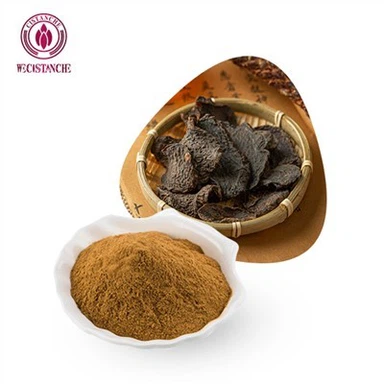
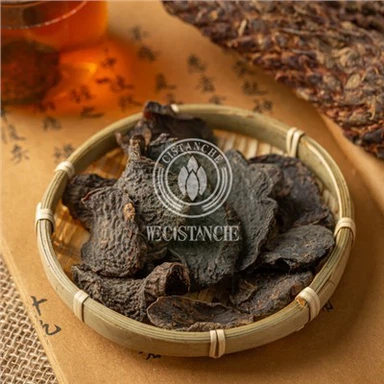
Cistanche was first published in Shennong's Classic of Materia Medica, and it enjoys the reputation of "desert ginseng". It is a perennial herb of the genus Cistanche of the Lidangaceae family. , my country's Cistanche is mainly distributed in Inner Mongolia (Alexa League, Bayannaoer City), Xinjiang, Gansu, and other places. From the 1980s to the present, scholars at home and abroad have conducted in-depth research on the chemical constituents and biological activities of Cistanche deserticola and have made great achievements. Phenosides, iridoids, and their glycosides, lignin, Active ingredients such as flavonoids, have the functions of invigorating the kidney and strengthening the yang, laxative and moistening the intestines, protecting the liver, immune regulation, anti-aging, anti-tumor, improving learning and memory, anti-osteoporosis, promoting wound healing, protecting ischemic myocardium, and improving microcirculation and so on. The research progress of active substances in Cistanche deserticola in recent years was introduced from the aspects of active substances of Cistanche deserticola, evaluation methods of antioxidant activity in vitro, and application of antioxidants.

Click here to learn more products
1 Antioxidant active substances of Cistanche deserticola
1.1 Phenylethanol glycosides
Phenylethanol glycoside compounds have strong biological activity and significant pharmacological activity properties. A total of 61 phenylethanoid glycosides were isolated and identified from Cistanche deserticola, including cistanche glycosides, echinacoside, verbascoside, phyllosides, salidroside, and salidroside. Tu Pengfei et al. studied the constituents of Cistanche deserticola, and the results showed that its main active components were total phenylethanol glycosides (the main indicator components were echinacoside and Verbascum), and total phenylethyl alcohol glycosides were the main detection indicators for the quality control of Cistanche deserticola. Zeng Kewu et al. used the suture method to prepare a rat middle cerebral artery occlusion model and examined the cerebral protective effect of cistanche phenylethanoid. The potential pharmacological mechanism of many effects such as immune regulation.
1.2 iridoids and their glycosides
Iridoids have a variety of biological activities, and 25 iridoids and their glycosides have been isolated and identified from Cistanche deserticola. Geniposide, also known as geniposide, is an iridoid glucoside with anti-inflammatory and choleretic components, so it is clinically used for lowering blood pressure, analgesia, sedation, etc. Li et al. used high-performance liquid chromatography to determine the content of geniposide in Cistanche deserticola, and the results showed that the linear relationship was good in the range of 5.0-100.0 μg/mL (R=0.999 9), and the average recovery rate was 95%~100.0 μg/mL. 101%, RSD was 0.55% to 1.95%.
1.3 flavonoids
Flavonoids have important biological activities. Wang Hui [14] found that flavonoids have anti-tumor, anti-cardiovascular disease, antioxidant, anti-aging, antibacterial, antiviral, immune regulation, and other effects. Xu Changyong et al. The adsorption effect of adsorption resin on total flavonoids of Cistanche deserticola was obtained through adsorption test and orthogonal test to obtain the best process conditions for separation and purification of total flavonoids of Cistanche deserticola. The mass fraction of total flavonoids before and after separation and purification increased from 6.63% to 72.35%.
1.4 other
At present, experts and scholars at home and abroad have isolated and identified more than 100 chemical components and trace elements from Cistanche deserticola. In addition to the above components, there are lignans and their glycosides, polysaccharides, alkaloids, hydrocarbons, and amino acids. Classes, mushrooms, volatile components, inorganic trace elements, and other components.

2 Evaluation method of antioxidant activity of Cistanche deserticola active substances in vitro
2.1 Study on the evaluation method of DPPH·clearance rate of Cistanche deserticola active substances
DPPH·(1,1-diphenyl-2-trinitrophenylhydrazine) has a maximum absorption peak at 517 nm, and is a relatively stable free radical, because of its good stability, and high sensitivity, and low equipment requirements It has become the first choice for testing antioxidant capacity. The alcoholic solution of DPPH· is dark purple. When the free radical scavenger exists, its absorption gradually disappears, that is, the color becomes lighter. The degree of fading is quantitatively related to the number of electrons received by the free radical scavenger. The most commonly used detection method of DPPH·clearance is a spectrophotometer, and it can also be detected by high-performance liquid chromatography, electron-nuclear magnetic resonance, thin layer chromatography, and other techniques. The in vitro antioxidant activity of total flavonoids from Cistanche deserticola was studied by the ethanol-salt aqueous two-phase extraction method. The results showed that the total flavonoids of Cistanche deserticola had an effective scavenging effect on DPPH·, and the scavenging rate of DPPH· was up to 91.8%, showing good antioxidant activity. The test showed that the scavenging ability of Cistanche deserticola polysaccharide on DPPH· was positively correlated with its concentration, and the scavenging ability was greater than that of ascorbic acid.
2.2 Study on the evaluation method of hydroxyl radical scavenging rate of active substances of Cistanche deserticola
Hydroxyl free radical ( OH) has a maximum absorption peak at 510 nm, which is a free radical with a strong oxidative ability and can continuously react with organic macromolecules such as fat in the body, causing damage to the body. The amount of antioxidants is proportional to the scavenging ability of OH, and salicylic acid is generally used as a scavenger. The most commonly used detection method for OH scavenging rate is UV-Vis spectrophotometry. At present, the fluorescence method, electron spin resonance method, chemiluminescence method, high-performance liquid chromatography, and other methods can also be used. The active components of Cistanche deserticola have the ability to scavenge ·OH. The in vitro antioxidant activity of total flavonoids from Cistanche deserticola to ·OH was studied. The results showed that the total flavonoids of Cistanche deserticola could effectively scavenge ·OH, and the maximum scavenging rate of ·OH was 35.9%. The antioxidant activity of flavonoids in Cistanche deserticola was determined by the fluorescence method, and the scavenging rate of ·OH was 91.5%. The results showed that flavonoids in Cistanche deserticola had strong antioxidant activity. The test showed that the polysaccharide of Cistanche deserticola had a good scavenging effect on ·OH, and it increased with the increase of concentration.
2.3 Study on the evaluation method of ABTS+·clearance rate of active substances of Cistanche deserticola
ABTS[2,2'-Diazobis(3-ethylbenzothiazoline-6-sulfonic acid)diammonium salt] has a maximum absorption peak at 414 nm or 734 nm, which is reductive and easily oxidized to relative Stable blue-green water-soluble ABTS+·, the solution fades after ABTS+· reacts with antioxidants, the stronger the fade, the lower the absorbance. The degree of fading of the solution is proportional to the antioxidant capacity of the solution. The scavenging ability of Cistanche deserticola polysaccharide ABTS+· was determined by the ultrasonic enzymatic method. The test showed that in the range of 50~; 1 000 mg/L, the scavenging ability of C. When the mass concentration was 1 000 mg/L, the ABTS+· clearance rate of the Cistanche deserticola polysaccharide-zinc complex reached 36.83%.
2.4 Research methods for other in vitro antioxidant activities of Cistanche deserticola active substances
In addition to the above in vitro antioxidant research methods, the active components of Cistanche deserticola are also commonly used in the determination of total reducing power (potassium ferricyanide method), the determination of oxygen radical absorption, the determination of antioxidant equivalent, and the determination of superoxide radicals (O-2· ) scavenging ability test and other in vitro antioxidant research methods.

3 Conclusion
In recent years, experts and scholars have conducted a lot of research on the antioxidant activity of Cistanche deserticola. The results show that Cistanche deserticola can scavenge various free radicals in vitro and in vivo, and improve the activity of antioxidant enzymes in the body [20]. The in vitro antioxidant activity is used to evaluate A fast, simple, sensitive, and feasible method for the antioxidant activity of antioxidants. Cistanche is a traditional Chinese medicinal material. Years of experimental studies have shown that Cistanche has important medicinal value and economic value. ; Pills, Compound Cistanche Yizhi Capsules, etc. are used in clinical applications.
According to the Science and Technology Bureau of Alxa League, since 2014, the work of the desert cistanche deserticola application for new food raw materials project was officially launched; in 2018; in January, the National Health and Family Planning Commission issued a notice to solicit public opinions, and the cistanche deserticola (desert), party ginseng, etc. 9 kinds of substances are added to a batch of substances that are both food and traditional Chinese medicines into the food and drug substance catalog, and Cistanche deserticola in Alexa is included in the list of substances to be studied for key research. Trial production of Cistanche deserticola is required; for 2 years. In the future, certain processing technology, microbial technology, etc. can be used to realize the industrial production of the active ingredients of Cistanche deserticola to meet the actual needs and solve the problem of resource destruction and waste. Therefore, Cistanche can learn from the previous drug development experience to develop healthy food, and its development has broad prospects.