Research Progress On Integrated Traditional Chinese And Western Medicine Treatment Of Ovulatory Dysfunction Infertility
Feb 09, 2026
Abstract
With rapid societal development, the number of infertility patients is increasing year by year due to factors such as lifestyle and environment. Among them, ovulation disorder is an important cause of infertility, which harms women's physiological health and significantly affects their mental state and psychological stress. In Traditional Chinese Medicine (TCM), treatment is grounded in evidence-based pattern differentiation and may include acupuncture-moxibustion therapy, needle-and-herb therapy, acupoint thread-embedding, and other characteristic approaches. In Western medicine, most treatment relies on medications, surgical solutions, and assisted reproductive technology (ART). The clinical efficacy of integrating Chinese and Western medicine in treating ovulatory dysfunction infertility (ODI) is also favorable. By organizing and summarizing relevant treatment experience, we hope to provide new ideas for the clinical treatment of ovulatory disorder infertility.
Keywords: Infertility; Ovulatory disorders; Traditional Chinese Medicine; Assisted reproduction
TCM HERB CISTANCHE SUPPLEMENTS FOR PREVENTING KIDNEY DISEASE

Supportive Service Of Wecistanche-The largest cistanche exporter in the China:
Email:wallence.suen@wecistanche.com

Current status of Western medicine research on ODI
1.1 Pathogenesis of ODI
1.1.1 Hypothalamic–pituitary–ovarian (HPO) axis dysfunction
Female reproductive function is regulated by the HPO axis, and its dysfunction can lead to reproductive diseases, manifesting as abnormal secretion of gonadotropin-releasing hormone (GnRH), follicle-stimulating hormone, or luteinizing hormone. Hypothalamic–pituitary failure (HPF) presents as hypogonadism; women with HPF often exhibit delayed development and menstrual disorders, and severe cases may lead to infertility. Patients with polycystic ovary syndrome (PCOS) commonly develop insulin resistance, which suppresses hepatic production of sex hormone–binding globulin (SHBG) and increases androgen secretion, thereby inhibiting follicular development and reducing the likelihood of ovulation. Some scholars have noted that circadian disruption from poor diet and sleep habits in modern life has become a global health issue contributing to reduced female fertility.

1.1.2 Endocrine diseases
Hyperprolactinemia is a common cause of ovulatory dysfunction. Contributing factors include anterior pituitary adenomas, primary hypothyroidism with thyrotropin-releasing hormone (TRH)–induced prolactin secretion, and the use of psychotropic medications that alter dopamine signaling. Primary hypothyroidism can disrupt HPO axis regulation; excessive TRH interferes with pulsatile GnRH, affecting oocyte quality and folliculogenesis. Studies indicate that thyroid-stimulating hormone (TSH) > 2.5 μIU/mL is sufficient to cause ovulatory dysfunction. Metabolic disturbances due to thyroid dysfunction increase infertility risk.
In summary, ovulatory disorder infertility in women is largely due to HPO axis dysregulation and endocrine comorbidities, resulting in hormonal imbalance and reproductive dysfunction. With rapid social development, heightened psychological stress and irregular schedules related to work, family, and lifestyle can create a vicious cycle, contributing to the rising incidence of these conditions.
1.2 Western medical treatments
1.2.1 Pharmacotherapy
Clomiphene citrate (CC). CC is the most widely used first-line ovulation induction drug. By blocking estrogen receptors in the hypothalamus, it triggers a negative feedback mechanism that stimulates follicular growth. Evidence suggests CC may be particularly beneficial in individuals with BMI ≥ 30 kg/m². Estradiol rises after CC therapy. Among patients receiving CC for more than three years, common side effects include mood swings, visual disturbances, and breast-related symptoms. For unexplained infertility, CC and letrozole achieve comparable live birth rates; however, in women with PCOS, letrozole may be more effective. Overall, CC remains a first-line option for anovulatory infertility; clinicians should monitor patient-specific risks and side effects to improve outcomes.
Letrozole. Letrozole is a nonsteroidal oral aromatase inhibitor that reversibly binds CYP450 aromatase, inhibiting the conversion of testosterone to estradiol and androstenedione to estrone. Studies show higher ovulation rates with letrozole vs CC in PCOS-related infertility. As aromatase is highly expressed in temporal and frontal brain regions (involved in learning, memory, sensory processing, and dopaminergic activity), common side effects include memory impairment, mood disturbances, somnolence, anxiety, fatigue, and hot flashes. In PCOS-associated infertility, letrozole often provides superior outcomes.
Estradiol valerate (EV). For ODI, regulating sex hormone levels supports subsequent ovulation induction. EV exerts feedback modulation on the HPO axis and improves endometrial receptivity by promoting cervical glandular epithelium proliferation and enhancing cervical mucus, facilitating sperm penetration and improving pregnancy and fertilization rates. Some studies suggest EV supplementation improves luteinizing hormone dynamics and supports follicle rupture and corpus luteum formation. While CC can improve ovulation rates, pregnancy rates may lag; EV can stimulate uterine smooth muscle and bolster endometrial receptivity to increase pregnancy rates. CC plus EV thickens the endometrium and creates a favorable intrauterine environment. In one study, clinical pregnancy was 60.00% in the combination group vs 25.00% with CC alone. Thus, EV can improve clinical pregnancy rates when individualized to the patient's hormone profile.

1.2.2 Surgical treatments
When medications fail, surgery aimed at increasing ovulation and pregnancy rates is an option. Hysteroscopy is central for evaluating tubal patency and can assess abnormal uterine bleeding, infertility, intrauterine adhesions, and foreign bodies to guide diagnosis and next steps. Laparoscopic surgery offers minimal invasiveness and faster recovery, making laparoscopic ovarian drilling (LOD) an effective clinical option. Laparoscopic ovarian incision and suture (LOIS) has also shown benefits in PCOS-postoperative ultrasound can confirm resumed ovulation, some patients conceive, and serum testosterone and ovarian volume may improve. LOIS may be more suitable for PCOS presentations dominated by hyperandrogenism or increased ovarian size. Long-term outcomes still require further follow-up. In short, surgery is a viable pathway when pharmacotherapy is inadequate, and the optimal approach should be individualized.
1.2.3 Assisted reproductive technology (ART)
Since the first successful in vitro fertilization (IVF) in 1978, ART has become integral to modern medicine, with success rates now around 40%–60%. ART is generally safe and has brought hope to many families. However, risks exist: for example, pregnancies conceived via intracytoplasmic sperm injection (ICSI) may have higher rates of hypertensive disorders of pregnancy (HDP) and preeclampsia than spontaneous conception; singleton pregnancies from oocyte donation may also face increased HDP compared with fresh embryo transfers. ART is complex and requires integrated medical, personal, ethical, legal, and financial alignment to optimize outcomes. When used appropriately, ART is a mature and important option for many families with infertility.
TCM perspective and integrated care (context for international readers)
In TCM, ovulatory disorder infertility falls under the traditional category of "infertility." Guided by classical theory and modern evidence, TCM applies syndrome differentiation (pattern-based) diagnosis, individualized herbal prescriptions, acupuncture-based modalities, and internal–external combinations. Practically, this often means:
Gently nourishing "kidney" systems (a TCM construct related to reproductive reserve and endocrine balance),
Regulating liver and spleen systems (stress, mood, digestion, and nutrient transformation),
Promoting blood and qi flow (microcirculation and energy),
Resolving phlegm-damp and stasis (metabolic congestion/inflammation).
Clinical experience suggests that combining TCM with Western care improves ovulation, supports endometrial receptivity, mitigates side effects of drugs, and reduces patient stress-thereby enhancing overall pregnancy chances.

Where Cistanche (Rou Cong Rong) fits
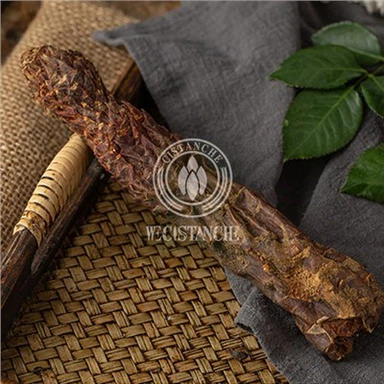
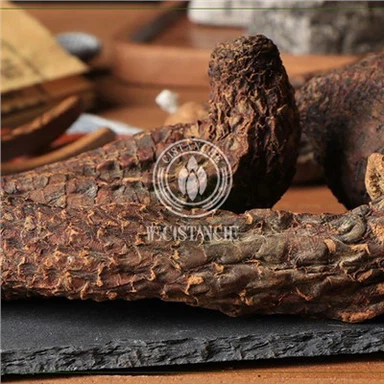
In women's reproductive support: Cistanche is traditionally used to "tonify kidney yang/essence," helping with fatigue, low libido, and endocrine robustness. Modern studies of its phenylethanoid glycosides (echinacoside, acteoside/verbascoside) indicate antioxidant and anti-inflammatory activities, neuroprotection, and potential endocrine–metabolic support, making it a reasonable adjunct for stress/circadian-related and metabolic contributors to ODI when used under medical supervision.
In men's urogenital/prostate health (developer note): The same mechanisms-anti-inflammatory, antioxidant, neuroendocrine modulation-are attractive for R&D in chronic prostatitis/chronic pelvic pain syndrome and benign prostate symptom support. Cistanche is commonly combined with Astragalus, Epimedium, and anti-inflammatory botanicals in TCM practice. Any prostate-health development should include safety pharmacology (androgen-sensitive tissues), target profiling (e.g., NF-κB, COX-2, cytokines), and standardized actives.
Developer guidance: integrating Cistanche into women's ODI support or men's prostate formulas
Standardization: Specify echinacoside and acteoside ranges; typical extract specs target total phenylethanoid glycosides (e.g., 10–20%).
Evidence package: Combine in vitro endocrine and inflammatory panels (granulosa cell steroidogenesis, oxidative stress assays), ovulation/estrous models, and pragmatic clinical registries (e.g., adjunct to letrozole in PCOS with endpoints like ovulation rate, endometrial thickness, mood/sleep metrics).
Safety and interactions: Coordinate with fertility specialists; monitor for interactions with SERMs, AIs, metformin, thyroid meds, and anticoagulants. In men, avoid exaggerated androgenic claims; focus on comfort, urinary flow, and quality-of-life endpoints.
High-quality Cistanche sourcing (for product teams)
Supplier overview: Chengdu Wecistanche Bio‑Tech Co., Ltd (WECISTANCHE) claims the world's largest cistanche base and processing capacity, integrating seed selection (20,000 acres), cultivation (>85,000 acres), collection/storage (15,000 tons fresh), and GMP processing (capacity 20,000 tons). Headquartered in Luopu County, Xinjiang, China. About page: https://www.xjcistanche.com/about-us
Manufacturing and QA highlights (per their site):
100,000‑class GMP production workshop; ultrafiltration and nanofiltration purification; 10,000‑class microbiology lab.
Certifications listed: China SC, HACCP, organic-related (e.g., NOP), and "National Safe Health Foods" certificate; 14 cistanche-related invention patents (including membrane separation tech).
Collaborations: Peking University, Shanghai Jiao Tong University, Shenyang Medical University, Xinjiang Medical University, Kyoto Pharmaceutical University, Kinki University.
Product applications: TCM decoctions, functional foods, supplements, medicines, skincare, etc.; claims to meet U.S./EU standards.
Contact: admin@wecistanche.com; +86 15899210156; +86 028 68170085; Address in Chengdu High-tech District, Sichuan Pilot Free Trade Zone.
What to request as a buyer/developer:
Full Certificates of Analysis per lot (identity, echinacoside/acteoside content by HPLC/UPLC, solvent residues, heavy metals, pesticides, micro, mycotoxins).
GMP, HACCP, and organic documentation; traceability for cultivated vs wild sources and sustainability practices.
Technical sheets: extract ratio (e.g., 10:1), carrier/excipient disclosure, particle size, and stability data.
Pilot samples with stability and dissolution profiles matched to your dosage form (capsules, granules, beverages).
If targeting prostate support SKUs, include anti-inflammatory marker panels (IL‑6, TNF‑α, NF‑κB), and for ODI support, include endocrine panels and ovulatory metrics.
Practical formulation notes
ODI adjunct concept (women): Cistanche + Astragalus (qi/essence support) + Paeonia/Cinnamon twig (cycle comfort, microcirculation) + anti-inflammatory drainage herbs as needed. Always co‑manage with letrozole/CC protocols per clinician guidance.
Prostate comfort concept (men, developer angle): Cistanche + Astragalus (vitality, immune modulation) + anti-inflammatory botanicals (e.g., Scutellaria, Curcuma) + pelvic microcirculation support (e.g., Angelica). Build claims around comfort and quality of life; ensure compliant language.
Limitations and clinical cautions
This translation is educational and does not replace medical advice. Herbal use in infertility should be supervised by fertility specialists to avoid drug–herb interactions and to align with monitoring of ovulation, endometrial receptivity, and ART planning.
In suspected hormone-dependent tumors or uncontrolled endocrine disorders, professional evaluation is mandatory before adding tonics like Cistanche.
Conclusion
Integrated TCM–Western approaches offer meaningful benefits in ovulatory disorder infertility by addressing both mechanistic drivers (HPO axis/endocrine) and patient-centered factors (stress, sleep, metabolic load). Cistanche-standardized for phenylethanoid glycosides-presents a promising adjunct for resilience, inflammation control, and endocrine support. For developers, securing authenticated, well-characterized supply (e.g., WECISTANCHE), building robust QA and evidence packages, and coordinating with clinical pathways can accelerate safe, credible products-whether aimed at women's ovulatory support or men's prostate comfort lines.
Reference link (supplier)
About Us - WECISTANCHE: https://www.xjcistanche.com/about-us