Sirtuins In Kidney Health And DiseaseⅤ
Feb 22, 2024
Chronic kidney disease and fibrosis
Regardless of the initial cause, the outcome of almost all progressive chronic kidney disease (CKD) is widespread fibrosis as the primary pathological phenomenon. In the CKD rat model, NAD+ biosynthesis was significantly downregulated, indicating that the activity of SIRTs is also impaired, including those related to their anti-fibrotic mechanisms.

Click to Cistanche for kidney disease
SIRT1 expression has been reported to be reduced in renal biopsy specimens from patients with focal segmental glomerulosclerosis. Silencing SIRT1 can aggravate fibrosis in mice with unilateral ureteral obstruction (UUO) while stimulating SIRT1 through drug intervention or genetic manipulation can exert anti-inflammatory effects and reduce matrix protein accumulation in experimental models of progressive fibrotic nephropathy. The anti-fibrotic activity of SIRT1 is related to its ability to inhibit the TGFβ signaling pathway through the regulation of Smad proteins. SIRT1 deacetylates Smad3 and Smad4, thereby impairing the transcription of profibrotic genes, including type IV collagen, fibronectin, and matrix metalloproteinase 7 (MMP7). The additional anti-fibrotic effects of SIRT1 are attributed to its ability to modulate endothelial cell function. In mice, targeted deletion of SIRT1 in the endothelium leads to impaired vasodilation due to downregulation of matrix metalloproteinase 14 (MMP14), stimulation of the HIF2α–Notch1 axis, and release of proteolytic fragments of the endothelial glycocalyx. and promote fibrosis.
SIRT6 has also been shown to have a protective effect on renal interstitial fibrosis. In mice, SIRT6 is upregulated after fibrotic insult and interacts with β-catenin. The resulting complex binds to the promoter of the fibrogenic β-catenin target gene and prevents its transcription through SIRT6-dependent histone deacetylation. In addition, SIRT6 overexpression prevents renal interstitial fibrosis in mice fed a high adenine diet by downregulating homeodomain interacting protein kinase 2 (HIPK2), which acts on various profibrotic pathways. of the upstream. In renal tubular cells, glycogen synthase kinase 3β (GSK3β) phosphorylates SIRT6 to prevent its proteasomal degradation, thereby producing an anti-fibrotic effect.
Mitochondria are key contributors to fibrosis in organs including the kidneys. SIRT3 has been shown to have anti-fibrotic effects in the heart, but little is known about its role in renal fibrosis. In Sirt3-deficient mice, age-dependent renal fibrosis is increased, possibly due to increased TGFβ signaling and GSK3β hyperacetylation, ultimately leading to Smad3 activation. Sirt3-deficient mice have reduced Opa1 and Mfn1 levels and increased Drp1 levels, leading to mitochondrial fission, which is associated with renal dysfunction and fibrosis. Another study found that reduced SIRT3 expression was accompanied by increased mitochondrial acetylation in renal tubular cells during the early stages of renal fibrosis. Acetylome analysis of UUO model renal tubular cells shows that SIRT3-mediated deacetylation of pyruvate dehydrogenase E1α (PDHE1α) at lysine 385 plays a key role in metabolic reprogramming associated with renal fibrosis effect. Honokiol activates SIRT3 to prevent UUO-induced renal fibrosis by regulating mitochondrial dynamics and NF-κB–TGF-β1–Smad signaling pathway. SIRT3 has also been shown to deacetylate KLF15, a negative regulator of extracellular matrix protein synthesis, in podocytes. Overexpression of SIRT3 in endothelial cells protects against diabetes-associated renal fibrosis in mice with a fibrotic phenotype. Conversely, Sirt3 deficiency in endothelial cells induces metabolic reprogramming that stimulates TGFβ–Smad3-dependent mesenchymal transition in tubular epithelial cells.

Sodium-glucose cotransporter 2 (SGLT2) inhibitors are an effective treatment that reduces the progression of CKD in humans. It has been reported that the SGLT2 inhibitor canagliflozin restores SIRT3 expression and improves epithelial-to-mesenchymal transition in rats with hypertensive renal injury. SGLT2 inhibitors induce a characteristic pattern of beneficial effects, including reducing oxidative stress, restoring mitochondrial health, enhancing mitochondrial biogenesis, reducing pro-inflammatory and pro-fibrotic pathways, and maintaining cellular and organ integrity and activity. The renoprotective effects of SGLT2 inhibitors can be abolished by specifically inhibiting autophagy and AMPK, suggesting that SIRT3 may play a role in these protective mechanisms.
Vascular Calcification
Vascular calcification occurs in the intima and media of the vasculature and is characterized by thickening and loss of elasticity of muscular arterial walls. The high prevalence of vascular calcification contributes to cardiovascular morbidity and mortality in CKD patients. The mechanism of vascular calcification in CKD is not fully understood, and the development of targeted therapies is not satisfactory. Emerging data suggest that SIRTs may play a major role in the pathogenesis of vascular calcification.
SIRT1 has been reported to be downregulated in the aortas of aged mice, leading to the expression of a subset of SASP factors, including the bone-promoting molecule bone morphogenetic protein 2 (BMP2) and the vascular smooth muscle cell (VSMC)-promoting )senescence. In a CKD rat model, the natural polyamine spermidine upregulates SIRT1 and attenuates vascular calcification.
SIRT6 is significantly downregulated in radial artery tissue from patients with CKD and vascular calcification. Furthermore, deletion of SIRT6 in VSMCs exacerbated vascular calcification in CKD mice. SIRT6 binds to and deacetylates runt-related transcription factor 2 (Runx2), which plays a role in osteoblast differentiation and bone morphogenesis, accelerating its degradation and limiting the osteogenic transdifferentiation of VSMCs.
In the CKD rat model, increased SIRT3 protein levels can improve mitochondrial function, inhibit mitochondrial oxidative stress, and limit VSMC calcification. These protective effects may be related to SIRT3's ability to regulate AMPK signaling 187.
polycystic kidney disease
Autosomal-dominant polycystic kidney disease (ADPKD) is a genetic disease caused by polycystin-1 (PKD1) or polycystin-2 (PKD2) Caused by a mutation, approximately 1 in 400–1,000 people are affected. ADPKD is characterized by multiple bilateral renal cysts that replace normal renal tissue, leading to renal failure.
The potential pathogenic role of SIRTs in ADPKD is at an early stage. However, silencing or pharmacologically inhibiting SIRT1 has been shown to reduce cyst formation in mice. The deleterious effects of SIRT1 in ADPKD are attributed to its function in inhibiting the retinoblastoma tumor suppressor protein (Rb) and p53, thereby promoting continued epithelial cell growth and cyst formation. Based on these findings, the efficacy of oral nicotinamide, a high-dose inhibitor of SIRTs, was tested in patients with ADPKD. The study showed that nicotinamide dietary supplements were safe and tolerable but had no beneficial effects; there was no difference in height-adjusted total kidney volume change between the nicotinamide and placebo groups after 12 months of treatment.
autoimmune disease
The potential role of SIRTs in autoimmune diseases is an emerging field with few data currently available. However, preclinical and clinical studies indicate that SIRT1 plays a role in the pathogenesis of various autoimmune diseases. The levels of SIRT1 mRNA and protein in the urine of patients with active lupus nephritis were significantly higher than those of patients in remission and healthy people. In addition, SIRT1 expression is closely related to anti-double-stranded DNA (dsDNA) antibodies in systemic lupus erythematosus patients with and without nephritis. One study analyzed peripheral blood samples from 367 SLE patients and 290 healthy individuals and found that the SIRT1 promoter variant rs3758391 altered disease incidence and that the rs3758391 T allele was a risk factor for lupus nephritis. In MRL/lpr mice prone to lupus nephritis, administration of SIRT1 short-interfering RNA (siRNA) reduced pathological damage, anti-dsDNA antibody levels, and renal IgG deposition. SIRT1 is highly expressed in naive B cells and can epigenetically regulate antibody responses by deacetylating histones and non-histones.
Aging kidneys
The kidneys are highly sensitive to the aging process and become more susceptible to acute and chronic damage as we age. Preclinical studies have found that renal SIRT1 activity decreases with age, accompanied by loss of intracellular NAD+ pools, leading to increased mitochondrial swelling and cristae destruction. Caloric restriction improved mitochondrial abnormalities in Sirt1-competent but not Sirt1-deficient aged mice and targeted deletion of Sirt1 in podocytes accelerated renal damage and cellular senescence in aged mice. Similarly, Sirt1 gene knockout can lead to premature senescence of endothelial cells, while administration of Sirt1 activator or NAD+ precursor nicotinamide mononucleotide can increase renal elasticity in mice during aging. Caloric restriction can also increase SIRT6 expression, weaken NF-κB signaling, and improve renal function in aged mice. Regarding SIRT3, the longevity-promoting phenotype of mice lacking angiotensin type IA receptor (AT1AR) parallels the expression of Nampt and Sirt3 in renal tubular cells, with increased mitochondrial density and reduced oxidative stress.
Targeting sirtuins
Given the profound health benefits conferred by SIRTs, the discovery of sirtuin-activating compounds (STACs) is a major goal in the field (Table 3). The first STAC identified was resveratrol, which is thought to activate SIRT1 by acting as an allosteric modulator and reducing the KM of NAD+ and acetylated peptides, although this mechanism of action is controversial. Nearly 200 resveratrol clinical trials are in various stages of completion. In most diseases for which resveratrol has been tested, the treatment has neutral effects. The main reason for this lack of protection is the limited bioavailability of resveratrol, which is a major obstacle to the therapeutic application of this compound. To overcome this limitation, synthetic small molecules have been developed to stimulate SIRTs with higher affinity than resveratrol. However, this approach is challenging because enzyme inhibitors are often easier to develop than activators. Enzyme inhibitors typically work by directly interfering with the catalytic site, whereas activators require an allosteric binding site distinct from the substrate to function properly. To date, four synthetic STACs, SRT1720, SRT2104, SRT2183, and SRT3025, have been shown to increase SIRT1 activity and limit kidney damage in various experimental models, and SRT2104 and SRT3025 have entered clinical trials. So far, most of these trials have produced neutral results. However, some trials of SRT2104 reported beneficial effects on lipid profiles in patients with type 2 diabetes, skin histology in patients with psoriasis, and lipopolysaccharide-induced inflammation and coagulation in healthy individuals. Several safety concerns have arisen with synthetic STACs, for example, SRT3025 has been reported to induce potentially fatal proarrhythmias.

Another way to increase the enzymatic activity of SIRTs is to supplement small molecules that increase NAD+ levels, such as exogenous NAD+ or its precursors. NAD+ bioavailability can also be increased by blocking NAD+ degradation, for example by inhibiting the NADase CD38. The CD38 inhibitor TNB-738 simultaneously binds two different CD38 epitopes and can effectively inhibit CD38 enzyme activity in vitro, leading to an increase in intracellular NAD+ levels and SIRT activity. Available data from clinical trials indicate that treatments targeting NAD are safe. However, this approach lacks SIRT isoform selectivity, which may hinder its suitability as a therapeutic compound.
Conclusion and Future Outlook
Since the first discovery of SIRTs, the understanding of this protein family has become increasingly comprehensive. While initial studies focused on identifying key substrates for SIRT enzymatic activity, subsequent studies have supported the idea that SIRT regulates functional clusters of target proteins to orchestrate coordinated physiological responses in a variety of cellular processes, including metabolism, oxidative stress, and stimulation, cell survival, and genome stability. Existing data suggest that SIRTs are critical for balancing the plethora of stressors in metabolically active organs, including the kidney, affecting physiology and pathophysiology. Increased understanding of the complex regulation of metabolic and non-metabolic pathways by SIRT in various renal cell types may provide a unique opportunity to identify new targets for the treatment of a wide range of renal diseases. Interventions targeting SIRT have great potential in treating kidney disease and combating age-related kidney disease, as evidenced by the powerful effects of STACs in experimental models. Unfortunately, intensive efforts in preclinical research have yielded only a few small molecules in clinical studies. Translation of SIRT modulators from bench to clinic is hampered by the lack of selective candidate compounds targeting individual SIRT subtypes and the moderate potency, limited bioavailability, and poor pharmacokinetic and pharmacodynamic profiles of existing candidates. be hindered. Early clinical data on SRT2104 in metabolic disorders, psoriasis, and inflammation provide strong support for continued research into novel SIRT activators. In the future, this SIRT-targeted therapy could potentially be used to increase the average health span of humans.
How Does Cistanche Treat Kidney Disease?
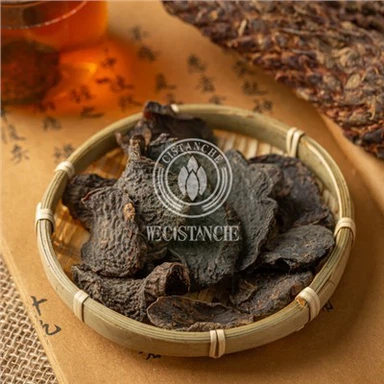
Cistanche is a traditional Chinese herbal medicine used for centuries to treat various health conditions, including kidney disease. It is derived from the dried stems of Cistanche deserticola, a plant native to the deserts of China and Mongolia. The main active components of cistanche are phenylethanoid glycosides, echinacoside, and acteoside, which have been found to have beneficial effects on kidney health.
Kidney disease, also known as renal disease, is a condition in which the kidneys are not functioning properly. This can result in a buildup of waste products and toxins in the body, leading to various symptoms and complications. Cistanche may help treat kidney disease ase through several mechanisms.
Firstly, cistanche has been found to have diuretic properties, meaning it can increase urine production and help eliminate waste products from the body. This can help relieve the burden on the kidneys and prevent the buildup of toxins. By promoting diuresis, cistanche may also help Reduce high blood pressure, a common complication of kidney disease.
Moreover, cistanche has been shown to have antioxidant effects. Oxidative stress, caused by an imbalance between the production of free radicals and the body's antioxidant defenses, plays a key role in the progression of kidney disease. ies help neutralize free radicals and reduce Oxidative stress, thereby protecting the kidneys from damage. The phenylethanoid glycosides found in cistanche have been particularly effective in scavenging free radicals and inhibiting lipid peroxidation.
Additionally, cistanche has been found to have anti-inflammatory effects. Inflammation is another key factor in the development and progression of kidney disease. Cistanche's anti-inflammatory properties help reduce the production of pro-inflammatory cytokines and inhibit the activation of inflammation mandatory pathways, thus alleviating inflammation in the kidneys.

Furthermore, cistanche has been shown to have immunomodulatory effects. In kidney disease, the immune system can be dysregulated, leading to excessive inflammation and tissue damage. Cistanche helps regulate the immune response by modulating the production and activity of immune cells, such as T cells and macrophages. This immune regulation helps reduce inflammation and prevent further damage to the kidneys.
Moreover, cistanche has been found to improve renal function by promoting the regeneration of renal tubes with cells. Renal tubular epithelial cells play a crucial role in the filtration and reabsorption of waste products and electrolytes. In kidney disease, these cells can be damaged, leading to damaged renal function. Cistanche's ability to promote the regeneration of these cells helps restore proper renal function and improve overall kidney health.
In addition to these direct effects on the kidneys, cistanche has been found to have beneficial effects on other organs and systems in the body. This holistic approach to health is particularly important in kidney disease, as the condition often affects multiple organs and systems. che has been shown to have protective effects on the liver, heart, and blood vessels, which are commonly affected by kidney disease. By promoting the health of these organs, cistanche helps improve overall kidney function and prevent further complications.
In conclusion, cistanche is a traditional Chinese herbal medicine used for centuries to treat kidney disease. Its active components have diuretic, antioxidant, anti-inflammatory, immunomodulatory, and regenerative effects, which help improve renal function and protect the kidneys from further damage. , cistanche has beneficial effects on other organs and systems, making it a holistic approach to treating kidney disease.