Solve The Problem Of Stubborn Constipation
Dec 19, 2023
With the accelerated pace of life and the influence of dietary and psychological factors, the incidence of constipation is increasing year by year, seriously affecting people's health and quality of life. For such chronic problems, traditional Chinese medicine has unique curative effects.

Click to best laxative for constipation
Diagnosis site
Patient Mao, male, 39 years old, was first diagnosed on August 28, 2019, due to "recurrent constipation for 10 years".
The patient developed constipation after eating a large amount of raw chestnuts 10 years ago. After going to an outside hospital for diagnosis and treatment, he took "Sanhuang Tablets" and other Chinese patent medicines. The symptoms were relieved but could not be cured. In the past 10 years, the patient had visited a traditional Chinese medicine hospital many times and was diagnosed with spleen-yang deficiency. , blood deficiency, etc., the effect is not good, but it increases abdominal distension.
Diagnosis: Abdominal fullness and constipation. After self-administration of traditional Chinese medicine (Citrus aurantium, Magnolia officinalis), I can still pass gas and defecate. The stool is soft, sometimes formed, sometimes thin, and occasionally sticky; I am usually a little afraid of cold, sweat a lot, and have no bad wind. Dry eyes, no dry mouth but bitter mouth, but drink a lot of water and like cold drinks. Breathing deeply may cause chest pain, sore limbs, sore and numb fingers; poor appetite, and poor sleep. The tongue is light red, with white and thick greasy coating, with cracks in the middle and tooth marks on the edges, and a slow and thready pulse.
Highlights
(1) The course of the disease is 10 years, and the pathogenesis is complex.
(2) Lifting, lowering, tonifying, a two-pronged approach.
Syndrome differentiation and treatment
[Student A] Constipation is a common clinical symptom, and the patient has been constipated for 10 years, and repeated treatments have failed. From what angle should we differentiate the syndrome and treat it?
[Professor] According to the cause, constipation can be divided into primary and secondary constipation. It is not only a symptom of gastrointestinal dysfunction but also can become an independent disease. At present, the initial treatment of constipation mainly focuses on adjusting diet and living habits to improve defecation. If further treatment is needed, different types of laxatives can be used to achieve a defecation effect.
The initial cause of the patient's illness was eating a large amount of raw chestnuts due to greed. "Doubling the diet will damage the stomach and intestines." Excessive eating can easily damage the function of the spleen and stomach. In addition, raw chestnuts are a high-starch and high-sugar food that is difficult to digest. Further, It aggravates the damage to the spleen and stomach and food accumulation in the middle burner, and the qi machine in the middle burner is blocked and rises and falls abnormally, causing clear yang not to rise, turbid qi not to fall, and intestinal conduction to be lost, leading to constipation.
It is based on weakness of the spleen and stomach and food accumulation as the standard. In addition, the disease consumes qi and damages yang for a long time. Treatment should be to eliminate food and regulate qi, strengthen the spleen, and replenish qi; if clear yang rises and turbid yin falls, constipation can be resolved. However, there is no choice but to improper treatment. Doctors often differentiate the syndrome into deficiency syndrome and treat it based on spleen-yang deficiency and blood deficiency. The treatment method is mainly to use a large amount of warming and tonifying Qi and nourishing blood, which in turn aggravates the symptoms and further damages the body. Therefore, after multiple treatments Increased abdominal bloating.

Currently, patients drink a lot of water, like cold drinks, and have poor sleep and sleep. This is caused by the long-term accumulation of food that turns into heat and disharmony in the stomach. The spleen and stomach are damaged, which is the source of phlegm. The essence of water and grains cannot be transmitted and stops gathering to form phlegm. Phlegm blocks the meridians, and QI and blood are blocked and the movement is not good, so chest pain, sore limbs, soreness, and numbness of the fingers are seen; long-term illness and deficiency of Yang Qi lead to cold sensitivity, deep pulse, thick and greasy tongue coating, and cracks in the tongue, indicating the combination of dampness and heat. Yin injury.
The treatment should treat both the symptoms and the root cause, focusing on regulating qi and digestion, clearing away stagnant heat, and warming the spleen, and replenishing qi. Banxia Houpu Decoction combined with Baohe Pills, Gardenia Soybean Soup, and Buzhong Yiqi Decoction are modified. The prescription is as follows: Pinellia 10g, Ginger Magnolia 30g. , 15g perilla stems, 20g poria, 15g burnt hawthorn, 30g Lai Tengzi, 10g Cantonese Divine Comedy, 15g fried malt, 15g chicken gizzard, 30g astragalus, 5g broad cohosh, 10g gardenia, 10g light tempeh, stir-fried citrus aurantium with bran 10g, epimedium 30g, psoralen 15g, ginger 10g. 10 doses in total, 1 dose per day.
The second consultation was on September 21, 2019.
Diagnosis at the moment: stool is smoother than before, 1 to 2 times a day, but still difficult to pass, and abdominal distension at times; usually afraid of cold, sweating profusely, not feeling cold after sweating, dark complexion, greasy face, soreness in limb muscles and waist, and loss of sexual desire, the palms of both hands are moist, the appetite is normal, and sleep is not good. The tongue is light red, the coating is white and greasy, and the pulse is thin and slippery.
In the initial diagnosis prescription, gardenia, light black soya bean, and Lai Tengzi are removed, and 10g of Danfu slices (fried first), 10g of dried ginger, and 10g of red ginseng slices are added. It contains Fuzi Lizhong Decoction to warm and replenish the spleen yang. 10 doses in total, 1 dose per day.

The third consultation was on November 2, 2019.
Diagnosis at the moment: The stool is soft, shapeless, and sticky, with 1 bowel movement a day; easy to feel fatigued, especially after sexual intercourse, with tired eyes, blurred vision, dry mouth with no desire to drink, numbness in the mouth, fear of cold, easy sweating, and indigestion She can sleep well and has yellow urine. Red tongue, white and thick greasy coating, thin and slippery pulse. First, give Banxia Houpu Decoction to regulate qi and relieve depression, then take Xiangsha Liujunzi Decoction to replenish qi, strengthen the spleen, and strengthen the foundation. The prescription is as follows:
Prescription 1: 15g of Pinellia ternata, 30g of Magnolia officinalis, 15g of Perilla stems, 20g of Poria, 5g of red ginseng slices, 6g of Zhigancao, and 20g of ginger. A total of 7 doses, 1 dose per day.
Recipe 2: 3g of Acosta (lower back), 5g Amomum villosum (lower back), 5g tangerine peel, 10g Pinellia ternata, 15g cooked Codonopsis pilosula, 10g Atractylodes macrocephala, 20g Poria cocos, 6g raw licorice, and 15g Gallus gallus gallus L. A total of 7 doses, 1 dose per day.
Postscript: During the telephone follow-up until April 2021, the patient could defecate once a day, with a soft texture, and no longer experienced long-term inability to defecate or abdominal distension.
Natural Herbal Medicine For Relieving Constipation-Cistanche
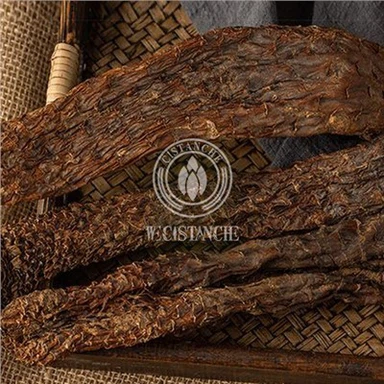
Cistanche is a genus of parasitic plants that belongs to the family Orobanchaceae. These plants are known for their medicinal properties and have been used in Traditional Chinese Medicine (TCM) for centuries. Cistanche species are predominantly found in arid and desert regions of China, Mongolia, and other parts of Central Asia. Cistanche plants are characterized by their fleshy, yellowish stems and are highly valued for their potential health benefits. In TCM, Cistanche is believed to have tonic properties and is commonly used to nourish the kidney, enhance vitality, and support sexual function. It is also used to address issues related to aging, fatigue, and overall well-being. While Cistanche has a long history of use in traditional medicine, scientific research on its efficacy and safety is ongoing and limited. However, it is known to contain various bioactive compounds such as phenylethanoid glycosides, iridoids, lignans, and polysaccharides, which may contribute to its medicinal effects.

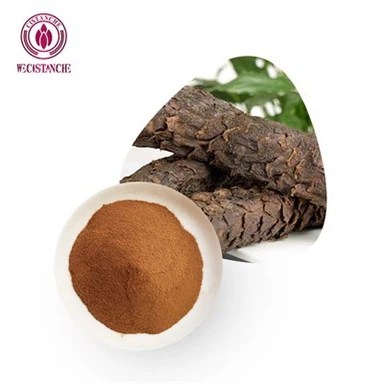
Wecistanche's cistanche powder, cistanche tablets, cistanche capsules, and other products are developed using desert cistanche as raw materials, all of which have a good effect on relieving constipation. The specific mechanism is as follows: Cistanche is believed to have potential benefits for relieving constipation based on its traditional use and certain compounds it contains. While scientific research specifically on Cistanche's effect on constipation is limited, it is thought to have multiple mechanisms that may contribute to its potential to relieve constipation. Laxative Effect: Cistanche has long been used in Traditional Chinese Medicine as a remedy for constipation. It is believed to have a mild laxative effect, which can help promote bowel movements and induce constipation. This effect may be attributed to various compounds found in Cistanche, such as phenylethanoid glycosides and polysaccharides. Moistening the Intestines: Based on traditional use, Cistanche is considered to have moisturizing properties, specifically targeting the Intestines. Promoting hydration and lubrication of the Intestines may help soften tools and facilitate easier passage, thereby relieving constipation. Anti-inflammatory Effect: Constipation can sometimes be associated with inflammation in the digestive tract. Cistanche contains certain compounds, including phenylethanoid glycosides and lignans, that are believed to have anti-inflammatory properties. By reducing inflammation in the intestines, it may help improve bowel movement regularity and relieve constipation.