The Distress Signal For The Kidneys Has Sounded! Quick Check If You've Been Hit, Cistanche Comes To Save The Scene
Aug 22, 2025
The kidney, the 'invisible commander' of the body

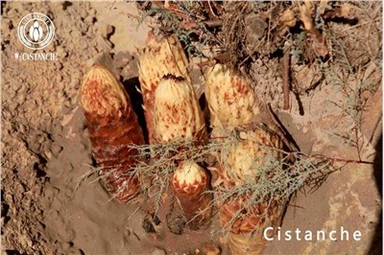
Dragon Herbs cistanche-improve kidney function.
Inside our bodies, the kidneys are like an invisible commander silently cultivating, orderly maintaining the order of life. Despite being the size of a fist, it bears the heavy responsibility of human metabolism and maintaining the stability of the internal environment. The basic function of the kidneys is to generate urine. Every day, it acts as a diligent "filter" that filters approximately 180 liters of blood, converting metabolic waste, excess water, and toxins into urine and excreting them from the body. The "garbage" produced by the body's metabolism, such as creatinine and urea nitrogen, is cleared by the kidneys to ensure the purity and health of the blood.
The kidneys can also precisely regulate the water balance in the body. When we drink too much water, it increases urine production and eliminates excess water; In a state of dehydration, the kidneys will reduce urine production and retain the water needed by the body. In terms of electrolyte balance, the kidneys also play a key role. They regulate the excretion and reabsorption of electrolytes such as sodium, potassium, and calcium according to the body's needs, ensuring the normal functioning of tissues and organs such as nerves and muscles. If there is a problem with the regulation of potassium ions by the kidneys, it may lead to hyperkalemia or hypokalemia, which in turn can cause symptoms such as arrhythmia and muscle weakness.

Effects of Cistanche on anti-fatigue
The kidneys also serve endocrine functions, secreting substances such as renin, erythropoietin, and active vitamin D. Renin is involved in blood pressure regulation. When blood pressure drops, the kidneys secrete renin, which is then used to raise blood pressure through the renin-angiotensin-aldosterone system. Erythropoietin stimulates bone marrow hematopoiesis, ensuring that the body has sufficient red blood cells to transport oxygen. Active vitamin D can promote the absorption of calcium in the intestine, maintaining bone health and strength.
Be vigilant! The 'kidney killer' is lurking around.
The kidneys are so important, but some of our behaviors unknowingly harm them. Many unhealthy lifestyle habits, incorrect dietary habits, drug abuse, and poor control of chronic diseases are like "kidney killers" that constantly threaten the health of the kidneys.
(1) Bad lifestyle habits
In the fast-paced modern life, staying up late seems to have become a common occurrence for many people. Unable to sleep at night and unable to get up in the morning, staying up late for a long time can disrupt the normal biological clock of the human body, affecting the normal metabolism and repair function of the kidneys. When we stay up late, our body is in a state of stress, blood pressure increases, renal blood vessels contract, blood perfusion decreases, and the kidneys cannot receive sufficient rest and nourishment. Over time, kidney function will be damaged. According to research, both short and long sleep times can increase the risk of kidney damage. People who sleep less than 6 hours per day have a much higher risk of developing chronic kidney disease than those who sleep 7-8 hours.
Overwork is also the enemy of the kidneys. Whether it is excessive physical exertion or long-term mental stress, it can make the kidneys overwhelmed. Long-term high-intensity physical labor can accelerate the body's metabolism, produce more metabolic waste, and increase the excretion burden on the kidneys. Long-term mental stress and anxiety can affect the endocrine system, thereby affecting the normal function of the kidneys. Just like a machine that keeps running, if it is overloaded for a long time, it will always malfunction, and the kidneys are no exception. Overwork can gradually lead to a decline in its function.

Effects of Cistanche on anti-fatigue
Sedentary sitting is also detrimental to kidney health. Nowadays, many people sit for a whole day at work and lack exercise, which slows down blood circulation in the body, including the kidneys. The kidneys cannot receive sufficient blood supply, nutrients cannot be delivered promptly, and metabolic waste cannot be eliminated promptly, which can easily lead to various kidney problems. Office workers can get up and move around for a few minutes every hour, stretch and walk, promote blood circulation, and loosen the kidneys.
The harm of smoking and excessive alcohol consumption to the kidneys should not be underestimated. Harmful substances such as nicotine and tar in cigarettes can damage the endothelial cells of renal blood vessels, causing vasoconstriction and hardening, and reducing blood perfusion to the kidneys. After alcohol enters the human body, it is mainly metabolized through the liver, but it can also increase the metabolic burden on the kidneys. Long-term excessive alcohol consumption may also lead to hyperuricemia, further damaging the kidneys.
(2) Wrong eating habits
Disease enters through the mouth, and incorrect dietary habits are one of the important factors that damage the kidneys. High salt diets are very common in daily life, and many people tend to have a preference for flavors and add too much salt when stir-frying. However, excessive intake of salt can increase the body's blood volume and increase the burden on the heart and kidneys. In order to eliminate excess sodium, the kidneys have to increase their workload and operate under high load for a long time, which can damage their function. Studies have shown that people who consume more than 6 grams of salt per day have a significantly increased risk of developing hypertension and kidney disease.
Excessive intake of high-sugar and high-fat foods can also cause trouble for the kidneys. A high sugar diet can easily cause diabetes, and diabetic nephropathy is one of the common complications of diabetes. High-fat food can lead to increased blood lipids, obesity, atherosclerosis, and other problems, affecting the blood supply of the kidney, and then damage the renal function. Nowadays, many people like to eat desserts and fried foods. Although these foods are delicious, if not restrained, the kidneys can be very "damaged".

Benefits of cistanche tubulosa
High purine foods are also "invisible killers" of the kidneys. Foods such as animal organs, seafood, beer, etc., are all high-purine foods. Excessive intake can lead to an increase in blood uric acid levels in the body, and uric acid crystals can deposit in the kidneys, causing gouty kidney disease. In severe cases, it can lead to kidney failure. Friends who love to pair seafood with beer should pay attention, as this dietary habit can cause great damage to the kidneys.
Insufficient drinking water is also a commonkidney-damagingg behavior. Our body needs enough water every day to maintain normal physiological functions. The kidneys excrete metabolic waste through urine. If we drink too little water, the urine will concentrate, and the concentration of waste and toxins will increase, which can easily form stones in the kidneys and increase the risk of urinary tract infections. Ensure a daily intake of at least 1500-2000 milliliters of water, and don't wait until you feel thirsty to remember to drink water.
(3) Drug abuse
Medication is a "weapon" for treating illnesses and saving lives, but if abused, it can become a "weapon" that harms the kidneys. Non-steroidal anti-inflammatory drugs are a common type of medication, such as ibuprofen and aspirin, which many people take on their own when experiencing headaches and joint pain. However, if these drugs are used for a long time or in large doses, they can inhibit the synthesis of prostaglandins, which are crucial for maintaining renal blood flow. A decrease in blood flow may lead to kidney damage. Some people, to relieve pain, do not follow the doctor's advice and arbitrarily increase the dosage, which is a very dangerous behavior.
Some antibiotics also have nephrotoxicity, such as aminoglycoside antibiotics (gentamicin, streptomycin, etc.) and vancomycin. These drugs may cause direct damage to the renal tubules while treating diseases, especially when used for a long time or in combination with other drugs with renal toxicity, which increases the risk of kidney damage. Therefore, when using antibiotics, it is necessary to strictly follow the doctor's advice and not increase or decrease the dosage or prolong the medication time on your own.
Some Chinese herbs are not safe, such as Guan Mu Tong and Guang Fang Ji, which contain aristolochic acid. This substance can cause irreversible damage to the kidneys and, in severe cases, can lead to kidney failure. When using traditional Chinese medicine, it is important to choose reputable medical institutions and qualified TCM practitioners, and not to easily trust some folk remedies.
Some people think that health supplements can promote health, so they take them casually. However, in reality, the ingredients of many health products are unclear, and some may contain substances harmful to the kidneys. Blindly taking health supplements without medical guidance may cause unexpected damage to the kidneys.
(4) Chronic diseases not effectively controlled
Chronic diseases such as hypertension, diabetes, and hyperuricemia, if not well controlled, will gradually erode the kidneys and develop into chronic kidney disease. If the blood pressure of hypertensive patients is not effectively controlled for a long time, it can cause arteriosclerosis of the small arteries in the kidneys, leading to kidney ischemia and hypoxia, and ultimately damaging kidney function. According to statistics, about 25% of kidney failure patients are caused by hypertension. Long-term hyperglycemia in diabetes patients will damage renal microvessels and glomeruli, leading to diabetes nephropathy. Once diabetes nephropathy develops to the late stage, renal failure will occur, and dialysis or kidney transplantation is needed to maintain life.
Hyperuricemia is also closely related to kidney disease. Elevated blood uric acid can lead to the deposition of uric acid crystals in the kidneys, causing inflammatory reactions and damaging kidney tissue. Moreover, hyperuricemia can also aggravate the damage of hypertension, diabetes, and other diseases to the kidneys. Therefore, patients with these chronic diseases must actively cooperate with treatment, take medication on time, monitor indicators regularly, control the development of the disease, and protect their kidneys.
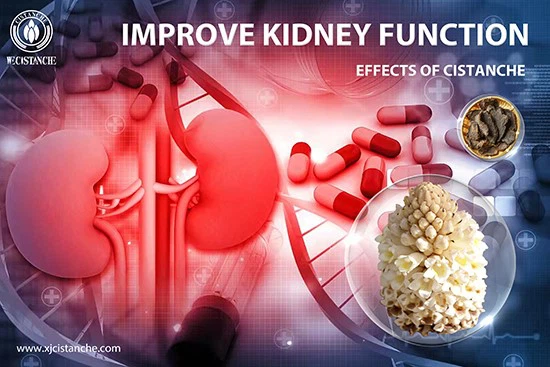
Effects of cistanche-improve kidney function
Click here to view Cistanche for Kidney disease products
【Ask for more】 Email:cindy.xue@wecistanche.com / WhatsApp: 0086 18599088692 / Wechat: 18599088692
Warning signals for kidney injury
The kidney is like a 'silent organ', often not emitting obvious pain signals in the early stages of injury, which is easily overlooked by us. But in fact, the body will give some subtle "warning signals", and as long as we observe, we can detect the distress signals emitted by the kidneys.
If you often feel sore and weak in your waist and knees, especially after fatigue, and it is difficult to relieve with rest, then you should be vigilant. Traditional Chinese medicine believes that the waist is the home of the kidneys, and when there is a problem with the kidneys, the waist is often the first to feel it. This sourness may be a dull pain or a feeling of fatigue, like a heavy stone tied to the waist. Both kidney yin deficiency and kidney yang deficiency can lead to soreness and weakness in the waist and knees. When kidney yin deficiency occurs, it may also be accompanied by symptoms such as dizziness, tinnitus, insomnia, frequent dreams, hot flashes, and night sweats. Kidney yang deficiency is often accompanied by symptoms such as chills and coldness, cold limbs, and frequent nocturia.
Edema is also a common signal of kidney damage. When I got up in the morning, I found that my eyelids were swollen like "walnuts", and when I pressed my ankles and lower legs, there was obvious depression, which could not be recovered for a long time. It was likely that the drainage function of the kidneys was decreased, leading to water and sodium retention in the body. The kidneys are like a 'drainage pump'; under normal circumstances, they can timely expel excess water from the body. But when kidney function is impaired, this "drainage pump" will malfunction, and water will accumulate in the body, first manifested in loose tissue areas such as eyelids and face. As the condition progresses, it will gradually spread to the lower limbs and even the whole body.
The changes in urine output cannot be ignored. A normal adult's daily urine output is around 1000-2000 milliliters. If there is a sudden increase or decrease in urine output, it may be due to kidney problems. Increased urine output, especially frequent nocturia and waking up more than twice a night, may indicate impaired reabsorption function of the renal tubules. If there is a decrease in urine output or even no urine, it may indicate severe impairment of kidney function, decreased glomerular filtration rate, and reduced urine production. For example, patients with acute kidney failure during oliguria may have a daily urine output of less than 400 milliliters.
Foam urine is also an important signal of kidney disease. Normally, there is less foam on the surface of urine, and it will dissipate quickly. However, if a large amount of fine foam appears in the urine and does not disappear for a long time, like detergent water, it is likely to be proteinuria. This is because the filtration function of the kidneys is impaired, causing protein to leak out in the urine. Proteinuria is the early manifestation of many kidney diseases, such as glomerulonephritis, diabetes nephropathy, etc. Therefore, once foam urine is found, you should go to the hospital to check the urine routine in time to see whether there is proteinuria.
Anemia is also a hidden signal of kidney damage. The kidneys can secrete erythropoietin, a hormone that can stimulate bone marrow hematopoiesis. When kidney function is impaired and erythropoietin secretion decreases, it can lead to insufficient red blood cell production, resulting in anemia. This type of anemia often progresses slowly, and the early symptoms are not obvious. It may only cause fatigue, dizziness, and a pale complexion, which are easily overlooked. Many patients with chronic kidney disease only discover anemia symptoms in the later stages of the disease, which is a protest of the kidneys.
Itchy skin is also a common symptom of kidney disease. When kidney function is impaired, toxins in the body cannot be eliminated normally and accumulate in the body. These toxins can stimulate skin nerve endings and cause skin itching. This kind of itching is often stubborn and ineffective with ordinary anti-itch drugs, and it can become more severe at night, affecting sleep quality. Many patients with chronic kidney failure suffer from skin itching, which is also a manifestation of the progression of kidney disease to a certain stage.
Cistanche deserticola: a kidney tonifying "miracle" emerging from the desert
After understanding so many factors and signals of kidney injury, are you all wondering if there are any ways to protect our kidneys? The answer is yes. Among numerous kidney tonifying ingredients and traditional Chinese medicine, Cistanche deserticola stands out with its unique efficacy and has become a "miracle weapon" for kidney tonifying.
(1) The mysterious origin of Cistanche deserticola
Cistanche deserticola, the name sounds full of mystery. It is a parasitic plant that parasitizes the roots of the red willow tree in the desert. In the vast and boundless desert, the climate is extremely dry, with strong sunshine, annual precipitation of less than 250mm, drastic changes in temperature, strong winds and sand, and poor soil development. However, Cistanche deserticola can grow tenaciously in such harsh environments, drawing nutrients from the roots of red willows and silently accumulating strength. Its growth process is very unique, living underground for most of the year. Only around May, it will extend its spike-like inflorescence to the ground, bloom, and bear fruit. It takes more than 30 days from excavation to seed maturity.
Cistanche deserticola is known as the "desert ginseng", not only because it grows in the desert and is very rare, but also because of its extremely high medicinal value. It has the characteristics of mild sexual taste, moderate strength, and balanced nourishment in enhancing physical strength and anti-fatigue. Its nourishing effect is comparable to that of human ginseng, and it does not have the "fire" and "dryness" of ginseng. In history, Cistanche deserticola has been regarded as a precious tribute to the imperial court by various countries in the Western Regions, and it is also one of the most frequently used tonics in kidney tonifying and yang-strengthening prescriptions throughout history.
(2) The secret of tonifying the kidney with Cistanche deserticola
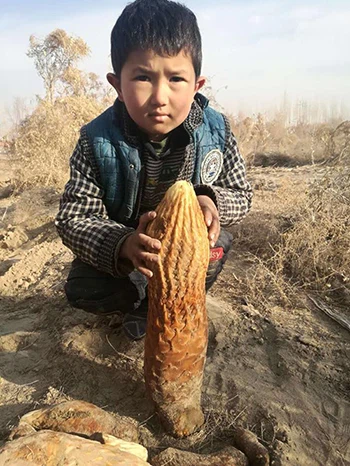
Superman herbs cistanche
According to traditional Chinese medicine theory, Cistanche deserticola is warm, sweet, and salty, and belongs to the kidney and colon meridians. It has the effects of warming and tonifying kidney yang, nourishing essence and blood, and is suitable for symptoms such as waist and knee soreness, impotence, premature ejaculation, uterine cold infertility, and muscle and bone weakness caused by kidney yang deficiency and essence and blood deficiency. According to the Compendium of Materia Medica, Cistanche deserticola has a sweet taste, a mild temperature, and is non-toxic. It can treat five types of fatigue and seven types of injuries, nourish the middle, remove cold, heat, and pain from the stem, nourish the five organs, strengthen yin, nourish essence and qi, and produce more children. Traditional Chinese medicine believes that the kidneys are the foundation of innate nature, and kidney yang is the fundamental source of yang energy in the human body, playing an important role in warming and promoting growth, development, and reproductive function. Cistanche deserticola can stimulate kidney function and enhance the body's yang energy by warming and tonifying kidney yang, thereby improving various symptoms caused by insufficient kidney yang.
Modern scientific research has also revealed the mystery of using Cistanche deserticola to nourish the kidneys. Cistanche deserticola is rich in various active ingredients, such as phenylethanolic glycosides, polysaccharides, alkaloids, amino acids, etc. Among them, phenylethanolic acid has the effects of regulating endocrine, antioxidant, and anti-fatigue, which can improve the body's stress response, enhance immunity, and protect the kidneys. Research has found that phenylethanolic glycosides in Cistanche deserticola can regulate the function of the hypothalamic pituitary gonadal axis, promote the secretion of sex hormones, and improve sexual function. Polysaccharides have immunomodulatory, antioxidant, anti-aging, and other effects, which can clear free radicals in the body and reduce oxidative stress damage to the kidneys. In addition, Cistanche deserticola can promote the proliferation and repair of kidney cells, improve renal blood circulation, and enhance renal metabolic function.