The Effect Of Physical Exercise On Cognitive Impairment in Neurodegenerative Disease: From Pathophysiology To Clinical And Rehabilitative Aspects Part 2
Feb 29, 2024
Recent evidence has highlighted the importance of PE through the action of another molecule, a hormone called irisin. It was identified in 2012 in a study by Bostrom et al. [32]; irisin is generated in skeletal muscle precisely in response to exercise.
Irisin is an important hormone that plays an important role in the growth and development of the human body and the normal functioning of the immune system. In addition, recent research shows that irisin is also closely related to human memory. So, how does irisin affect our memory?
First, we need to understand the basic role of irisin. Irisin regulates other body functions mainly by stimulating the human brain. These functions include cognition, emotion, behavior, etc., and the most significant brain function is memory. Scientific experiments show that the higher the level of irisin in the human body, the stronger the person's memory.
However, irisin's impact on human memory goes far beyond that. Studies have also found that appropriate irisin intake can help promote people's attention, thereby reducing error rates. This not only makes us more efficient in study and work but also greatly improves our self-confidence. In addition, irisin can also allow us to establish new memories more quickly and help us better retain existing memories.
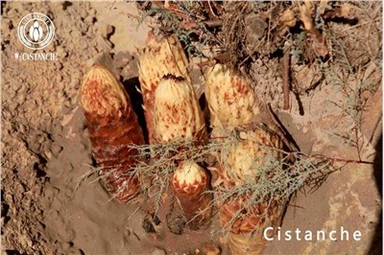
Overall, the effects of irisin have positive effects on our physical and mental health. By appropriately increasing the intake of irisin, we can focus more, improve memory, further strengthen our cognitive abilities, and allow ourselves to learn and work more efficiently. Therefore, to maintain good health and improve workability, it is very necessary to increase the intake of irisin. It can be seen that we need to improve memory, and Cistanche deserticola can significantly improve memory, because Cistanche deserticola has antioxidant, anti-inflammatory, and anti-aging effects, which can help reduce oxidation and inflammatory reactions in the brain, thereby protecting the health of the nervous system. In addition, Cistanche deserticola can also promote the growth and repair of nerve cells, thus enhancing the connectivity and function of neural networks. These effects can help improve memory, learning ability, and thinking speed, and may also prevent the development of cognitive dysfunction and neurodegenerative diseases.

Click Know to improve short-term memory
The main effect of this hormone is to control bone mass, with positive effects on cortical mineral density and geometry that might help to treat osteoporosis. Nevertheless, it seems to produce positive effects on brain function.
Although the mechanism of action is not still well known, in rats it has been shown that PE leads to an increase in fibronectin type III domain-containing protein 5 (FNDC5), a membrane protein that, once cleaved, forms the hormone irisin.
Once secreted into the extracellular matrix, this hormone binds to its receptor and activates a signaling cascade that induces the expression of the BDNF gene, thus indirectly leading to neuroprotection.
As mentioned above, increased BDNF levels improve the health and function of the hippocampus [33]. On the other hand, at the peripheral level, overexpression of FNDC5/irisin recovers memory impairment induced by most neurodegenerative diseases, whereas its blockade at the central or peripheral level attenuates synaptic plasticity and worsens memory in AD mice [34].
Li et al. demonstrated that intravenous injection of irisin reduces levels of active microglia and TNF-α expression, thereby protecting neurons from inflammation [35]. Moreover, the novel exercise-induced hormone seems to protect against neuronal injury through activation of the Ak strain transforming (AKT) and extracellular signal-regulated kinase 1/2 (ERK1/2) signaling pathways [36].

These results suggest that irisin contributes to the neuroprotective effects of exercise in cerebral ischemia and is a promising agent for the prevention and treatment of ischemic stroke and neurodegenerative diseases.
2.2. Impact of Physical Exercise on Astrocytic Functions
Other important factors involved in the neurobiological processes induced by PE are astrocytes, which are the cells most represented in the central nervous system (CNS), belonging to the glia. They modulate the transmission of neuronal signals and integrate information from synapses [37].
Astrocytes have also different functions. Firstly, they are responsible for maintaining brain homeostasis, and stabilizing the extracellular concentrations of potassium, chlorine, and calcium ions [38].
It is also known that astrocytes can perform protective functions in the CNS by taking excite-toxic glutamate and producing glutathione against oxidative stress, degrading amyloid peptides, and regulating cell volume and ionic homeostasis to facilitate the repair of the blood–brain barrier (BBB) and regulate inflammation of the CNS [39].
About all these functions, it is understood how possible inefficiencies of these cells can contribute to the pathogenesis of numerous brain disorders such as cognitive impairment.
A growing branch of neuroscience has shown that glia directly affects the ability to generate neuronal signals, locally and globally modulating the activity of the brain network [40]. In elderly neurodegenerative diseases, such as dementia, the decline of cognitive functions often is a result of alterations in brain circulation [41]. Therefore, PE seems to be able to contrast the damage related to cerebral hypoperfusion.
Leardini-Tristao et al. demonstrated how early moderate exercise in chronic hypoperfusion can modulate neuroinflammation, cerebral circulation, and astrocyte coverage. After 12 weeks, early moderate exercise reduces blood pressure and microglial activation in the hippocampus and improves astrocyte coverage in blood vessels of the cerebral cortex [42].
This suggests that early and long-term moderate exercise may represent a nonpharmacological approach in dementia due to chronic hypoperfusion.

2.3. The Physical Exercise Modulation of Microglia
The role of PE in neurodegenerative diseases is also carried out through the modulation of microglia, reducing neuroinflammation. Microglia cells are the "resident" macrophages and are the first line of defense against damage in the CNS. Microglia guarantee the tropism of the neuron, control neuronal plasticity, and participate in the control of the BBB, participating also in neuroinflammatory processes [43].
After ischemic brain damage, microglia rapidly migrate to the injury site and contribute to the inflammatory mechanism by promoting the excessive production of inflammatory cytokines and cytotoxic substances.
In the absence of external stimuli, the microglia are in an "inactive" state in which; thanks to its branched cell morphology, they constantly monitor the neuronal microenvironment. Once activated, however, they undergo a morphological modification that leads them to assume a mobile amoeboid form to reach the place of the insult.
The functional phenotypes associated with these two phases are called M1 and M2 and are correlated, respectively, with neurotoxic and neuroprotective functions. Thus, M2 microglia exert a protective role after ischemia through releasing neurotrophic factors including BDNF, IGF-1, interleukin-4 (IL-4), and interleukin-10 (IL-10).
M2 microglia can maintain BBB integrity, promote the proliferation and differentiation of neural stem cells (NSCs) and oligodendrocyte progenitor cells (OPCs), and facilitate myelin regeneration and tissue repair.
Conversely, M1 microglia can remain active for a long time, releasing cytokines and neurotoxic factors which can in turn contribute to increased neuronal damage [44]. There is a possible correlation between glial activation, neurodegeneration, and dementia.
Laakso et al. verified that microglial activation is associated with neuronal damage by demonstrating hippocampal atrophy in patients with chronic neurodegenerative diseases such as AD and Parkinson's Disease (PD).
Therefore, modulation of neuroinflammation could have important therapeutic implications in these pathologies [45].
The therapeutic role of PE as a regulator of neuroinflammation fits into this context. Indeed, PE induces the production of a series of anti-inflammatory molecules [46]: it increases the expression of Cluster of Differentiation 200 (CD200), an immunomodulatory factor that inhibits microglia by interacting with its receptor CD200R on microglial membranes; moreover, long-term exercise can regulate the expression of IL-10, an anti-inflammatory myokine, and increase the levels of soluble triggering receptor expressed on myeloid cells 2 (TREM2), an immunoglobulin receptor that regulates phagocytosis and cytoskeleton rearrangement and has a protective action in the cerebrospinal fluid (CSF) of patients affected by AD.

Finally, PE increases antioxidant levels, and this contrasts with neuroinflammation caused by microglia [47].
For more information:1950477648nn@gmail.com