The Liver's Distress Signal And The Rescue Power Of Cistanche Deserticola
Jan 20, 2026
Liver - Silent Guardian

Total glycosides of Cistanche deserticola
In the precise 'factory' of our body, the liver can be regarded as a silently dedicated 'superhero', undertaking the key responsibility of maintaining the operation of life. It is the largest substantial organ in the human body, weighing about 1.5 kilograms, like a busy "central processing unit", quietly but systematically executing a series of complex and crucial tasks.
Metabolic function is one of the important abilities of the liver and can be called a "master of nutritional regulation". It participates in the metabolic process of the three major nutrients in the human body (sugar, fat, protein), carefully regulating the body's energy supply and material balance. After we eat, the liver converts glucose in the blood into glycogen and stores it for the body to call upon when needed, maintaining stable blood sugar levels. At the same time, it actively participates in the synthesis, breakdown, and transformation of fats and proteins, ensuring that all tissues and organs in the body receive sufficient and appropriate nutritional support. In addition, the metabolism and storage of fat-soluble vitamins, such as vitamin A, D, E, and K, as well as various water-soluble vitamins, also rely on the hard work of the liver. Hormones are inactivated in the liver to prevent excessive accumulation of hormones in the body and maintain the stability of the internal environment.
The liver also plays the important role of a "detoxification guardian" and is a strong defense line for the human body to resist the invasion of toxins. Whether it is alcohol, drugs, chemicals ingested from the outside, or toxins produced by the body's own metabolism, they need to undergo a series of complex chemical reactions in the liver to transform and detoxify them, making them harmless to the body or easily excreted from the body. Just like a tireless cleaner, cleaning up the "garbage" and "toxins" in the body to ensure the "cleanliness" and "safety" of the body.
The liver also plays the role of a "digestive assistant", capable of secreting 600-1000 milliliters of bile per day. These bile are transported through the bile duct to the gallbladder for storage. When we eat, the gallbladder contracts and releases bile into the small intestine, helping us digest and absorb fatty foods. Bile is like a "magical key" that opens the door to fat digestion, allowing the nutrients in food to be fully absorbed and utilized.

Total glycosides of Cistanche deserticola can inhibit liver cancer cells at the early stage of liver cancer
The road to the deterioration of liver disease
(1) Liver cell damage: the beginning of nightmares
Although the liver is powerful, it is not indestructible. When attacked by "enemies" such as viruses, alcohol, drugs, toxins, etc., liver cells will be the first to suffer damage. Hepatophilic viruses such as hepatitis B virus and hepatitis C virus, like cunning "invaders", will sneak into hepatocytes and multiply in large numbers, constantly destroying the normal structure and function of hepatocytes. Alcohol, on the other hand, is like a "rough disruptor". Long term heavy drinking can lead to the accumulation of alcohol and its metabolite acetaldehyde in the liver, causing direct toxic effects on liver cells, disrupting their normal metabolism, and triggering inflammation and necrosis of liver cells. Some drugs, such as antibiotics, antipyretic analgesics, etc., may also have liver toxicity while treating diseases. If used improperly or in excessive doses, they can become accomplices to damaging liver cells, leading to drug-induced liver damage. Once industrial chemicals, aflatoxins, and other toxins enter the human body, the liver will strive to detoxify them, but in this process, liver cells often suffer serious damage.
After liver cell damage, the normal function of the liver will be affected. Liver cells contain various enzymes involved in metabolism. When liver cells are damaged, these enzymes are released into the bloodstream, leading to an increase in indicators such as transaminases, which is an important signal of liver cell damage. The metabolic function of the liver can also be disrupted, such as reduced protein synthesis, leading to hypoalbuminemia in the body, manifested as symptoms such as edema and fatigue; Abnormal fat metabolism can easily lead to fatty liver; Bilirubin metabolism disorders can cause bilirubin to accumulate in the body, leading to jaundice, yellowing of the skin and sclera, and darkening of urine color.

Desert living cistanche-Maintaining the liver
(2) Liver fibrosis: crisis quietly approaching
When liver cells continue to be damaged, the liver will initiate a self-repair mechanism, but this repair process may bring new problems - liver fibrosis. Simply put, liver fibrosis is the process of abnormal proliferation of fibrous connective tissue in the liver. Just like scars left after skin injury, liver cells can produce excessive extracellular matrix during the repair process. These extracellular matrices are mainly composed of collagen and other components, which gradually deposit in the liver and form fibrous tissue, which is what we call liver fibrosis.
Under normal circumstances, the extracellular matrix in the liver is in a dynamic equilibrium state, with synthesis and degradation coordinating to maintain the normal structure and function of the liver. But when liver cells are repeatedly damaged, this balance will be disrupted. Damaged liver cells release a series of cytokines and growth factors, which act as "incorrect instructions" that stimulate the activation of stellate cells in the liver. Star-shaped cells are originally in a quiescent state, but when activated, they change morphology and function. They begin to proliferate in large numbers and synthesize and secrete excessive extracellular matrix. At the same time, the degradation of these extracellular matrices is relatively reduced. As a result, excessive fibrous tissue continues to accumulate in the liver, gradually replacing normal liver tissue, causing the liver's texture to gradually become harder, elasticity to decrease, and the normal structure and vascular distribution of the liver to be disrupted, affecting the liver's blood supply and nutrient exchange, leading to further decline in liver function. In the early stage of liver fibrosis, the compensatory ability of the liver can still maintain basic functions. Patients may not have obvious symptoms, but as the condition progresses, they may gradually experience discomfort such as fatigue, loss of appetite, and hidden pain in the liver area.
(3) Cirrhosis: a significant turning point in the condition
If liver fibrosis is not timely and effectively controlled, it will further develop into cirrhosis, which is a major turning point in the deterioration of liver disease. At this point, the liver was already in a state of devastation, with a large amount of fibrous tissue proliferation forming many false lobules. The normal structure of the liver was destroyed, and the texture became as hard as stone, with uneven surfaces and presenting a nodular appearance. The volume of the liver can also change. In the early stages, it may increase due to swelling of liver cells and proliferation of fibrous tissue, while in the later stages, it gradually decreases due to extensive necrosis of liver cells and contraction of fibrous tissue.
Cirrhosis can cause a series of serious complications, posing great harm to the body. Portal hypertension is one of the common complications of liver cirrhosis. Due to the destruction of the vascular structure in the liver, blood reflux is obstructed, increasing portal vein pressure. Portal hypertension can cause esophageal and gastric varices, and these varicose veins are like "time bombs" that can rupture at any time. Once ruptured, it can cause massive upper gastrointestinal bleeding, and patients may experience symptoms such as vomiting blood and black stool. The condition is dangerous, and if not treated in a timely manner, it may endanger their lives. Cirrhosis can also lead to the formation of ascites. Due to factors such as portal hypertension, hypoalbuminemia, and weakened liver inactivation of aldosterone and antidiuretic hormone, fluid accumulates in the abdominal cavity. Patients may experience symptoms such as abdominal distension, bloating, and difficulty breathing, which seriously affect their quality of life. Additionally, ascites can easily cause infection and further worsen the condition. In addition, the detoxification function of the liver in patients with cirrhosis is severely impaired, and toxins in the body cannot be metabolized and excreted normally, which can affect brain function and cause hepatic encephalopathy. Patients may experience symptoms such as consciousness disorders, abnormal behavior, and coma, making it one of the most serious complications of cirrhosis with a high mortality rate.
(4) Liver cancer: a huge threat to life

effects of cistanche-antitumor
Click here to view Cistanche Enhance Immunity products
【Ask for more】 Email:cindy.xue@wecistanche.com / WhatsApp: 0086 18599088692 / Wechat: 18599088692
If the condition of liver cirrhosis patients continues to worsen, they may develop into liver cancer, which undoubtedly adds insult to injury and poses a huge threat to the patient's life. The process of developing from cirrhosis to liver cancer is like a cruel 'race for life', with every step filled with danger. In the stage of cirrhosis, the genes of liver cells have undergone a series of changes, and the proliferation and differentiation of cells have lost normal regulation. These abnormal liver cells continue to accumulate, which may lead to carcinogenesis and the formation of liver cancer cells. Liver cancer cells can proliferate, invade, and metastasize infinitely. They rapidly grow in the liver, invade surrounding tissues and organs, and may also metastasize to other parts of the body, such as the lungs, bones, and brain,n through the blood and lymphatic system.
Early liver cancer usually has no obvious symptoms, but once symptoms appear, it is often already in the middle to late stages. Patients may experience pain in the liver area, which is often persistent dull pain or bloating pain, and the degree of pain gradually increases; There may also be symptoms such as emaciation, fatigue, loss of appetite, bloating, jaundice, etc. Due to the insidious onset, rapid development, and difficult early diagnosis of liver cancer, most patients have already missed the best treatment opportunity when diagnosed, resulting in a poor prognosis. The mortality rate of liver cancer ranks among the highest among malignant tumors, seriously threatening the life and health of patients.
The 'distress signal' emitted by the body
In the process of liver disease worsening step by step, the body is not completely unresponsive. It will send us "distress signals" through various symptoms. As long as we pay close attention, we can detect liver abnormalities promptly and buy valuable time for treatment.
(1) Liver area pain: liver protest
Liver pain is one of the common symptoms of liver disease, which is like a "protest" from the liver, reminding us that it is suffering harm. The liver area is located in the upper right abdomen of the human body, and when there is a lesion in the liver, this area may experience pain. The manifestations of liver pain vary among different liver diseases. In the early stages of hepatitis, due to inflammation and swelling of liver cells, the volume of the liver increases, and the liver capsule is stretched. Patients often feel a dull pain in the liver area, which is generally mild, intermittent, and sometimes overlooked. As the condition progresses, such as in the stage of cirrhosis, the liver texture becomes harder, the surface fibrous tissue proliferates, and the pressure on surrounding tissues and nerves increases. The pain in the liver area may worsen and become persistent, with bloating and pain, which becomes more pronounced during fatigue and emotional fluctuations. If it is liver cancer, the growth of the tumor will rapidly invade the liver tissue and surrounding nerves. At this time, the pain in the liver area is usually severe, mostly persistent dull pain or stabbing pain, which patients often find difficult to tolerate.
(2) Gastrointestinal abnormalities: disorders of digestive function
The liver, as an important component of the digestive system, will inevitably affect digestive function and lead to a series of gastrointestinal abnormalities once problems occur. Many liver disease patients may experience loss of appetite in the early stages, lose interest in any food, and even feel disgusted when they see greasy food. This is because the liver secretes less bile, which affects the digestion and absorption of fat. Dysdigestion is also a common symptom, and patients may experience bloating, abdominal pain, diarrhea, and other symptoms. Food cannot be fully digested and absorbed in the gastrointestinal tract, leading to the loss of nutrients. Nausea and vomiting are also common digestive symptoms of liver diseases. This is due to impaired liver function, which prevents toxins from being metabolized and cleared promptly, stimulating the nerves in the gastrointestinal tract and causing nausea and vomiting reflex. Due to portal hypertension, patients with cirrhosis may experience congestion and edema of the gastrointestinal mucosa, further decline in digestive and absorption functions, and may also experience symptoms of upper gastrointestinal bleeding, such as vomiting blood and black stool. This is a serious manifestation of the condition and requires immediate medical treatment.
(3) Bleeding tendency: abnormal coagulation function
The liver plays a crucial role in the coagulation process of the human body, as it not only synthesizes various coagulation factors but also participates in the production of fibrinogen. When liver disease develops to a certain extent, especially in the stage of cirrhosis, liver function is severely impaired, which can lead to a decrease in the synthesis of coagulation factors. At the same time, portal hypertension can cause splenic hyperfunction, leading to an increase in platelet destruction and a decrease in quantity. These two factors work together to cause abnormal coagulation function in patients, making them prone to bleeding. Common bleeding symptoms include gum bleeding, nosebleeds, skin bruising, and petechiae. A slight collision or injury can result in large areas of bruising. Female patients may also experience increased menstrual flow and prolonged periods. If severe bleeding occurs, such as gastrointestinal bleeding, it can endanger the patient's life.
(4) Jaundice: a warning of yellowing of the body
Jaundice is an important sign of liver disease. When we notice that our skin and sclera (white part of the eye) gradually turn yellow, and our urine color darkens like strong tea, it may indicate the presence of jaundice. This is a strong warning signal from the body, indicating that the bilirubin metabolism function of the liver has been impaired. Bilirubin is a substance produced by the breakdown of red blood cells after aging and death. Under normal circumstances, it undergoes a series of metabolic processes in the liver and is ultimately excreted through bile. But when the liver is damaged, such as hepatitis, cirrhosis, liver cancer, and other diseases, the ability of liver cells to uptake, bind, and excrete bilirubin decreases, leading to the accumulation of bilirubin in the blood and causing jaundice. The degree of jaundice can reflect the severity of liver disease. Mild jaundice may only manifest as mild jaundice of the sclera, while severe jaundice can cause significant yellowing of the skin throughout the body, even accompanied by discomfort symptoms such as itching.
Cistanche deserticola: a natural savior for liver cirrhosis
In the difficult battle against liver cirrhosis, traditional Chinese medicine has brought us a new ray of hope, and Cistanche deserticola is one of its shining pearls. As a precious traditional Chinese medicine, Cistanche deserticola has gradually emerged in the field of treating liver cirrhosis with its unique medicinal value, bringing a glimmer of hope for many patients' recovery.
(1) The mysterious veil of Cistanche deserticola

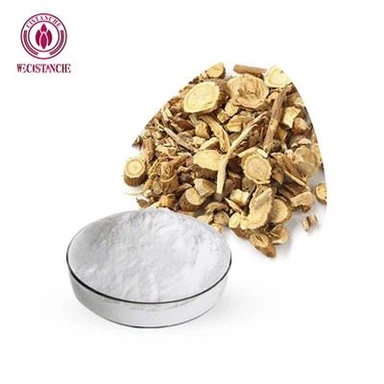
Cistanche extract powder
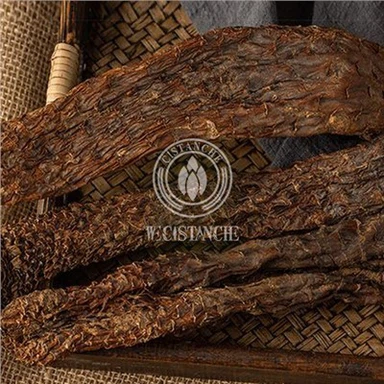
Cistanche deserticola, a miraculous medicinal herb known as the "desert ginseng", is like an elf in the desert, growing in desert areas such as Inner Mongolia, Ningxia, Gansu, and Xinjiang in China. It is a parasitic plant, like a mysterious "hermit", that parasitizes the roots of desert plants such as Haloxylon ammodendron all year round, drawing nutrients and water needed for growth from its host. The growth environment of Cistanche deserticola is extremely harsh, with drought, low rainfall, strong sunshine, and sandstorms in the desert. However, it can grow tenaciously under such harsh conditions, fully demonstrating the resilience and tenacity of life.
The medicinal history of Cistanche deserticola has a long and rich history, dating back to the Han Dynasty's "Shennong Bencao Jing". The book listed it as a top-grade herb, stating that it "nourishes the five organs, strengthens yin, nourishes essence and qi, and has many children. It also treats women's ailments. For a long time, Cistanche deserticola has been regarded as a nourishing treasure and highly praised by medical practitioners throughout history. It is sweet, salty, warm in nature, and belongs to the kidney and large intestine meridians. It has the effects of tonifying kidney yang, nourishing essence and blood, moistening the intestine,s and promoting bowel movements. In traditional medicine, it is commonly used to treat diseases such as kidney yang deficiency, insufficient essence and blood, intestinal dryness, and constipation. It replenishes yang without dryness, warms and promotes kidney yang, and replenishes kidneydeficiencyc The characteristics of nourishing yin without greasiness, moistening the intestines, and promoting abdominal circulation to treat constipation make it unique among many Chinese medicinal herbs, and also lay the foundation for its application in the treatment of liver diseases.
(2) Scientific basis for the treatment of liver cirrhosis with Cistanche deserticola
With the continuous deepening of modern medical research, the scientific basis for the treatment of liver cirrhosis with Cistanche deserticola has gradually emerged, providing solid theoretical support for its miraculous effects. Research has found that Cistanche deserticola contains various active ingredients, such as phenylethanolic glycosides, iridoids, lignans, polysaccharides, etc. These ingredients work together to exert multiple effects, including antioxidant, anti-inflammatory, immune regulation, and inhibition of hepatic stellate cell activation, thereby effectively treating and preventing liver cirrhosis.

effects of cistanche-antitumor
Cistanche deserticola has strong antioxidant properties and can be called the "antioxidant guardian" of the liver. Its main component, Cistanche glycosides, can inhibit lipid peroxidation, increase the activity of antioxidant enzymes such as glutathione peroxidase, eliminate excessive free radicals in the body, and reduce oxidative stress damage to liver cells. Free radicals are harmful substances produced during human metabolism. They have strong oxidizing properties and can attack biological macromolecules such as cell membranes, proteins, and nucleic acids in liver cells, causing damage to the structure and function of liver cells. The antioxidant components in Cistanche deserticola are like sharp blades, capable of accurately cutting off the "attack" of free radicals, protecting liver cells from oxidative damage, and maintaining normal physiological functions of the liver.
The anti-inflammatory effect is also a major "magic weapon" of Cistanche deserticola. Patients with cirrhosis often have chronic inflammatory reactions in their bodies, and the release of inflammatory factors can further exacerbate liver cell damage and the progression of liver fibrosis. Cistanche glycosides can inhibit the expression of inflammatory factors such as interleukin-1 β and tumor necrosis factor - α, alleviate inflammatory reactions, and alleviate the inflammatory state of the liver. It is like a 'peace envoy', calming the 'inflammatory war' in the liver and creating a favorable environment for the repair and regeneration of liver cells.
Regulating immune function is another key role of Cistanche deserticola in treating liver cirrhosis. Cistanche deserticola can regulate the balance of T cell subsets, enhance the body's immune system, help the body better resist the invasion of viruses, bacteria, and other pathogens, while inhibiting the autoimmune response and avoiding excessive attacks by the immune system on liver tissue. The immune system is like the body's "defense force". When it is in a balanced state, it can effectively protect the liver from external damage. However, when the immune system is imbalanced, it may accidentally harm the liver. Cistanche deserticola regulates immune function, restoring the balance of the immune system and safeguarding the health of the liver.
Inhibiting the activation of hepatic stellate cells is one of the core mechanisms of Cistanche deserticola in treating liver cirrhosis. The activation of hepatic stellate cells is a key link in the occurrence and development of liver fibrosis, and the extract of Cistanche deserticola can effectively inhibit the activation of hepatic stellate cells, reduce the synthesis and deposition of extracellular matrix, ix such as collagen, thereby reducing the degree of liver fibrosis and preventing further development of cirrhosis. It is like a "brake" that timely stops the "crazy train" of liver fibrosis, bringing a turning point for patients with cirrhosis.
(3) Clinical application and case witness
In clinical practice, Cistanche deserticola has also achieved significant results in the treatment of liver cirrhosis, as evidenced by the personal experiences of numerous patients. Many patients with cirrhosis have shown significant improvement in liver function and relief of clinical symptoms after taking Cistanche deserticola preparations. The indicators,ors such as transaminase and bilirubin in the serum, gradually returned to normal, the level of albumin increased, ascites decreased, liver pain decreased, appetite increased, and physical and mental status also improved significantly.
There was once a 55-year-old patient with liver cirrhosis who developed decompensated liver cirrhosis due to long-term alcohol consumption, resulting in symptoms such as ascites, jaundice, and fatigue, and a severe decline in quality of life. After trying various treatment methods with poor results, he began taking a traditional Chinese medicine compound preparation containing Cistanche deserticola. After a period of treatment, a miracle occurred. His ascites gradually subsided, jaundice significantly reduced, liver function indicators tended to be normal, and his physical condition improved, regaining confidence in life. There are still many cases like this in clinical practice, which fully demonstrate the significant therapeutic effect of Cistanche deserticola in treating liver cirrhosis, and also give more patients hope for recovery.