The Potentiation Of Anti-Tumor Immunity By Tumor Abolition With Alpha Particles, Protons, Or Carbon Ion Radiation And Its Enforcement By Combination With Immunoadjuvants Or Inhibitors Of Immune Suppressor Cells And Checkpoint Molecules Part 2
Jun 20, 2023
3.3. Particle and Photon Radiation and Hypoxia
The biological effects of photon radiation are heavily dependent on the presence of oxygen, and this may also affect the stimulation of the anti-tumor immune response. The main mechanism of how low-linear-energy-transfer (LET) radiation induces damage is through the formation of radical oxygen species [25]. One of the leading reasons for radiotherapy failure is tumor hypoxia [26].
Antitumor immune response and immunity are closely related. Immunity refers to the body's ability to resist the invasion of foreign pathogens, while anti-tumor immune response refers to the body's ability to respond to cancer cells. The strength of immunity directly determines the body's killing effect on cancer cells. The body with stronger immune function can better inhibit the growth and spread of cancer cells.
In the immune response, T cells and B cells are very important immune cells. CD8+ T cells in T cells are cells that can directly kill cancer cells, and they can recognize and kill cancer cells by recognizing and binding to tumor antigens. B cells can produce antibodies to help the body better recognize cancer cells and enhance the immune response.
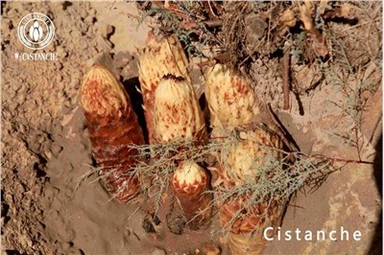
Therefore, improving immunity can enhance the body's resistance to cancer cells, thereby reducing the generation and spread of cancer cells. At the same time, by improving immunity, the body's resistance to other pathogens can also be enhanced, thereby ensuring the health of the body. Therefore, improving immunity and promoting anti-tumor immune response is one of the important means to prevent and treat tumors. It can be seen that we need to improve our immunity. Cistanche can significantly improve immunity. The polysaccharides in the meat can regulate the immune response of the human immune system, improve the stress ability of immune cells, and enhance the bactericidal effect of immune cells.

Click health benefits of cistanche
The oxygen enhancement ratio (OER) or oxygen enhancement effect in radiobiology refers to the enhancement of the therapeutic or detrimental effect of ionizing radiation due to the presence of oxygen. The OER is traditionally defined as the ratio of radiation doses during lack of oxygen compared to no lack of oxygen for the same biological effect. The maximum OER depends mainly on the ionizing density or LET of the radiation. Radiation with higher LET and higher relative biological effectiveness (RBE) is less dependent on oxygen in mammalian cell tissues. High LET radiation, such as alpha particles, has been shown to have OER values of almost 1, which indicates that oxygen has almost no effect on cellular sensitivity to radiation.
Studies have illustrated that heavy ions overcome tumor radioresistance caused by Bcl-2 overexpression, p53 mutations, and intratumor hypoxia, and possess antiangiogenic and antimetastatic potential. [27]. Following photon irradiation, the survival and viability of normoxic cells were significantly lower than those of hypoxic cells at all doses analyzed. In contrast, cell death induced by alpha emitter Bi-213 anti-EGFR-MAb turned out to be independent of cellular oxygenation [28]. Furthermore, Studies showed that high-LET α-particle-emitter Ra-223 is more suitable for the treatment of hypoxic tumor cells than irradiation with an Auger electron/γ- or the low-LET beta emitter Re-188 [29].
Carbon ions, owing to the direct DNA damage mechanism they employ, are also relatively cell-cycle- and oxygenation-independent, and can be used to treat hypoxic and radioresistant disease [30]. A direct comparison of the photon, proton, and carbon ion radiation effects under normoxic and hypoxic conditions was performed by Huang and collaborators. Four human tumor cell lines were irradiated with 4 Gray (physical dose), and all types of radiation could significantly inhibit the colony formation of tumor cells under normoxia. However, the efficacy of photon and proton radiation was impaired under hypoxia. Carbon ion radiation could still inhibit colony formation [31].
Although the general claim is that high-LET damage is less sensitive to oxygen levels, it was reported that DNA-repair-deficient cells were more sensitive to high-LET radiation under hypoxic conditions than in wild-type controls. Findings suggest that the repair of high-LET radiation-induced damage under hypoxic conditions requires not only the HR repair pathway but also poly (ADP-ribose) polymerase (PARP). This study suggests that DNA repair inhibition may be a potential strategy for increasing the effectiveness of carbon ion radiotherapy when targeting the hypoxic regions of a tumor [32].
In contrast to the above-mentioned studies, it was claimed that oxygen has no direct influence on radiation-induced DNA damage by different radiation qualities and hypoxia does not limit DNA damage induced by Ra-223, Re-188, or Tc-99m. Dose-dependent radiation effects were comparable for alpha-emitters and both high- and low-energy electron emitters [33].
4. Anti-Tumor Immunity Can be Triggered by Radiation Therapy-Mediated Tumor Abolition
RT is widely used with curative or palliative intent in the clinical management of multiple cancers. Although mainly aimed at direct tumor cell killing, mounting evidence suggests that radiation can alter the tumor to become an immunostimulatory milieu. Early reports described the elimination of nonirradiated lesions following photon irradiation of other tumor lesions. The phenomenon was termed the “abscopal effect” [4,5], an effect that was later attributed to the induction of anti-tumor immunity [34]. Abscopal effects due to irradiation alone remain rare phenomena in the clinics and involve a balance of radiation’s immunogenic and immunosuppressive effects. Clinically, if radiation treatments can be optimized to promote anti-tumor immunity, this could increase the odds of achieving local cancer control and combat the growth of micrometastases.
A considerable number of reports addressed this issue, and experimental data could indicate that the photon radiation-induced tissue damage triggers the production of generic “danger” signals that mobilize the innate and adaptive immune system. The danger microenvironment engenders a DC-mediated antigen-specific immune response [35–37]. Several review articles gathered information about the impact of RT on tumor immunity, including tumor-associated antigens, antigen-presenting cells, effector mechanisms, and the tumor microenvironment [38,39]. The interactions between radiation and the immune response are complicated, and to optimize them it will be required to assess the immune response to radiotherapy at the patient level and find approaches that will predict the interaction of immunotherapy with radiotherapy. This may enable to development of radiotherapy regimens more suitable for combination with immunotherapy [40].
The interrelationship between radiation and the immune response can work both ways. In an interesting literature survey of preclinical and clinical studies, Vanneste and co-workers analyzed the radiation enhancement factor effects of immunotherapy on the local tumor in comparison with other traditional radiation sensitizers. Their results imply that for the same RT dose, a higher local control was achieved with a combination of immunotherapy and RT in preclinical settings. Thus, they suggest the use of combined RT and immunotherapy to improve local tumor control in clinical settings without exacerbation of toxicities [41].
5. Activation of Anti-Tumor Immunity by PRT of Tumors
Treatment of cancer using particle radiation raises several important questions:
1. Can alpha particles-, protons-, and heavy ions-mediated destruction of tumors trigger anti-tumor immunity?
2. Is particle-based radiation more efficient than photon radiation in this respect?
3. Can the radiation-induced anti-tumor immunity be further augmented by manipulation of the immune response?
To answer these questions, studies were performed using particle radiation and measuring anti-tumor immunity. Anti-tumor immunity in experimental systems can be best determined in vivo by the induction of resistance to a tumor cell challenge following primary tumor destruction, and the appearance of lymphocytes that can kill tumor cells specifically. In vitro, radiation-dependent effects on immune function can be observed through the manifestation of immune-related changes in tumor cells. In humans, the ultimate sign of radiation-dependent immune activation is the abscopal effect.
Enforcement of anti-tumor immunity following alpha-particle-mediated tumor destruction was reported in several studies with different radioactive sources.
Analysis of immune-response-dependent anti-tumor activity following intratumoral alpha particle treatments revealed that the Ra-224-based radiotherapy, DaRT, offers a technique to eliminate local and distant malignant cells, regardless of their replication status, by stimulating specific anti-tumor immunity through the supply of tumor antigens from the destroyed tumor [42].

In a series of experiments, mice bearing weakly immunogenic DA3 adenocarcinoma or highly immunogenic CT26 colon carcinoma were treated with Ra224-loaded wires (DaRT seeds). In both tumor types, tumor growth was significantly retarded in the alpha-radiation-treated mice and the animals developed resistance to a tumor challenge. In the highly metastatic DA3 model, the treatment reduced the prevalence of lung metastases from 93% in the control mice to 56% in the DaRT group [43].
Alpha particle treatments could enhance the probability of an immune response, which can lead to abscopal effects. In a patient with skin SCC treated with intratumoral Ra-224-loaded seeds, lesion shrinkage was evident after 28 days and complete remission of the treated lesion was observed after 76 days. Two other nontreated distant lesions also disappeared, which could be associated with an immune-mediated response. One year after the treatment, a complete remission of the treated lesion was observed as well as spontaneous regression of untreated distant ones [23].
Using bismuth-213 irradiation of murine adenocarcinoma MC-38, it was shown that a protective anti-tumor response was induced that is mediated by tumor-specific T cells. Thus, α irradiation can stimulate adaptive immunity, elicit efficient anti-tumor protection, and therefore is an immunogenic cell death inducer [44]. Another demonstration of alpha radiation-based tumor abolition and immunostimulation was reported by Urbanska and colleagues [45]. Nanoparticles engineered to target the melanocortin-1 receptor expressed on melanoma (B16 melanoma) were loaded with the alpha particle emitter, Actinium-225. Treatment of B16-melanoma-bearing mice resulted in changes of fractions of naive and activated CD8 T cells, Th1 and regulatory T cells, immature dendritic cells, monocytes, MΦ and M1 macrophages, and activated natural killer cells, in the tumor microenvironment. The treatment also upregulated the inflammatory cytokine genome and adaptive immune pathways [45].
Proton and carbon ion radiation were also reported to stimulate the immune response after the treatment of tumors. Most of these studies report on the increase in immune-response-related components on tumor cells in vitro rather than direct stimulation of specific antitumor immunity in vivo.
The expression of HLA-, ICAM-1-, calreticulin-, and MHC-class 1-associated TAAs, which figure importantly in T cell recognition of target cells, was analyzed following proton radiation. Proton radiation of prostate, breast, lung, and chordoma cancer cells upregulated the expression of these elements of immunogenic modulation. Moreover, the degree of upregulation of these molecules was similar to that observed after equivalent exposure to photon radiation [46]. In a similar study, the investigators compared the expression of calreticulin (ecto-CRT) in multiple human carcinoma cell lines following irradiation by proton and carbon ion in comparison to photon radiation. Calreticulin is an important indicator of immune cell death (ICD).
All three types of radiation increased the ecto-CRT exposure, with proton and photon radiation equally effective, while carbon ion revealed different effectiveness in comparison to photon and proton [47]. Durante and Formenti [48] argue that particle radiation can be more effective than X-rays when used in combination with immunotherapy. Protons and heavy ions have physical advantages compared with Xrays and lead to reduced damage to blood lymphocytes that are required for an effective immune response.
Another example of the complicated interrelationship between radiation and immune response components and its effect on tumor development was disclosed in an interesting study by Beheshti and coworkers [49]. They found that murine Lewis lung carcinoma (LLC)-derived tumors develop faster in syngeneic adolescents (68 days) compared with old (736 days) C57BL/6 mice. These differences were further intensified by whole-body proton irradiation, with increased inhibition in tumors grown in old mice. Through network analysis, two key cytokines, TGFb1 and TGFb2, were revealed to contribute to the slower tumor advancement observed in the proton-irradiated old mice compared with that in the nonirradiated old mice [49].
In a clinical trial, Brenneman and colleagues [50] presented data about an abscopal effect in inoperable metastatic retroperitoneal sarcoma (RPS) treated with proton radiation. A patient with inoperable, metastatic, unclassified round-cell RPS was treated with palliative proton radiotherapy only to the primary tumor. Following completion of radiotherapy, the patient demonstrated complete regression of all un-irradiated metastases and near complete response of the primary lesion without additional therapy.

6. Potentiation of Particle-Radiation-Mediated Anti-Tumor Immunity by Immunomanipulation
To maximize cancer elimination and the prevention of tumor escape mechanisms, combinations of particle radiation and immune-modulating agents, capable of potentiating the immune response, were tested in preclinical and clinical settings.
These studies include the use of the following:
1. Agents that stimulate immune response components. These include microbial or chemical immunoadjuvants, tumor vaccines, and cytokines. Such immunostimulators can promote the activity of dendritic cells and/or T lymphocytes.
2. Agents that inhibit cells and molecules that suppress anti-tumor immune responses. These include agents that inhibit the function or deplete immune suppressor cells such as myeloid-derived suppressor cells (MDSC) or regulatory T cells (Tregs), or inhibitors of the suppressive function of immunological checkpoint molecules (CTLA-4, PD-1, and PD L1).
3. Adoptive transfer of anti-tumor T lymphocytes or antibodies.
6.1. Agents Stimulating Immune Response Components
6.1.1. Immunoadjuvants
The Toll-like receptors family is mainly expressed in immune cells, where it senses pathogen-associated molecular patterns and initiates an innate immune response. Toll-like receptor (TLR) agonists (ligands) demonstrate therapeutic promise as immunological adjuvants for anticancer immunotherapy. Ligation of Toll-like receptors results in the induction of strong immune responses that may be directed against tumor-associated antigens. Today, 13 distinct TLRs are known to be expressed in mammals (10 in humans), and proteins of the TLR family have been identified in evolutionarily distant organisms including fish and plants.
TLR agonists were included in the National Cancer Institute's list of immunotherapeutic agents with the highest potential to cure cancer. To date, three TLR agonists have been approved by U.S. regulatory agencies for use in cancer patients. Additionally, the potential of hitherto experimental TLR ligands to mediate clinically useful immunostimulatory effects has been extensively investigated over the past few years. A summary of recent preclinical and clinical advances in the development of TLR agonists for cancer therapy was published [51]. The effects of TLR stimulation in cancer, the expression of various TLRs in different types of tumors, and the role of TLRs in anticancer immunity and tumor rejection were also discussed in a recent review [52].
One of the TLR agonists approved for the treatment of cancer is Imiquimod (TLR7 agonist) (a small non-nucleoside imidazoquinoline originally known as S-26308 or R-837). Similar to other imidazoquinolines (e.g., S-27609), imiquimod turned out to act in vivo as a potent inducer of immunostimulatory cytokines, including IFNα, TNFα, and interleukin (IL)-1β and IL-6, and to exert consistent anti-tumor effects.
Unmethylated CpG-containing oligodeoxynucleotides are strong TLR agonists (TLR9) and activators of anti-tumor immunity and dendritic cell function. CpG was used in many studies in combination with almost all abolition modalities and was found to significantly boost the anti-tumor immune response triggered by the destruction of the tumor by abolition [6]. The intracellular signaling pathways that link TLR ligation with immune activation and where and how TLRs recognize their targets were addressed in the following article [53].
TLR3 recognizes dsRNA or its synthetic ligand polyinosinic: polycytidylic acid [poly (I: C)] and is responsible primarily for the defense against viral infections. The TLR3 agonist poly (I: C) is a powerful immune adjuvant as a result of its agonist activities on TLR-3, MDA5, and RIG-I. Poly (I: C) was developed to mimic pathogen infection and boost immune system activation to promote anticancer therapy. Although TLRs were first identified in immune system cells, recent studies show they can also be expressed in tumor cells.
In preclinical and clinical studies, poly (I: C) and its derivative poly-ICLC were used as cancer vaccine adjuvants and were found to enhance anti-tumor immune responses, and contributed to tumor elimination in animal tumor models and patients [54]. Modified TLR3 agonists (Ampligen®, Hiltonol®, poly ICLC) are already being used in clinical studies for cancer therapy as single agents or in combination with other drugs. TLR30 s agonists can induce apoptosis and activate the immune system at the same time, making TLR3 ligands an attractive therapeutic option for the treatment of cancer [55,56].
Poly (I: C) complexed with polyethyleneimine (BO-112) was reported to cause tumor cell apoptosis. Intratumoral treatment with BO-112 of subcutaneous mouse tumors led to remarkable local disease control dependent on type-1 interferon and gamma-interferon [57] and was given to cancer patients in combination with checkpoint inhibitors with promising effects [58]
6.1.2. Agents that Inhibit Immunosuppressive Cells: MDSC and/or Tregs
Host immune cells with a suppressive phenotype represent a significant hurdle to successful immunotherapy of metastatic cancer. Among the suppressor cells, Tregs and MDSC are significantly increased in hosts with advanced malignancies.
Tregs, in most cancers, play a central role in contributing to the progression of the disease. Thus, suppression mechanisms mediated by Tregs are thought to contribute significantly to the failure of current therapies that rely on induction or potentiating of anti-tumor responses. Depletion of Tregs by anti-CD25, anti-FoxP3, or cyclophosphamide may serve to boost anti-tumor immunity [59]. MDSCs are a heterogeneous population of immature myeloid cells that are increased in many cancer types. MDSCs play a central role in the suppression of the host immune system through mechanisms such as arginase-1, and the release of immune-suppressive factors such as reactive oxygen species (ROS), nitric oxide (NO), and cytokines. Blockade of MDSC recruitment by blocking chemokine receptors, differentiation of MDSC to macrophages, and blocking MDSC function was found to be essential for effective anti-tumor immunotherapy [60].
6.1.3. Inhibitors of Immune Suppression Pathways: Checkpoint Blockade
In recent years, cancer immunotherapy gained momentum when the therapeutic benefit of monoclonal antibodies against immune checkpoints (CTLA-4/CD80/CD86 and PD-1/PD L1) was reported. As a follow-up, the beneficial anti-tumor effects of combining checkpoint inhibitors with various abolition modalities were examined. In 2019, the FDA approved PD-1 inhibition as first-line treatment for patients with metastatic or unresectable, recurrent head and neck squamous cell carcinoma (HNSCC), approving pembrolizumab in combination with platinum and fluorouracil for all patients with HNSCC and pembrolizumab as a single agent for patients with HNSCC whose tumors express a PD-L1. These approvals marked the first new therapies for these patients since 2006, as well as the first immunotherapeutic approvals for this disease [61]. Inhibitors of PD1/PD-L1 include peptides, small-molecule chemical compounds, and antibodies. Several approved antibodies targeting PD-1 or PD-L1 have been patented with good curative effects in various cancer types in clinical practices. While the current antibody therapy is facing a development bottleneck, some companies have tried to develop PD-L1 companion tests to select patients with better diagnosis potential [62].
Given the inferior response rate of immune checkpoint inhibitors (ICI) therapies, researchers performed extensive work and demonstrated that ICI therapies were influenced by a combination of predictive biomarkers related to genomics, immune checkpoints expression, some characteristics in the microenvironment, and gut microbiome [63].
6.2. Particle Radiation Therapy in Combination with Immunostimulants Can Achieve a Higher Level of Tumor Control of Primary Lesions and Metastases
Given the activation of specific anti-tumor immunity following tumor destruction by the alpha-radiation-based DaRT, a series of experiments were conducted to examine how it is feasible to enforce this effect by manipulating the immune response. Combining intratumoral alpha radiation with the TLR agonist, CpG, resulting in better control of the primary tumor and elimination of lung metastases in mice bearing the weakly immunogenic DA3 adenocarcinoma [42].
In successive studies, the efforts to fortify the potency of the anti-tumor effect, triggered by tumor abolition with Ra-224-loaded seeds, were carried out with two approaches: (1) neutralization of immunosuppressive cells such as regulatory T cells (Tregs) and myeloid-derived suppressor cells (MDSCs) and (2) boosting the immune response by immunoadjuvants. Ra-224-loaded seeds were inserted into DA3 mammary adenocarcinoma tumors, and the mice were also treated with the MDSC inhibitor (sildenafil), or Treg inhibitor (cyclophosphamide at low dose), or the TLR-9 agonist, CpG, or a combination of these immunomodulators. A combination of all four therapies led to a complete rejection of primary tumors and the elimination of lung metastases. The treatment with DaRT and Treg or MDSC inhibitors (without CpG) also resulted in a significant reduction in tumor size, reduced lung metastatic burden, and extended survival compared with the corresponding controls [64].
A similar approach was taken in a study in which immunomodulatory strategies to boost the anti-tumor immune response induced by DaRT were investigated in the colon cancer CT26 mouse model. DaRT used in combination with the TLR9 agonist CpG, TLR3 agonist, poly I: C, or with the TLR1/2 agonist XS15, retarded tumor growth and increased tumor-rejection rates, compared with DaRT alone. Alpha radiation with CpG or XS15 cured 41% and 20% of the mice, respectively. When DaRT was applied in combination with CpG, the Treg inhibitor cyclophosphamide, and the MDSC inhibitor sildenafil, the cure rate increased from 41% to 51% of the animals. Cured animals rejected a challenge of CT26 cells but not DA3 (breast cancer) cells, and by passive transfer experiments, it was shown that cured mice harbor specific anti-CT26 lymphocytes. [65]. The above-mentioned studies were expanded to additional tumor cell models and immunostimulators. Triple-negative breast cancer (4T1)-, pancreatic (Panc02)-, and squamous cell carcinoma (SQ2)-derived tumors were exposed to Ra-224-loaded DaRT seeds and immunostimulation. Intratumoral delivery of poly (I: C)-polyethyleneimine (poly (I: C)-PEI) was used to activate RIG-1-like receptors (RLRs), and poly (I: C) without PEI was used to activate TLR. Poly (I: C), both with or without PEI, before DaRT retarded the growth of the tumors and elicited specific anti-tumor activity. Treatments with a T-regulatory cell inhibitor or the epigenetic drug, decitabine, intensified the anti-tumor manifestations of the combination of DaRT and poly (I: C)-PEI and extended survival rates due to lung metastasis clearance [66].
In a recent study, we examined tumor destruction and activation of systemic antitumor immunity in mice bearing murine squamous cell carcinoma (SQ2) solid tumors by Ra-224-loaded seeds in combination with either poly (I: C)-PEIor anti-PD-1 or both. Tumor development was recorded, and anti-tumor immunity was assessed. Subcutaneous Ra-224- loaded seeds (DaRT) and anti-PD-1 effectively retarded tumor progression compared with DaRT alone, and the strongest effect was achieved by a combination of DaRT and Poly (I: C), and anti-PD-1.
The anti-tumor effects of alpha-radiation and immunomanipulation were also validated in an experimental system of mice with multiple myeloma murine models that express the tumor antigen CD138 and ovalbumin (OVA). The animals were treated with the alpha emitter, bismuth-213, coupled to an anti-CD138 antibody, followed by an adoptive transfer of OVA-specific CD8+ T cells (OT-I CD8+ T cells). Significant tumor growth control and improved survival in the animals treated with the combined treatment were observed [67].
In an important study, carbon ion and photon radiation were compared as to their capabilities to stimulate anti-tumor immunity alone and in combination with checkpoint inhibitors. Mice with advanced osteosarcoma (LM8) carried two tumor lesions, and one of them was irradiated with either carbon ions or X-rays in combination with two immune checkpoint inhibitors (CPI) (anti-PD-1 and anti-CTLA-4). The combined protocol of carbon ions and the immune checkpoint inhibitors administered sequentially was the most effective in retarding the growth of the nonirradiated tumor (abscopal tumor). The combination of immunotherapy with both radiation types essentially suppressed metastasis, with carbon ions being more efficient. Carbon ion treatment alone also reduced the number of lung metastases more efficiently than X-rays. Examination of the abscopal tumors in animals treated with radiation and CPI combination revealed an increased infiltration of CD8+ cells [68].
7. Summary
The studies summarized in this review show clearly that particle-radiation-mediated abolition of solid tumors can promote specific anti-tumor immunity in experimental animals and the manifestation of abscopal effects in cancer patients. Furthermore, such immune responses can be boosted by immunoadjuvants, by inhibition of immune suppressor cells, and by checkpoint inhibitors that facilitate the functionality of anti-tumor immune cells. Such activities of the immune response act to remove residual tumor cells in the tumor sites and remote metastatic loci.
Whether high-LET particle radiation is better than low-LET radiation in turning the tumor into an immunogen is still an open issue. Yet, the findings that particle radiation can exert its effects under hypoxic conditions is an advantage also from the perspective of anti-tumor immunity facilitation. Another point to consider, although it needs to be substantiated from the immunological point of view, is that particle radiation might cause less damage to surrounding tissues and blood vessels that bring immune cells to the tumor site.
Thus, intratumoral alpha radiation, proton radiation, and carbon ions should be highly considered for the treatment of metastatic cancer in combination with immunomodulatory agents.
Author Contributions:
All authors have contributed equally. All authors have read and agreed to the published version of the manuscript.
Funding:
This research received no external funding.
Acknowledgments:
The authors are grateful to Tomer Cooks, Ben Gurion University, Israel, for his important comments on this review.

Conflicts of Interest:
Y.K. and I.K. are consultants of Alpha Tau Medical, Tel Aviv, Israel.
References
1. World Health Organization. Available online: https://www.who.int/news-room/fact-sheets/detail/cancer (accessed on 22 December 2020).
2. Dillekas, H.; Rogers, M.S.; Straume, O. Are 90% of deaths from cancer caused by metastases? Cancer Med. 2019, 8, 5574–5576. [CrossRef]
3. Hammerich, L.; Binder, A.; Brody, J.D. In situ vaccination: Cancer immunotherapy both personalized and off-the-shelf. Mol. Oncol. 2015, 9, 1966–1981. [CrossRef]
4. Mole, R.H. Whole body irradiation; radiobiology or medicine? Br. J. Radiol. 1953, 26, 234–241. [CrossRef]
5. Nobler, M.P. The abscopal effect in malignant lymphoma and its relationship to lymphocyte circulation. Radiology 1969, 93, 410–412. [CrossRef]
6. Keisari, Y. Tumor abolition and antitumor immunostimulation by physicochemical tumor ablation. Front. Biosci. 2017, 22, 310–347. [CrossRef]
7. Coley, W.B. The treatment of malignant tumors by repeated inoculations of erysipelas: With a report of ten original cases. Am. J. Med. Sci. 1893, 10, 487–511. [CrossRef] 8. Upadhaya, S.; Hubbard-Lucey, V.M.; Yu, J.X. Immuno-oncology drug development forges on despite COVID-19. Nat. Rev. Drug Discov. 2020, 19, 751–752. [CrossRef]
9. Zhang, Y.; Zhang, Z. The history and advances in cancer immunotherapy: Understanding the characteristics of tumor-infiltrating immune cells and their therapeutic implications. Cell. Mol. Immunol. 2020, 17, 807–821. [CrossRef]
10. Sia, J.; Szmyd, R.; Hau, E.; Gee, H.E. Molecular mechanisms of radiation-induced cancer cell death: A primer. Front. Cell Dev. Biol. 2020, 8, 41. [CrossRef] 11. Oster, S.; Aqeilan, R.I. Programmed DNA damage and physiological DSBs: Mapping, biological significance and perturbations in disease states. Cells 2020, 9, 1870. [CrossRef] 12. Kraft, G. The radiobiological and physical basis for radiotherapy with protons and heavier ions. Strahlenther. Onkol. 1990, 166, 10–13. [PubMed]
13. Schulz-Ertner, D.; Tsujii, H. Particle radiation therapy using proton and heavier ion beams. J. Clin. Oncol. 2007, 25, 953–964. [CrossRef] [PubMed]
14. Skarsgard, L.D. Radiobiology with heavy charged particles: A historical review. Phys. Med. 1998, 14 (Suppl. 1), l–19.
15. Franken, N.A.; ten Cate, R.; Krawczyk, P.M.; Stap, J.; Haveman, J.; Aten, J.; Barendsen, G.W. Comparison of RBE values of high-LET alpha-particles for the induction of DNA-DSBs, chromosome aberrations, and cell reproductive death. Radiat. Oncol. 2011, 6, 64. [CrossRef] [PubMed]
16. Pinto, M.; Price, K.M.; Michael, B.D. Evidence for complexity at the nanometer scale of radiation-induced DNA DSBs as a determinant of rejoining kinetics. Radiat. Res. 2005, 164, 73–85. [CrossRef]
17. Obe, G.; Johannes, C.; Ritter, S. The number and not the molecular structure of DNA double-strand breaks is more important for the formation of chromosomal aberrations: A hypothesis. Mutat. Res. 2010, 701, 3–11. [CrossRef]
18. Nelson, B.J.B.; Andersson, J.D.; Wuest, F. Targeted Alpha Therapy: Progress in Radionuclide Production, Radiochemistry, and Applications. Pharmacol. Ther. 2020, 13, E49. [CrossRef]
19. Sgouros, G.; Bodei, L.; McDevitt, M.R.; Nedrow, J.R. Radiopharmaceutical therapy in cancer: Clinical advances and challenges. Nat. Rev. Drug Discov. 2020, 19, 589–608. [CrossRef]
20. Arazi, L.; Cooks, T.; Schmidt, M.; Keisari, Y.; Kelson, I. Treatment of solid tumors by the interstitial release of recoiling short-lived alpha emitters. Phys. Med. Biol. 2007, 52, 5025–5042. [CrossRef] [PubMed]
For more information:1950477648nn@gmail.com