Discussion On The Treatment Of Coronary Heart Disease With Erectile Dysfunction Based On The “Brain-Heart-Kidney-Seminal Chamber” Axis Theory
Jul 29, 2025
Abstract:
The "brain-heart-kidney-seminal chamber" axis theory offers a unique perspective on understanding the pathogenesis of coronary heart disease (CHD) complicated by erectile dysfunction (ED). This theory posits that dysfunction of the axis is closely tied to the co-occurrence of CHD and ED, with kidney deficiency viewed as the initiating factor, heart-brain imbalance as the key pathogenic mechanism, and seminal chamber dysfunction as a significant contributing factor. Guided by this concept, targeted treatments involving herbs such as Cistanches Herba, Rehmanniae Radix et Praeparata, and Cuscutae Semen are employed to nourish the kidneys and regulate the interconnected functions of the brain, heart, kidneys, and seminal chamber. Additionally, herbs like Salvia Miltiorrhizae Radix, Chuanxiong Rhizoma, and Schisandra Chinensis Fructus calm the heart and brain, while Cyathulae Radix, Scolopendra, and Spatholobi Caulis restore balance to the seminal chamber by improving circulation and repairing tissue. Clinically, this holistic approach emphasizes synchronizing the brain, heart, kidneys, and seminal chamber, with flexible adjustments based on individual symptoms, offering new pathways for treating CHD patients with ED.

Cistanche Hight Quality Extract Pills

Understanding the "Brain-Heart-Kidney-Seminal Chamber" Axis
Erectile dysfunction (ED) is one of the most common sexual health disorders in men, characterized by difficulty in achieving or maintaining an erection sufficient for satisfactory sexual performance. Coronary heart disease (CHD), on the other hand, arises from coronary atherosclerosis leading to myocardial ischemia, hypoxia, or necrosis. Modern studies have established a significant correlation between these two conditions. CHD has been identified as a major risk factor for ED, while ED is increasingly recognized as an early marker for cardiovascular diseases, including CHD. For instance, a cross-sectional study reported that 75.63% of 751 CHD patients experienced ED. Other studies suggest that up to 42% of cardiovascular disease patients also suffer from ED.
From a traditional Chinese medicine (TCM) perspective, CHD aligns with the categories of "chest pain" (胸痹, xiong bi) or "heart pain" (心痛, xin tong), while ED falls under the classification of "impotence" (阳痿, yang wei). TCM treatments have demonstrated advantages in improving cardiac function, alleviating symptoms, and restoring erectile function, ultimately enhancing quality of life. The "brain-heart-kidney-seminal chamber" axis theory provides a novel framework for understanding and treating these conditions in an integrated manner.

Theoretical Foundations of the Axis
The "brain-heart-kidney-seminal chamber" axis theory is rooted in classical TCM texts and enriched by clinical observations. It offers a comprehensive framework for understanding the interplay between organs and systems in male sexual health. Modern interpretations of this theory can bridge TCM concepts with biomedical mechanisms.
1. Interconnection Through Meridians
In TCM, the brain, heart, kidneys, and seminal chamber are interconnected through the meridians. The Governor Vessel (Du Mai) links the brain and heart at the top while connecting with the kidneys and seminal chamber at the lower end. The Conception Vessel (Ren Mai) and Chong Vessel (Chong Mai) also originate in the seminal chamber and traverse the abdomen, chest, and head, creating a dynamic network between these organs. Furthermore, the heart and kidneys are linked through the Shaoyin meridian, emphasizing their mutual influence. This intricate web underscores the functional unity of the "brain-heart-kidney-seminal chamber" axis.

2. Coordination Between Organs
The axis consists of four key components:
Brain: As the repository of essence (元神, yuan shen), the brain governs the spirit and integrates signals from the heart and kidney.
Heart: As the "monarch organ" (君主之官), the heart houses the mind (神, shen) and regulates blood and consciousness.
Kidneys: The root of yin and yang, the kidneys store essence (精, jing) and generate marrow to nourish the brain and heart. They also warm and sustain the seminal chamber.
Seminal Chamber: The physical representation of male reproductive health, the seminal chamber relies on nourishment from the brain, heart, and kidneys for proper function.
These four components form an integrated system, where the dysfunction of any one organ can disrupt the entire axis, leading to conditions such as CHD and ED.

Supportive Service Of Wecistanche-The largest cistanche exporter in the China:
Email:wallence.suen@wecistanche.com
Whatsapp/Tel:+86 15292862950

Relevance of Cistanche in This Framework
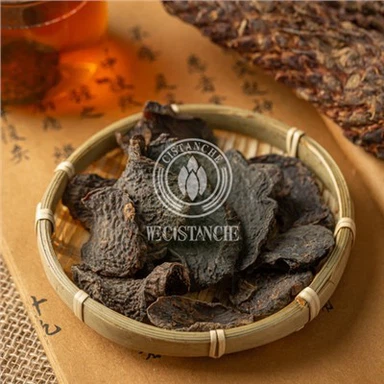
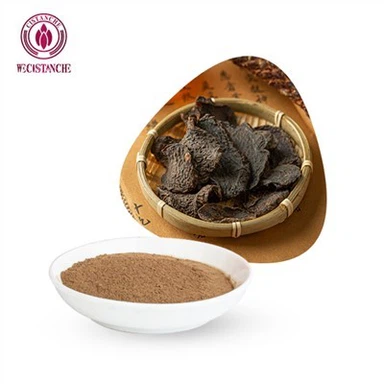
Within the "brain-heart-kidney-seminal chamber" axis, Cistanche (Cistanche deserticola or Cistanche tubulosa) plays a pivotal role as a kidney-tonifying herb. Modern pharmacological studies have revealed that:
Cistanche enhances kidney function: It replenishes kidney essence (精, jing), which is foundational for nourishing the brain and heart and supporting seminal chamber activity.
Improves vascular health: Active components such as echinacoside and acteoside improve endothelial function and increase nitric oxide (NO) production, addressing both CHD and ED by enhancing blood flow to the heart and penile tissues.
Neuroprotective effects: By nourishing the brain and enhancing cognitive function, Cistanche aligns with the axis theory's emphasis on the brain as a central regulator.
Hormonal regulation: Cistanche has been shown to modulate androgen levels, which are crucial for both cardiovascular health and erectile function.
The inclusion of Cistanche in formulations targeting CHD and ED exemplifies the integration of TCM principles with modern medical insights, offering a safe and effective alternative to PDE-5 inhibitors, especially for CHD patients with ED.
Clinical Implications and Future Directions
Under the guidance of the "brain-heart-kidney-seminal chamber" axis theory, clinical practice emphasizes the harmonious regulation of these interconnected systems. By customizing herbal formulations to address specific symptoms, practitioners can enhance therapeutic outcomes for CHD patients with ED.
Future research should focus on:
Mechanistic Studies: Exploring the molecular pathways through which herbs like Cistanche exert their effects on the axis.
Clinical Trials: Conducting large-scale, multi-center studies to evaluate the efficacy of TCM formulations in CHD-ED patients.
Integration with Modern Medicine: Bridging TCM theories with contemporary biomedical frameworks to develop innovative therapeutic strategies.
In the next discussion, we will delve deeper into the molecular mechanisms of Cistanche's active compounds and their potential role in addressing other systemic disorders associated with aging. This exploration will further highlight the synergy between TCM and modern medicine in promoting holistic health.