Treatment Strategies For Chronic Constipation With Different Etiologies
Aug 09, 2023
Under the influence of factors such as dietary structure, life rhythm, and social psychology, the number of adults with chronic constipation of all ages in China is increasing, and the prevalence rate is as high as 16% to 20%1, especially for elderly patients with constipation. It can reach 50%2, and with the increase in age, the incidence rate also increases, seriously affecting daily life and quality of life. There are many reasons why chronic constipation has become a clinical problem, a large part of which is due to the lack of understanding of chronic constipation by patients and the indiscriminate use of laxatives.

Click to Ciststanche for constipation relief
Understanding chronic constipation is a prerequisite for the correct treatment
Constipation is not a single symptom but consists of a (group) of symptoms characterized by difficult and/or less frequent and hard stools. Difficulty defecating includes straining, difficulty passing, sensation of incomplete bowel movement, sensation of anorectal blockage, time-consuming bowel movements, and need for assisted defecation. Fewer bowel movements are defined as fewer than 3 bowel movements per week3. The duration of chronic constipation is at least 6 months3.
Although chronic constipation is not a malignant disease, its course is long and the disease often recurs, which will have a serious impact on patients:
Reduce the quality of life 1: Several studies have shown that the overall quality of life, well-being, and living conditions of patients with chronic constipation are significantly worse than those of healthy people, which has a negative impact on patient's social activities such as learning and job hunting; at the same time, chronic constipation hurts patients' spiritual The damage to the quality of life is more important than the physiological quality of life;
Increased economic burden 1: Chronic constipation is easy to recur and has a long course of disease, so it can lead to a significant increase in the economic expenditure related to drug treatment for patients. In the United States, chronic constipation ranks second among gastrointestinal diseases in medical expenditures. In addition, most patients with chronic constipation are often combined with one or more other diseases, such as otitis media, anxiety, depression, etc., which also have a greater impact on patients' medical expenses.
Analyze the etiology, correctly diagnose and evaluate chronic constipation
Chronic constipation can be divided into primary constipation (also known as idiopathic constipation or functional constipation) and secondary constipation according to the cause of the disease, and secondary constipation can be subdivided into organic constipation and drug-induced constipation:
Primary constipation is mostly caused by nerve smooth muscle dysfunction in the colon, rectum, and anus, including functional constipation, functional defecation disorder, irritable bowel syndrome (IBS), and other diseases3;
Organic constipation is caused by organic diseases, including metabolic diseases, neurogenic diseases, primary diseases of the colon (such as colon cancer), etc. 3;
Drug-induced constipation is mainly induced by anticholinergic drugs, opioids, calcium antagonists, antidepressants, antihistamines, antispasmodics, anticonvulsants, etc.

The diagnosis of chronic constipation is mainly based on symptoms, and the Rome IV criteria for functional constipation can be used for reference, and it needs to be combined with the specific conditions of Chinese patients.
Clinicians ask about the medical history in detail, whether there are alarm signs (such as blood in the stool, positive fecal occult blood, anemia, weight loss, obvious abdominal pain, abdominal mass, history of colorectal polyps and family history of colorectal tumors) or accompanying symptoms, medication history, and Further auxiliary examination can make a diagnosis. Currently, available auxiliary examinations include digital anorectal examination, colonoscopy, colon transit time measurement, balloon expulsion test, anorectal pressure measurement, and defecography3.
Rational drug use is the top priority in the treatment of chronic constipation
The management of chronic constipation includes pharmacological and non-pharmacological approaches, among which pharmacotherapy is the first choice for chronic constipation4. Drugs for the treatment of chronic constipation include volumetric laxatives, osmotic laxatives, stimulant laxatives, secretagogues, prokinetic agents, and prokinetic agents. Among many laxatives, volumetric laxatives (such as polycarbophil calcium) have a therapeutic effect on chronic constipation caused by various reasons and are safe for a long time. 5. Expert consensus on chronic constipation in China (2019 Guangzhou) 3. Expert consensus on assessment and management of chronic constipation in the elderly (2017) 6. 2013 AGA Medical Position Statement 7. 2010 WGO Global Guidelines for Constipation 8 and other recommendations as the basis for the treatment of chronic constipation medication.
Calcium polycarbophil is a water-absorbing high-molecular polymer. It decalcifies in the gastric acid environment to form polycarbophil, and then absorbs water and swells in the intestinal tract to form a hydrophilic gel, which participates in the formation of feces and makes the feces bulky and soft. It is easily excreted; calcium polycarbophil is not absorbed by the digestive tract, nor is it metabolized by intestinal bacteria, and is eventually excreted in feces3,9.

Due to the unique mechanism of action of polycarbophil calcium, it can meet the treatment needs of patients with various types of chronic constipation:
Constipation in the Elderly: Age is an important risk factor for chronic constipation10. Polycarbophil calcium can not only relieve constipation in mild to moderate patients3, but also help patients establish good bowel habits, and is the basic drug for chronic constipation in the elderly6;
Functional constipation: Patients with functional constipation account for as high as 57.1% of patients with chronic constipation11. Domestic controlled studies have shown that after treatment with polycarbophil calcium, the overall symptoms and weekly constipation severity of functional constipation patients are significantly improved. Improvement and no obvious adverse reactions were found in long-term toxicity experiments11;
Constipation-predominant irritable bowel syndrome: There are studies evaluating the effectiveness and safety of polycarbophil calcium in the treatment of constipation-predominant irritable bowel syndrome (IBS-C). During the second to fourth weeks of treatment, polycarbophil calcium Non-calcium tablets improved the overall symptoms and constipation level of IBS-C patients more significantly than placebo, and the patient's abdominal discomfort/pain, abdominal distension, stool Bristol classification, the number of days without incomplete defecation and the number of days without effort in defecation were all higher than those before treatment. Significantly improved12;
Perioperative period of anal surgery: Surgery is one of the treatment methods for benign anal diseases, and the management of defecation during the perioperative period is closely related to the postoperative efficacy of patients. If the patient has difficulty defecating, it is easy to irritate the surgical wound and increase the risk of perioperative complications such as infection. Maintaining soft stools is the goal of perioperative defecation management. The Chinese expert consensus on defecation management in the perioperative period of benign anal diseases recommends the use of volumetric laxatives such as polycarbophil calcium to relieve the symptoms of difficult defecation and reduce the incidence of bleeding. heal 5;
Patients after fractures: For patients with constipation after fractures, polycarbophil calcium can effectively soften the stool, and combined with traditional Chinese medicine nursing, it can improve the symptoms of patients such as difficulty in defecation, stool properties, defecation time, and defecation frequency13.
summary
Chronic constipation is a worldwide disease. Although the degree of risk is not as high as that of malignant tumors, it also has a serious impact on the life and work of patients. The increase in the incidence of chronic constipation in recent years urges us to further standardize the diagnosis and treatment of chronic constipation and avoid wrong behaviors such as abusing laxatives. In addition to actively adjusting the lifestyle, we also need to cooperate with drug treatment to jointly improve the quality of life and quality of life of patients with chronic constipation. Happiness index!
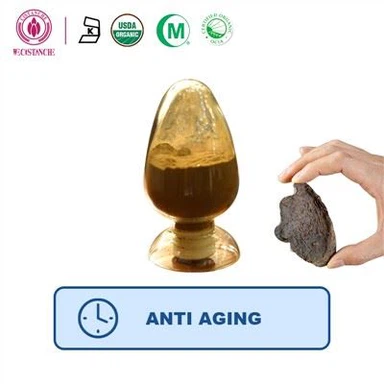
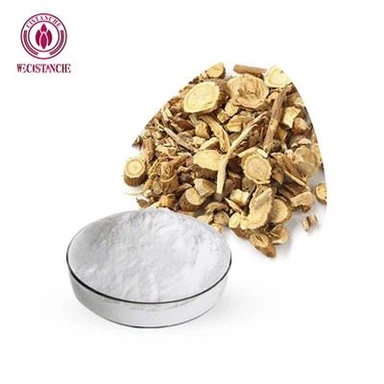
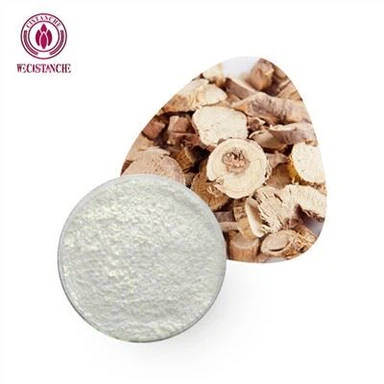
Natural Herbal Medicine For Relieving Constipation-Cistanche
Cistanche is a genus of parasitic plants that belongs to the family Orobanchaceae. These plants are known for their medicinal properties and have been used in Traditional Chinese Medicine (TCM) for centuries. Cistanche species are predominantly found in arid and desert regions of China, Mongolia, and other parts of Central Asia. Cistanche plants are characterized by their fleshy, yellowish stems and are highly valued for their potential health benefits. In TCM, Cistanche is believed to have tonic properties and is commonly used to nourish the kidney, enhance vitality, and support sexual function. It is also used to address issues related to aging, fatigue, and overall well-being. While Cistanche has a long history of use in traditional medicine, scientific research on its efficacy and safety is ongoing and limited. However, it is known to contain various bioactive compounds such as phenylethanoid glycosides, iridoids, lignans, and polysaccharides, which may contribute to its medicinal effects.

Wecistanche's cistanche powder, cistanche tablets, cistanche capsules, and other products are developed using desert cistanche as raw materials, all of which have a good effect on relieving constipation. The specific mechanism is as follows: Cistanche is believed to have potential benefits for relieving constipation based on its traditional use and certain compounds it contains. While scientific research specifically on Cistanche's effect on constipation is limited, it is thought to have multiple mechanisms that may contribute to its potential to relieve constipation. Laxative Effect: Cistanche has long been used in Traditional Chinese Medicine as a remedy for constipation. It is believed to have a mild laxative effect, which can help promote bowel movements and induce constipation. This effect may be attributed to various compounds found in Cistanche, such as phenylethanoid glycosides and polysaccharides. Moistening the Intestines: Based on traditional use, Cistanche is considered to have moisturizing properties, specifically targeting the Intestines. By promoting hydration and lubrication of the Intestines, it may help soften tools and facilitate easier passage, thereby relieving constipation. Anti-inflammatory Effect: Constipation can sometimes be associated with inflammation in the digestive tract. Cistanche contains certain compounds, including phenylethanoid glycosides and lignans, that are believed to have anti-inflammatory properties. By reducing inflammation in the intestines, it may help improve bowel movement regularity and relieve constipation.
references:
1. Jiang Ya, Lin Lin. The impact of chronic constipation on the quality of life and economic burden of patients. Chinese Journal of General Practitioners. 2017.16(7):561-564.
2. Wang Peipei, Luo Wen, Yu Zheng, Li Mingwei. Research progress of chronic constipation. Chinese General Medicine. 2017.20(3):370-374.
3. Functional Gastroenterology Collaborative Group of the Gastrointestinal Dynamics Group of the Digestive Disease Branch of the Chinese Medical Association. Consensus Opinions of Chinese Chronic Constipation Experts (2019, Guangzhou). Chinese Journal of Digestion. 2019.39(9):577-598.
4. Liu Xiaofeng. Progress in non-surgical treatment of chronic constipation. Chinese Journal of Digestive Diseases and Imaging (electronic version). 2017. 7(2): 49-52.
5. Chinese Association of Integrative Medicine Colorectal and Anal Diseases Professional Committee. Chinese Expert Consensus on Perioperative Defecation Management of Benign Anal Diseases. Chinese Journal of Gastrointestinal Surgery. 2020.23(12):1131-1134.
6. Editorial Committee of Chinese Journal of Geriatrics, Geriatrics Branch of Chinese Medical Association. Expert consensus on the evaluation and management of chronic constipation in the elderly. Journal of Geriatrics. 2017.36(4):371-381.
7. Adil E Bharucha, John H Pemberton, et al. American Gastroenterological Association Technical Review on Constipation. GASTROENTEROLOGY 2013;144:218–238.
8. Du Ying, Dai Ning. Constipation: A Global Perspective. 2010.11.
9. Han Zhenjie, Yuan Yaozong. Pharmacological and clinical research of polycarbophil calcium. Chinese Journal of New Drugs and Clinics. 2012.31(6):291-294.
10. Li Lanshan. Risk factors and progress of non-surgical treatment for chronic constipation. Oriental Medicinal Food. 2020.7:298.
11. Ma Qizhe, Shi Dongmei. Clinical observation of polycarbophil calcium in the treatment of functional constipation. Chinese Medical Innovation. 2010.7(31):78-79.
12. Polycarbophil Calcium Cooperative Group. A randomized, double-blind, placebo-controlled multicenter clinical trial of polycarbophil calcium in the treatment of constipation-predominant irritable bowel syndrome. Chinese Journal of Digestion. 2007.27(10): 685-688.
13. Chen Bijun, Zhu Chuanxiang. Clinical observation of polycarbophil calcium combined with traditional Chinese medicine nursing to improve constipation in bedridden patients with fractures. Electronic Journal of Practical Clinical Nursing. 2020.5(43):16-17.