Using Cistache To Characterize Relationships Between Working
May 06, 2022
Using cistache to characterize relationships between working and episodic memory
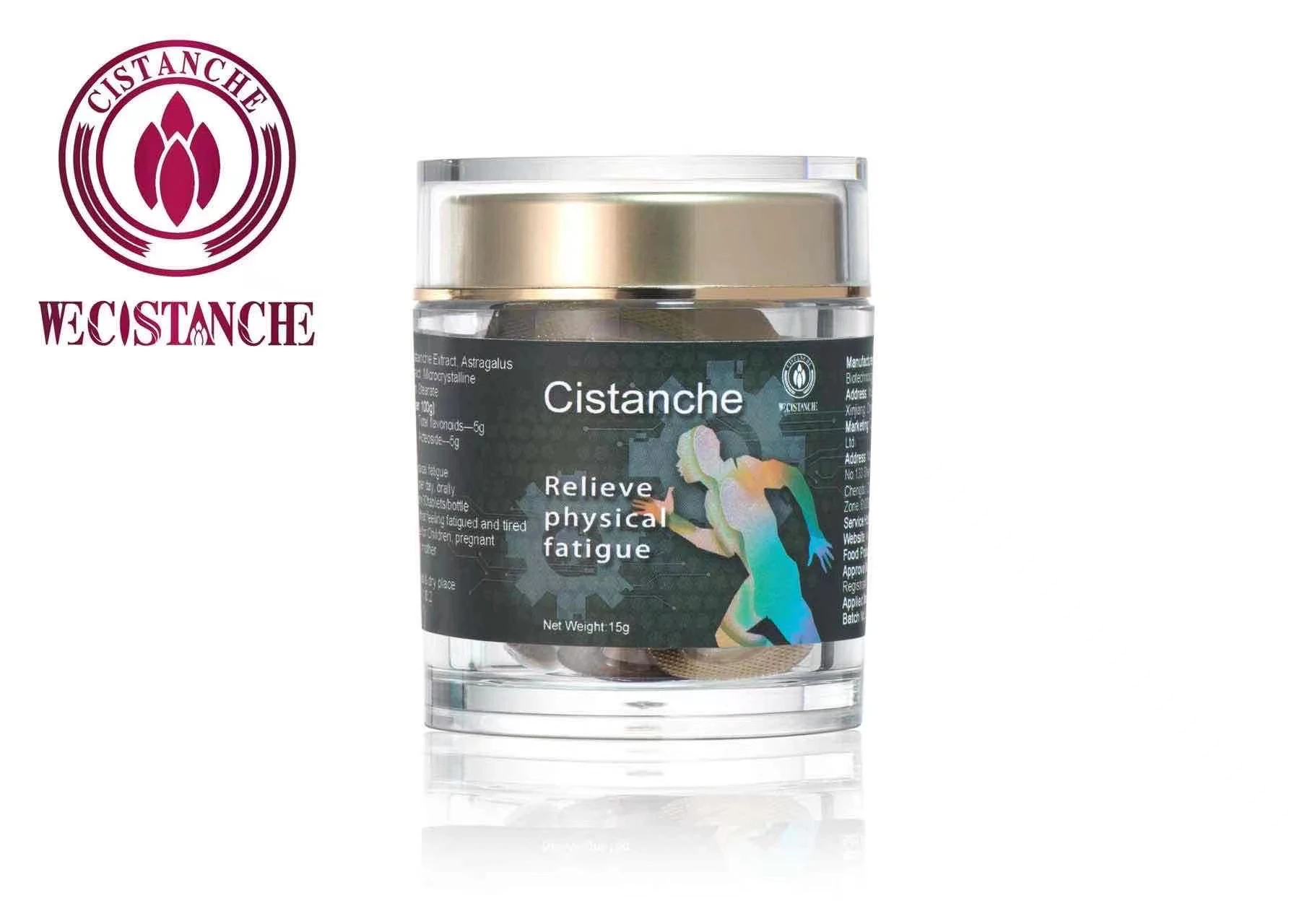
you can buy cistache from our website,more information on
Working memory is a critical cognitive ability that affects our daily functioning and relates to many cognitive processes and clinical conditions. Episodic memory is vital because it enables individuals to form and maintain their self-identities. Our study analyzes the cistache to which whole-brain functional connectivity observed during the completion of an N-back memory task, a common measure of working memory, can predict both working memory and episodic memory.
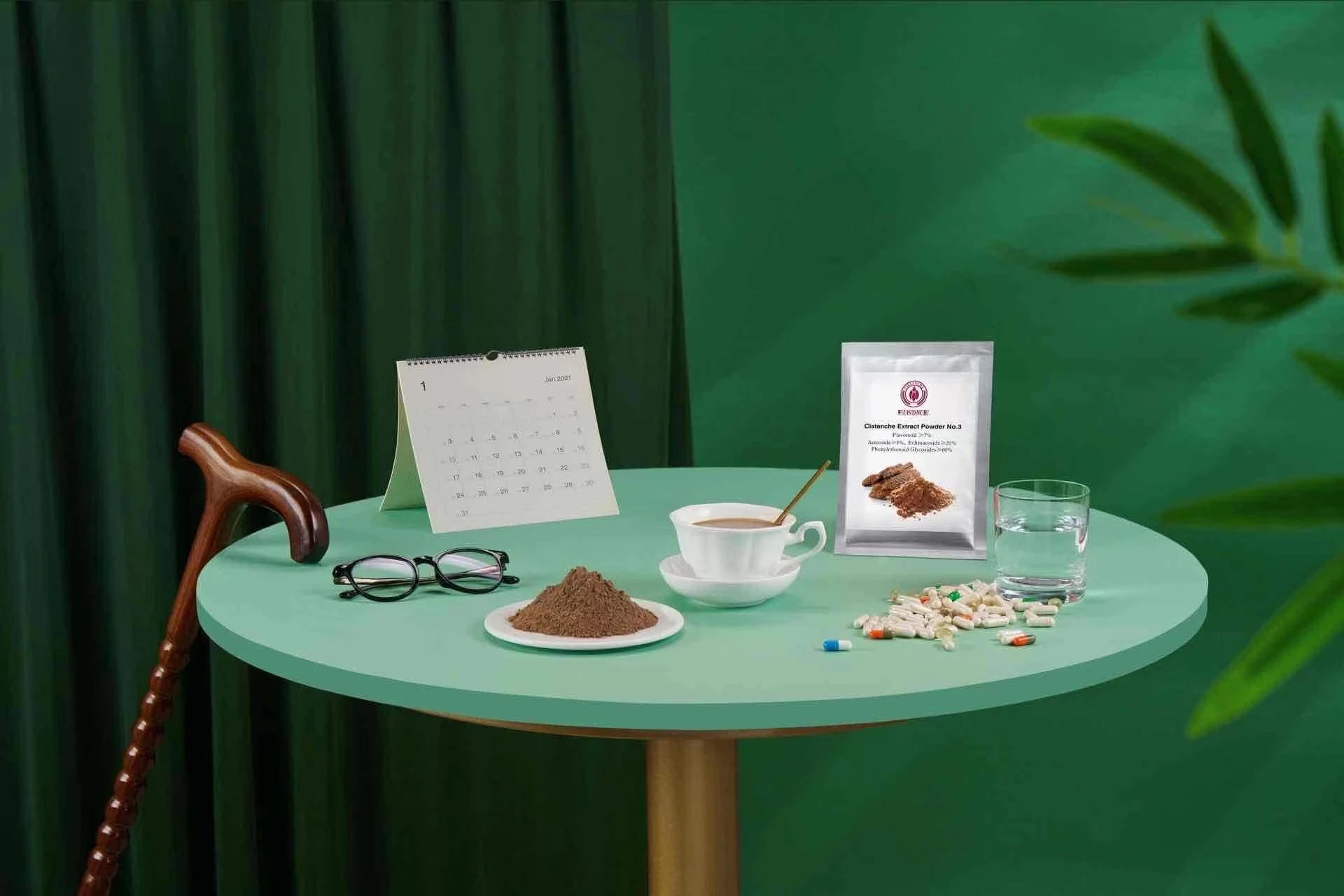
our products display
We used cistanche tubulosa memory to predict 502 Human Connectome Project (HCP) participants' in-scanner 2-back memory test scores and out-of-scanner working memory test (List Sorting) and episodic memory test (Picture Sequence and Penn Word) scores based on functional magnetic resonance imaging (fMRI) data collected both during rest and N-back task performance. We also analyzed the functional brain connections that contributed to the prediction for each of these models. Results: Functional connectivity observed during N-back task performance predicted out-of-scanner List Sorting scores and to a lesser extent out-of-scanner Picture Sequence scores, but did not predict out-of-scanner Penn Word scores.
Additionally, the functional connections predicting 2-back scores overlapped to a greater degree with those predicting List Sorting scores than with those predicting Picture Sequence or Penn Word scores. Functional connections with the insula, including connections between insular and parietal regions, predicted scores across the 2-back, List Sorting, and Picture Sequence tasks. cistanche effects has the following conclusions: Our findings validate functional connectivity observed during the task as a measure of working memory, which generalizes to predict episodic memory to a lesser extent. By building on our understanding of the predictive power of N-back task functional connectivity, this work enhances our knowledge of the relationships between working memory and episodic memory
cistanche powder health benefits working memory. Working memory is the ability to retain a limited quantity of information and put it to use in cognitive tasks (Cowan, 2014). Our daily functioning relies heavily on working memory and working memory capacity, a construct used to connote differences in individuals' working memory capabilities (Wilhelm et al., 2013). Working memory capacity is related to other cognitive abilities including problem solving (Wiley & Jarosz, 2012), reading comprehension (Daneman & Carpenter, 1980), reasoning (Kyllonen & Christal, 1990), controlled attention (Engle et al., 1999), and fluid intelligence (Colom et al., 2015). Furthermore, working memory capacity is impaired in a number of psychiatric and neurodevelopmental conditions, including schizophrenia (Gold et al., 2003, 2006), attention deficit disorder (Alderson et al., 2013), and reading disabilities (Gathercole et al., 2006).

our study on cistache improving memory
Episodic memory is a form of declarative memory that focuses on the ability to recall events tied to a specific place and time (Dikmen et al., 2014). This type of memory is critical because it helps individuals build and maintain their self-identities (Dikmen et al., 2014). To further our understanding of the relationships between working and episodic memory, our study seeks to determine the extent to which functional connectivity observed during the performance of an N-back working memory task reflects individual differences in both working memory and episodic memory. In neuroimaging research, the herbs cistanche extract powder is a common benefit of working memory (Jaeggi et al., 2010).
The N-back test, first introduced by Kirchner (1958), targets memory by requiring participants to recognize the item presented n items back. This test is popular because varying n is an easy way to manipulate working memory loads (Jaeggi et al., 2010) and because the test's administration and response requirements are not overly complex (Conway et al., 2003). Although the cistache is good for working memory, work has suggested that performance on this task does not reflect working memory capacity alone. Cistanche id for improving memory

cistache improve memory
For example, Kane et al. (2007) and Jaeggi et al. (2010) both found that performance on the N-back task is related to both working memory abilities and fluid intelligence.
Prior studies have found a relationship between working and episodic memory. Lugtmeijer et al. (2019) found a significant correlation (r = .504, p = .005) between the 2-back working memory test scores and the subsequent episodic memory test scores of 29 adults ages 20–29.
This finding suggests a relationship between the N-back test and episodic memory for young adults. Other research also has established relationships between individual differences in episodic memory and working memory.
Hertzog et al. (2003) found that for 303 adults ages 61–91, over 6 years, changes in episodic memory were significantly correlated with changes in working memory and that these shifts could best be explained by changes in induction and fact retrieval.