Which Teas Have Been Used As Medicinal Tea Since Ancient Times
Nov 11, 2022
The medicines used in tea therapy are called medicinal teas, also known as tea preparations. "Chinese Pharmacopoeia" began to include this dosage form from the 1995 edition, and the 2000 edition of "Chinese Pharmacopoeia" included a more detailed structure of tea preparations, indicating that tea preparations have been more and more valued by the pharmaceutical industry and welcomed by the masses. The preparation method, quality standard, detection method, and storage method of medicinal tea are introduced as follows.

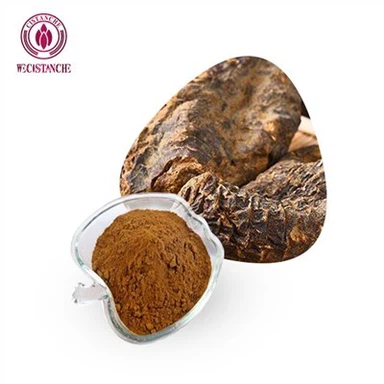
Click to cistanche phelypaea and Cistanche tea
(1) Preparation method
Tea preparations refer to preparations made of medicinal materials or extracts of medicinal materials containing tea leaves or without tea leaves, which are prepared by brewing, soaking, or decoction in boiling water. Tea and brewed tea.
1. Tea pieces are divided into unsweetened tea pieces and sugar-sweetened tea pieces. Sugar-free tea cubes refer to the coarse powder or fragments of medicinal materials, which are pressed into lumps with suitable binders, such as afternoon tea, that is, the tea leaves and medicines are separately crushed into a coarse powder, and the tea powder is evenly sprayed with warm water. Moist, make the tea soft, then mix the powder with the wet tea thoroughly, take another 250 grams of flour, heat it with an appropriate amount of water to make a thick paste, let it cool, mix it with the powder to form suitable granules, and make it with a mold or a tea press Small cubes weighing 9 grams, air to semi-dry, dry at 50°C ~ 60°C, and package.
2. Tea bagged refers to tea preparations that are packed into bags (bags) after tea leaves, coarse powder of medicinal materials, or some medicinal materials are absorbed and dried by extracting the medicinal materials. Packed into drinking tea bags, also known as tea bags. For example, the Sanshuku tea bag is composed of Sanya Ku, Mian Yin Chen, and Patchouli. The patchouli is crushed into a coarse powder, and the San A Ku and Mian Yin Chen are decocted with water to extract the concoction, and the concoction is evenly distributed. Spray on the coarse powder of medicinal materials and blot dry, dry at 50 ℃ ~ 60 ℃, divide into special filter paper bags, each bag containing 2 grams, and seal with plastic bags.
3. Decoction of tea refers to the preparation of tea preparations for decoction by packing the pieces, blocks, segments, silks, or coarse powders of medicinal materials into bags (bags). The production of tea preparations should comply with the following relevant regulations: ① The medicinal materials should be crushed into coarse powder or cut into pieces, blocks, segments, and silk, and mixed evenly. When spraying the medicinal material extract, it should be sprayed evenly. When adding suitable binders or sucrose and other excipients, the medicinal material extracts should be mixed evenly. ② Generally, it should be dried below 80℃. Those containing more volatile components should be dried below 60°C. Those that are not suitable for heating and drying should be dried in the shade or by other suitable methods. ③ Tea and tea bags should meet the requirements of relevant standards for drinking tea.
(2) Quality standards and testing methods
The content of medicinal tea is rarely measured, and its quality standards are mainly to detect moisture, solubility, differences in loading, and microbial limits. Moisture Unsweetened tea cubes: Take the test sample, grind it, and measure it according to the moisture determination method (Appendix IX H of Chinese Pharmacopoeia 2000 Edition). Unless otherwise specified, it shall not exceed 12.0%. Sugar-sweetened tea cubes: Take the test sample, grind it into particles with a diameter of about 3 mm, and measure it according to the moisture determination method (Appendix IX H of the 2000 edition of the Chinese Pharmacopoeia). Unless otherwise specified, it shall not exceed 3.0%. Tea in bags shall be determined according to the moisture determination method (Appendix IX H of the 2000 edition of the Chinese Pharmacopoeia).
Unless otherwise specified, it should not exceed 12.0%. Meltability Take 1 tea block containing sugar for testing, weigh it, add 20 times the amount of hot water, and stir for 5 minutes. It should be completely melted, and slight turbidity is allowed; there should be no foreign objects such as scorched chips; the effervescent sugar-containing tea cubes should immediately produce carbon dioxide gas in an effervescent state when contacted with water. Hardness Take 5 sugary tea blocks for testing and drop them flat on a pine board with a thickness of 2 cm from a height of 1 meter, and none of them should be broken (missing corners and missing edges are not considered to be broken).

Weight difference The weight difference limit of tea preparations should comply with the provisions of Table 1 or Table 2. The inspection method takes 10 pieces (bags, bags) of the test product, weighs the contents of each piece (bag, bag) respectively, and compares the weight of each piece (bag, bag) with the marked weight. Tea should meet the requirements of Table 1. The sugar-sweetened tea pieces shall not exceed the weight difference limit specified in Table 2 by more than 2 pieces, and shall not have 1 piece exceeding the limit twice. In addition to decocted tea, the microbial limit shall be checked according to the microbial limit inspection method (Appendix XIIIC of the 2000 edition of the Chinese Pharmacopoeia), and shall meet the requirements in Table 3.
(3) Preservation method of medicinal tea
During storage, medicinal tea is often due to its own physical and chemical properties (such as water content, the presence of enzymes, volatile, discoloration, etc.) and external factors (such as air, humidity, temperature, etc.), sunlight, microorganisms, etc.) can cause deterioration, affect the curative effect, delay the disease, and even endanger life safety, so attention should be paid to the preservation method of medicinal tea.
1. Common deterioration phenomena and causes (1) Agglomeration: The medicinal tea is coagulated into a block or lump from the original bulk. The reasons for this are not only the high water content itself or the drug containing resin, oil, etc., but also during storage. Mainly due to poor sealing, moisture absorption, and heat. (2) Mildew: There are nutritious traditional Chinese medicines in some medicinal tea recipes, which are more suitable for bacterial reproduction and growth. (3) Insect-eaten: Some medicinal teas contain a lot of starchy Chinese medicines, which can easily cause moth-eaten when damp in storage. After the worm-eaten, a cavity is formed, and the excrement of the worm is produced. (4) Discoloration: Some medicinal teas change color during storage due to elevated temperature or sunlight exposure. The discoloration of medicinal teas indicates that their internal components have changed. (5) Smell: Some medicinal teas have their own inherent tea aroma or medicinal aroma. During the storage process, due to poor packaging or high temperature, the aroma is lost and the inherent odor is lost. (6) Oil removal: the medicinal materials containing oils, sugars, and mucus in medicinal tea spill out on the surface of medicinal materials, and even penetrate and soak the wrapping paper bag or bubble bag of medicinal tea. The loss of oil also indicates that the medicinal tea has deteriorated. The reason for the loss of oil from medicinal tea is the influence of temperature and humidity and the effect of external mechanical force. Such as gravity extrusion during storage and transportation.

2. Storage method There are many external factors that cause the deterioration of medicinal tea. To sum up, there are main factors such as air, light, temperature, humidity, microorganisms, and pests. Therefore, in order to ensure the quality of medicinal tea during the storage period, airtight, dark, low-temperature, moisture-proof, and insect-proof measures should be adopted during the preparation and storage of medicinal tea. and other measures. The specific storage methods are as follows: (1) Airtight storage: Bulk medicinal tea and tea bags should be packaged in plastic bags with good airtight performance, and then stored in iron cans with good airtight performance, isolated from the outside as much as possible to prevent air and moisture. , light, microorganisms, and pests. (2) Moisture-proof preservation: First, the moisture content of medicinal tea should be controlled to not exceed the safe moisture content standard of 8% during preparation, and secondly, a moisture-absorbing agent such as silica gel, quicklime, etc. should be added in a sealed package such as an iron can. It is best to place a dehumidifier in the warehouse to avoid the impact of humidity on the quality of medicinal tea. (3) Low-temperature storage: During the storage process of medicinal tea, high temperatures should be avoided as much as possible, especially in hot summer and high-temperature season, the temperature of the warehouse should be controlled, the warehouse should have reasonable ventilation windows, and ventilation fans or air conditioners should be installed. Cool down to prevent the effect of high temperature on the quality of medicinal tea. (4) Protect from light: Medicinal tea should be stored in a cool place and avoid direct sunlight. In order to avoid accelerating the discoloration of the medicinal tea and the decomposition of its organic components, even medicinal tea that is damp and insect mildew should not be exposed to the sun for a long time, it should be stopped in moderation. It is best to install dark curtains in the warehouse where medicinal tea is stored. (5) Do a good job of preventing insects and mildew: first, do a good job in the hygiene of packaging utensils and warehouses, reduce pollution sources, and disinfect warehouses and containers with chemicals on a regular basis. If there is mildew, it should be taken out of the warehouse for treatment immediately, and the storage place should be cleaned and disinfected to ensure that it does not contaminate (infect) other medicinal teas.

Cistanche tea
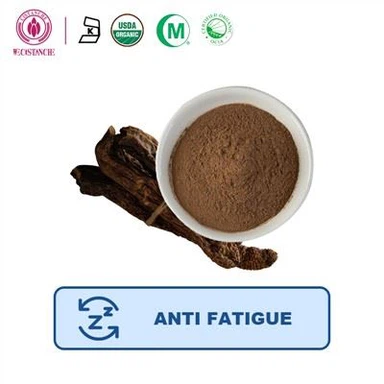
Cistanche tea can invigorate kidney yang, replenish essence and blood, inhibit the appearance of "Yang deficiency" symptoms, and prevent weight loss. Cistanche tea can effectively prevent and treat diseases such as kidney deficiency and impotence in men, nocturnal emission, premature ejaculation, irregular menstruation, amenorrhea, and infertility in women. Citrus cinnamon has the reputation of "desert ginseng", and it is the highest-grade medicine among more than 60 kinds of tonic Chinese medicines found in China. It contains a lot of amino acids, cysteine, vitamins, and minerals. , cavernous body and other sexual organs have a great tonic effect, the impotence, premature ejaculation is even more immediate, fulfilled like a god. Cistanche tea can be used for kidney deficiency, impotence, nocturnal emission, premature ejaculation, cold pain in the waist and knees, and weak muscles and bones. For the treatment of impotence due to kidney deficiency, nocturnal emission, premature ejaculation, etc., it is combined with Rehmannia glutinosa, dodder seeds, and dogwood meat. It is suitable for men with declining sexual function; women with irregular menstruation, infertility, numbness in limbs, waist and knee pain; elderly people with a weak constitution, hypertension patients, and constipation.
for more information:ali.ma@wecistanche.com