Why Are Patients With Cardiovascular And Cerebrovascular Diseases More Prone To Constipation?
Nov 28, 2023
Constipation is one of the most common accompanying symptoms in patients with cardiovascular and cerebrovascular diseases such as hypertension. Constipation not only causes physical and mental pain to patients, but can also cause or aggravate complications such as heart failure, arrhythmia, angina pectoris, and sudden death. It is not uncommon for patients with cardiovascular and cerebrovascular diseases such as hypertension to die due to constipation leading to sudden stroke or Constipation is one of the most common accompanying symptoms in patients with cardiovascular and cerebrovascular diseases such as hypertension. Constipation not only causes physical and mental pain to patients, but can also cause or aggravate complications such as heart failure, arrhythmia, angina pectoris, and sudden death. It is not uncommon for patients with cardiovascular and cerebrovascular diseases such as hypertension to die due to constipation leading to sudden stroke or myocardial infarction.

The main reason is that the abdominal pressure suddenly increases when patients strain to defecate, resulting in a sharp increase in blood pressure. In addition, most people's habit of defecation is after getting up in the early morning. At this time, many hypertensive patients are in the "morning peak of hypertension" stage, which makes things worse, causing blood pressure to further increase. The sharp increase in intra-abdominal pressure and blood pressure will affect the cerebral arteries and blood pressure. Coronary arteries cause cardiovascular and cerebrovascular diseases; therefore, patients with cardiovascular and cerebrovascular diseases such as hypertension and constipation often suffer accidents such as cerebral hemorrhage and myocardial infarction during early morning defecation.
Facts have proven that constipation is a very common comorbid symptom in patients with cardiovascular and cerebrovascular diseases such as hypertension and coronary heart disease. It is also a major risk factor for accidents in patients with cardiovascular and cerebrovascular diseases. However, we often only pay attention to changes in blood pressure and diseases and do not pay attention to the changes in blood pressure and diseases. Constipation is not given enough attention.
1. Definition of chronic constipation
Spontaneous defecation less than 3 times per week, often accompanied by dry and hard stools, difficulty in defecation, a sense of blockage in the anorectum and incomplete defecation during defecation, or the need for assisted defecation, lasting at least 6 months; the main causes of chronic constipation are: :
1. Chronic functional constipation
Chronic functional constipation refers to primary persistent constipation that is not caused by systemic diseases or intestinal diseases. It is also called habitual constipation or simple constipation. It is mainly caused by intestinal dysfunction, obstruction of stool, or hard stool, It is difficult to defecate due to the urge to defecate, or the interval between defecation is prolonged, and defecation occurs more than once every 2 to 3 days. For a small number of people who are accustomed to defecation once every 2 to 3 days without difficulty in defecation, it cannot be called constipation. According to the anorectal function and colon dynamics characteristics, it can be divided into the following 4 categories: slow transit constipation, outlet obstruction constipation, mixed constipation, and normal transit constipation.
2. Chronic constipation caused by organic diseases
Intestinal organic diseases: such as intestinal nerve and muscle diseases, Hirschsprung disease; intestinal inflammatory diseases, such as Crohn's disease, intestinal tuberculosis, and ulcerative colitis; intestinal tumors, such as colorectal cancer;
Extraintestinal diseases: such as prostate cancer, and uterine fibroids;
Nervous system diseases: stroke and its sequelae, spinal cord injury, Parkinson's disease, myasthenia gravis, electrolyte disorders, amyloidosis
Endocrine and metabolic diseases: such as hypothyroidism, hyperthyroidism, diabetes, and rheumatic immune diseases;
Cardiovascular and cerebrovascular diseases: hypertension, coronary heart disease, stroke, etc.

3. Drug-related constipation: Constipation caused by the use of various drugs: including antibacterial drugs, calcium antagonists, bismuth agents, antihistamines, diuretics, opiate and morphine analgesics, psychotropic and anticholinergic drugs Constipation caused by medicine, etc.
2. The impact of constipation on cardiovascular and cerebrovascular diseases
Relevant studies show that in my country, the incidence of chronic constipation in adults is between 4% and 6%, and the incidence gradually increases with age. The incidence of constipation in the elderly over 60 years old can reach 22%, and in women, The incidence is higher than in men. Constipation not only affects the quality of life but also plays an important role in the occurrence of acute myocardial infarction, cerebrovascular accidents, and other diseases. Excessive force to defecate may lead to aggravation of the condition or even death.
1. Constipation can lead to poor blood pressure control
Many factors can cause constipation, but constipation can also make it difficult to control blood pressure and cause unstable blood pressure due to the pain during defecation and the bad emotions it causes;
2. Constipation can induce cerebral hemorrhage
When patients with constipation exert excessive force to defecate, their blood pressure will rise sharply. When the pressure exceeds the capacity of the blood vessel wall, it will cause blood vessels to rupture and cause cerebral hemorrhage.
3. Constipation can induce acute myocardial infarction
Excessive straining to defecate during constipation can lead to an increase in myocardial oxygen consumption, resulting in insufficient blood supply to the myocardium and cerebral blood vessels; excessive straining to defecate can lead to an excessive increase in abdominal pressure, excessive increase in blood return to the heart in a short period, and damage to the heart (anterior). ) increases the load; at the same time, it reduces vital capacity and oxygen intake, thereby inducing severe myocardial ischemia, hypoxia, and insufficient cerebral blood supply, leading to acute myocardial infarction or acute cerebrovascular accident.
4. Constipation can lead to a variety of cardiovascular and cerebrovascular diseases
Relevant studies show that constipation is a risk factor for various cardiovascular and cerebrovascular diseases. Chronic constipation can induce elevated blood pressure, transient cerebral ischemia, angina pectoris, coronary heart disease, stroke, myocardial infarction, and various cardiovascular diseases. It can also induce many cardiovascular diseases. Acute attacks or exacerbations of cardiovascular and cerebrovascular diseases, including tachyarrhythmias or malignant arrhythmias, angina pectoris, AMI, acute left heart failure, pulmonary edema, deterioration of cardiac function, shock, hypertensive crisis, and sudden death, etc. Relevant studies show that if women experience severe constipation, their incidence of cardiovascular and cerebrovascular diseases will increase by 23%; 30% to 60% of stroke patients have constipation. The incidence of cardiovascular and cerebrovascular diseases in people without constipation is much lower;
3. Why are patients with cardiovascular disease more prone to constipation?

1. The impact of cardiovascular disease on gastrointestinal function
Patients with cardiovascular disease often have the habit of less exercise before the disease, but they are not suitable for a lot of exercise afterward. At the same time, they are affected by emotions such as anxiety, which can easily lead to weakened gastrointestinal function and difficulty in defecation; on the other hand, cardiovascular disease Vascular diseases can cause ischemia or congestion in the gastrointestinal tract of patients, resulting in weakened gastrointestinal function, affecting the patient's appetite, leading to loss of appetite, and further causing constipation due to eating too little fiber;
2. Some commonly used cardiovascular drugs can cause constipation
Cardiovascular patients may suffer from constipation due to long-term use of diuretics: on the one hand, diuretics can cause hypokalemia and cause decreased intestinal peristalsis, causing constipation; on the other hand, the diuretic effect of diuretics can dehydrate tissues, causing large intestine Reduced internal water content and dryness in the intestines can cause or aggravate constipation; calcium ion antagonists can inhibit intestinal smooth muscle, relax the intestinal wall, weaken intestinal peristalsis, and slow down colon movement, thereby causing or aggravating constipation; taking β-receptor blockers For patients taking the drug, 2% to 10% of patients may experience gastrointestinal adverse reactions, including constipation;
That is to say: Patients with cardiovascular and cerebrovascular diseases often suffer from constipation due to factors such as reduced exercise due to long-term bed rest, mental anxiety, depression and other negative emotions, reduced diet, taking certain drugs, weakened gastrointestinal motility, etc.
Natural Herbal Medicine For Relieving Constipation-Cistanche
Cistanche is a genus of parasitic plants that belongs to the family Orobanchaceae. These plants are known for their medicinal properties and have been used in Traditional Chinese Medicine (TCM) for centuries. Cistanche species are predominantly found in arid and desert regions of China, Mongolia, and other parts of Central Asia. Cistanche plants are characterized by their fleshy, yellowish stems and are highly valued for their potential health benefits. In TCM, Cistanche is believed to have tonic properties and is commonly used to nourish the kidney, enhance vitality, and support sexual function. It is also used to address issues related to aging, fatigue, and overall well-being. While Cistanche has a long history of use in traditional medicine, scientific research on its efficacy and safety is ongoing and limited. However, it is known to contain various bioactive compounds such as phenylethanoid glycosides, iridoids, lignans, and polysaccharides, which may contribute to its medicinal effects.

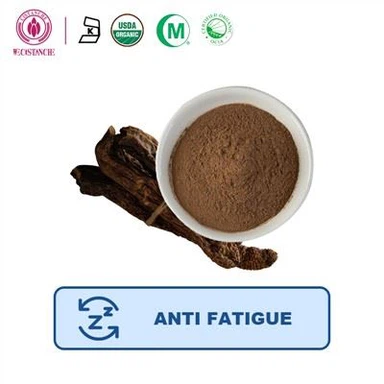
Wecistanche's cistanche powder, cistanche tablets, cistanche capsules, and other products are developed using desert cistanche as raw materials, all of which have a good effect on relieving constipation. The specific mechanism is as follows: Cistanche is believed to have potential benefits for relieving constipation based on its traditional use and certain compounds it contains. While scientific research specifically on Cistanche's effect on constipation is limited, it is thought to have multiple mechanisms that may contribute to its potential to relieve constipation. Laxative Effect: Cistanche has long been used in Traditional Chinese Medicine as a remedy for constipation. It is believed to have a mild laxative effect, which can help promote bowel movements and induce constipation. This effect may be attributed to various compounds in Cistanche, such as phenylethanoid glycosides and polysaccharides. Moistening the Intestines: Based on traditional use, Cistanche is considered to have moisturizing properties, specifically targeting the Intestines. Promoting hydration and lubrication of the Intestines may help soften tools and facilitate easier passage, thereby relieving constipation. Anti-inflammatory Effect: Constipation can sometimes be associated with inflammation in the digestive tract. Cistanche contains certain compounds, including phenylethanoid glycosides and lignans, that are believed to have anti-inflammatory properties. By reducing inflammation in the intestines, it may help improve bowel movement regularity and relieve constipation.