Boosting Endurance And Speeding Recovery: How Cistanche Tubulosa Supports Athletic Performance
Aug 14, 2026
Endurance athletes live on the edge of physiological capacity. Marathon runners log 80-mile weeks. Cyclists spend hours in the saddle at threshold intensity. Triathletes string together swim, bike, and run sessions that deplete glycogen stores and stress every system in the body. The difference between a personal best and a bonk often comes down to mitochondrial efficiency, oxidative resilience, and the speed at which the body repairs itself between sessions. While carbohydrates, electrolytes, and caffeine dominate the sports nutrition landscape, an ancient desert adaptogen-Cistanche tubulosa-is emerging as a strategic tool for endurance athletes. Its active ingredients echinacoside and acteoside target the very foundations of athletic performance: mitochondrial biogenesis, antioxidant defense, inflammation resolution, and hormonal balance.

The Physiology of Endurance and Recovery
Endurance performance is determined by the body's ability to generate ATP aerobically for extended periods. This capacity is directly proportional to mitochondrial density and function in skeletal muscle. Well-trained endurance athletes possess a vastly expanded mitochondrial network, enabling them to oxidize fatty acids and carbohydrates efficiently at high intensities. At the same time, the high metabolic rate of endurance exercise generates an enormous flux of reactive oxygen species. While moderate ROS act as signaling molecules that stimulate training adaptations, excessive ROS-when training volume outpaces recovery-damage mitochondrial membranes, impair ATP production, and trigger inflammation that delays muscle repair.
The stress hormone cortisol also plays a pivotal role. Intense and prolonged training activates the HPA axis, elevating cortisol. While cortisol is essential for mobilizing energy, chronically elevated cortisol suppresses testosterone production, promotes muscle catabolism, and impairs immune function-a constellation known as overtraining syndrome. Overtrained athletes experience persistent fatigue, declining performance, increased susceptibility to infections, and loss of motivation.
An ideal endurance support agent would therefore enhance mitochondrial biogenesis to expand the aerobic engine, protect mitochondria from exercise-induced oxidative damage, reduce post-exercise inflammation to accelerate recovery, and modulate the HPA axis to prevent the cortisol-testosterone imbalance that leads to overtraining. Cistanche tubulosa's phenylethanoid glycosides are demonstrating activity at each of these levels.
How Cistanche Tubulosa Enhances Endurance and Recovery
1. Activating AMPK and PGC-1α for Mitochondrial Biogenesis
Echinacoside activates AMPK, the cell's master energy sensor. When AMPK detects a decline in the ATP-to-AMP ratio-as occurs during prolonged exercise-it phosphorylates PGC-1α, the master regulator of mitochondrial biogenesis. PGC-1α then co-activates transcription factors that drive the expression of nuclear-encoded mitochondrial genes and the replication of mitochondrial DNA. The result is an increase in mitochondrial number and density within muscle fibers, expanding the body's aerobic capacity.
This mechanism is synergistic with endurance training itself, which also activates AMPK and PGC-1α. By providing a botanical amplifier of this pathway, Cistanche may enhance the mitochondrial adaptations to training, allowing athletes to derive greater benefit from each training session. The human pilot study published in Nutrients supports this: 12 weeks of Cistanche supplementation significantly improved physical performance and reduced fatigue scores in healthy adults, consistent with enhanced mitochondrial function.

2. Protecting Mitochondria from Exercise-Induced Oxidative Damage
Intense endurance exercise generates an oxidative burst that can overwhelm the muscle's intrinsic antioxidant defenses. Mitochondrial membranes, rich in polyunsaturated fatty acids, are particularly vulnerable to lipid peroxidation. When mitochondrial membranes are damaged, electron transport efficiency declines, and ATP production drops-directly impairing endurance performance.
Echinacoside, through Nrf2 activation, upregulates the muscle's own antioxidant enzyme systems: superoxide dismutase, glutathione peroxidase, and heme oxygenase-1. These enzymes neutralize the ROS generated during prolonged exercise before they can damage mitochondrial membranes. Acteoside provides additional direct radical scavenging, further protecting the delicate structures of the electron transport chain. The net effect is preserved mitochondrial function even under high oxidative load, translating to sustained ATP production deep into a race or training session.
3. Suppressing Post-Exercise Inflammation for Faster Recovery
Post-exercise inflammation is necessary for adaptation, but excessive inflammation delays recovery and impairs subsequent training quality. Acteoside, through its potent NF-κB inhibition, suppresses the overproduction of TNF-α, IL-6, and other pro-inflammatory cytokines following intense exercise. This helps resolve the inflammatory response more quickly, allowing muscle repair and glycogen replenishment to proceed without the lingering soreness that can compromise the next workout. Preclinical studies show that Cistanche phenylethanoid glycosides reduce circulating levels of creatine kinase and lactate dehydrogenase after exhaustive exercise, indicating less muscle membrane damage and faster structural recovery.
4. Modulating the HPA Axis to Prevent Overtraining
Chronic high-volume training elevates cortisol, which suppresses testosterone, impairs muscle repair, and compromises immune function. Cistanche's adaptogenic properties help normalize HPA axis function, preventing the cortisol excess that characterizes overtraining. By reducing stress-induced cortisol spikes, it helps maintain the anabolic-catabolic balance in favor of recovery. Simultaneously, acteoside supports endogenous testosterone production through StAR protein upregulation in Leydig cells, providing a hormonal environment conducive to muscle preservation and performance.
5. Supporting Glycogen Replenishment and Metabolic Flexibility
Endurance performance depends on the efficient use of both carbohydrate and fat fuels. Echinacoside's AMPK activation enhances fatty acid oxidation, sparing glycogen during prolonged exercise. Improved insulin sensitivity-also mediated by AMPK-facilitates post-exercise glycogen replenishment, ensuring that muscles are refueled for the next session. This metabolic flexibility is the hallmark of a well-trained endurance athlete, and Cistanche supports it at the molecular level.
A comprehensive 2022 review in Frontiers in Pharmacology catalogs the mitochondrial protective, anti-fatigue, anti-inflammatory, and hormone-supporting properties of Cistanche tubulosa, confirming its multi-targeted utility for athletic performance and recovery. (Frontiers in Pharmacology review on Cistanche tubulosa)
The Active Ingredients for Athletic Performance
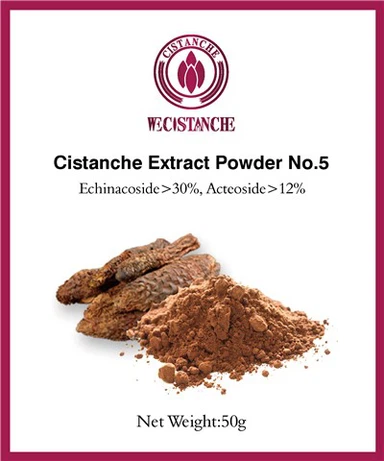
The endurance-enhancing effects are driven by echinacoside and acteoside. Echinacoside is the primary AMPK activator, Nrf2 stimulator, and mitochondrial protector. Acteoside is the primary NF-κB inhibitor and direct antioxidant. A standardized extract containing 20–40% total phenylethanoid glycosides is essential. The evidence-informed dose for athletic support is 400–600 mg daily.
Practical Application for Athletes
For endurance athletes, Cistanche can be taken daily as a foundational supplement, ideally with breakfast or a pre-training meal. Timing is flexible, as the effects are cumulative rather than acute. During heavy training blocks or competition periods, consistent daily use is more important than timing relative to individual workouts. Cistanche pairs well with other evidence-based sports nutrition staples: carbohydrate-electrolyte drinks for fueling, protein for muscle repair, creatine for power, and omega-3 fatty acids for inflammation resolution. It is not a stimulant and does not cause jitters or sleep disruption, making it suitable for use even during evening training sessions.
Unlike anabolic agents, Cistanche does not cause hormonal suppression, testicular atrophy, or cardiovascular strain. It works with the body's own physiology, supporting the systems that underpin endurance and recovery. For the athlete seeking a clean, scientifically grounded edge, Cistanche tubulosa offers a unique blend of mitochondrial support, antioxidant protection, and hormonal balance.
Our EnduroBoost Cistanche Extract is sourced from authentic Cistanche tubulosa and standardized for a high concentration of echinacoside and acteoside. Each batch is third-party tested for purity and potency, because athletes must trust what they put into their bodies.

Safety and Medical Context
Cistanche tubulosa is well tolerated and safe for long-term daily use. It does not cause positive doping tests or contain banned substances. However, endurance athletes should be aware of the potential for underlying medical conditions-iron deficiency, thyroid dysfunction, or cardiac abnormalities-that can mimic overtraining. Persistent fatigue, declining performance, or unusual symptoms warrant medical evaluation. This botanical is a supportive tool for performance and recovery, not a substitute for adequate training, nutrition, and rest.