From Capsules To Cosmetics: The Versatile Applications Of Cistanche Tubulosa Extract in Modern Product Development
Aug 28, 2026
Cistanche tubulosa is no longer confined to the pages of ancient materia medica. Today, its standardized extract-rich in echinacoside and acteoside-is finding its way into an extraordinarily diverse range of products: dietary supplement capsules, functional beverages, beauty drinks, topical cosmeceuticals, and even animal feed. This versatility stems from the extract's unique phytochemical profile: water-soluble phenylethanoid glycosides with potent antioxidant, anti-inflammatory, and enzyme-modulating activities, alongside prebiotic polysaccharides that support gut health. For product developers seeking a science-backed, multi-functional botanical ingredient, Cistanche tubulosa offers a rare combination of traditional credibility and modern pharmacological validation. This article explores the practical applications of Cistanche extract across different product categories, the formulation considerations for each, and how to select the right specification for your target market.

Understanding the Raw Material: Extract Specifications That Matter
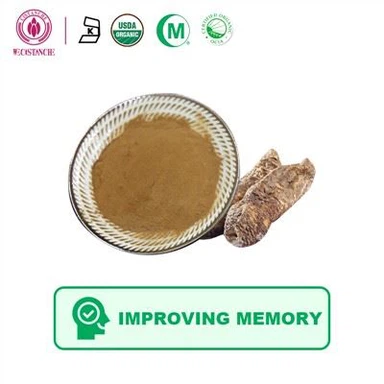
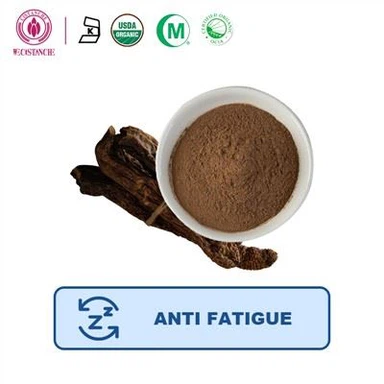
Before designing a product, it is essential to understand what constitutes a high-quality Cistanche tubulosa extract. The two primary active ingredients-echinacoside and acteoside (verbascoside)-are the compounds responsible for most of the extract's pharmacological effects. Echinacoside is the more abundant marker compound, typically constituting 10–20% of a standardized extract, and it drives Nrf2 activation and neuroprotection. Acteoside typically constitutes 3–10% and is the more potent NF-κB inhibitor and enzyme modulator. Together, these two phenylethanoid glycosides should account for 20–40% of the total extract by weight. Products that do not disclose these percentages are almost certainly unstandardized raw powder with limited therapeutic value.
The polysaccharide fraction is equally important for certain applications, particularly gut health, immune modulation, and bowel regularity. These water-soluble carbohydrates act as prebiotics, nourishing beneficial bacteria and supporting the intestinal barrier. A high-quality full-spectrum extract should retain both the phenylethanoid glycosides and the polysaccharides. The extraction method matters: low-temperature aqueous extraction preserves the delicate polysaccharide chains, while harsh solvent extraction may strip them away.
For product developers, the choice of specification should align with the intended health claim and target population. A high-echinacoside extract (e.g., 20% echinacoside) is ideal for cognitive, neuroprotective, and anti-aging applications. A balanced extract with strong acteoside content is preferable for anti-inflammatory, skin-whitening, and immune-balancing products. A full-spectrum extract retaining polysaccharides is best for gut health and digestive regularity.
Application 1: Dietary Supplement Capsules and Tablets
Capsules remain the most straightforward and popular format for Cistanche tubulosa. A standardized extract powder with 20–40% total phenylethanoid glycosides can be filled directly into vegetarian or gelatin capsules. The typical daily serving of 400–600 mg of extract translates to one or two capsules, making it convenient for consumers.
For capsule formulation, the extract's water solubility is not a limiting factor, as the powder is simply encapsulated. Flowability and bulk density should be optimized with suitable excipients if high-speed encapsulation is used. The extract is hygroscopic, so desiccants and moisture-barrier packaging are recommended to prevent clumping.
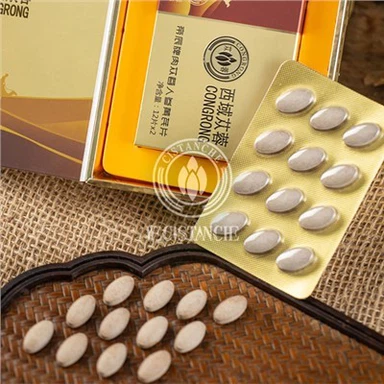
Tablet formulation requires more attention. The extract can be granulated with binders and compressed, but the hygroscopicity and the presence of polysaccharides may affect tablet hardness and disintegration. Film coating is advisable to protect the extract from moisture and to mask the mild, earthy taste.
Capsule and tablet products are best positioned for general wellness, anti-fatigue, cognitive support, immune modulation, bone health, and sexual function-categories where consumers expect daily, long-term supplementation. Clear labeling of echinacoside and acteoside content, backed by third-party certificates of analysis, is essential for building trust with educated consumers. Browse our product list and specification to see examples of how standardized Cistanche extracts are presented to the market.
Application 2: Functional Beverages and Beauty Drinks
Cistanche extract's water solubility makes it a natural fit for functional beverages. It can be dissolved into ready-to-drink formulations, powdered drink mixes, and effervescent tablets. The extract has a mild, slightly earthy, subtly sweet taste that is easily masked with citrus, berry, or botanical flavor systems. For beauty and skin-whitening drinks, Cistanche pairs well with hydrolyzed collagen peptides, hyaluronic acid, vitamin C, and fruit polyphenols.
In beverage applications, heat stability is a key consideration. Phenylethanoid glycosides are stable up to approximately 60–80°C for short periods, but prolonged high-temperature processing should be avoided. Hot-fill processes above 80°C may degrade the actives; cold-fill or aseptic processing is preferable. For powdered drink mixes, spray drying of the extract onto a carrier may improve dispersibility. The final beverage pH should be maintained between 4.0 and 6.5 to ensure stability.
Functional beverages offer a delivery format that appeals to younger consumers and those who prefer not to swallow capsules. Anti-fatigue energy drinks, cognitive clarity shots, sleep-support beverages, and beauty tonics are all viable applications. The adaptogenic positioning of Cistanche-supporting the body's stress response without stimulation-differentiates it from caffeine-centric energy products.
Application 3: Cosmeceutical Creams, Serums, and Masks
While acteoside is the primary active for skin-whitening and anti-inflammatory cosmeceutical applications, echinacoside contributes antioxidant and collagen-protective benefits. Together, they make Cistanche extract a compelling ingredient for serums, essences, creams, and sheet masks targeting uneven skin tone, dullness, and photoaging.
For topical formulations, the extract is typically incorporated into the aqueous phase at concentrations of 0.5–3%. The phenylethanoid glycosides are water-soluble and compatible with most gel and emulsion systems. Formulators should include a chelating agent such as EDTA or phytic acid and an antioxidant such as tocopherol or ascorbic acid to protect the actives from oxidation. The formulation pH should be maintained between 5.0 and 6.5. Dark or opaque packaging is recommended to protect light-sensitive compounds.
Cistanche extract is particularly valuable in products targeting Asian skin types, where hyperpigmentation and post-inflammatory marks are common concerns. Unlike hydroquinone, it does not cause photosensitivity or paradoxical pigmentation. Its anti-glycation activity adds a dimension beyond typical whitening agents, addressing the sallowness and dullness that characterize glycated skin. For brands seeking a natural, multi-targeted brightening active, Cistanche tubulosa offers a compelling story rooted in two thousand years of traditional use.
Application 4: Functional Foods and Nutricosmetics
Beyond beverages, Cistanche extract can be incorporated into a variety of functional food formats: gummies, chocolate, protein bars, and powdered meal replacements. In gummy formulations, the extract should be added late in the manufacturing process to minimize heat exposure. The polysaccharide content may interact with gelling agents, so formulation testing is required.
Nutricosmetics-oral beauty supplements-represent a growing category where Cistanche's systemic effects are particularly advantageous. Unlike topical products, oral Cistanche delivers acteoside and echinacoside through the dermal microvasculature, reaching the basal layer where melanocytes reside. This systemic delivery is more comprehensive than topical application and addresses the oxidative, inflammatory, and glycative triggers of skin aging from within.
Application 5: Animal Feed and Veterinary Supplements
As discussed in our dedicated article on feed applications, Cistanche tubulosa is emerging as a phytogenic feed additive for livestock, poultry, and aquaculture. The same compounds that support human health-echinacoside's Nrf2 activation, acteoside's NF-κB inhibition, and the polysaccharides' prebiotic effects-translate to improved animal health, growth performance, and immune function. In feed formulations, the extract is typically included at 50–200 mg per kilogram of feed. Heat stability for pelleting, rumen-protection for ruminants, and water stability for aquaculture feeds are key technical considerations.
Application 6: Cosmetic and Nutraceutical Combination Products
The most innovative products combine topical and oral approaches. A beauty regimen that pairs an oral Cistanche supplement with a topical Cistanche serum addresses skin aging from both inside and outside. This dual approach leverages acteoside's melanogenesis inhibition and anti-inflammatory effects topically while delivering systemic antioxidant protection orally. For brands seeking to differentiate in the saturated beauty market, this integrated strategy is compelling.
Selecting the Right Specification for Your Product
The choice of extract specification should align with your product category, target claim, and regulatory environment. For cognitive and neuroprotective supplements, a high-echinacoside extract (15–20% echinacoside) is optimal. For anti-inflammatory and whitening cosmetics, a balanced extract with strong acteoside content (5–10%) is preferred. For gut health and digestive products, a full-spectrum extract retaining polysaccharides is essential. For animal feed, a cost-effective extract with moderate standardization (10–20% total phenylethanoid glycosides) may be sufficient.
Regardless of application, third-party testing is non-negotiable. A certificate of analysis should confirm the phenylethanoid glycoside, echinacoside, and acteoside content, and demonstrate the absence of heavy metals, pesticides, and microbial contaminants. Reputable suppliers provide batch-specific CoAs and are transparent about their sourcing and extraction processes.

Safety and Regulatory Considerations
Cistanche tubulosa has a two-thousand-year history of safe use and is classified as a "superior herb" in traditional pharmacopoeias. It is well tolerated in dietary supplement doses of 400–600 mg daily. In topical applications, it is non-irritating and non-sensitizing. In animal feed, it does not contribute to antimicrobial resistance and leaves no harmful residues in meat, milk, or eggs. However, regulatory status varies by jurisdiction. In China, Cistanche is listed in the official pharmacopoeia and approved for use in both health foods and cosmetics. In the European Union and United States, it is used as a dietary supplement ingredient and cosmetic ingredient, subject to local compliance requirements. Product developers should verify the regulatory status in their target markets before commercial launch.
Conclusion
Cistanche tubulosa extract is a remarkably versatile botanical ingredient. Its water-soluble active compounds-echinacoside and acteoside-deliver potent antioxidant, anti-inflammatory, and enzyme-modulating benefits across a wide range of product formats. From capsules and beverages to serums and animal feed, this desert root bridges ancient wisdom and modern science, offering product developers a differentiated, evidence-based ingredient with a compelling story. Explore our Cistanche tubulosa extract product line to discover the specifications that match your product vision, and join the next generation of botanical innovation.