Thinking On Plant-Derived Extracellular Vesicle–Like Particles (PD‑EVLPs) For TCM Formulation Development And Applications
Aug 27, 2026
For botanical extract developers who want reliable, authentic, and science-aligned Traditional Chinese Medicine (TCM) products - with Cistanche (Rou Cong Rong) as a practical example.
Abstract
Traditional TCM dosage forms have historically been dominated by oral products such as pills, powders, pastes, elixirs, and decoctions. In modern clinical and consumer settings, these formats often face practical and scientific limitations, including large dosing amounts, frequent administration, and low oral bioavailability. As TCM modernization accelerates, formulation development must both respect TCM theory and integrate modern pharmaceutics to improve absorption and utilization of active constituents.
Plant-derived extracellular vesicle–like particles (PD‑EVLPs) have gained increasing attention due to their safety profile, high yield from plant sources, and their ability to inherit certain characteristics of the source plant. PD‑EVLPs can facilitate intercellular transfer of bioactive cargos and may enhance bioavailability. This article systematically discusses PD‑EVLP characteristics, biomedical functions, clinical applications, and the potential (and challenges) of translating PD‑EVLPs into next-generation TCM and cosmetic formulations. The goal is to encourage further exploration of PD‑EVLP functionality to accelerate clinically relevant formulation translation and support the development of new dosage forms for treating human diseases with TCM.
Keywords: plant-derived extracellular vesicle–like particles; TCM formulations; oral delivery; bioavailability; what is TCM
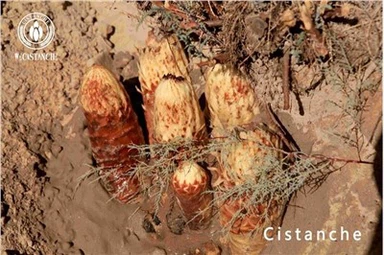
TCM Herb Cistanche Supplements For Prostate Health

1) What is TCM - and why dosage forms matter
When people in the West ask "what is TCM?", the simplest accurate answer is: TCM is a comprehensive medical system developed over centuries, characterized by holistic thinking and syndrome differentiation (pattern-based diagnosis and treatment). In practice, TCM is often viewed as having advantages such as broad applicability for long-term care, generally good tolerability, and system-level approaches to health.
However, how a TCM formula is delivered can determine whether it works well in real-world use. Oral administration remains the most common and convenient route, yet modern clinical experience and product development repeatedly encounter familiar bottlenecks:
large dose volumes
short half-life and frequent dosing
difficulty in precise delivery
low oral bioavailability
low adherence due to taste and inconvenience
For developers of plant extracts (including Cistanche / Rou Cong Rong), this raises a key question: Can we design safer and more effective oral delivery systems that keep TCM's character while meeting modern expectations for performance and consistency?

2) PD‑EVLPs: a practical bridge between botanicals and modern delivery science
Plant-derived extracellular vesicle–like particles (PD‑EVLPs) are nano-scale, membrane-bound particles found in plants. They are increasingly studied because they are:
abundant and scalable (plants are rich sources)
relatively low in immunogenicity risk in vivo compared with some non-plant sources
low-cost and potentially low-toxicity
able to carry multiple components (lipids, proteins, RNAs, metabolites)
Importantly for formulation developers, the lipid bilayer structure of PD‑EVLPs can help load hydrophobic and hydrophilic substances and may increase oral bioavailability while potentially reducing side effects. PD‑EVLPs may also inherit certain bioactivities from their source plants (e.g., anti-inflammatory, antioxidant, anticancer-related effects), enabling a "carrier + activity" synergy rather than being an inert delivery shell.
For TCM product development, this is compelling: PD‑EVLPs may help translate TCM from "traditional but inconvenient" into "traditional, standardized, and more bioavailable" - without automatically defaulting to synthetic nanoparticles.
3) A quick look back: why traditional TCM forms can underperform today
TCM dosage forms evolved from early wine preparations and decoctions to classic forms such as decoctions, pills, powders, plasters, and elixirs, and later to modern tablets, granules, injections, suppositories, sprays, and eye drops. China's pharmacopeial system has expanded dramatically, reflecting diversification in dosage forms.
Despite this progress, many common forms still have limitations:
Decoctions: time-consuming, not portable, bitter taste
Granules: limited dose flexibility across populations; variable standards
Tablets: slower dissolution; issues for children/unconscious patients; volatile components may degrade over time
Pastes/ointments: limited by heat-sensitive or volatile constituents
Traditional pills: may require large doses; process issues can cause slow disintegration
For Western-facing botanical brands, these issues also translate into business problems: inconsistent customer experience, unclear performance, and difficulty building trust.
4) What exactly are PD‑EVLPs made of? (developer-friendly overview)
PD‑EVLPs are not "one compound." They are complex biological particles that may include:
4.1 Proteins
PD‑EVLPs can contain various proteins, often including cytosolic proteins and membrane-associated transport proteins. Some proteins (e.g., lectin-like proteins) may participate in cross-species recognition and uptake, influencing how vesicles interact with mammalian cells.
4.2 Lipids
Lipids form the bilayer membrane, affecting stability, uptake, and biodistribution. Phospholipids such as phosphatidylcholine and phosphatidic acid have been highlighted in several plant vesicle systems and may influence interactions with gut microbes and uptake pathways.
4.3 Nucleic acids (DNA/RNA)
PD‑EVLPs may contain DNA fragments and multiple RNA types (mRNA, miRNA, siRNA, and other non-coding RNAs). This is part of why PD‑EVLPs are studied for gene-expression modulation and for carrying nucleic-acid therapeutics in experimental contexts.
4.4 Metabolites
Plant vesicles can carry plant metabolites that are relevant to bioactivity. Metabolomics approaches (HPLC‑MS, etc.) have been used to profile cargos; for example, ginger-derived particles have been linked to effects in models of liver injury.
5) Biomedical functions and why they matter to TCM product developers
PD‑EVLPs were first reported decades ago and can be isolated via processes such as juice extraction/pretreatment followed by differential centrifugation, ultrafiltration, size exclusion chromatography, immunoaffinity capture, polymer precipitation, or ultracentrifugation.
Typical reported features include:
stable bilayer membranes
size often described in the ~30–400 nm range with characteristic morphology
the ability to protect and deliver cargos across harsh gastrointestinal conditions
potential to cross biological barriers and participate in cross-kingdom signaling
Compared with synthetic nanoparticles, PD‑EVLPs are often framed as having better biocompatibility, lower immunogenicity, and lower toxicity, with improved feasibility for large-scale material sourcing.
5.1 Anti-inflammatory and antioxidative stress modulation
Multiple PD‑EVLP systems have been reported to influence inflammatory pathways or oxidative stress processes (e.g., cabbage vesicles, pueraria-derived vesicles in colitis-associated inflammation models, Catharanthus roseus vesicles influencing macrophage signaling).
5.2 Antitumor delivery concepts
Studies suggest grapefruit-derived vesicle lipids can form nanoparticles for therapeutic delivery; other work proposes hybrid vesicle systems (e.g., ginseng-derived vesicle-like particles combined with tumor membranes for personalized vaccination concepts). For developers, the "takeaway" isn't to make cancer claims - it's that vesicles can be engineered for targeting and delivery, indicating a broader platform potential.
5.3 Bone health (osteoporosis-related models)
Several plant vesicle systems (e.g., Drynariae rhizome, ginseng, yam, apple, plum, pueraria) have been explored in bone-related cellular and animal studies, including pathways involving ERα signaling and osteogenic differentiation.
5.4 Cardiovascular and transplant-related immune modulation
Bitter melon vesicle-like particles have been reported in the context of doxorubicin cardiotoxicity mechanisms; other engineered nanovesicle approaches have been discussed for immune modulation in transplantation contexts.
5.5 Neurological and gut–brain axis directions
Some work points to PD‑EVLPs as potential carriers impacting neuroinflammation, oxidative stress, or gut microbiota pathways; ginger-derived systems and other plant vesicles have been studied in Parkinson's disease-related models.

6) Why PD‑EVLPs could become "next-generation TCM" - including in cosmetics
From a manufacturing and product-strategy standpoint, PD‑EVLPs are interesting because they may offer:
higher functional delivery efficiency for certain botanical actives
better stability through the GI tract for oral formats
potential natural targeting ligands on vesicle surfaces
a path toward lower serving sizes and better user compliance
In cosmetics, the idea is that vesicles can carry plant-derived proteins/active factors and potentially support skin microenvironment modulation and sustained nourishment, with some plant vesicle systems reported to affect pigmentation-related pathways.
Clinical trial landscape (still early)
The text cites a limited number of registered clinical trials involving plant-derived vesicle/exosome-like preparations, including grape-derived preparations (listed as "grape extract") and ginger/aloe-related entries (listed as "exosome" in some registrations). Overall, the clinical evidence base is still developing and should be treated as exploratory.
7) From "extract supplier" to "trusted TCM product developer": key challenges you must solve
If you develop botanical products for Western markets and you want to be known for authentic, reliable TCM, PD‑EVLPs (or any advanced delivery approach) only help if fundamentals are correct.
7.1 Standardized isolation, characterization, QC, and storage
Major upstream gaps include:
lack of unified isolation methods and quality evaluation standards
scaling challenges (time, yield, reproducibility)
variability due to plant species, growth stage, and origin
Industrial translation requires scalable, standardized processes, plus clear QC parameters and storage stability strategies.

7.2 Mechanisms of GI tolerance and transport
PD‑EVLPs show notable GI tolerance, but mechanisms are not fully understood. Understanding transport routes and barriers remains a major research and translation priority.
7.3 Drug-loading capacity, targeting ability, and plant-part variability
Different plants (and different tissues within the same plant) can produce vesicles with different compositions and targeting behaviors. Preclinical work suggests surface proteins/ligands matter, but this must be systematically mapped before responsible product positioning.
7.4 Single-herb vs formula logic (a core "what is TCM" issue)
A common Western misconception is that TCM equals "one herb for one symptom." In reality, classical TCM often relies on formula thinking (multi-herb combinations with roles and interactions). Whether PD‑EVLPs should be used as single-source carriers, combined vesicle systems, or engineered carriers for multi-component delivery is still an open area - and must be studied carefully for synergy or antagonism, safety, and consistency.
8) A note for Cistanche (Rou Cong Rong) developers
If you operate a Cistanche factory and want to guide customers who are uncertain how to develop legitimate TCM products, the PD‑EVLP discussion suggests a practical roadmap:
Start with authenticity: botanical identity, origin, and consistent raw-material specifications.
Standardize extraction: define marker compounds and batch reproducibility.
Choose a delivery strategy: traditional forms (powder/granule), modern forms (capsules/tablets), or research-track approaches (e.g., vesicle-like carriers).
Build QC and documentation: methods, stability, contamination controls, and traceability.
Be disciplined with claims: align with regulatory requirements in the US/EU; avoid disease-treatment claims unless supported and permitted.
PD‑EVLPs may become one platform among several that help botanical actives perform better - but trust still starts with real plant material, real processes, real testing, and honest labeling.

Conclusion
PD‑EVLPs represent an emerging, plant-native nano-delivery concept with potential advantages in oral tolerance, cargo protection, biocompatibility, and multi-component functionality. For the modernization of TCM, PD‑EVLPs may help address long-standing issues such as low bioavailability and inconvenient dosing while offering new formulation possibilities in both clinical and cosmetic directions.
At the same time, translation faces real bottlenecks: scalable manufacturing, standardized QC, deeper mechanistic understanding, and careful evaluation of targeting and formula-compatibility. For developers asking "what is TCM in a modern product sense," the answer increasingly includes not only herbs and theory, but also repeatable manufacturing, validated quality, and delivery science.
References (complete, as provided)
[1] Nemati M,Singh B,Mir RA,et al,Plant-derived extracellular vesicles:a novel nanomedicine approach with advantages and challenges [ J ]. Cell Commun Signal, 2022, 20 (1):69.
[2] Liu B, Lu Y, Chen X, et al. Protective role of shiitake mushroom-derived exosome-like nanoparticles in D-galactosamine and lipopolysaccharide-induced acute liver injury in mice[J]. Nutrients,2020,12(2):477.
[3] Han JM,Song HY,Lim ST,et al. Immunostimulatory potential of extracellular vesicles isolated from an edible plant, petasites japonicus, via the induction of murine dendritic cell maturation[J]. Int J Mol,2021,22(19):10634.
[4] Suharta S,Barlian A,Hidajah AC,et al. Plant-derived exosome-like nanoparticles:a concise review on its extraction methods,content, bioactivities, and potential as functional food ingredient[J]. J Food Sci,2021,86(7):2838-2850.
[5] Jackson KK,Mata C,Marcus RK. A rapid capillarychanneled polymer(C-CP) fiber spin-down tip approach for the isolation of plant-derived extracellular vesicles ( PDEVs) from 20 common fruit and vegetable sources[ J]. Talanta, 2023,252:123779.
[6] Song H,Canup BS,Ngo VL,et al. Internalization of garlicderived nanovesicles on liver cells is triggered by interaction with CD98 [ J]. ACS Omega, 2020, 5 ( 36): 23118-23128.
[7] Karamanidou T,Tsouknidas A. Plant-derived extracellular vesicles as therapeutic nanocarriers [ J]. IJMS, 2021, 23 (1):191.
[8] Teng Y,Ren Y,Sayed M,et al. Plant-derived exosomal microRNAs shape the gut microbiota[ J]. Cell Host Microbe, 2018,24(5):637-652.
[9] Liu L, Chen X. Intercellular and systemic trafficking of RNAs in plants[J]. Nat Plants,2018,4(11):869-878.
[10] Hu B,Zhong L,Weng Y,et al. Therapeutic siRNA:state of the art[J]. Sig Transduct Target Ther,2020,5(1):101.
[11] Ozkan I,Ko,c akP,Y1ld1r1m M,et al. Garlic(Allium sativum)-derived SEVs inhibit cancer cell proliferation and induce caspase mediated apoptosis[ J]. Sci Rep,2021,11 (1):14773.
[12] Zhang MZ,Viennois E,Prasad M,et al. Edible ginger derived nanoparticles: Anovel therapeutic approach for the prevention and treatment of inflammatory bowel disease and colitis-associated cancer[J]. Biomaterials,2016,101:321-340.
[13] 赵清,王通,赵可伟. 中草药囊泡研究与应用专家共识(2023 年版)[J]. 中草药,2024,55(1):12-22.
[14] Liu C,Yan X,Zhang Y,et al. Oral administration of turmeric-derived exosome-like nanovesicles with anti-inflammatory and pro-resolving bioactions for murine colitis therapy[J]. J Nanobiotechnol,2022,20(1):206.
[15] Dad HA, Gu TW, Zhu AQ, et al. Plant exosome-like nanovesicles: emerging therapeutics and drug delivery nanoplatforms[J]. Mol Ther,2021,29(1):13-31.
[16] You JY,Kang SJ,Rhee WJ. Isolation of cabbage exosomelike nanovesicles and investigation of their biological activities in human cells[ J]. Bioact Mater,2021,6 ( 12):4321-4332.
[17] Lu Y,Xu J,Tang R,et al. Edible pueraria lobata-derived exosome-like nanovesicles ameliorate dextran sulfate sodium-induced colitis associated lung inflammation through modulating macrophage polarization[ J]. Biomed Pharmacother,2024,170:116098.
[18] Ou X,Wang H,Tie H,et al. Novel plant-derived exosomelike nanovesicles from Catharanthus roseus: preparation, characterization,and immunostimulatory effect via TNF-α/NF-κB/ PU. 1 axis[ J]. J Nanobiotechnology,2023 20;21 (1):160.
[19] Wang Q,Zhuang X,Mu J,et al. Delivery of therapeutic agents by nanoparticles made of grapefruit-derived lipids[J]. Nat Commun,2016;7:11347.
[20] Wang H,Mu J,Chen Y,et al. Hybrid ginseng-derived extracellular vesicles-like particles with autologous tumor cell membrane for personalized vaccination to inhibit tumor recurrence and metastasis [ J]. Adv Sci ( Weinh),2024,11(17):e2308235.
[21] Johnsen KB,Gudbergsson JM,Skov MN,et al. A comprehensive overview of exosomes as drug delivery vehicles-endogenous nanocarriers for targeted cancer therapy[ J]. Biochim Biophys Acta,2014,1846(1):75-87.
[22] Sercombe L,Veerati T,Moheimani F,et al. Advances and challenges of liposome assisted drug delivery [ J]. Front Pharmacol,2015,6:286.
[23] Xiao Q,Zhao W,Wu C,et al. Lemon-derived extracellular vesicles nanodrugs enable to efficiently overcome cancer multidrug resistance by endocytosis-triggered energy dissipation and energy production reduction [ J ]. Adv Sci (Weinh),2022,9(20):e2105274.
[24] Zhao Q,Feng J,Liu F,et al. Rhizoma Drynariae-derived nanovesicles reverse osteoporosis by potentiating osteogenic differentiation of human bone marrow mesenchymal stem cells via targeting ERα signaling [ J]. Acta Pharm Sin B,2024;14(5):2210-2227.
[25] Seo K,Yoo JH,Kim J,et al. Ginseng-derived exosome-like nanovesicles extracted by sucrose gradient ultracentrifugation to inhibit osteoclast differentiation [ J]. Nanoscale,2023,15(12):5798-5808.
[26] Hwang JH, Park YS,Kim HS, et al. Yam-derived exosome-like nanovesicles stimulate osteoblast formation and prevent osteoporosis in mice[J]. J Control Release,2023,355:184-198.
[27] Sim Y,Seo HJ,Kim DH,et al. The effect of apple-derived nanovesicles on the osteoblastogenesis of osteoblastic MC3T3-E1 cells[J]. J Med Food,2023,26(1):49-58.