Functional Constipation Is Associated With A Decline In Word Recognition 2 Years Later In Community-Dwelling Older Adults: The Korean Frailty And Aging Cohort Study Ⅲ
Dec 22, 2023
DISCUSSION
Our study showed that functional constipation predicted a decline in word list recognition in community-dwelling older adults. The proposed mechanism of the effect of constipation on cognitive decline is that constipation can indirectly affect cognitive status through irritability and aggression as well as pain and discomfort.20) Although antipsychotics may cause constipation and aggravate cognitive decline,21) participants in this cohort study were not affected by dementia or psychosis. The brain-gut axis hypothesis may be another mechanism.

According to the brain-gut axis theory, the gut is connected to the brain through the gut-brain axis22); that is, the central nervous system communicates with the enteric nervous system, intestinal mucosa, and muscle layer through two-sided (afferent and efferent) pathways. Pathological changes in any component of the gut-brain axis may affect intestinal activity and lead to constipation. Some pathological studies have demonstrated that α-synuclein deposits can originate from the intestinal plexus and develop along the vagus nerve, eventually reaching the brain and resulting in the development of dementia.23)
The last assumption is the dysfunction of the parietal lobe of the brain. The parietal lobe is suggested to be associated with constipation in children24) and is known to be related to short-term memory25) and recognition function.26) Therefore, parietal lobe dysfunction may be associated with constipation and its recognition. However, there are no studies on this connection yet; therefore, further investigation is needed. The initial and most prominent cognitive deficits associated with aging are usually amnestic rather than non-amnestic, and the finding that constipation is associated with a decline in word list recognition seems reasonable.

This study had some limitations. First, our study participants were ambulatory community-dwelling older adults. Hospitalized, institutionalized, or bedridden older adults were excluded; therefore, our results may not be generalizable to other population settings. Second, the detailed medication history of the participants was not investigated in this study. Medications such as antipsychotics can be associated with both constipation and cognitive impairment. However, we excluded those who had been taking narcotics and those with a history of dementia.
In addition, the prevalence of psychiatric disorders did not differ between the two groups at baseline. Third, there is a possibility that organic constipation, such as colorectal cancer, was included because colonoscopy results were not collected in our study. However, those who had cancer within 5 years before baseline were excluded; therefore, the possibility of colorectal cancer was low. Nevertheless, this study has several strengths. First, our study is based on a 2-year longitudinal prospective cohort-based study, which allows a more appropriate temporal relationship than previous cross-sectional studies.

To the best of our knowledge, this is the first longitudinal study to show an association between functional constipation and cognitive function decline. Second, we used the KFACS data, which included a relatively large number of community-dwelling older adults aged 72–86 from 10 nationwide centers, including urban and rural areas.

In conclusion, functional constipation at baseline was associated with a decline in word list recognition 2 years later.
Natural Herbal Medicine For Relieving Constipation-Cistanche
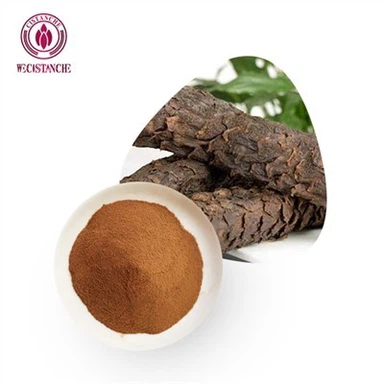
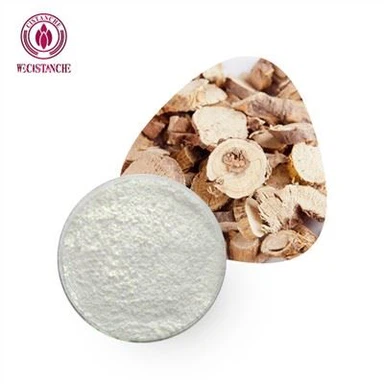
Cistanche is a genus of parasitic plants that belongs to the family Orobanchaceae. These plants are known for their medicinal properties and have been used in Traditional Chinese Medicine (TCM) for centuries. Cistanche species are predominantly found in arid and desert regions of China, Mongolia, and other parts of Central Asia. Cistanche plants are characterized by their fleshy, yellowish stems and are highly valued for their potential health benefits. In TCM, Cistanche is believed to have tonic properties and is commonly used to nourish the kidney, enhance vitality, and support sexual function. It is also used to address issues related to aging, fatigue, and overall well-being. While Cistanche has a long history of use in traditional medicine, scientific research on its efficacy and safety is ongoing and limited. However, it is known to contain various bioactive compounds such as phenylethanoid glycosides, iridoids, lignans, and polysaccharides, which may contribute to its medicinal effects.

Wecistanche's cistanche powder, cistanche tablets, cistanche capsules, and other products are developed using desert cistanche as raw materials, all of which have a good effect on relieving constipation. The specific mechanism is as follows: Cistanche is believed to have potential benefits for relieving constipation based on its traditional use and certain compounds it contains. While scientific research specifically on Cistanche's effect on constipation is limited, it is thought to have multiple mechanisms that may contribute to its potential to relieve constipation. Laxative Effect: Cistanche has long been used in Traditional Chinese Medicine as a remedy for constipation. It is believed to have a mild laxative effect, which can help promote bowel movements and induce constipation. This effect may be attributed to various compounds found in Cistanche, such as phenylethanoid glycosides and polysaccharides. Moistening the Intestines: Based on traditional use, Cistanche is considered to have moisturizing properties, specifically targeting the Intestines. Promoting hydration and lubrication of the Intestines, it may help soften tools and facilitate easier passage, thereby relieving constipation. Anti-inflammatory Effect: Constipation can sometimes be associated with inflammation in the digestive tract. Cistanche contains certain compounds, including phenylethanoid glycosides and lignans, that are believed to have anti-inflammatory properties. By reducing inflammation in the intestines, it may help improve bowel movement regularity and relieve constipation.