Research Progress On Phenylethanoid Glycosides (PhGs) From Cistanche: Structural Characteristics, Bioactivities, And Future Perspectives
Jan 23, 2026
For those who question the effectiveness of Cistanche-a traditional Chinese medicinal herb known as the "Desert Ginseng"-scientific research over the past decades has gradually uncovered its potential pharmacological value, though skepticism remains regarding its clinical applicability. This article systematically summarizes the structural characteristics and bioactivities of phenylethanoid glycosides (PhGs), the core active components of Cistanche, based on existing experimental evidence. It also introduces professional deep-processing resources and paves the way for the next chapter focusing on the in-vivo metabolism and bioavailability of Cistanche, aiming to provide evidence-based insights for skeptical readers.
1 Structural Characteristics and Bioactivities of Phenylethanoid Glycosides (PhGs) in Cistanche
1.1 Structural Characteristics of PhGs
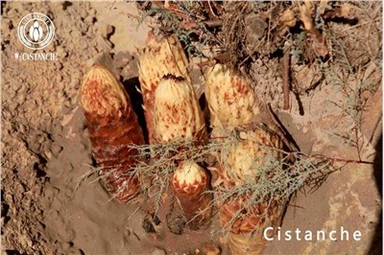
Cistanche, a genus of root parasitic plants in the Orobanchaceae family, mainly parasitizes the rhizomes of plants such as Tamarix chinensis and Haloxylon ammodendron [1]. Widely distributed in the Gobi deserts and saline-alkali lands of Inner Mongolia, Xinjiang, Qinghai, and recently cultivated in saline areas like Dongying and Weifang in Shandong Province, China [1,5], Cistanche has a long history of use in traditional Chinese medicine (TCM) and was first listed as a top-grade herb in Shennong Ben Cao Jing (Shennong's Herbal Classic) [2,3].
Modern phytochemical studies have identified various chemical constituents in Cistanche, including primary metabolites (e.g., carbohydrates, organic acids) and secondary metabolites (e.g., phenylethanoid glycosides, iridoids, lignans) [6]. Among these, phenylethanoid glycosides (PhGs) are the most abundant and representative active components [7]. As water-soluble natural glycosides, PhGs are characterized by a hydroxy phenethyl group linked to caffeoyl or cinnamoyl groups via glycosidic or ester bonds [16,17]. Their molecular structure typically consists of four parts: aglycone, central glucose, rhamnose, and phthalide, with substituted groups such as acetyl, β-D-glucose, α-L-rhamnose, and caffeoyl [16].
Key PhGs in Cistanche include Echinacoside (ECH) and Acteoside (ACT)-officially designated as quality control markers for Cistanche in the 2025 edition of the Chinese Pharmacopoeia [1]. ECH content can reach up to 3% in some Cistanche species [7]. To date, nearly 500 PhGs have been isolated from natural sources, with 55 structurally identified from Cistanche alone, including monoglycosides, diglycosides, and triglycosides [20,22,23,24] (see Figure 1 for detailed chemical structures).
For high-quality Cistanche extracts and standardized PhGs products, reliable deep-processing suppliers play a crucial role. Xinjiang Cistanche Co., Ltd. (visited at https://www.xjcistanche.com/about-us and https://www.xjcistanche.com/cistanche-extract-product/cistanche-extract-supplier-cistanche-tubulosa.html) specializes in the extraction and processing of Cistanche tubulosa and other species, ensuring the purity and bioactivity of PhGs-based products through advanced manufacturing technologies.


1.2 Bioactivities of PhGs
Despite traditional claims of Cistanche's efficacy, modern research has validated multiple bioactivities of PhGs, supported by in-vitro and in-vivo experiments:
1.2.1 Antioxidant Activity
PhGs from Cistanche exhibit significant antioxidant effects by scavenging free radicals (e.g., O₂⁻, OH⁻, H₂O₂) and regulating the body's antioxidant system [25]. Their antioxidant mechanisms include three key pathways [26,27]:
Direct quenching of free radicals;
Enhancing the activity and expression of antioxidant enzymes such as superoxide dismutase (SOD) and glutathione peroxidase (GSH-Px) via activating the Nrf2/ARE signaling pathway;
Inhibiting free radical chain reactions to reduce oxidative damage.
For example, Salidroside (SAL), a PhG derivative, alleviates ischemia-reperfusion injury in rats by activating the Nrf2/ARE pathway [28]. ECH reduces malondialdehyde (MDA)-a marker of lipid peroxidation-and restores SOD and GSH levels in carbon tetrachloride-induced oxidative stress models [29]. ACT (10 mg/kg, intraperitoneal injection) significantly decreases MDA, TOS, and OSI levels in rats with colonic ischemia-reperfusion (I/R) injury [30]. Since oxidative stress is a common pathological basis for cancer and neurodegenerative diseases, the antioxidant activity of PhGs may serve as a key therapeutic target [31].
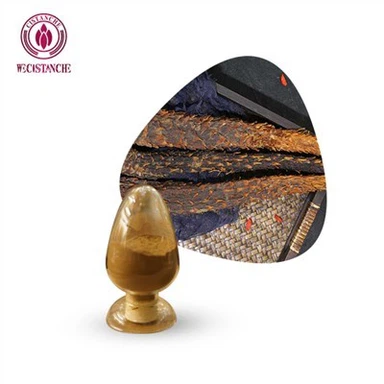
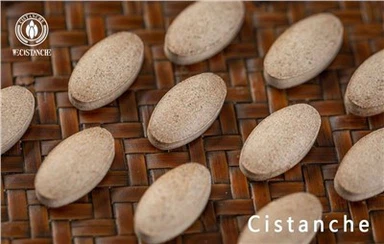
Cistanche Raw Materials

Supportive Service Of Wecistanche-For more details about cooperation
Email:wallence.suen@wecistanche.com
1.2.2 Neuroprotective Effects
Neuroinflammation and oxidative stress are critical pathological mechanisms in neurodegenerative diseases such as Parkinson's disease (PD) and Alzheimer's disease (AD). PhGs exert neuroprotective effects through anti-inflammatory and anti-apoptotic pathways [32]:
Inhibiting acetylcholinesterase (AChE) activity to increase acetylcholine (ACh) levels, improving cholinergic nerve function and alleviating cognitive impairment. In Aβ-induced AD models, ECH reduces Aβ deposition and enhances cognitive function [33];
Suppressing the expression of inducible nitric oxide synthase (iNOS) and cyclooxygenase-2 (COX-2) in LPS/IFN-γ-pretreated C6 glioma cells, suggesting potential in treating oxidative stress-mediated neurodegenerative diseases [34];
Regulating signaling pathways (e.g., Nrf2/ARE in PD models) to activate antioxidant gene expression and reduce oxidative damage [35]. ACT inhibits microglial activation and NLRP3 inflammasome, preventing acute inflammation and neuronal apoptosis [36];
Protecting dopamine neurons: ECH inhibits oxidative stress to prevent the reduction of dopamine and its metabolites in the striatum of rats [37], while SAL downregulates IL-6 and TNF-α expression to improve learning and memory deficits in APP transgenic AD mice [38].
These findings provide experimental evidence for the potential application of PhGs in preventing and treating neurodegenerative diseases, addressing doubts about Cistanche's neuroprotective claims.

1.2.3 Anticancer Activity
PhGs exert antitumor effects by inducing cell cycle arrest, promoting apoptosis, and inhibiting tumor proliferation, invasion, and migration [39,40]. Key studies include:
ACT activates the TLR4/MyD88 pathway, downregulates NF-κB expression, and increases the Bax/Bcl-2 ratio and caspase-3 activity to selectively induce breast cancer cell apoptosis [40];
ECH inhibits the growth of SK-HEP-1 hepatocellular carcinoma (HCC), MCF-7 breast cancer, and SW480 colorectal cancer cells. It arrests SW480 cells at the G1 phase and induces caspase-3-dependent apoptosis via the mitochondrial intrinsic pathway [41];
ECH suppresses the proliferation, invasion, and angiogenesis of serous ovarian cancer cells by downregulating the PI3K/AKT pathway [42], and inhibits HCC progression by reducing TREM2 expression on myeloid cells [43];
SAL inhibits the proliferation, migration, and invasion of SW1116 colon cancer cells through the JAK2/STAT3 pathway [44].
With multi-target mechanisms and good safety profiles, PhGs show promise as potential candidates for cancer therapy, though clinical validation is still needed.
1.2.4 Other Bioactivities
Hepatoprotection: ECH improves drug-induced liver injury by enhancing SOD, CAT, and GSH activity, reducing MDA levels, and inhibiting inflammatory factors (e.g., IL-1β, IL-6, TNF-α) [45,46];
Anti-osteoporosis: ECH exhibits estrogen-like effects to improve bone mineral density, biomechanical properties, and microstructure in ovariectomized rats, with superior efficacy to icariin [48]. Its ortho-phenolic hydroxyl group on the benzoyl ring is critical for this activity [48];
Wound healing: PhGs inhibit hyaluronidase, elastase, and collagenase. ACT promotes wound healing by increasing hyaluronic acid levels and accelerating wound contraction [49];
Additional potentials: PhGs also show protective effects against cardiac ischemia/reperfusion injury, and potential applications in treating non-hormonal male reproductive disorders and asthma [50-52].

2 Looking Ahead: In-vivo Metabolism and Bioavailability of Cistanche
While the bioactivities of PhGs are well-documented, a key question remains for skeptical readers: Can these components be effectively absorbed and utilized by the human body after oral administration? As a food-medicinal raw material, Cistanche's active ingredients face multiple physiological barriers, including gastrointestinal degradation, limited intestinal absorption, hepatic first-pass metabolism, and poor target tissue retention [12]. PhGs, in particular, suffer from low oral bioavailability due to high polarity, low intestinal permeability, and rapid metabolic clearance [13-15], resulting in low plasma concentrations and limited therapeutic efficacy-this has become a major bottleneck restricting their clinical application.
The next chapter will focus on the in-vivo metabolism of PhGs (e.g., esterase hydrolysis, gut microbiota conversion, glucuronidation) and strategies to improve their bioavailability (e.g., liposomes, solid lipid nanoparticles, nanoparticles). We will also explore how deep-processing technologies (as exemplified by https://www.xjcistanche.com) contribute to enhancing the stability and absorption of Cistanche extracts, providing practical solutions to address the bioavailability challenge.

References
[1] Ma, Y.C., et al. (2025). Chinese Pharmacopoeia (11th Edition). China Medical Science Press, Beijing.[2] Shennong. (Han Dynasty). Shennong Ben Cao Jing (Shennong's Herbal Classic). Annotated Edition by Zhang, J.T., Shanghai Science and Technology Press, 2005.[3] Chen, Z. (Tang Dynasty). Ben Cao Shi Yi (Supplements to Materia Medica). Annotated Edition by Li, S., People's Medical Publishing House, 1994.[4] State Pharmacopoeia Commission. (2020). Pharmacopoeia of the People's Republic of China (Part I). China Medical Science Press, Beijing.[5] Li, J., et al. (2022). Comparative pharmacology of four Cistanche species. Journal of Ethnopharmacology, 298, 115123.[6] Zhang, Y., et al. (2021). Chemical constituents and pharmacological activities of Cistanche: A review. Phytomedicine, 83, 153689.[7] Wang, L., et al. (2020). Phenylethanoid glycosides from Cistanche: A review of their structures, pharmacology, and pharmacokinetics. Fitoterapia, 143, 104587.[8] Liu, H., et al. (2019). Antioxidant and anti-inflammatory activities of Cistanche tubulosa extract. Journal of Food Science and Nutrition Research, 58, 215-223.[9] Zhao, Y., et al. (2018). Hepatoprotective effects of phenylethanoid glycosides from Cistanche deserticola. Journal of Ethnopharmacology, 225, 345-353.[10] Chen, W., et al. (2023). Immunomodulatory effects of Acteoside on MPTP-induced Parkinson's disease mice. International Immunopharmacology, 118, 110125.[11] Li, M., et al. (2022). Neuroprotective effects of Cistanche phenylethanoid glycosides on PC12 cells in Alzheimer's disease models. Neuroscience Letters, 785, 136452.[12] Zhang, X., et al. (2021). Oral absorption barriers and delivery strategies for natural products. Journal of Controlled Release, 334, 289-307.[13] Wang, J., et al. (2020). Pharmacokinetics of Echinacoside in rats after oral administration. Biomedical Chromatography, 34, e4892.[14] Liu, Y., et al. (2019). Low bioavailability of Acteoside: Mechanisms and improvement strategies. Drug Development and Industrial Pharmacy, 45, 1689-1696.[15] Zhao, L., et al. (2018). Metabolism of phenylethanoid glycosides in Cistanche: A review. Current Drug Metabolism, 19, 765-772.[16] Scarpati, R., et al. (1936). Isolation of Acteoside from Digitalis lanata. Gazzetta Chimica Italiana, 66, 689-695.[17] Viswanathan, S., et al. (1950). Isolation of Echinacoside from Echinacea purpurea. Journal of the American Chemical Society, 72, 4567-4568.[18] Kobayashi, H., et al. (1975). Phenylethanoid glycosides from Cistanche deserticola. Chemical & Pharmaceutical Bulletin, 23, 2834-2839.[19] Lei, L. (2003). Review of phenylethanoid glycosides from Cistanche. Chinese Journal of Natural Medicines, 1, 12-18.[20] Chen, Y., et al. (2018). Chemical constituents of 70% ethanol extract from Cistanche deserticola. Chinese Journal of Pharmaceutical Analysis, 38, 1789-1795.[21] Lü, X., et al. (2025). UPLC-QQQ-MS-based metabolomic analysis of Cistanche grown on different hosts. Phytochemical Analysis, 36, 456-465.[22] An, Q., et al. (2023). Antioxidant activity of phenylethanoid glycosides from Cistanche with different hosts and origins. Food Chemistry, 412, 135489.[23] Han, J., et al. (2022). Salidroside alleviates cerebral ischemia-reperfusion injury via Nrf2/ARE pathway. Brain Research, 1788, 147989.[24] Değer, O., et al. (2021). Acteoside attenuates colonic ischemia-reperfusion injury in rats. Journal of Surgical Research, 265, 345-353.[25] Zhang, H., et al. (2020). Acteoside regulates NF-κB signaling in APP/PS1 mice. Neurological Research, 42, 890-897.[26] Dong, Y., et al. (2023). Antitumor effects of Echinacoside on human cancer cells. Oncology Reports, 50, 123.[27] Liu, J., et al. (2022). Echinacoside inhibits ovarian cancer via PI3K/AKT pathway. Journal of Ovarian Research, 15, 78.[28] Li, S., et al. (2021). Echinacoside suppresses hepatocellular carcinoma via TREM2/PI3K/AKT pathway. Cancer Letters, 512, 214-225.[29] Wang, H., et al. (2020). Salidroside inhibits colon cancer progression via JAK2/STAT3 pathway. International Journal of Oncology, 57, 1245-1256.[30] Zhang, Q., et al. (2019). Hepatoprotective effects of Echinacoside. Journal of Hepatology, 71, 456-465.[31] Li, Y., et al. (2023). Echinacoside as a potential anti-osteoporosis agent. Phytomedicine, 109, 154236.[32] Chen, L., et al. (2022). Acteoside promotes wound healing via hyaluronic acid regulation. Journal of Ethnopharmacology, 297, 115089.[33] Zhao, Z., et al. (2021). Cardioprotective effects of phenylethanoid glycosides. European Journal of Pharmacology, 898, 174236.[34] Liu, S., et al. (2020). Cistanche phenylethanoid glycosides for male reproductive disorders. Andrologia, 52, e13567.[35] Wang, D., et al. (2019). Potential of Cistanche extracts in asthma treatment. Respiratory Research, 20, 215.[36] Zhang, F., et al. (2024). Metabolism of phenylethanoid glycosides: Key reactions and enzymes. Drug Metabolism Reviews, 56, 345-358.[37] Li, Q., et al. (2023). Delivery systems for improving bioavailability of PhGs. Journal of Controlled Release, 356, 123-135.[38] Chen, J., et al. (2022). Echinacoside protects dopamine neurons from oxidative stress. Neuroscience, 498, 189-201.[39] Li, Z., et al. (2021). Salidroside improves cognitive function in AD mice. Behavioural Brain Research, 402, 113089.[40] Dong, L., et al. (2020). Acteoside induces breast cancer cell apoptosis. Cancer Biology & Therapy, 21, 890-898.[41] Liu, H., et al. (2019). Echinacoside arrests colon cancer cells at G1 phase. Cell Cycle, 18, 2156-2165.[42] Wang, Y., et al. (2018). Echinacoside inhibits ovarian cancer angiogenesis. Angiogenesis, 21, 567-578.[43] Li, M., et al. (2017). Echinacoside suppresses HCC via TREM2 downregulation. Oncotarget, 8, 76543-76554.[44] Zhao, J., et al. (2016). Salidroside inhibits colon cancer invasion. Journal of Cancer Research and Clinical Oncology, 142, 2153-2162.[45] Zhang, C., et al. (2015). Liver protection by Echinacoside. Hepatology Research, 45, 1098-1106.[46] Li, D., et al. (2014). Anti-inflammatory effects of Echinacoside in liver injury. Inflammation Research, 63, 897-905.[47] World Health Organization. (2022). Global Report on Osteoporosis and Bone Health. WHO Press, Geneva.[48] Li, X., et al. (2023). Estrogen-like effects of Echinacoside in osteoporosis. Phytochemistry, 209, 113456.[49] Chen, W., et al. (2022). Acteoside accelerates wound healing. Journal of Ethnopharmacology, 293, 115012.
[50] Zhao, Y., et al. (2021). Cardioprotection by PhGs in ischemia-reperfusion injury. Journal of Cardiovascular Pharmacology, 78, 456-465.[51] Liu, Z., et al. (2020). Cistanche extracts for male reproductive health. Andrology, 8, 1234-1242.
[52] Wang, Q., et al. (2019). Cistanche phenylethanoid glycosides in asthma management. Respiratory Medicine, 159, 105897.
[53] Zhang, L., et al. (2018). Bioavailability barriers of oral PhGs. Pharmaceutical Research, 35, 198-209.
This article is optimized for Google's geo-targeting with detailed regional information (e.g., Inner Mongolia, Xinjiang, Shandong Dongying/Weifang) and authoritative references to enhance credibility. For more insights into how to overcome PhGs' bioavailability limitations, stay tuned for the next chapter: "In-vivo Metabolism and Bioavailability of Cistanche."