Research Progress On The Role Of RNA-binding Protein Human Antigen R(HuR) in Lung Cancer
Feb 26, 2022
Contact: Audrey Hu (Whatsapp:008613880143964) Email: audrey.hu@wecistanche.com
Lung cancer is the main cause of cancer-related death, and its morbidity and mortality are at the forefront, seriously affecting the survival time and quality of life of patients. Developing new tumor cell targets and expanding the beneficiary population of lung cancer patients has become a hot and difficult research topic in recent years. The RNA-binding protein human antigen R (HuR) plays an important role in the occurrence and development of lung cancer. It can affect the transcription, translation and synthesis of various genes, proteins and molecules in lung cancer cells by binding to specific mRNA in lung cancer cells. This step can promote the proliferation, differentiation and apoptosis of lung cancer cells and other biological functions, which is of great significance in the molecular diagnosis, treatment and prognosis of lung cancer. This article will review the research progress of the biological properties of HuR and its interaction with related regulatory factors in lung cancer based on relevant domestic and foreign literatures.
cistanche
Lung cancer is the leading cause of cancer-related death worldwide, with approximately 2.1 million new cases and 1.8 million deaths worldwide in 2018, accounting for 11.6% and 18.4% of all cancer incidence and deaths, respectively [1]. The mortality rate of lung cancer in my country ranks first among malignant tumors, and the 5-year survival rate is only 19.7% [2]. In recent years, thanks to the continuous development of emerging anticancer strategies such as targeted and immunotherapy, the mortality rate of lung cancer has decreased slightly, which reflects the great improvement in treatment methods [1]. More and more studies have confirmed that lung cancer is a disease driven by gene mutation, and with the continuous deepening of basic and clinical research, its treatment has gradually developed from the past empirical medicine and evidence-based medicine to today's individualized medicine. The era of precision therapy. Accurately finding the oncogenic driver genes and therapeutic targets that lead to lung cancer is the basis of precise lung cancer treatment, and it is also the cornerstone of the ultimate realization of personalized and precise treatment for lung cancer patients. Only individualized treatment can prolong the survival time of patients and further improve the life of patients. quality. The RNA-binding protein human antigen R (HuR) is expressed in various tissues and cells, and its functions are extensive and deeply studied. It is closely related to the occurrence and development of various tumors, and its role in lung cancer has attracted the attention of many scholars. This article mainly reviews the biological characteristics of HuR and the research progress of the interaction of related regulatory factors in lung cancer.
Biological function of HuR
The RNA-binding protein HuR, also known as embryonic lethal abnormal vision gene 1 (ELAVL1), regulates various biological activities involved in cells. HuR is a member of the embryonic lethal abnormal vision family. It also belongs to this family, including HuB, HuC and HuD. These three proteins are mainly expressed in neural tissues. HuR is also widely expressed in other tissue cells. . Studies have reported that HuR can inhibit human neuroblastoma and telomerase activity by competing with the nerve-specific proteins HuB and HuD [3,4]. HuR is closely related to the occurrence and development of other tumors, including breast cancer [5,6], colon cancer [7], prostate cancer [8] and lung cancer [9,10]. HuR is a nucleocytoplasmic shuttle protein that can freely shuttle between the nucleus and the cytoplasm. It is mainly due to the HR region of HuR protein nucleocytoplasmic shuttle sequence in the structure of HuR, which plays an important role in HuR shuttling nucleocytoplasm. HuR also has an mRNA binding site, which is another important part of its biological function. During the shuttle process from the nucleus to the cytoplasm, it binds to a specific mRNA 3′-UTR through the mRNA binding site, ensuring the protection of mRNA. stability and translation. Current studies have confirmed that the shuttle mechanism of HuR mainly functions through three signaling pathways: p38-MAPK[11], PKC[12] and 5'-AMP-activated protein kinase (AMPK)[13,14].
HuR function is primarily regulated by post-translational modifications that alter its subcellular localization and its ability to bind target RNAs. Such modifications include phosphorylation, methylation, ubiquitination, NED acetylation, and proteolytic cleavage [15]. In the interaction of different RNAs, HuR is mainly involved in the regulation of developmental miRNAs (miR-126), cellular homeostasis (miR-126, miR-92a) and pathological angiogenesis (miR-200b, miR-132) [16] . It has also been confirmed in the literature that HuR recognizes and binds to specific mRNAs, protects the stability of mRNAs, and participates in the packaging and shuttling of exosomal RNAs. The inverse interaction of HuR, AGO2 and miRNA binding promotes the export of miRNA from extracellular vesicles through ubiquitination [17]. There are differences in the intracellular distribution of HuR in tumor cells and normal tissue cells. It is mainly distributed in the nucleus in normal tissue cells, and expressed at high levels in the cytoplasm in tumor cells. HuR binds to the target mRNA of tumor cells, promotes the occurrence and development of tumor cells, and enhances biological behaviors such as tumor proliferation, metastasis, and angiogenesis. progression and distant metastasis. As a central regulator of cell growth, inflammation, etc., HuR regulates genes, mRNAs, miRNAs and proteins of many molecules, including vascular endothelial growth factor (VEGF), cyclooxygenase 2 (COX-2), tumor necrosis factor (TNF) , Matrix metalloproteinase (MMP) and Snail, etc., up-regulate and (or) down-regulate the expression of various proteins to promote tumor survival and metastasis.

benefit of cistanche and HuR: anti-cancer
The role and mechanism of HuR in lung cancer
In non-small cell lung cancer (NSCLC) tissues, HuR was inversely correlated with the expression of ARE-binding protein (TTP). Compared with paraffin and frozen tissue specimens from lung cancer patients, the level of miR-133b was down-regulated in normal lung tissue and correlated with both HuR and TTP expression, which may affect the prognosis of NSCLC patients [18]. Some scholars have confirmed that 40.9% (54/132) of NSCLC specimens have cytoplasmic HuR expression, which is associated with increased lymphatic vessel density or microvessel density. Cytoplasmic HuR expression significantly affected relapse-free survival and overall survival. Multivariate analysis studies have shown that high cytoplasmic expression of HuR is an independent prognostic factor affecting the survival of lung cancer patients [19]. The Vigouroux research team pointed out that compared with normal lung tissue, higher cytoplasmic HuR staining was found in lung cancer tissue (P<0.001), but it was not correlated with survival. Further studies found that methyl (R217) HuR levels were significantly correlated with both intracytoplasmic HuR staining (P<0.001) and overall survival (P=0.01). Furthermore, HuR-related Ki-67 and minichromosome maintenance protein 6 (MCM6) are markers of poor prognosis in NSCLC [20].
During the occurrence and development of lung cancer, HuR has regulatory functions on various molecules in the tumor microenvironment, which are closely related to the growth, metastasis and angiogenesis of lung cancer cells. Snail can regulate the induction of epithelial-mesenchymal transition (EMT), and its main mechanism is that HuR recognizes and binds to the 3′-UTR site of Snail mRNA, stabilizes and increases the level of Snail transcription, and promotes the synthesis of Snail, so that in tumors Snail is highly expressed in cells, and the high expression level of Snail can promote lung cancer EMT through the Smad1-Akt-GSK3β signaling pathway, greatly increase the migration and invasion ability of lung cancer tissue cells, and improve the distant metastasis rate of lung cancer [21]. HuR is also closely related to COX-2 in lung cancer cells. HuR has a positive effect on COX-2. By binding to each other's corresponding sites, it stabilizes mRNA from damage and degradation, increases the level of transcription, and acts together on tumors to benefit its grow. HuR not only has an effect on COX-2, but also has the same effect on VEGF. By combining with VEGF mRNA 3'-UTR, it promotes the expression of VEGF, thereby promoting angiogenesis [22]. It has also been reported that long non-coding RNA CASC9 promotes the expression of CDC6 by binding to HuR, thereby promoting the progression of NSCLC [9]. Crabp2 promotes lung cancer cell metastasis through the signal transduction pathway of HuR and integrin β1-FAK-ERK [23]. The long non-coding RNA FENDRR reduces the expression of multidrug resistance gene 1 (MDR1) through competitive binding with the RNA-binding protein HuR, thereby attenuating the stem cell properties of NSCLC cells [10]. HuR maintains the stem cell properties of lung cancer cells by regulating the axis between miR-873/CDK3 and miR-125a-3p/CDK3 [24]. After activation of the lung cancer target epidermal growth factor receptor (EGFR), UDP-glucose 6-dehydrogenase (UGDH) is phosphorylated at tyrosine 473 in human lung cancer cells. Phosphorylated UGDH interacts with HuR and converts UDP-glucose to UDP-glucuronic acid, attenuating the UDP-glucose-mediated inhibition of HuR's association with Snail mRNA, thus enhancing Snail mRNA stability. Increased production of Snail initiates EMT, which promotes the metastasis of lung cancer cells [25]. It can be seen that HuR not only participates in the EMT of lung cancer cells and promotes the metastasis of lung cancer cells, but also participates in the rearrangement of energy metabolism of lung cancer cells, effectively supporting the proliferation and survival of lung cancer cells.
Therapeutic Prospects of HuR in Lung Cancer
The resistance of tumor cells to various therapeutic drugs and molecular targets is a major problem facing current cancer research. Decreased HuR expression can inhibit Bim protein synthesis and functional expression. Bim expression level is related to the efficacy of EGFR-TKI therapy in lung cancer patients, and leads to the resistance of EGFR-mutant lung cancer patients to tyrosine kinase inhibitors. Therefore, overexpression of HuR can restore the sensitivity of NSCLC cells to gefitinib [26]. Some studies have found that the downregulation of the tumor suppressor gene Scribble enhances drug resistance through the accumulation of Snail, which is an important transcription factor in the EMT process. Loss of Scribble function activates the function of HuR by promoting its translocation from the nucleus to the cytoplasm. HuR can recognize AU-rich elements of Snail-encoding mRNA, thereby regulating Snail translation. Furthermore, Scribble-induced loss of HuR translocation mediates Snail accumulation by activating the p38 MAPK pathway [27]. Therefore, HuR is involved in tumor cell drug resistance by regulating Scribble and Snail.
Small molecule inhibitor CMLD-2 against HuR selectively targets lung cancer cells, resulting in mitochondrial perturbation, activation of caspase-9 and caspase-3, and cleavage of poly(ADP-ribose) polymerase (PARP) in cancer cells . Further exploration of the mechanism of CMLD-2 targeting cancer cells and improving its effectiveness will provide a theoretical basis for the development of HuR-targeted small molecule therapy, which is expected to be applied in clinical practice [28]. Researchers develop and apply a multifunctional nanoparticle drug delivery system that uses polyamide amide (PAMAM) to combine delivery of chemotherapeutic drugs (cisplatin) and small interfering RNA (siRNA) of HuR mRNA in lung cancer cells, along with folic acid Nanoparticle functionalization as a target-binding therapy regimen for lung cancer cells overexpressing folate receptors. Nanoparticle delivery of siRNA and antitumor drug combination for the treatment of lung cancer can significantly reduce the adverse effects of antitumor drugs on normal lung epithelial cells [29,30]. Muralidharan et al. [31] used an immunodeficient mouse model of lung cancer to explore the efficacy of liposome nanoparticles HuR siRNA targeting transferrin receptors in the treatment of lung cancer. The results showed that siRNA could specifically deliver siRNA HuR to In lung cancer cells, the lung cancer nodules in mice were significantly reduced, and the expression levels of HuR, Ki-67 and CD31 were significantly reduced, indicating that the combination of siRNA HuR and the targeted delivery system is a very promising method for lung cancer treatment.

Treatment of Lung cancer: Cistanche and huR
Summarize
Lung cancer is one of the most common malignant tumors. Both small cell lung cancer and NSCLC are regulated by many tumor development-related factors, and these factors complement each other and act together on tumor tissues to promote the occurrence and development of lung cancer. As a transconnection protein, HuR interacts with a variety of regulatory factors in lung cancer to increase the transcriptional expression of target proteins or target genes, which is beneficial to the colonization and growth of lung cancer cells. Based on the in-depth study of HuR, to find genes and proteins that are closely related to HuR in the occurrence and development of lung cancer, use HuR as a target to treat lung cancer, up-regulate or down-regulate the corresponding influencing factors, block the proliferation and metastasis of lung cancer, and reduce the proliferation and metastasis of lung cancer. Bring new gospel to lung cancer patients.
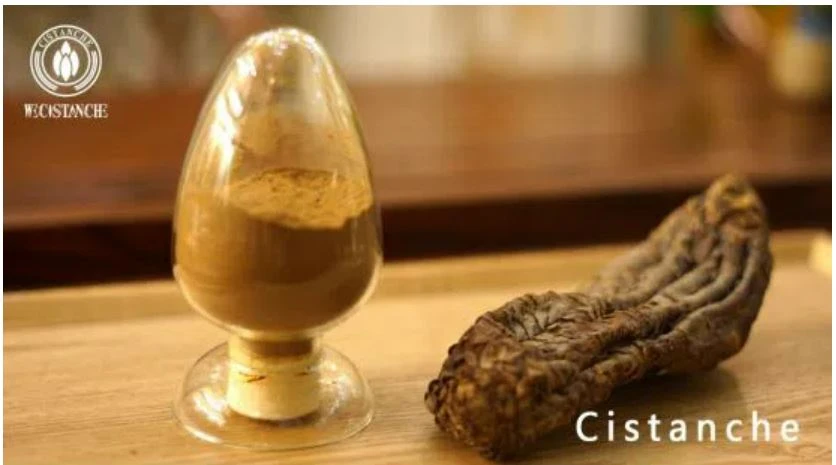
Note: cistanche is a traditional medicinal herb which are used to treat cancer and tumors. Cistanche contains the main effective ingredients of echinacoside and acteoside which can boots the proliferation of cells and reduce the cell apoptosis. these phenylethanoid glycoside of cistanche has the anti-inflammatory function and can effectively kill the tumor/cancer cells.
references:
1. SiegelRL, MillerKD, FuchsHE, et al. Cancer statistics, 2021[J]. CA Cancer J Clin, 2021, 71(1): 7-33. DOI: 10.3322/caac.21654.
2. ZengH, ChenWQ, ZhengRS, et al. Changing cancer survival in China during 2003-15: a pooled analysis of 17 population-based cancer registries[J]. Lancet Glob Health, 2018, 6(5): e555-e567. DOI: 10.1016/S2214-109X(18)30127-X.
3. ChengX, GuX, XiaT, et al. HuB and HuD repress telomerase activity by dissociating HuR from TERC[J]. Nucleic Acids Res, 2021, 49(5): 2848-2858. DOI: 10.1093/nar/gkab062.
4. TangH, WangH, ChengXL, et al. Author correction: HuR regulates telomerase activity through TERC methylation[J]. Nat Commun, 2018, 9(1): 2721. DOI: 10.1038/s41467-018-05213-5.