Three Inspections Per Year Can Find The Silent Killer And Keep Away From Chronic Kidney Disease
Jul 13, 2023
Chronic kidney disease is known as a "silent killer" that threatens human health. Chronic kidney disease is preventable and controllable at an early stage. Through physical examination, early detection and active treatment can prevent progression to end-stage renal disease.

Click to cistanche herba for kidney disease
It is very important to actively conduct renal function tests to ensure that you have a healthy kidney, especially for people with a high risk of chronic kidney diseases such as diabetes and hypertension, and they need to strengthen their awareness of prevention. Today, let's learn about the screening methods for chronic kidney disease.
urine routine
The urine routine is suitable for all groups of people. When taking urine samples, it is recommended that the urine in the middle of the morning is the best, and female patients should try to avoid the menstrual period and the days before and after. Urine samples were analyzed and checked by the laboratory. Check to see if there is hematuria, whether the urine sugar and urine protein exceed the standard, and whether there is a urinary tract infection.
Occult blood (occult blood)
The occult blood test is the hemoglobin released after the red blood cells rupture, which is indicated by "+". If the urine occult blood is positive, the number of red blood cells in the urine sediment should be further checked.
proteinuria
Urinary protein is an important manifestation of kidney damage, "-" means normal, and from "+" to "++++" means the severity of urinary protein leakage. Strenuous exercise, high fever, high-protein diet, etc. may also cause proteinuria. It is recommended to do a 24-hour urine protein quantitative test after the urine protein appears "+".
urine sugar
Glucose in urine is referred to as urine sugar for short, and is also represented by "+". If there is no diabetes and the patient has positive urine sugar, further examination is required to clarify the cause.
kidney function test
Kidney function tests are generally detected through venous blood sampling. The general inspection items include serum creatinine, blood urea nitrogen, blood uric acid, and glomerular filtration rate. There is a reference to the corresponding normal value range on the checklist.
serum creatinine
Clinically, detecting serum creatinine is one of the main methods commonly used to understand renal function.

Blood creatinine is the final product of protein metabolism in the human body. There are two types of blood creatinine: endogenous creatinine and exogenous creatinine. Endogenous creatinine is produced by human metabolism, and exogenous creatinine is produced by eating meat. If the body metabolizes Normally, meat intake is also stable, so the production of creatinine will be relatively stable.
However, it should be noted that a normal serum creatinine test does not mean that there is no problem with renal function. Because only when the renal function is damaged to a certain extent, the serum creatinine level will increase. If the serum creatinine is close to the highest value of the normal value, it should be paid attention to. Especially when there is proteinuria or hematuria in the urine routine at the same time, further examination by a specialist should be sought.
In addition, the value of serum creatinine is only a reference for the judgment of renal function, especially for the elderly. For people with strong muscles, Ken may be a little higher in the normal range, so don't worry too much when this happens.
blood urea nitrogen
Blood urea nitrogen refers to a nitrogenous compound in plasma other than protein, which is filtered out from the glomerulus and excreted. Blood urea nitrogen reflects the filtration function of the glomerulus to a certain extent. When the glomerulus is damaged, the filtration rate decreases, and blood urea nitrogen increases.
It should be noted that blood urea nitrogen is easily disturbed by diet and fever, and its accuracy is not as good as that of blood creatinine. Therefore, the increase in this index alone does not necessarily mean that renal function is impaired, and doctors need to conduct a combined analysis to check whether there are other clinical symptoms.
Serum uric acid (UA)
Uric acid is the final product of purine catabolism in nucleoproteins and nucleic acids. Uric acid is mainly produced in the liver, and most of it is excreted with urine through glomerular filtration. Under normal circumstances, the level of uric acid in the body is in a dynamic balance. When kidney disease occurs, the uric acid excreted in the urine will decrease, and the blood uric acid will increase. The detection of blood uric acid helps to understand the function of the kidneys.

Moreover, the increase in blood uric acid is an important basis for the diagnosis of gout.
Glomerular filtration rate
The nephron is the most basic structural and functional unit of the kidney, and the glomerulus is an important part of the nephron, and its main function is filtration. The most important parameter for assessing filtration function is the glomerular filtration rate (GFR).
The glomerular filtration rate is an important indicator for evaluating a renal function, and it is of great significance for judging the stage of chronic kidney disease (CKD), evaluating disease progression, and guiding medication.
Kind Tips
Renal function tests need to pay attention to the following three points:
1. Start a light diet two to three days before the examination, to minimize the influence of exogenous food factors on the test results;
2. When acute diseases such as colds and gastroenteritis occur, the effects of these diseases on serum creatinine should be integrated, so try to avoid these diseases in the acute stage;
3. Kidney function tests generally require at least 8 hours of fasting, and try not to drink water.
Kidney ultrasound
Before the kidney ultrasound examination, you need to hold back your urine. You need to drink enough water to hold back your urine to fill up your bladder. Use enough urine to observe the specific conditions of your kidneys and ureters. For example, whether there are kidney stones, renal cysts, hydronephrosis, atrophy, and other diseases. If a lesion is diagnosed, it needs to be combined with urine, blood laboratory, and other related tests to comprehensively analyze and judge.
Normal kidneys are like a pair of erect broad beans, located opposite each other at the waist.
If the kidney is enlarged, it is seen in diseases such as renal edema, early diabetes, polycystic kidney disease, or renal cyst;
If the kidney is less than 9cm, or the renal cortex is thinned (less than 1.3cm), it is seen in the middle and late stages of various chronic kidney diseases (CKD). At this time, most of the glomeruli sclerosis, serum creatinine rises, and moderate to severe renal failure.
If the size difference between the two kidneys is more than 1-1.5 cm, the shrunken kidney is atrophied, which is more common in diseases such as renal artery stenosis on one side and congenital renal dysplasia.
How does Cistanche treat kidney disease?
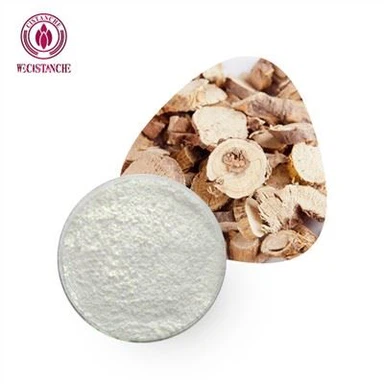
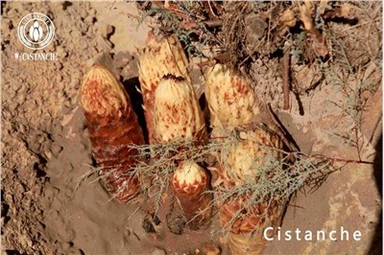
Cistanche is a traditional Chinese herbal medicine used for centuries to treat various health conditions, including kidney disease. It is derived from the dried stems of Cistanche deserticola, a plant native to the deserts of China and Mongolia. The main active components of cistanche are phenylethanoid glycosides, echinacoside, and acteoside, which have been found to have beneficial effects on kidney health.

Kidney disease, also known as renal disease, refers to a condition in which the kidneys are not functioning properly. This can result in a buildup of waste products and toxins in the body, leading to various symptoms and complications. Cistanche may help treat kidney disease ase through several mechanisms.
Firstly, cistanche has been found to have diuretic properties, meaning it can increase urine production and help eliminate waste products from the body. This can help relieve the burden on the kidneys and prevent the buildup of toxins. By promoting diuresis, cistanche may also help Reduce high blood pressure, a common complication of kidney disease.
Moreover, cistanche has been shown to have antioxidant effects. Oxidative stress, caused by an imbalance between the production of free radicals and the body's antioxidant defenses, plays a key role in the progression of kidney disease. ies help neutralize free radicals and reduce Oxidative stress, thereby protecting the kidneys from damage. The phenylethanoid glycosides found in cistanche have been particularly effective in scavenging free radicals and inhibiting lipid peroxidation.
Additionally, cistanche has been found to have anti-inflammatory effects. Inflammation is another key factor in the development and progression of kidney disease. Cistanche's anti-inflammatory properties help reduce the production of pro-inflammatory cytokines and inhibit the activation of inflammation mandatory pathways, thus alleviating inflammation in the kidneys.
Furthermore, cistanche has been shown to have immunomodulatory effects. In kidney disease, the immune system can be dysregulated, leading to excessive inflammation and tissue damage. Cistanche helps regulate the immune response by modulating the production and activity of immune cells, such as T cells and macrophages. This immune regulation helps reduce inflammation and prevent further damage to the kidneys.
Moreover, cistanche has been found to improve renal function by promoting the regeneration of renal tubes with cells. Renal tubular epithelial cells play a crucial role in the filtration and reabsorption of waste products and electrolytes. In kidney disease, these cells can be damaged, leading to damaged renal function. Cistanche's ability to promote the regeneration of these cells helps restore proper renal function and improve overall kidney health.
In addition to these direct effects on the kidneys, cistanche has been found to have beneficial effects on other organs and systems in the body. This holistic approach to health is particularly important in kidney disease, as the condition often affects multiple organs and systems. che has been shown to have protective effects on the liver, heart, and blood vessels, which are commonly affected by kidney disease. By promoting the health of these organs, cistanche helps improve overall kidney function and prevent further complications.
In conclusion, cistanche is a traditional Chinese herbal medicine used for centuries to treat kidney disease. Its active components have diuretic, antioxidant, anti-inflammatory, immunomodulatory, and regenerative effects, which help improve renal function and protect the kidneys from further damage. , cistanche has beneficial effects on other organs and systems, making it a holistic approach to treating kidney disease.