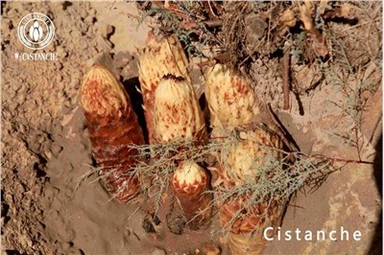
What To Combine With Cistanche (Rou Cong Rong) For Best Results: 4 “Golden Pairings” (Chinese Yam, Bai Zhu, Fu Ling, Dang Shen) For Kidney Support, Digestion & Balanced Vitality
Jul 31, 2026
With 4 practical herb pairings that support digestion, energy/blood, and yin–yang balance
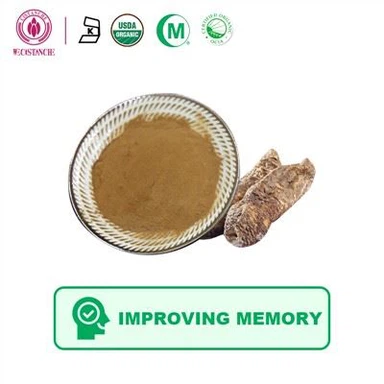
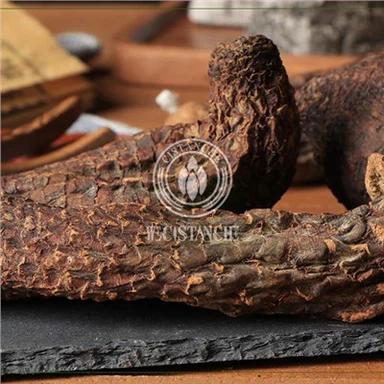
If you ask which Chinese herb is often recommended for middle‑aged and older adults as a gentle tonic that doesn't easily feel "too heating", one classic answer in Traditional Chinese Medicine (TCM) is Cistanche (Chinese: 肉苁蓉, Rou Cong Rong).
In TCM terms, Cistanche is warm in nature, sweet and slightly salty in taste, and traditionally associated with the Kidney and Large Intestine channels. Its core traditional functions are commonly summarized as:
Supporting Kidney yang (vitality, drive, physical strength in TCM language)
Nourishing essence and blood (recovery, resilience)
Moistening the intestines (helping with dryness‑type constipation)
That's why it's often discussed for patterns seen in aging-such as low energy/weak constitution and constipation, especially when dryness is involved.
Why many practitioners describe Cistanche as effective but gentle
In your original text, the clinical/usage logic is essentially:
Mild tonic quality (not overly drying or cloying)
It's often viewed as a "balanced, steady" tonic-more like long‑term support than a harsh stimulant.
Yin–yang support with yang as the focus
Although it is used mainly to support yang in TCM theory, it's often described as not pushing the body into imbalance when used appropriately.
"Bone-strengthening" through Kidney support
In TCM, the Kidneys are said to "govern bones." Supporting Kidney function/essence is therefore used as a strategy for symptoms like low back and knee soreness, weak tendons and bones, and "aging weakness."
Overall resilience / immune support (TCM framing)
Many formulas pair Cistanche with qi-tonifying and spleen-supporting herbs to improve overall robustness.

A practical daily method (tea-style)
A common folk-style approach is:
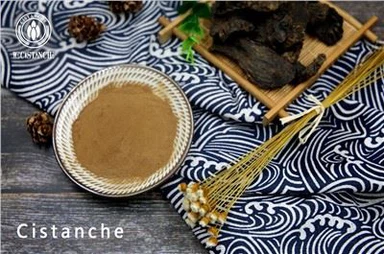
About 6 g/day of Cistanche, infused in hot water as a tea.
For Western product developers: think of this as a daily, low-to-moderate dose habitual use model (similar to how many people take functional teas), rather than a "one-time high-dose" intervention.
Click The Picture To Get More Details Of Cistanche Tea

The real problem in older users: digestion and absorption
Many older adults-especially those with chronic bone/joint issues-also have weaker digestion.
So pairing Cistanche with Spleen/Stomach-supporting herbs (TCM terms) is often used to improve "uptake" and tolerance.
What is qi

4 "Ace Pairings" with Cistanche (Rou Cong Rong)
1) Chinese Yam (Shan Yao) + Cistanche
Dose idea: Shan Yao 15–30 g + Cistanche 3–6 g
TCM function snapshot:
Shan Yao is traditionally used to support digestion, tonify qi, and also support Kidney function in a gentle way.
Often described as "neutral/peaceful" and suitable for longer-term use.
Why this pairing makes sense:
Absorption-first design: Shan Yao is used to strengthen the digestive "engine," so tonic herbs are better tolerated.
Synergy: both herbs can be framed as "Kidney-supporting," with Shan Yao adding a stabilizing, digestive-friendly base.
Who it fits best (TCM-style positioning):
Older users with weak appetite, low energy, and general frailty-especially if you want a mild daily tonic vibe.

2) Atractylodes (Bai Zhu) + Cistanche
Dose idea: Bai Zhu 6–9 g + Cistanche 3–6 g
TCM function snapshot:
Bai Zhu is a classic herb for strengthening digestion/qi and drying dampness
Why this pairing makes sense:
Better tolerance + clearer energy feel: Bai Zhu is often used when tonic formulas feel "too heavy."
"Dampness" logic: If your target users have symptoms consistent with "damp" patterns (e.g., heaviness, swelling tendencies), Bai Zhu is a common TCM lever.
Who it fits best:
People who are "tonic-averse" (feel weighed down by rich tonics), or those with digestive weakness plus dampness-type complaints.

3) Poria (Fu Ling) + Cistanche
Dose idea: Fu Ling 10 g + Cistanche 3–6 g
TCM function snapshot:
Fu Ling is used to support digestion, promote healthy fluid metabolism, and calm the mind (settling restlessness).
Why this pairing makes sense (for product developers):
Tonic + calm: This combo is interesting for older users whose sleep and mood are affected by chronic discomfort.
Fu Ling's "calm and steady" reputation helps position the blend as supportive, not edgy.
Who it fits best:
Older adults with digestive weakness plus sleep disturbance/anxiety tendencies (especially when discomfort/pain is part of the story).

4) Codonopsis (Dang Shen) + Cistanche
Dose idea: Dang Shen 6–10 g + Cistanche 3–6 g
TCM function snapshot:
Dang Shen is widely used to support qi, support digestion and lungs, and nourish blood/fluids in a gentle way.
Why this pairing makes sense (for product developers):
"Energy + foundational nutrition" framing: Dang Shen supports "qi and blood generation" (TCM), which pairs naturally with Cistanche's Kidney/essence angle.
This is a classic two-engine approach: digestion/qi (Dang Shen) + Kidney yang/essence (Cistanche).
Who it fits best:
People with fatigue, low appetite, and "run-down" presentation-especially if you want a formula story that includes energy, recovery, and vitality.

FAQ for Western male-health product formulation (practical takeaways)
1) "Is Cistanche just for sexual function?"
In TCM usage, it's broader: it's often positioned for aging vitality + bowel regularity + low back/knee weakness, with sexual health being one expression of "Kidney" function.
2) "Why do TCM formulas keep talking about the Spleen?"
Because many tonics don't work well if users can't digest/transform them (TCM terms). Pairing with Shan Yao / Bai Zhu / Fu Ling / Dang Shen is a way to design for tolerance and consistent use-a very relevant idea for real consumer adherence.
3) "How should I choose one pairing?"
Most gentle daily base: Shan Yao + Cistanche
If 'damp/heavy digestion' is common in your audience: Bai Zhu + Cistanche
If sleep/mood support is part of the positioning: Fu Ling + Cistanche
If fatigue and low 'drive' is central: Dang Shen + Cistanche
Organic Cistanche Factory Based In Xinjiang
Click to visit the cistanche factory


Note (important)
Everything above describes traditional TCM usage logic and typical "tea-style" folk practice. For supplements aimed at Western markets, you'll also want to consider:
target population age/medications,
safety/compliance wording,
and whether you're selling as food / dietary supplement / herbal product (regulatory differences).
If you tell me your target market (US/EU/UK), dosage form (tea bags, capsules, tincture), and the main claim direction (energy, healthy testosterone aging, bowel regularity, bone/joint support), I can help you draft a more compliant product positioning paragraph and a simple formula matrix using the four pairings above.