Choosing The Right Cistanche Tubulosa Product: Understanding Specifications, Potency, And Quality
Jul 22, 2026
Walking into the world of Cistanche tubulosa supplements can feel overwhelming. Different brands offer extracts with varying percentages, different capsule counts, powders versus capsules versus tinctures-and the price differences can be dramatic. How do you know which product is right for you? Is a higher percentage always better? What do terms like "standardized extract" and "phenylethanoid glycosides" actually mean on a label? This guide demystifies product specifications, helping you make an informed decision based on science, not marketing.
The Foundation: What Makes a Quality Cistanche Product?
The therapeutic value of Cistanche tubulosa is not in the raw herb weight-it's in the concentration of its bioactive compounds. A product's quality is defined by three core parameters: the percentage of total active ingredients, the specific content of key marker compounds, and the purity of the extract. Understanding these will help you compare products accurately.
Total Phenylethanoid Glycosides
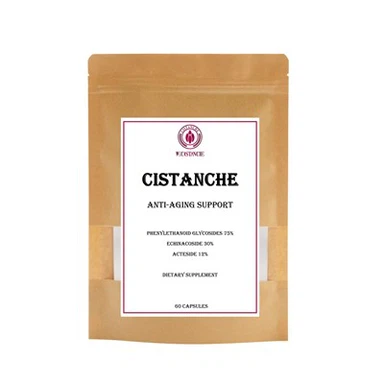
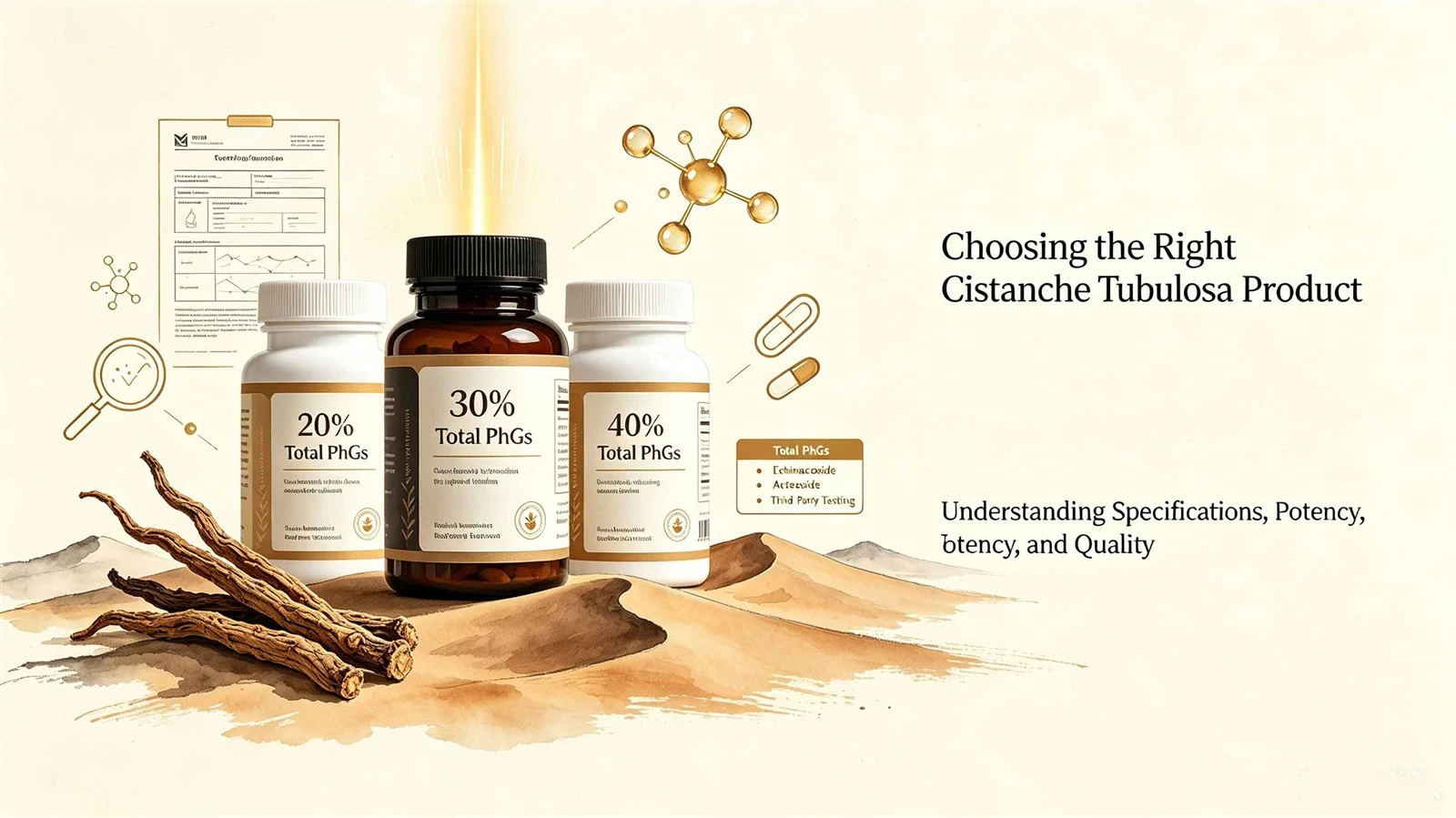
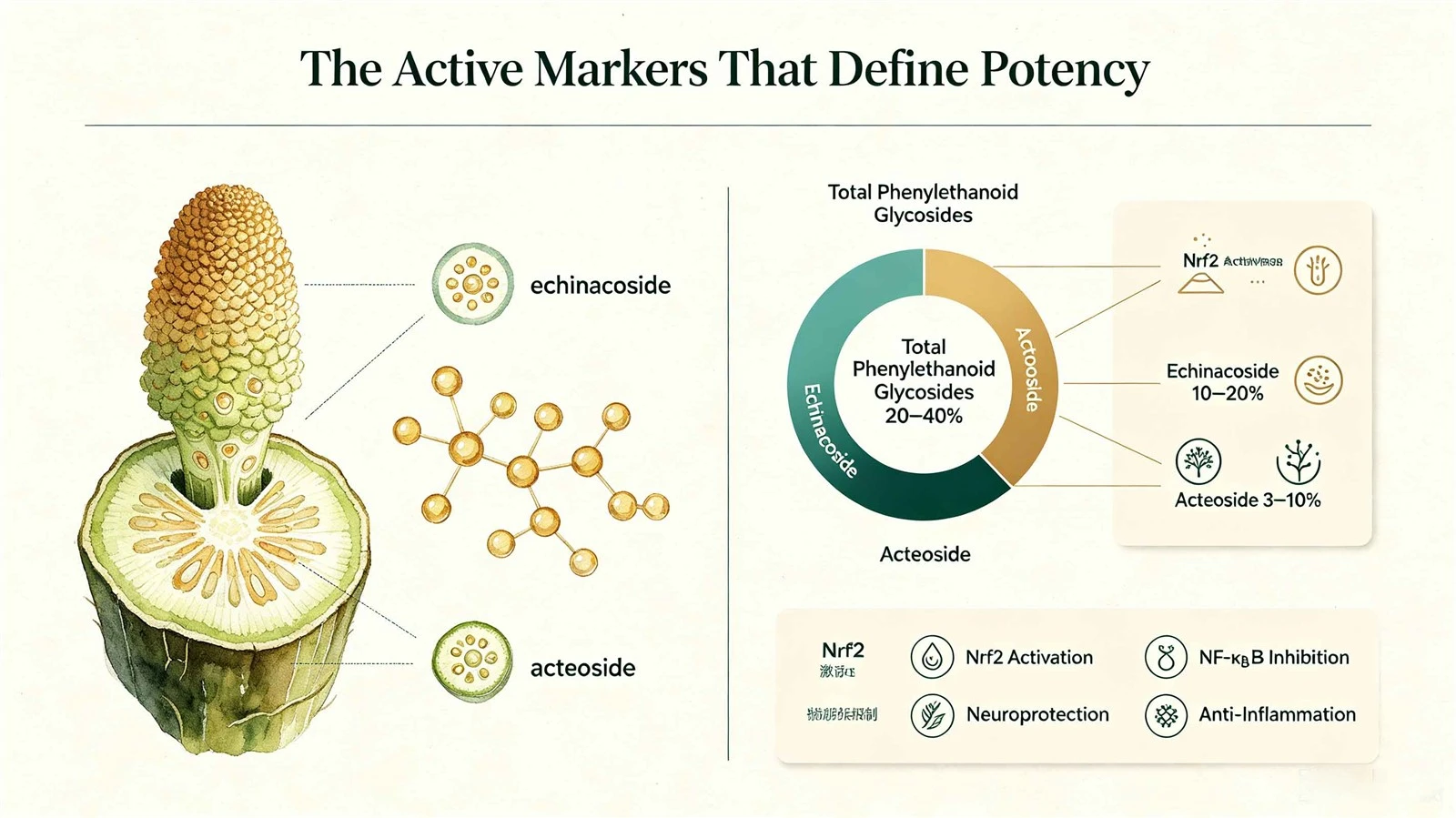
The most important number on any Cistanche tubulosa product label is the percentage of total phenylethanoid glycosides. This is the family of compounds responsible for the herb's primary pharmacological activities-the Nrf2 activation, NF-κB inhibition, enzyme modulation, and organ protection. A high-quality standardized extract typically contains 20–40% total phenylethanoid glycosides. This means that in a 500 mg capsule of a 20% extract, 100 mg is active phenylethanoid glycosides; in a 40% extract, it's 200 mg. The remaining weight consists of the natural plant matrix-polysaccharides, fibers, and other co-factors that contribute to the herb's full-spectrum effects.
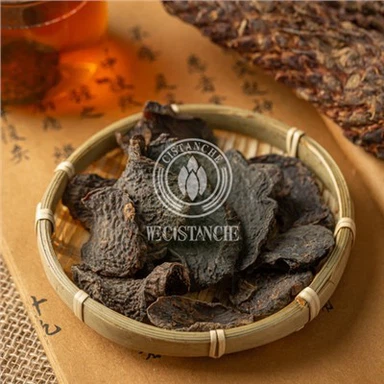
Products that simply say "Cistanche powder" without a standardization percentage are typically raw, unextracted material containing only 2–5% phenylethanoid glycosides. To achieve the active doses used in research-typically corresponding to 15–40 mg of echinacoside daily-you would need to consume 5–10 grams of such raw powder. This is why standardization matters: it concentrates the active compounds so that a practical daily dose of one or two capsules delivers research-consistent potency.
Echinacoside Content
Within the total phenylethanoid glycoside fraction, echinacoside is the primary marker compound. It is typically the most abundant single phenylethanoid glycoside in Cistanche tubulosa, and it is the standard used by the Pharmacopoeia of the People's Republic of China for quality control. A high-quality extract should specify the percentage of echinacoside on the label. In a 20–40% total phenylethanoid glycoside extract, echinacoside typically constitutes 10–20% of the total extract weight.
Echinacoside is primarily responsible for Nrf2 activation-the master antioxidant switch-and for neuroprotective effects including acetylcholinesterase inhibition and BDNF upregulation. If your primary health goal is anti-aging, neuroprotection, cognitive function, or antioxidant support, prioritize products with verified, high echinacoside content.
Acteoside Content
Acteoside (also known as verbascoside) is the second major phenylethanoid glycoside and is often the more potently bioactive of the two in anti-inflammatory contexts. In a standardized extract, acteoside content typically ranges from 3–10%. Acteoside is the primary NF-κB inhibitor, the compound most responsible for suppressing chronic inflammation. It also inhibits specific enzymes relevant to individual health conditions-tyrosinase (for whitening), xanthine oxidase (for uric acid management), 5-alpha-reductase (for hair health), and angiotensin-converting enzyme (for blood pressure support).
If your primary health goal is anti-inflammatory support, skin whitening, or management of inflammation-driven conditions, prioritize products that disclose and verify their acteoside content.
The Synergy of Both Compounds
The ideal Cistanche tubulosa product contains both echinacoside and acteoside in their natural ratio-typically about 2:1 to 3:1 echinacoside to acteoside. This ratio reflects the plant's evolutionary design, and the two compounds work synergistically: echinacoside boosts cellular antioxidant defenses while acteoside simultaneously calms the inflammatory signals that generate free radicals. A product that specifies only total phenylethanoid glycosides without breaking out echinacoside and acteoside individually may still be effective, but the transparency of a detailed specification allows you to match the product to your health goals more precisely.
Product Forms and Their Applications
Standardized Extract Capsules
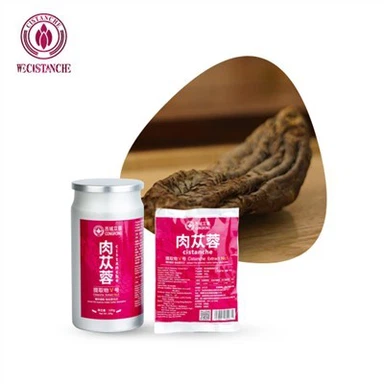
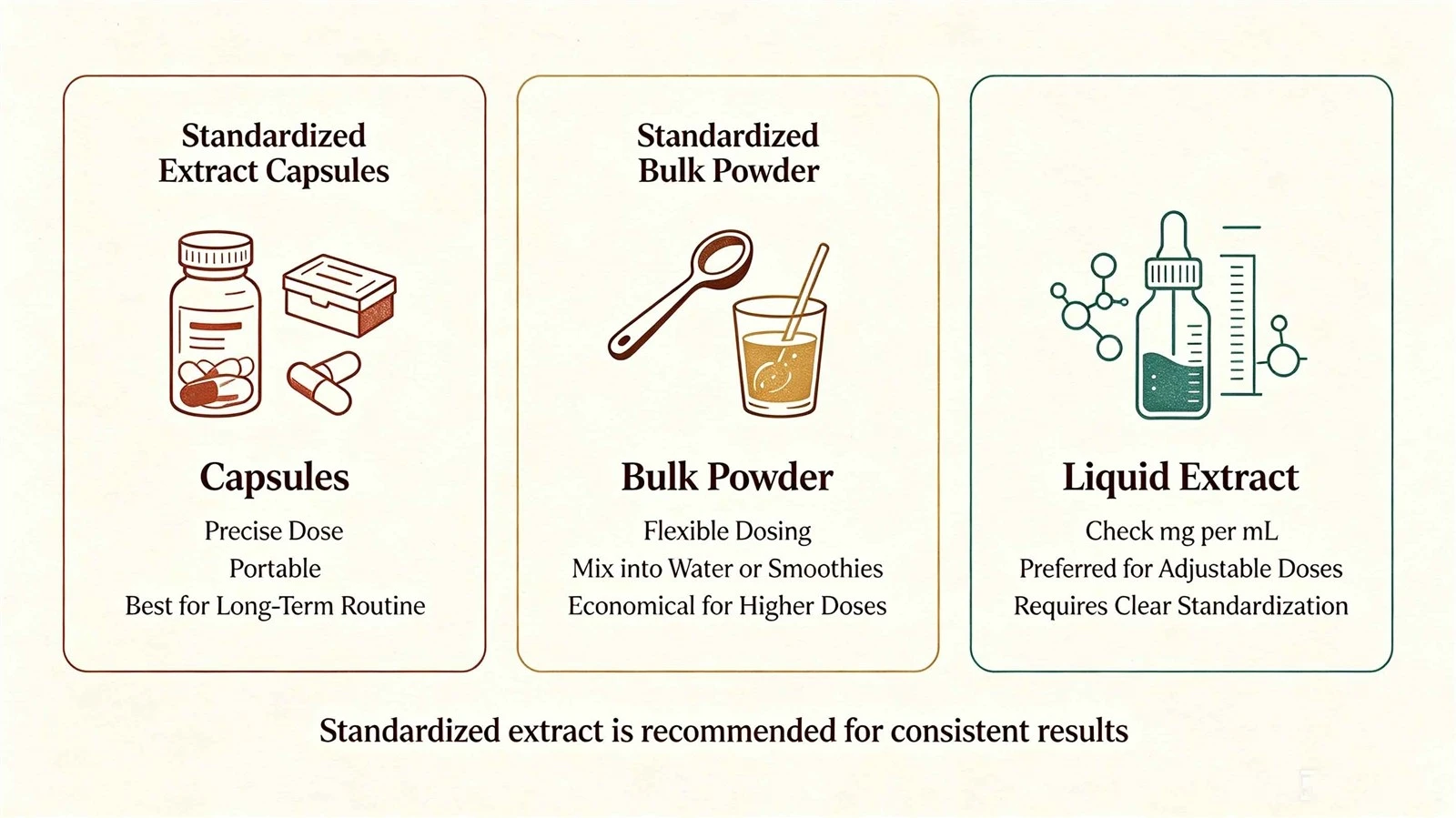
Capsules are the most common, most convenient, and most studied form of Cistanche tubulosa. A high-quality capsule should contain a standardized extract powder-not raw herb powder-with the phenylethanoid glycoside percentage clearly stated. Capsule counts typically range from 60 to 180 per bottle, with individual capsule doses of 300–600 mg of extract.
When to choose capsules: For general daily wellness, anti-aging, and consistent long-term use. Capsules provide precise, pre-measured doses and are portable, tasteless, and easy to incorporate into an existing supplement routine. They are the preferred form for most health goals.
Standardized Extract Bulk Powder
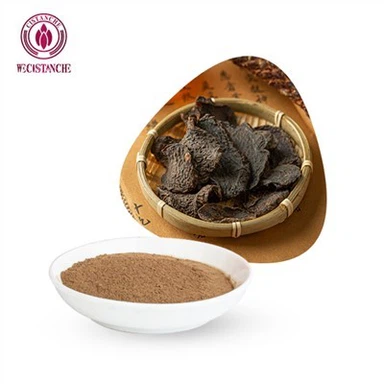
For those who prefer to customize their dose or who have difficulty swallowing capsules, bulk standardized extract powder is an alternative. It should carry the same standardization specifications as the encapsulated version-it is the same extract, simply not encapsulated. The powder can be mixed into water, smoothies, or warm beverages. It has a mild, slightly earthy, subtly sweet taste that is generally palatable.
When to choose bulk powder: For flexible dosing, for those who prefer to take their supplements in liquid form, or for those who want to combine Cistanche with other powdered supplements in a single drink. The powder is also more economical for higher-dose regimens.
Liquid Extracts and Tinctures
Liquid preparations are less common in the Cistanche market and vary widely in quality. A high-quality liquid extract should specify the concentration of phenylethanoid glycosides per milliliter, allowing for precise dosing. Many commercial tinctures do not provide this information, making their potency uncertain. If choosing a liquid, seek products that publish quantitative data on their active ingredient content per serving.
When to choose liquid extracts: For those who prefer liquid supplements or need to adjust dose in small increments. However, due to the general lack of standardization in this category, capsules or standardized bulk powder are usually the more reliable choice.
How to Read a Product Specification
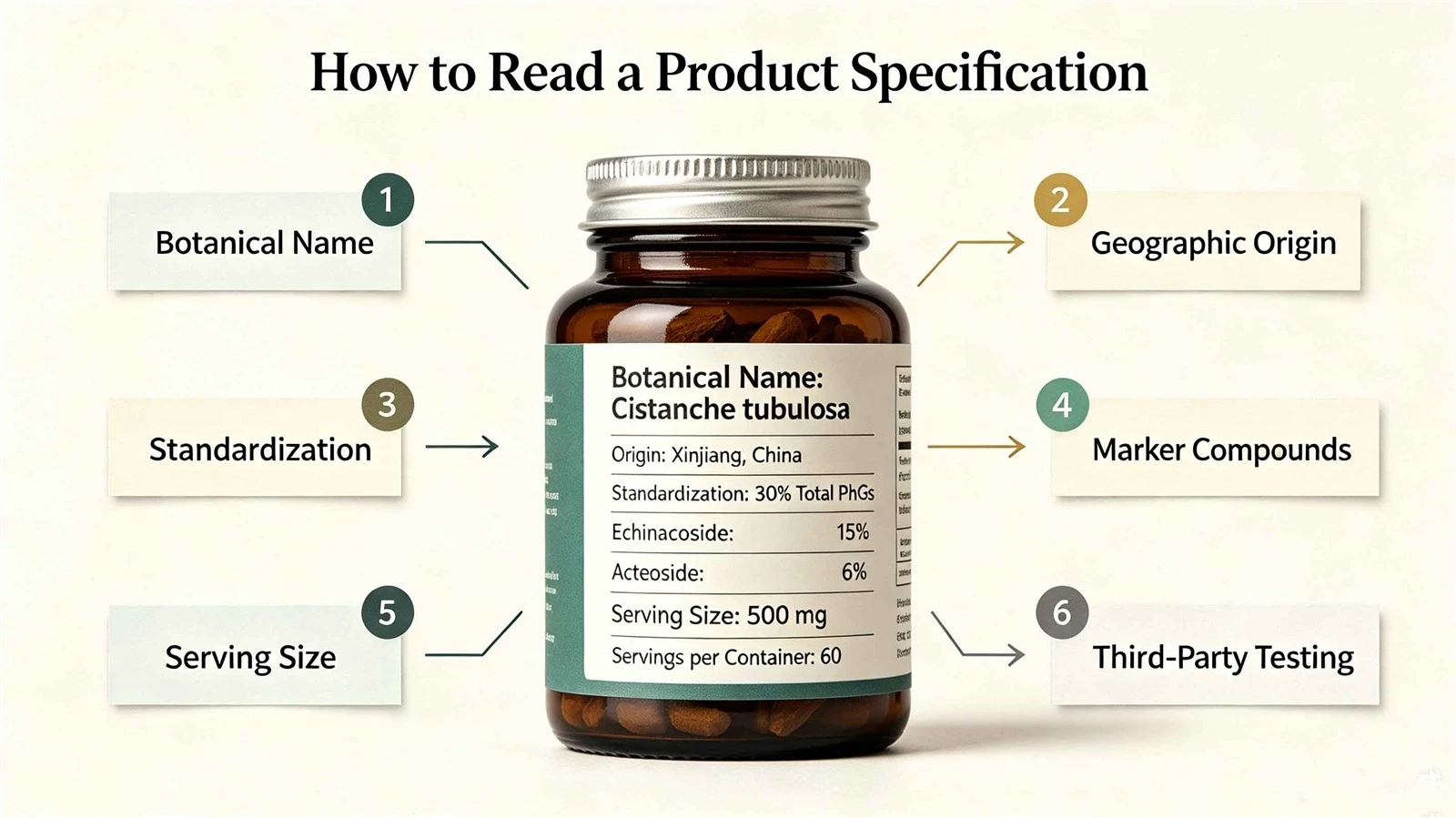
When evaluating a product page or label, look for these data points:
Botanical name: The product should specify Cistanche tubulosa (not just "Cistanche").
Geographic origin: Authentic Cistanche tubulosa is sourced from Xinjiang, China, the plant's native and traditional growing region.
Standardization: The label must state "standardized to X% total phenylethanoid glycosides." If this number is absent, assume the product is unstandardized raw powder.
Marker compound content: The best products also list individual percentages for echinacoside and acteoside. This transparency indicates careful manufacturing and allows you to match the product to your specific health goals.
Third-party testing: Reputable manufacturers provide a certificate of analysis (CoA) from an independent laboratory. The CoA confirms the active ingredient content and tests for contaminants-heavy metals, pesticides, microbial overgrowth, and solvent residues.
Dosage and serving size: The label should clearly state the amount of extract per capsule or per serving, and the number of servings per container.
Dosage Recommendations by Health Goal
The appropriate daily dose depends on the extract's potency and your health objective. The following recommendations assume a standardized extract with 20–40% total phenylethanoid glycosides:
General wellness and anti-aging: 300–400 mg daily. A maintenance dose suitable for healthy adults seeking broad cellular protection through Nrf2 activation and systemic antioxidant support.
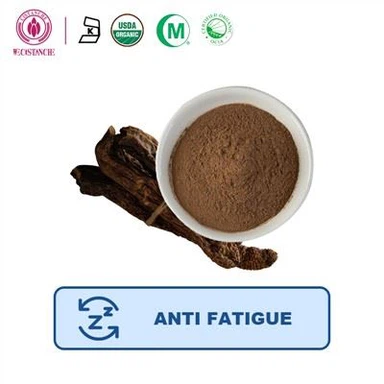
Anti-fatigue and energy enhancement: 400–500 mg daily. The range used in the human clinical trial showing significant fatigue reduction and improved physical performance after 12 weeks.
Neuroprotection and cognitive support: 400–600 mg daily. Delivers the echinacoside concentrations associated with AChE inhibition, BDNF upregulation, and hippocampal neuron protection.
Immune modulation: 400–500 mg daily. Provides the polysaccharide and phenylethanoid glycoside levels that support macrophage, NK cell, and immunoglobulin activity.
Sexual function and hormonal support: 400–600 mg daily. Supports Leydig cell testosterone synthesis and endothelial nitric oxide production.
Skin whitening and anti-photoaging: 400–600 mg daily. Delivers acteoside concentrations associated with tyrosinase inhibition and MITF suppression.
Organ protection (liver, kidney) : 400–600 mg daily. Provides the Nrf2-activating and NF-κB-inhibiting compounds that protect hepatocytes and podocytes from oxidative damage.
How to Verify a Product's Quality Before Purchase
Before adding a product to your cart, ask three questions:
Is the extract standardized, and are the percentages clearly stated? If the label only says "Cistanche powder" without a percentage, the active ingredient content is unknown and likely low.
Is a certificate of analysis available? Transparency is the hallmark of quality. Manufacturers who test their products with independent labs and share the results are accountable to their claims.
Does the brand disclose the botanical species and origin? Cistanche tubulosa from Xinjiang is the species and region most extensively researched. Products that are vague about their source may contain inferior or adulterated material.
Browse our product list and specification page to compare products with full transparency on standardization, echinacoside content, acteoside content, and third-party testing. Every batch we produce is independently verified, and we publish the results-because you have a right to know exactly what you're putting into your body.
The Active Ingredients to Prioritize
As detailed in our active ingredients guide, the therapeutic power of Cistanche tubulosa resides in echinacoside and acteoside. Echinacoside is the Nrf2 activator, the neuroprotective agent, and the anti-aging engine. Acteoside is the NF-κB inhibitor, the anti-inflammatory agent, and the enzyme modulator. A product that quantifies both compounds empowers you to align your choice with your health priorities. Whether you're seeking energy, cognitive longevity, immune resilience, or skin radiance, the right specification makes all the difference.
Supportive Service Of Wecistanche-For more details about cooperation
Business contact: goujinsong@wecistanche.com